
Table of Contents
Introduction: The Appeal of Built-In Wardrobes Design
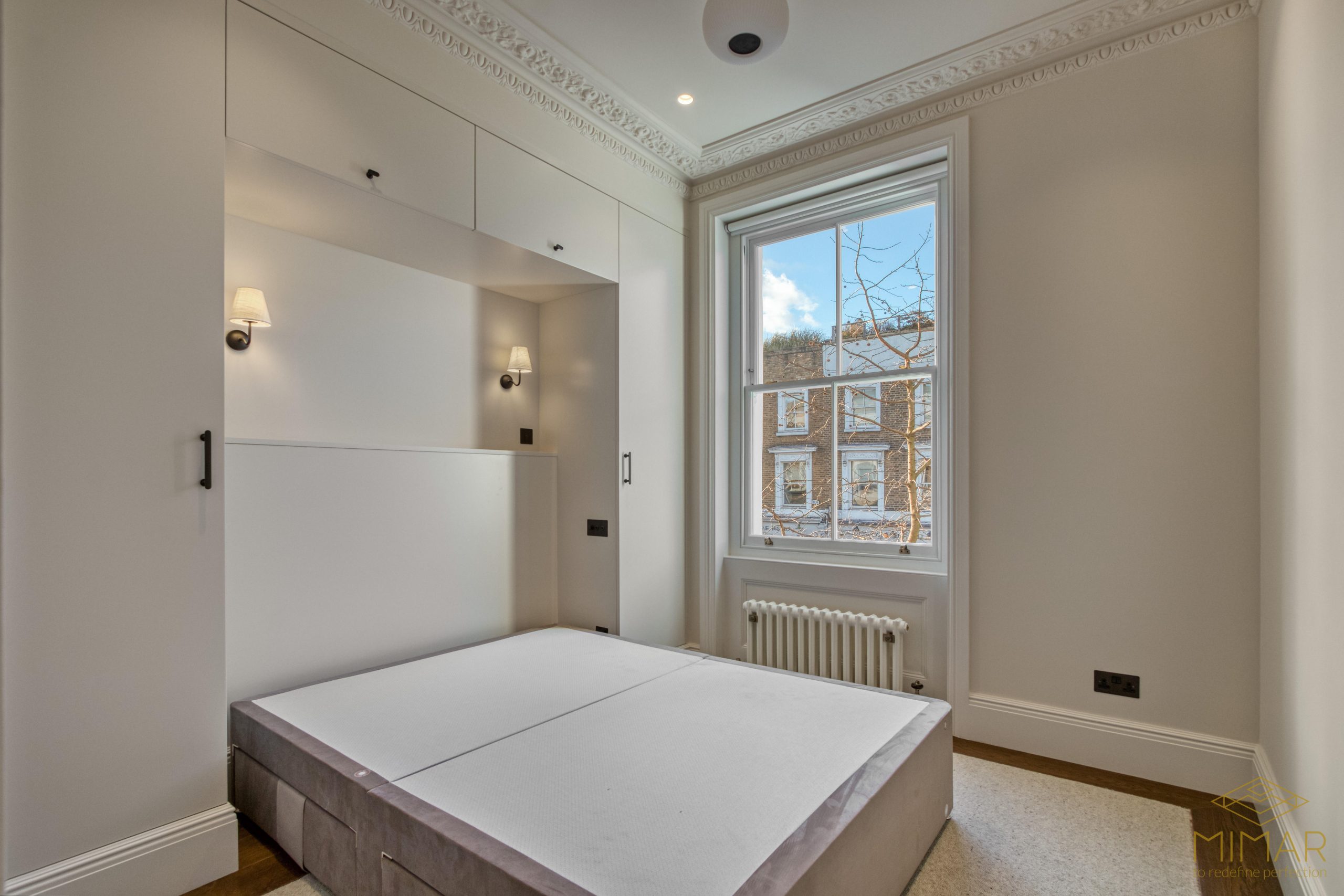
Thoughtful built in wardrobes design can completely transform a bedroom, especially in compact London homes where every centimetre counts. Rather than settling for bulky freestanding units that leave awkward gaps and gather dust, more and more homeowners are turning to fitted, bespoke wardrobes that work in harmony with the architecture of their rooms. In a city where space is so often at a premium, custom storage is one of the smartest investments you can make.
Beyond practicality, bespoke built-in wardrobes are strongly associated with luxury, organisation and a calm, clutter-free bedroom. They bring a sense of order to daily life while elevating the look and feel of a space. In this guide we explore a wide range of built in wardrobe design ideas — from style inspiration spanning modern, minimalist and luxury schemes, to practical layouts for corners, lofts and walk-in dressing rooms, right through to the smart storage details that make a wardrobe genuinely effortless to live with. Whether you’re working with a small flat, an attic conversion or a generous master suite, there’s an inbuilt wardrobe design here to suit your space, style and needs.
Understanding Built-In Wardrobes
A built-in (or fitted) wardrobe is one that is custom-designed to fit the exact dimensions of a room, typically running from floor to ceiling and frequently from wall to wall. Unlike a freestanding piece of furniture, a built-in wardrobe is fixed to the structure of the home and effectively becomes part of the room’s architecture. This integrated quality is exactly what gives fitted wardrobes their seamless, tailored appearance.
Built-in wardrobes come in several forms. There are full-height fitted runs along a single wall, loft-fitted wardrobes tucked beneath sloping ceilings and into eaves, and walk-in wardrobes or dressing rooms created entirely from bespoke joinery. The key difference from freestanding options is that they are made-to-measure, which means they can be designed to work around awkward layouts, alcoves, chimney breasts and angled rooflines where standard units simply won’t fit neatly.
The benefits of a well-considered inbuilt wardrobe design are considerable:
Space optimisation. By going floor-to-ceiling, built-in wardrobes maximise vertical space and transform otherwise unused areas — such as lofts and alcoves — into valuable storage. This is particularly important in smaller rooms and London flats.
Seamless aesthetics. Fitted wardrobes can be designed to blend with the walls or align with architectural lines, creating a clean, integrated look that suits modern, minimalist interiors. Door styles, colours and handles can all be tailored to complement a home’s existing décor.
Improved organisation. Custom interiors — adjustable shelves, double hanging rails, shoe racks and drawer organisers — make it easier to keep everything tidy and within easy reach.
Added value. High-quality bespoke wardrobes are widely seen as a desirable feature that enhances property appeal, which matters all the more in London’s competitive market.
Factors to Consider Before Choosing a Design
Before exploring specific built wardrobe designs, it helps to work through a handful of practical considerations. Getting these right at the outset ensures your finished wardrobe is as functional as it is beautiful.
Available space and room layout. Start with the dimensions and proportions of your room. In small bedrooms or London flats, the priority is usually maximising vertical space and using shallower depths where necessary. You’ll also need to maintain adequate circulation space so doors and drawers open comfortably — this is especially crucial in walk-in setups. Pay close attention to architectural features such as windows, radiators, sloping ceilings, alcoves and chimney breasts, all of which influence where wardrobes can sit. Attic rooms, for instance, are ideal candidates for loft-fitted wardrobes that follow the roofline.
Storage needs and lifestyle. Take time to audit your clothing and belongings. Do you need long hanging for dresses and coats, or double hanging for shirts and jackets? How much shelving do you require for knitwear and folded items, and what about dedicated zones for shoes, bags and accessories? In the UK climate, concealed upper storage for seasonal items such as winter coats and holiday clothes is a particularly useful addition.
Budget. In the UK, built-in wardrobes generally range from around £1,000 to £5,000 or more, depending on size, materials, finishes and accessories. Standard finishes with simple interiors sit at the lower end of the market, while bespoke designs with premium materials, integrated lighting and specialist accessories command higher prices. The trade-off is a higher upfront investment in exchange for long-term value, better use of space and improved property appeal.
Personal style and home aesthetic. Built-in wardrobes can be tailored to suit any interior. Contemporary London flats often favour clean lines, handleless doors and neutral palettes, whereas period homes may suit Shaker or classic panelled doors with traditional hardware. Decide early whether you want your wardrobe to be subtle and blended — matching the wall colour — or a bold feature piece in a contrasting tone or texture. For broader inspiration on creating a cohesive look throughout your home, explore our guide to bespoke interior design in London.
Functionality versus aesthetics. Finally, let functionality drive the layout, then layer the aesthetics on top. Common pitfalls to avoid include overloading the space with storage so movement feels tight, relying on too much open shelving that demands constant tidiness, and poor lighting that casts shadows over your clothes.
Designer’s Insight
Always plan a little spare capacity into your design rather than filling every centimetre to match your current wardrobe. Lifestyles and clothing collections evolve, and a wardrobe with room to breathe will serve you far better over the years.
Innovative Built-In Wardrobe Design Ideas
This is the heart of the matter. Below we’ve gathered a broad selection of built in wardrobe design ideas, grouped by style, layout, space-saving solutions, materials, lighting and statement features. Mix and match to create a wardrobe that’s entirely your own.
Style-Based Ideas
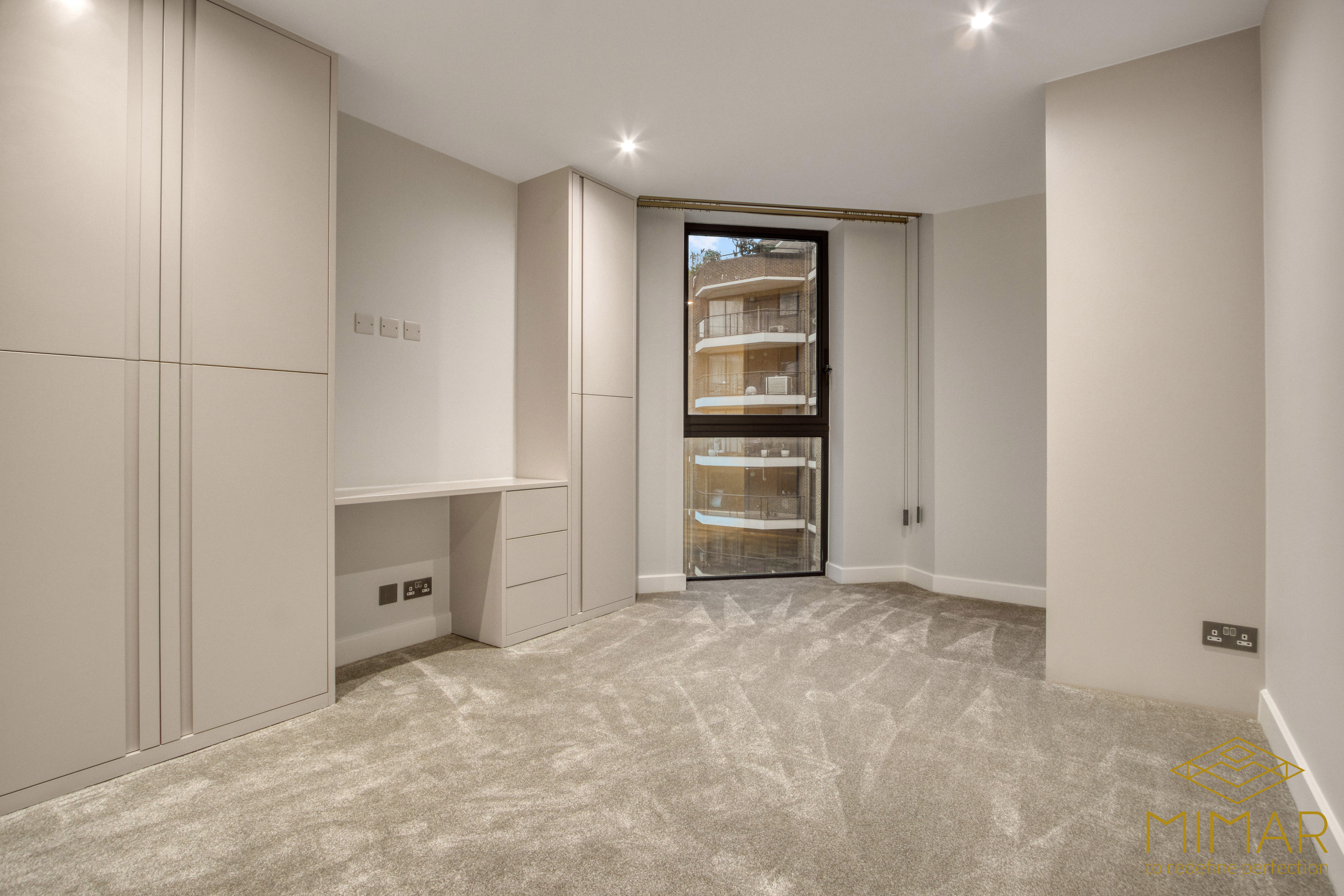
Minimalist built-in wardrobes rely on flat, handleless doors finished in soft whites, greys or beiges that blend gently with the walls. Pair this with a simple internal layout, hidden drawers and integrated lighting to keep visual clutter to a minimum. The result is a calm, hotel-like feel that works beautifully in compact London bedrooms.
Modern and contemporary schemes embrace matte finishes, push-to-open doors and slimline handles. Incorporating open display niches dressed with LED strip lighting adds a touch of personality, while combining wood-effect carcasses with plain doors creates a subtle, layered look.
Classic or Shaker style designs feature panelled doors painted in timeless colours such as white, off-white, deep blue or forest green, finished with traditional knobs or cup handles. Crown moulding and framed fronts echo the period detailing found in many Victorian and Edwardian London homes.
Luxury built-in wardrobes bring high-end materials into play — rich wood veneers, leather or velvet accents and marble-effect surfaces. Add integrated LED lighting, glass-fronted display cabinets and full-length mirrors, and in larger walk-in wardrobes, consider a small seating area for an exclusive dressing-room feel.
Layout and Configuration Ideas
Full-height, wall-to-wall wardrobes are ideal for maximising storage in standard rectangular rooms. Reserve the top sections for seasonal or rarely used items, accessed with steps or pull-down mechanisms.
Corner wardrobes use L-shaped configurations to transform otherwise wasted corners, with internal carousels or angled shelves preventing dead space. Walk-in wardrobes and dressing rooms suit larger properties or situations where a small room or alcove can be repurposed. Here the golden rules are to prioritise flow and circulation rather than crowding the space with joinery, to balance open hanging with drawers and concealed storage, and to use glazed partitions to draw light through while retaining a sense of privacy.
Loft and sloping-ceiling wardrobes are a major trend in London, making use of awkward eaves and attic rooms. Doors and carcasses are built to follow the slope, with lower sections housing drawers and shoes, and higher areas used for hanging where head height allows. If you’re considering making the most of your attic space more broadly, our guide to maximising space in your London home is well worth reading.
When it comes to doors, the choice between sliding and hinged is an important one. Sliding doors are best in narrow rooms or where the bed sits close to the wardrobe, and they pair wonderfully with mirrored panels to visually enlarge a space and bounce light around. Hinged doors, on the other hand, give full access to internal compartments at once and allow integrated hooks or mirrors on the reverse — perfect for larger rooms and walk-in wardrobes.
Space-Saving and Small-Room Solutions
For London flats and small bedrooms, clever space-saving is everything. Maximise vertical storage with double hanging rails, high shelves and full-height carcasses. Opt for pull-out drawers rather than deep shelves for easier access in tight spaces, and use slim hangers to increase hanging capacity without widening the unit. Built-in shoe racks and pull-out trays keep floors clear, while mirrored doors reflect light and make a small room feel noticeably more spacious. If a room is especially tight, shallow wardrobes with more hanging and less depth — fronted by sliding doors to save floor clearance — can be the perfect compromise.
Materials, Finishes and Colour Concepts
For interiors, melamine or laminate offer cost-effective, durable options, while veneered or painted MDF doors allow an enormous range of colours and textures. At the premium end, veneers, glass, metal trims and leather accents lend a genuine sense of luxury.
Finish choices set the tone. Matt finishes are perennially popular for a contemporary, understated look; high-gloss reflects light well in smaller rooms but shows fingerprints more readily; and textured finishes such as wood grain or linen-effect add depth and warmth. As for colour, matching the wardrobe to the wall creates a seamless, built-in effect, whereas a deliberate contrast — dark wardrobes in a light room, or vice versa — turns the run of joinery into a striking feature wall. Neutral tones like white, grey and taupe offer longevity, while bolder hues such as navy and forest green make a confident statement in period properties.
Lighting and Interior Organisation Ideas
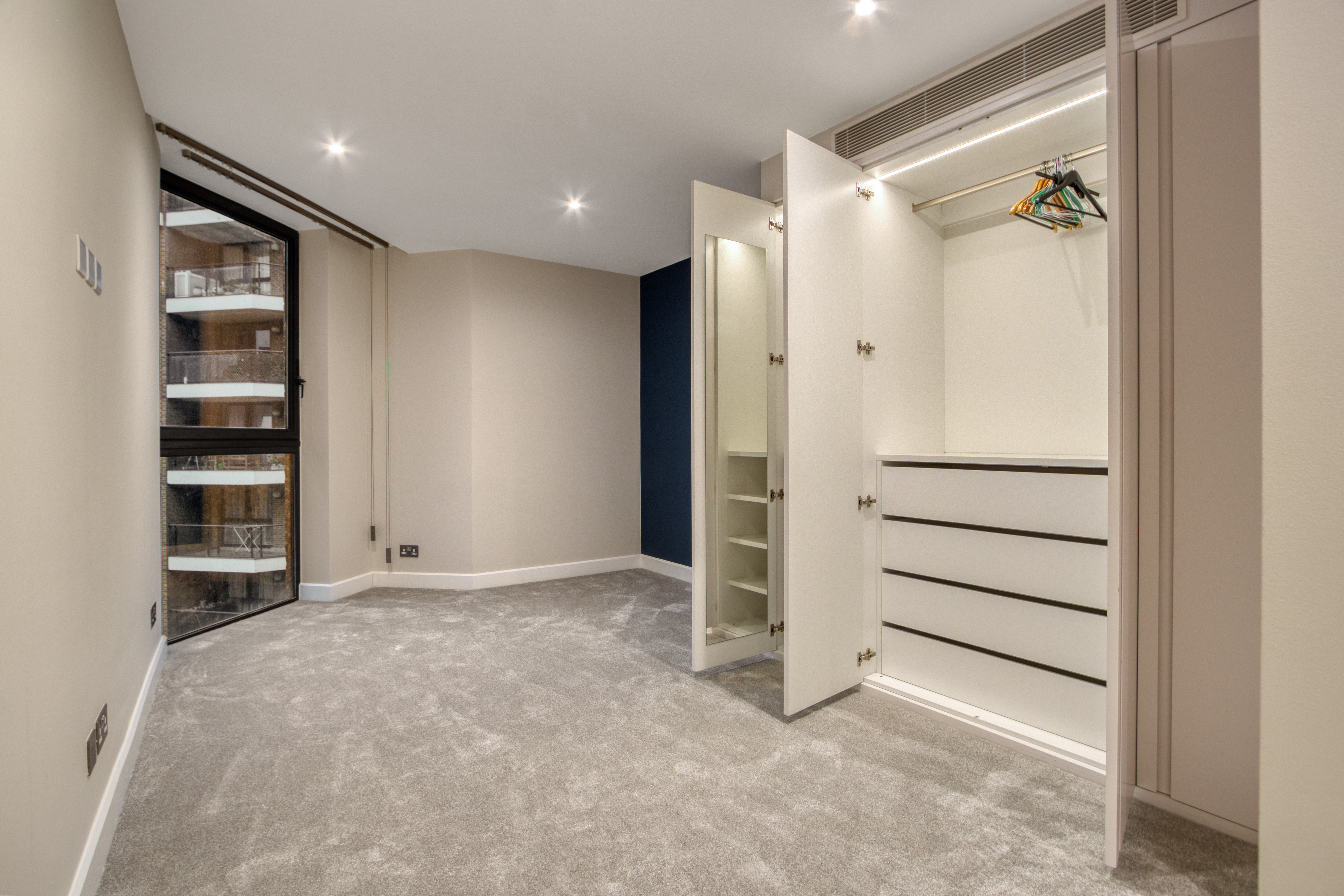
Good lighting elevates any built wardrobe designs from functional to boutique. Integrated LED strip lights inside hanging sections and along shelves greatly improve visibility, while motion-sensor lights that switch on as doors open add a welcome touch of convenience. Accent lighting on open shelving creates that coveted boutique feel, particularly in walk-in wardrobes.
Inside, smart organisation makes all the difference. Drawer organisers keep ties, jewellery, watches and small accessories in order. Dedicated shoe storage — whether pull-out racks, angled shelves or cubbies — keeps footwear neat, and pull-out trouser, tie and belt racks make daily routines effortless. Hooks and rails for bags and scarves, along with concealed laundry bins built into lower cupboards, round out a thoroughly considered interior.
Statement and Feature-Focused Designs
For those wanting their wardrobe to make an impression, mirrored wardrobes are a timeless choice — full-height mirrored doors double as dressing mirrors and visually enlarge the room, making them especially effective in small bedrooms and apartments. Glass-fronted or glazed wardrobes display curated clothing and accessories behind clear or tinted glass; they shine in luxury walk-ins but demand good organisation to avoid visual clutter.
Textured and feature finishes — ribbed, fluted or slatted door fronts, or mixed-material designs combining wood with fabric or metal detailing — bring a modern, high-end edge. And integrated open display, where open shelves or niches are woven into the run of wardrobes and lit with LEDs, creates a natural focal point for decor, books or plants.
| Design Element | Best Suited To |
|---|---|
| Sliding mirrored doors | Small bedrooms & narrow rooms |
| Loft-fitted wardrobes | Attic & eaves conversions |
| Walk-in with glazed partitions | Larger homes & master suites |
| Handleless minimalist fronts | Contemporary city flats |
| Shaker panelled doors | Victorian & Edwardian homes |
| Corner L-shaped units | Awkward room layouts |
Tailoring Designs to Different London Spaces
One of the great strengths of an inbuilt wardrobe design is its versatility. The same core principles can be adapted to suit very different rooms and home types found across London.
Master bedrooms benefit from balanced storage — his-and-hers hanging, generous drawers and long hanging for dresses and coats. Incorporate full-length mirrors, integrated lighting and quality finishes for a boutique atmosphere, and consider building a dressing table or vanity into the wardrobe run.
Small bedrooms and city apartments call for floor-to-ceiling built-in wardrobes that maximise vertical storage while keeping the floor area clear. Sliding or mirrored doors save space and enhance natural light, and light, neutral colours with minimalist fronts prevent the room from feeling cramped.
Kids’ rooms are best served by flexible interiors that adapt as children grow — adjustable shelves and rails, lower hanging within easy reach, and higher shelves for longer-term storage. Robust, easy-clean materials and soft-close mechanisms cope with heavy use, while playful coloured interiors or open cubbies for toys keep things fun without dating the exterior.
Guest and spare rooms can house multi-purpose storage: hanging and drawers for visitors, plus concealed sections for bedding and luggage. Slimline or corner wardrobes free up room for a desk or sofa bed.
Lofts and attic conversions are where loft-fitted wardrobes truly come into their own. Built to follow the pitch of the roof, they make the most of awkward spaces common to London houses, combining lower drawers and cabinets under the eaves with higher hanging sections where there’s more headroom. Walk-through spaces in larger prime London homes often sit between bedroom and en-suite — back-to-back runs of joinery, generous circulation width and good lighting turn these into elegant walk-through dressing zones.
Tips for Maximising Style and Functionality
To get the very best from your built in wardrobes design, keep these practical principles in mind.
Start with a storage audit. Identify exactly what you own and how you use it — formal versus casual, shoes, accessories — and design your internal layout around your real habits rather than guesswork. From there, plan the layout before the look: settle the hanging, shelving, drawers and shoe storage first, then choose door styles, colours and handles.
Use vertical space intelligently with double hanging rails, high shelves and pull-down hanging systems, reserving the highest sections for seasonal or rarely used items. Integrate smart accessories such as drawer organisers, pull-out shoe racks, tie and belt racks and jewellery trays to boost everyday usability.
Get the lighting right so it never casts shadows over your clothes, and consider motion sensors for convenience and accent lighting to highlight display areas. Choose durable, timeless finishes — hard-wearing materials in neutral base colours that withstand both daily wear and shifting trends — then add personality through handles, decor and accessories.
Future-proof the design with adjustable shelves and rails so it adapts to your changing lifestyle, and don’t overlook ventilation, which is especially important for wardrobes in basements or enclosed dressing rooms to prevent mustiness. Finally, coordinate with the wider room by aligning wardrobe heights, colours and trims with your skirting, doors and other joinery, so the design feels like a natural part of the architecture rather than an afterthought.
Worth Remembering
For complex spaces — loft conversions, walk-in dressing rooms or awkward period layouts — working with a professional designer or skilled joiner pays dividends. Their expertise ensures every centimetre is used wisely and the finished result is built to last.
Conclusion
Well-executed built in wardrobes design offers a genuinely powerful way to transform bedrooms and other spaces — especially where room is limited — by marrying customised storage with a seamless, integrated aesthetic. When planned carefully around space, lifestyle, budget and personal style, fitted wardrobes make the most of every centimetre, keep belongings beautifully organised and accessible, and enhance both the perceived quality and the value of your home.
Use the ideas in this guide to pinpoint your preferred style, layout and features, whether that’s a minimalist handleless run for a contemporary flat, a luxurious glazed walk-in for a master suite, or a clever loft-fitted design that tames an attic conversion. The goal is a wardrobe that not only looks impeccable on day one but remains functional, adaptable and aligned with your lifestyle for many years to come.
If you’d like expert guidance on creating a bespoke wardrobe tailored to your London home, contact Mimar Construction. Our team combines refined design with meticulous craftsmanship to deliver storage solutions that feel like a natural extension of your space.