
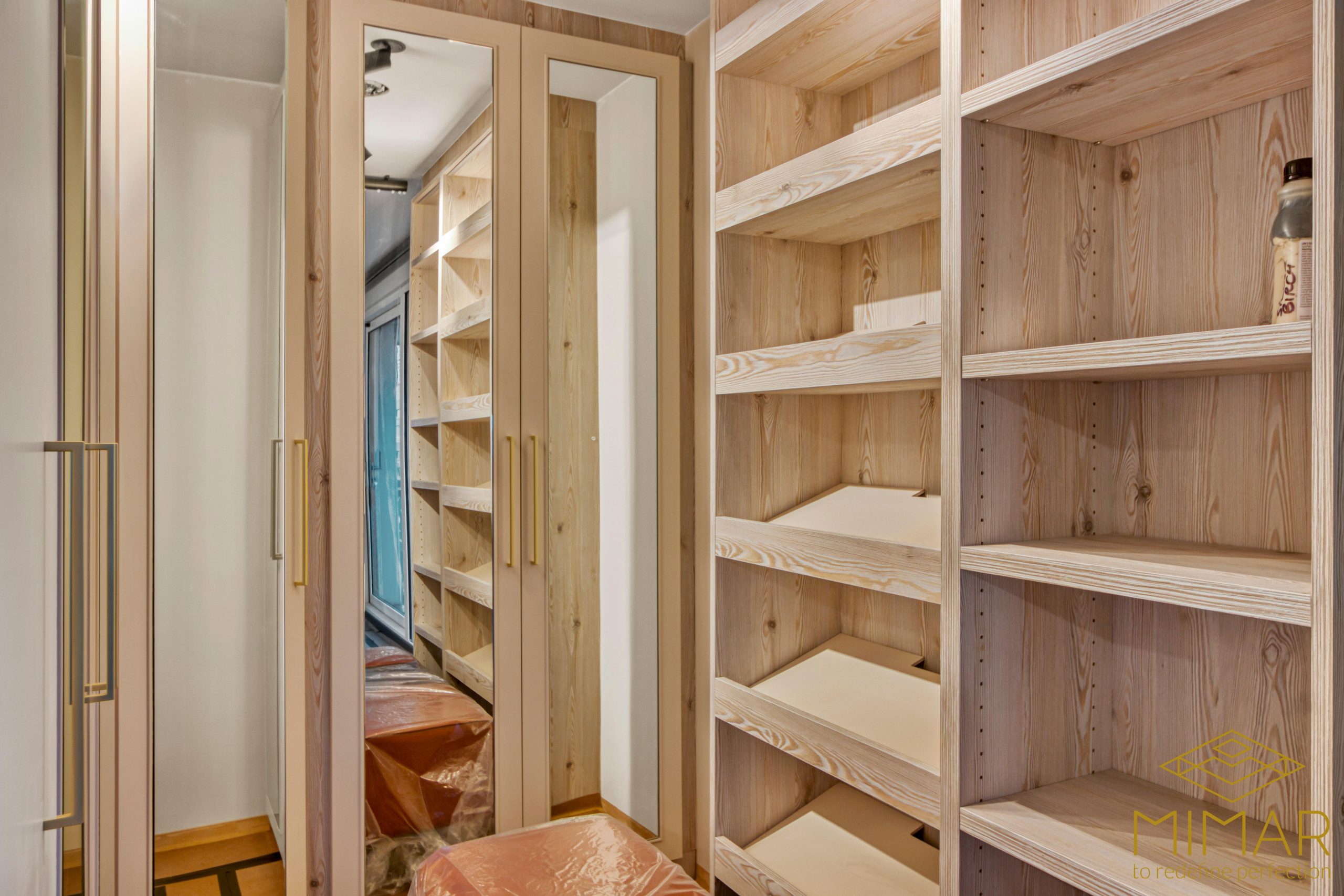
Table of Contents
- Introduction: Why Custom Made Wardrobes Are Worth It
- Understanding the Key Terms
- Core Benefits of Custom Built Wardrobes in London
- Layout and Configuration Options
- Internal Storage and Personalisation
- Exterior Design Choices and Finishes
- Space Optimisation and Problem-Solving in London Homes
- Built Wardrobe Ideas for Every Lifestyle
- Functional Upgrades and Modern Features
- Planning and Decision-Making
- Budget, Quality, and Value
- Working With Professionals vs DIY Components
- Maintenance and Longevity
- Conclusion
Introduction: Why Custom Made Wardrobes Are Worth It
There is a significant difference between a wardrobe that fits your room and one that truly works for your life. Custom made wardrobes are tailored storage solutions designed and built specifically around your space, your habits, and your aesthetic preferences. Unlike a flat-pack unit pulled from a shop floor, they can be engineered to include soft-close drawers, motion-activated lighting, dedicated shoe storage, and every other detail that makes getting dressed in the morning feel effortless rather than chaotic.
The appeal goes far beyond aesthetics. Many homeowners find themselves battling the same recurring storage problems — cluttered surfaces, clothes spilling out of overfull drawers, wasted space above freestanding units, or corners that simply cannot accommodate a standard rectangular wardrobe. Custom built wardrobes solve these problems at the source by making use of every available inch, including the awkward ones. By the end of this guide, you will have a clear picture of the layouts, features, finishes, and decisions involved in creating a wardrobe that genuinely transforms your space.
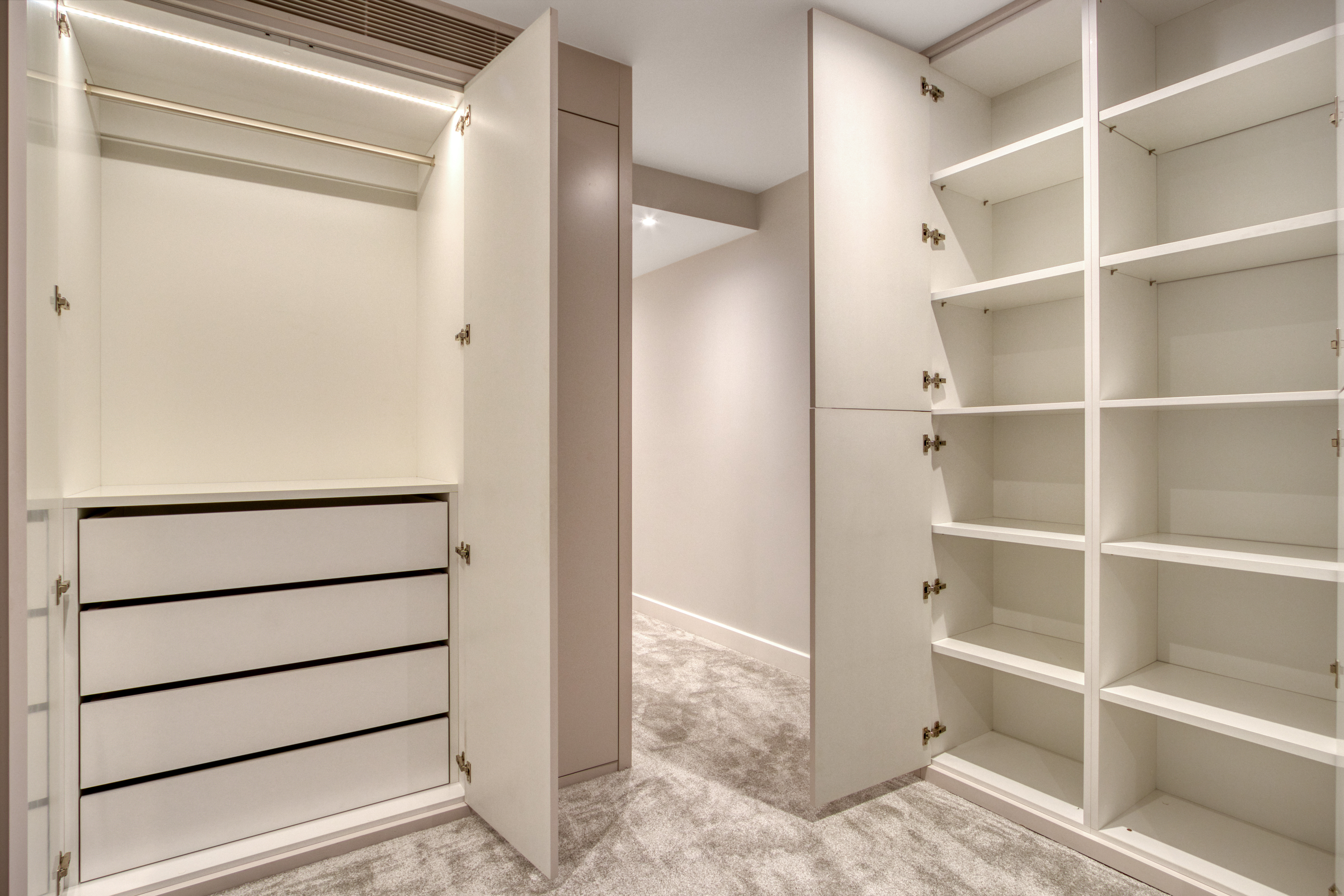
Understanding the Key Terms
The terms used around bespoke storage can feel interchangeable, but they carry slightly different emphases. Custom made wardrobes refers to fully personalised units crafted to your exact specifications, with a strong focus on unique aesthetics, functionality, and fit. Custom built wardrobes tends to describe site-specific construction — often fitted floor-to-ceiling — with precision engineering at the heart of the design. A bespoke built in wardrobe, meanwhile, is typically handcrafted and integrated directly into the room’s architecture, using high-end materials to create a permanent, luxurious result that feels like it was always part of the building.
In practical terms, all three sit at the opposite end of the spectrum from freestanding or flat-pack options. Freestanding wardrobes leave gaps at the top and sides, collect dust in hard-to-reach areas, and are constrained by the standard dimensions in which they are manufactured. A bespoke fitted solution, by contrast, uses the full height of your ceiling, wraps around architectural quirks, and integrates with your room’s design rather than sitting awkwardly within it.
| Aspect | Custom / Bespoke Built-In | Freestanding / Flat-Pack |
|---|---|---|
| Flexibility | Unlimited; adapts to odd shapes and ceiling heights | Limited sizes; gaps in awkward spaces |
| Fit | Perfect, floor-to-ceiling utilisation | Standard dimensions; wasted space above and sides |
| Aesthetics | Seamless room integration, dust-free | Can clash with décor, bulky, dust-prone |
| Longevity | High-quality materials built to last | Subject to wear; may need replacing sooner |
Core Benefits of Custom Built Wardrobes in London
The most immediate benefit of custom built wardrobes is space maximisation. By building to the exact dimensions of your room — including height, width, and any irregular angles — every corner and niche becomes usable storage rather than dead space or a dust trap. In London homes especially, where square footage is at a premium, this distinction carries real weight.
Aesthetically, the result is a far more cohesive room. A well-designed bespoke built in wardrobe does not look like furniture that has been placed into a room — it looks like it belongs to the room. The choice of materials, finishes, and door styles can echo the rest of the interior, whether that means complementing original period features or reinforcing a clean, contemporary scheme. According to Fox Wardrobes, this seamless integration is one of the most consistently cited advantages among homeowners who make the switch from freestanding units.
There is also a compelling long-term value argument. High-quality fitted wardrobes, built with solid materials and soft-close mechanisms, are built to outlast cheaper alternatives by many years — and can add genuine premium appeal to a property when it comes to sale or rental.
London Property Tip
In a competitive London property market, a beautifully designed bespoke built in wardrobe can be a meaningful selling point, signalling quality craftsmanship and thoughtful design to prospective buyers.
Layout and Configuration Options
One of the most exciting aspects of commissioning custom made wardrobes is choosing a layout that genuinely suits your space and the way you live. The most common configurations each offer distinct advantages depending on room size and personal preference.
A single wall layout keeps everything linear and is well-suited to smaller bedrooms, providing generous storage without encroaching on floor space. An L-shaped configuration makes excellent use of corners and works particularly well for busy professionals who benefit from being able to see and access items quickly. A U-shaped wardrobe wraps around three walls, offering comprehensive organisation in medium to large rooms, while a walk-in closet takes the concept further by creating an entirely dedicated dressing area — one of the most sought-after features in premium London homes.
For smaller rooms, reach-in setups with clever pull-out elements can deliver a surprisingly large amount of storage within a compact footprint. Walk-in wardrobes, on the other hand, offer full immersion and are ideal for fashion enthusiasts or anyone who wants their wardrobe to function as a proper dressing room. The right choice will always come back to the proportions of your room and the demands of your daily routine.
Internal Storage and Personalisation
The internal configuration of custom built wardrobes is where the real personalisation begins. Rather than working around a fixed interior, you design the inside to reflect exactly how you dress and organise your life. Hanging sections can be split between short hang (shirts, jackets, folded trousers) and long hang (dresses, coats, suits), with rails positioned at heights that suit you rather than a notional average. Shelving can be fixed or adjustable, allowing you to accommodate bulkier folded items or reconfigure the layout as your needs evolve over time.
Drawers with soft-close mechanisms are a popular inclusion for everything from everyday clothing to bed linen, while pull-out trays offer a practical solution for items that benefit from being laid flat. For those with larger accessory collections, the range of specialist inserts available is extensive — dedicated shoe racks, bag storage, jewellery trays, tie and belt racks, and pull-out valet rails can all be incorporated as standard elements rather than afterthoughts.
For couples sharing a wardrobe, divided sections with clearly defined hanging and drawer space on each side avoid the daily negotiation over storage. In children’s rooms, adjustable shelving that can be reconfigured as a child grows makes the investment genuinely future-proof. For those who prioritise workwear, extra long-hang sections, built-in tie racks, and dedicated suit storage make the morning routine considerably smoother.
Exterior Design Choices and Finishes
While the interior drives functionality, the exterior of a bespoke built in wardrobe defines how it looks and feels within your room. Door style is one of the most significant choices. Sliding doors are a practical option in rooms where floor space in front of the wardrobe is limited, while hinged doors offer a more traditional feel and full, unobstructed access to the interior. Mirrored fronts remain perennially popular — they reflect light, create a sense of additional space, and eliminate the need for a separate full-length mirror. Shaker-style doors suit period interiors particularly well, while handleless designs deliver the kind of clean, seamless finish that defines contemporary London interiors.
Material and finish choices are equally diverse. Wood veneers, painted finishes, laminates, and glass panels each bring a different texture and character, and can be matched or contrasted with existing furniture, flooring, and wall colours. Hardware — from discreet integrated recesses to statement bar handles — adds a final layer of detail that can either blend quietly into the design or serve as a deliberate focal point. The cumulative effect of these choices is a wardrobe that feels purpose-built for your home rather than sourced from a catalogue.
Space Optimisation and Problem-Solving in London Homes
London properties frequently present the kinds of spatial challenges that defeat off-the-shelf storage solutions. Sloped ceilings in loft conversions, chimney breast recesses, rooms with alcoves on either side of a fireplace, awkward corners created by irregular floor plans — these are not unusual features in the capital, but they are precisely the situations where custom made wardrobes come into their own.
A bespoke built in wardrobe can be designed with an angled top to follow a sloped roofline, fitted into an attic space at the exact height where the ceiling permits, or shaped to wrap around a window or door frame without leaving a gap. Alcoves and recesses that would otherwise serve no purpose can be transformed into fully fitted storage with doors that flush seamlessly with the surrounding wall. In smaller London bedrooms where every centimetre counts, the ability to build floor-to-ceiling and wall-to-wall — without losing space to standard unit dimensions — can make a meaningful difference to how the room feels and functions.
Built Wardrobe Ideas for Every Lifestyle
One of the most compelling aspects of the bespoke wardrobe market is how effectively different built wardrobe ideas can be tailored to different ways of living. For a fashion enthusiast with an extensive wardrobe of clothing and accessories, a U-shaped or walk-in layout with mirrored walls, dedicated shoe display shelving, jewellery pull-outs, and a central island with drawers creates an experience closer to a boutique dressing room than a bedroom storage unit. Pull-down hanging rails can bring items stored at height within easy reach, making the most of ceiling height without sacrificing accessibility.
For minimalists, the goal is often the opposite — a single-wall fitted design with handleless sliding doors, clean painted finishes, and a simplified internal layout that keeps surfaces clear and the overall aesthetic calm. The wardrobe almost disappears into the room, which is precisely the point.
Couples benefit enormously from clearly divided sections, ensuring that shared storage does not become contested storage. Children’s wardrobes, meanwhile, can be designed with adjustable shelving at a lower starting height, with rails and drawers repositioned as the child grows — meaning the wardrobe evolves alongside them rather than being outgrown prematurely.
Functional Upgrades and Modern Features
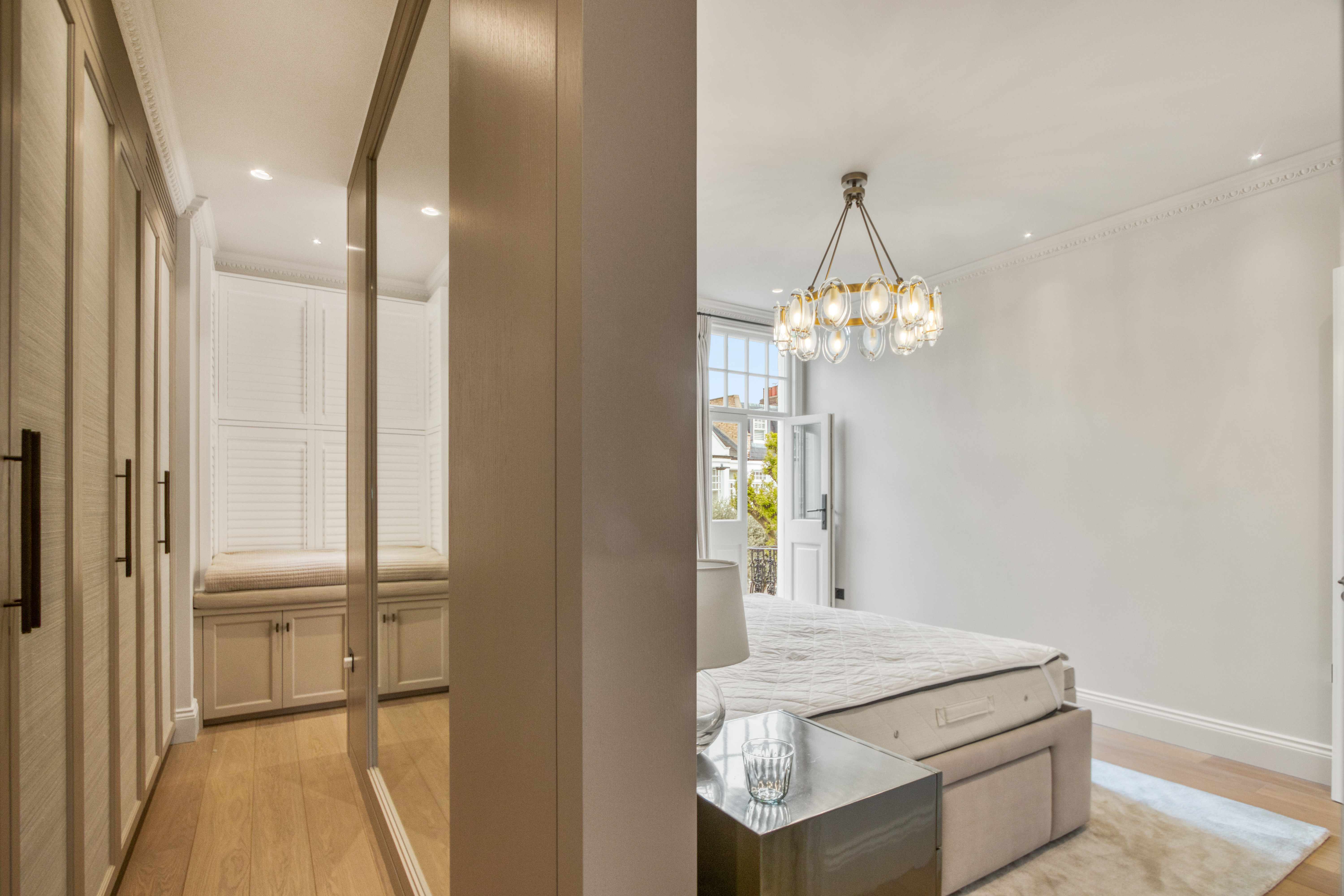
Contemporary custom built wardrobes can incorporate a range of features that elevate everyday practicality well beyond what standard storage offers. Integrated LED lighting — whether as strips along hanging rails, shelf underlighting, or motion-sensor systems that activate when doors are opened — transforms a wardrobe from a functional box into a considered space. Soft-close doors and drawers reduce noise and wear, contributing to both the quality of day-to-day experience and the longevity of the unit itself.
Built-in mirrors, whether on door fronts or within the interior, are a practical luxury that removes the need for a separate dressing mirror. A pull-out dressing table integrated into the base of the wardrobe is a particularly intelligent solution for smaller rooms where a freestanding vanity would take up too much floor space. Valet rods — small pull-out bars for laying out the following day’s outfit — and integrated charging points for devices are among the more contemporary additions that reflect how wardrobes are increasingly being designed around modern routines rather than simply around clothing.
Planning and Decision-Making
Before approaching a designer or wardrobe company, it is worth investing some time in honest self-assessment. The most useful starting point is identifying where your current storage is genuinely failing — which surfaces are perpetually cluttered, which items are difficult to find or access, and which parts of your room feel inefficient. This gives any designer a clear brief to work from rather than a blank canvas.
Accurate measurements are equally important, including ceiling height, the position of any skirting boards, light switches, radiators, or power sockets that may affect the design, and any structural irregularities that need to be accommodated. From there, it is worth separating must-have features (a specific amount of long-hang space, for instance, or a particular number of drawers) from elements that would be desirable but are not essential.
When communicating with a designer, detailed sketches, lifestyle descriptions, and an in-person site visit all contribute to a more accurate and well-considered outcome. The more clearly you can articulate how you use your wardrobe day-to-day, the more effectively a specialist can translate that into a design that works for you.
Budget, Quality, and Value
The cost of custom made wardrobes varies considerably depending on a number of factors. Size is the most obvious — a full wall of fitted storage will naturally cost more than a single alcove unit. Material choice plays a significant role: solid wood and premium veneers sit at the higher end of the market, while laminates offer a more accessible price point without necessarily compromising on visual quality. The complexity of the design matters too — a straightforward reach-in wardrobe with standard internals costs less than a fully fitted walk-in closet with integrated lighting, bespoke joinery, and premium hardware throughout.
At the budget end of the spectrum, laminate finishes and simpler internal configurations can deliver a clean, functional result that is far superior to flat-pack alternatives. At the premium end, high-end bespoke built in wardrobe solutions using hand-finished veneers, solid drawer boxes, and quality ironmongery come with a higher initial investment but are built to last significantly longer and carry warranty coverage that reflects the quality of the craftsmanship. Evaluating quality through construction standards, material specification, and guarantees is the most reliable way to assess whether a quote represents genuine value rather than simply a low price.
Working With Professionals vs DIY Components
For straightforward spaces and tighter budgets, modular fitted wardrobe systems — available from a number of specialist retailers — can approximate the look of custom built wardrobes at a lower cost. These systems offer more flexibility than fully freestanding furniture and can be configured to suit a range of room sizes, though they are still constrained by standard module dimensions and will struggle to accommodate genuinely irregular spaces.
For complex rooms, high-end results, or truly bespoke outcomes, working with a professional designer and installer is almost always the better route. Specialists bring the expertise to handle intricate spatial challenges, produce a finish that modular systems cannot replicate, and take responsibility for the entire process from design through to installation. The investment is higher and the lead time longer, but the result is a wardrobe built precisely for your space and your life — not adapted from a standard format.
| Approach | Pros | Cons |
|---|---|---|
| Specialist Professional | Perfect fit, high-end results, complex spaces handled with expertise | Higher cost, longer installation lead time |
| Modular / DIY Systems | More budget-friendly, quicker to install | Limited customisation, poor fit in irregular spaces |
Maintenance and Longevity
One of the less-discussed advantages of a well-designed bespoke built in wardrobe is how much easier it is to keep clean and functional over time. Because fitted wardrobes leave no gaps above or behind them, dust and damp have far fewer opportunities to accumulate — a meaningful practical benefit in older London properties where air circulation can be limited. Soft-close hinges and drawer runners reduce the mechanical wear that comes from daily use, helping the unit retain its quality feel for longer.
In terms of ongoing care, the habits required are minimal. Wood veneers benefit from gentle wiping with a slightly damp cloth, while interior shelves and rails can be vacuumed or wiped down seasonally. Investing in quality ironmongery at the outset — drawer runners, hinges, and door mechanisms from reputable manufacturers — pays dividends over time, since these are the components that receive the most daily stress and are the most likely to show wear in cheaper products.
Conclusion
Custom made wardrobes represent one of the most genuinely transformative investments you can make in your home. They solve real, persistent storage problems, make the most of space that standard furniture simply cannot use, and deliver a finish that elevates the look and feel of an entire room. Whether you are drawn to the clean lines of a handleless modern design, the warmth of a classic shaker-style bespoke built in wardrobe, or the immersive luxury of a fully fitted walk-in closet, the breadth of built wardrobe ideas available means there is a solution to suit every lifestyle, every room size, and every budget.
The best starting point is always a clear understanding of what you need, an accurate picture of your space, and an honest conversation with someone who knows how to turn both into a wardrobe that works. If you are ready to explore what a bespoke fitted wardrobe could look like in your London home, get in touch with the team at Mimar to discuss your project.