
Table of Contents
- Introduction: The Art of Bespoke Carpentry in London
- Benefits of Choosing Bespoke Carpentry in London
- Range of Bespoke Carpentry Services in London
- Understanding Bespoke Joinery London
- Distinctions Between Carpentry and Joinery
- Materials, Craftsmanship and Design Options
- Key Considerations When Selecting a Provider
- London Trends and Inspirations in Bespoke Woodwork
- The Value of Bespoke Carpentry and Joinery
- Conclusion: Transforming London Spaces
Introduction: The Art of Bespoke Carpentry in London
In the diverse architectural landscape of London, where Georgian townhouses stand alongside Victorian terraces and contemporary apartments, bespoke carpentry has emerged as an essential craft for homeowners and businesses seeking personalized wooden elements that perfectly complement their spaces. Bespoke carpentry in London refers to the design and creation of custom-made woodwork solutions—from fitted wardrobes and kitchen cabinets to unique storage systems and statement furniture—crafted specifically to a client’s requirements, tastes, and spatial constraints.
The growing popularity of bespoke joinery London services stems from the city’s unique architectural diversity and the increasing value placed on personalization, space optimization, and enduring quality. In a metropolis where space comes at a premium and character is cherished, having carpentry work tailored to exact specifications has become not just a luxury but a practical necessity for many.
London’s rich design heritage combined with its forward-thinking approach to interiors has created the perfect environment for bespoke carpentry to flourish. Unlike mass-produced alternatives, bespoke carpentry offers a level of craftsmanship, attention to detail, and customization that resonates with discerning Londoners who understand that well-crafted wooden elements can transform a living or working space. For those interested in ensuring their interiors are not only bespoke but also truly reflect their personality and lifestyle, bespoke interior design in London can offer inspiration and practical guidance on integrating custom-made furniture and luxury finishes.
This comprehensive guide explores the world of bespoke carpentry and joinery in London—what it entails, why it’s worth considering, and how it can elevate your property to new heights of functionality, beauty, and value.
Benefits of Choosing Bespoke Carpentry in London
When considering woodwork for your London property, the choice between off-the-shelf solutions and bespoke carpentry presents a significant decision. The advantages of choosing customized carpentry for London properties extend far beyond mere aesthetics, offering practical and financial benefits that make it a worthwhile investment.
Tailored Design for London’s Unique Spaces
London properties are known for their architectural quirks—awkward corners, unusual layouts, period features, and varying ceiling heights. Bespoke carpentry excels in these environments by providing made-to-measure solutions that perfectly fit these unique spaces. Rather than compromising with standard sizes that waste space or fail to integrate properly, custom designs ensure every millimeter is utilized effectively.
For homes with period features like ornate cornices, sloping ceilings, or chimney breasts, bespoke carpentry can be designed to complement rather than compete with these elements, preserving the character of the property while adding functionality.
Maximizing Space Efficiency in Compact London Living
With London’s notoriously high property prices, making the most of available space is paramount. Bespoke carpentry and joinery london specialists excel at space optimization through:
- Floor-to-ceiling storage that maximizes vertical space
- Under-stairs solutions that transform previously unused areas
- Multipurpose furniture that adapts to different needs
- Custom built-ins that utilize awkward corners and alcoves
These custom solutions can effectively increase the usable space within a property, making smaller London homes feel more spacious and functional—an essential consideration as you plan for the practicalities of putting your project together, including ensuring all permissions and logistics are in place before work begins.
Enhanced Property Value
Investment in high-quality bespoke carpentry and joinery can significantly increase a property’s market value. In London’s competitive real estate market, homes with bespoke joinery and carpentry solutions can command up to 12% higher resale values, according to industry reports. Buyers are increasingly willing to pay a premium for properties with well-executed, custom-built elements that offer both aesthetic appeal and practical functionality. If your focus is on maximizing value and sophisticated finishes, expert interior design services may further elevate your property’s appeal.
Superior Durability and Longevity
Bespoke carpentry typically utilizes higher-grade materials and superior construction methods compared to mass-produced alternatives. This quality difference translates to significantly longer-lasting pieces that can withstand daily use and maintain their appearance for decades.
As Adam Hope Carpentry notes, properly crafted bespoke furniture often becomes a family heirloom rather than a disposable item, offering better value over time despite the higher initial investment. When making environmentally responsible choices, you might also consider approaches from eco-friendly refurbishments for sustainable living in London, such as using sustainable materials in your bespoke projects.
Expert Insight
While mass-produced furniture typically lasts 7-15 years, well-crafted bespoke carpentry can last generations with proper care. This longevity makes it not only an aesthetic choice but also an environmentally responsible one, reducing the need for replacement and the associated waste.
Personal Satisfaction and Exclusivity
Perhaps the most intangible yet meaningful benefit of bespoke carpentry is the personal satisfaction derived from living or working in a space that perfectly reflects individual taste, requirements, and lifestyle. In a city as diverse and creative as London, having unique, luxury finishes that stand apart from standardized options allows for genuine self-expression through your living environment. Exploring bespoke interior design concepts might further inspire your journey to create exclusive and meaningful living spaces.
Range of Bespoke Carpentry Services in London
London’s bespoke carpentry scene offers an extensive range of services to meet virtually any requirement for custom woodwork. Understanding the breadth of available options helps homeowners and businesses envision the possibilities for their own spaces.
Fitted Storage Solutions
One of the most popular bespoke carpentry services in London focuses on maximizing storage through custom-built solutions:
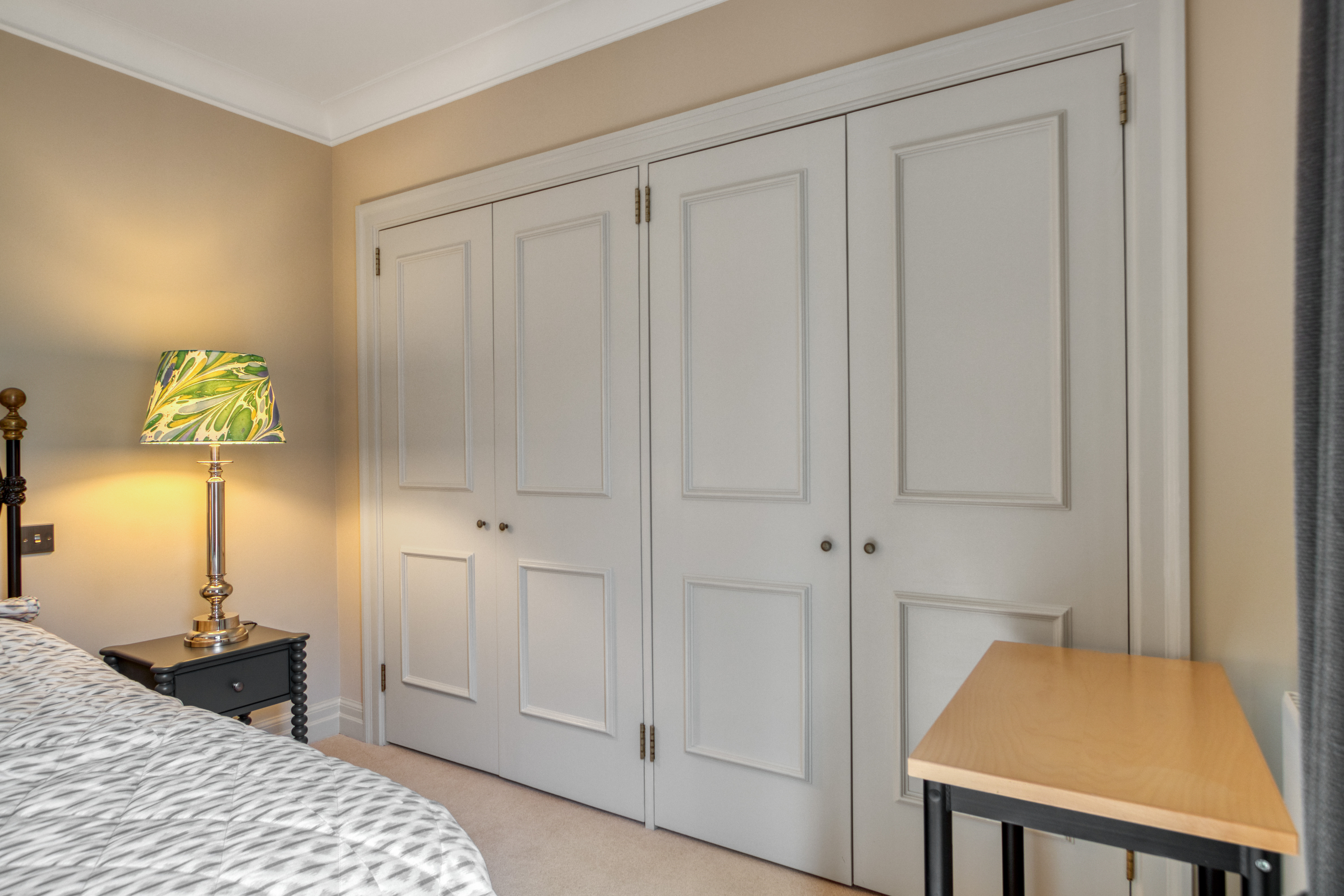
- Fitted wardrobes: Custom-designed to the exact dimensions of your space, with personalized internal configurations including hanging space, shelving, drawer units, and specialized storage for accessories.
- Alcove units and bookcases: Perfect for London’s period properties with chimney breasts and recessed areas, these made-to-measure pieces transform awkward spaces into functional storage.
- Under-stairs storage: Converting this often-wasted space into pull-out drawers, cupboards, or even compact workstations.
These storage solutions differ significantly from standard options by providing a perfect fit to the room’s dimensions, with no wasted space and a seamless integration with the property’s existing features.
Bespoke Furniture
London carpenters create custom furniture pieces tailored to specific requirements:
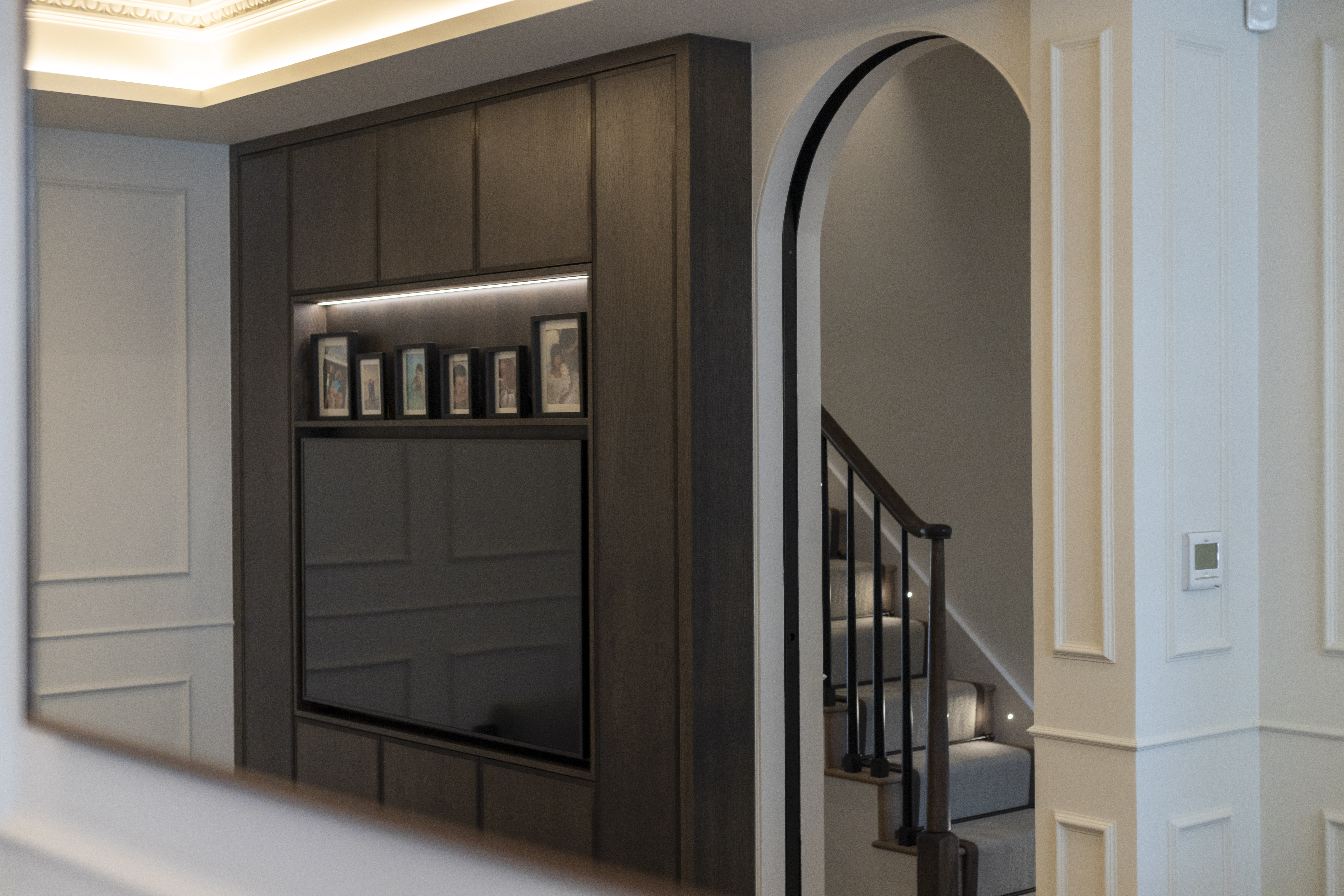
- Media units designed to house specific equipment and technology
- Dining tables and chairs crafted to fit unusual dining spaces
- Desks and home office solutions that maximize productivity in compact areas
- Bespoke beds with integrated storage or specific design features
If you are particularly interested in how handcrafted pieces such as kitchens combine bespoke fit with character and practicality, you will find valuable insights in The Art of Creating Handmade Kitchens, which explores the benefits and value of bespoke kitchens in London homes.
Architectural Features and Decorative Elements
Beyond functional pieces, bespoke carpentry in London extends to architectural and decorative elements that enhance a property’s character:
- Custom paneling and wainscoting
- Bespoke staircases and balustrades
- Decorative cornices and moldings
- Feature walls and room dividers
- Radiator covers that blend seamlessly with interior design schemes
According to Building Vision London, these architectural elements can transform ordinary spaces into distinctive environments that reflect both personal style and the property’s architectural heritage. To achieve successful transformation, clear communication between designer, client, and builder is key—discover more about these processes in ensuring architect–client–builder communication for your project.
Commercial Bespoke Carpentry
London businesses also benefit from bespoke carpentry services tailored to commercial needs:
- Retail display units and shop fittings
- Restaurant and bar furnishings
- Office furniture and storage systems
- Reception desks and waiting area installations
These commercial applications often require specialized knowledge of durability requirements, public safety standards, and brand aesthetics—areas where experienced bespoke carpenters excel. If you wish to understand how innovative building approaches and the adoption of new materials can further elevate your commercial project, read about imagination and innovation in building bigger and better.
Understanding Bespoke Joinery London
While bespoke carpentry and joinery are often mentioned together and share many similarities, understanding the distinction between them helps clients appreciate the full spectrum of custom woodwork available in London.
Bespoke joinery in London focuses on more intricate woodwork, often involving complex joints and detailed craftsmanship. Joinery traditionally refers to the art of joining pieces of wood to create more elaborate structures without using nails, screws, or other metal fasteners—relying instead on precision-cut joints that interlock.
The Role of Skilled Joiners
Skilled joiners specialize in creating:
- Custom doors and windows with traditional joinery techniques
- Bespoke staircases with complex structural requirements
- Detailed architectural features like paneling and trim
- Furniture requiring intricate joints (dovetail, mortise and tenon, etc.)
As Tucker Joinery explains, the precision and expertise required for high-quality joinery work demands specialized training and experience, particularly when working with period properties or creating heritage-style features.
Complementary Crafts
In modern London practice, the lines between bespoke joinery and carpentry often blur, with many professionals skilled in both areas. The two crafts frequently complement each other on projects, with joiners creating detailed components that carpenters then incorporate into larger installations. Coordinating these disciplines effectively and communicating progress can be achieved by following tips from effective architect-client-builder communication strategies.
For clients seeking comprehensive woodwork solutions, this integration of skills ensures that everything from detailed decorative elements to larger structural components receives the appropriate level of craftsmanship.
Distinctions Between Carpentry and Joinery
Understanding the differences between various types of woodwork helps clients choose the right service for their specific needs. The following table clarifies the distinctions between bespoke carpentry, bespoke joinery, and general joinery in the London market:
| Feature | Bespoke Carpentry | Bespoke Joinery | General Joinery |
|---|---|---|---|
| Typical Projects | Fitted furniture, storage solutions, interior features | Windows, doors, staircases, architectural details | Standard windows, doors, frames with limited customization |
| Level of Customization | High – tailored to space and client requirements | Very high – includes detailed specifications and unique designs | Limited to standard sizes and designs with minor adjustments |
| Craftsmanship Complexity | Skilled construction and fitting | Highly skilled, detailed joint work and fine finishing | Skilled but often using standardized techniques |
| Integration with Property | Designed to work with existing space | Often integrates with structural and architectural elements | Typically standalone items fitted to existing openings |
| Price Point in London | Premium | High premium | Standard to moderate premium |
In London’s high-end residential and commercial markets, projects often involve both bespoke carpentry and joinery london specialists working in tandem to deliver comprehensive wood solutions that combine functionality, aesthetics, and architectural integration. Before launching a significant construction or joinery project, remember the importance of planning, permissions, and site surveys, as these are essential for smooth project execution.
Materials, Craftsmanship and Design Options
The quality of materials and craftsmanship fundamentally distinguishes bespoke carpentry and joinery from mass-produced alternatives. In London’s premium market, clients have access to an extensive range of options that influence both the appearance and longevity of the final product.
Premium Wood Options
London’s bespoke carpentry and joinery workshops typically offer an extensive selection of woods:
- Hardwoods: Oak, walnut, maple, cherry, and ash remain perennially popular choices for their durability and distinctive grain patterns. European oak is particularly favored for its stability and timeless appeal.
- Exotic woods: For distinctive projects, woods like zebrano, wenge, or figured maple provide striking visual impact.
- Sustainable options: Responsibly sourced timber with FSC or PEFC certification has become increasingly important to environmentally conscious London clients. For more tips on living sustainably during refurbishments, check out our eco-friendly guide to sustainable living in London.
- Engineered woods: For certain applications, high-quality plywood, MDF, or HDF cores with premium veneers offer stability and cost-effectiveness without compromising appearance.
Craftsmanship Details
The level of craftsmanship in bespoke work encompasses several key elements:
- Joinery techniques: Traditional methods like dovetail joints for drawers, mortise and tenon joints for frames, and finger joints for boxes ensure structural integrity and visual refinement.
- Hand-finishing: Skilled hand-sanding and multiple layers of protective finishes create depth and character impossible to achieve with mass production.
- Hardware integration: From concealed hinges and soft-close mechanisms to traditional brass fixtures, hardware is selected to complement both function and aesthetic.
Finish Options
London clients can choose from a wide range of finishing approaches:
- Natural oil finishes that enhance the wood’s natural beauty and can be easily maintained
- Hand-painted finishes in any color, often using specialist paint brands like Farrow & Ball or Little Greene
- Stained finishes that alter the wood’s color while preserving grain visibility
- Lacquered finishes for maximum durability and distinctive appearances, from matte to high gloss
- Distressed or aged finishes for period-appropriate character
These options allow for perfect coordination with existing interiors or the creation of striking contrasts, depending on the client’s vision. To ensure that choice of finish and material matches your home’s interior concept, bespoke interior design services can provide tailored recommendations.
Design Consideration
When selecting materials and finishes, consider not just current design preferences but the long-term flexibility of the piece. Neutral woods like oak or walnut tend to adapt well to changing décor schemes, while highly specific finishes might limit future adaptability.
Key Considerations When Selecting a Provider
With numerous bespoke carpentry and joinery providers across London, selecting the right specialist for your project requires careful consideration of several factors.
Quality Credentials and Experience
Verify the quality of materials and construction through:
- Portfolio review: Examine past projects similar to your requirements
- Workshop visits: When possible, visit the workshop to observe craftsmanship firsthand
- Material sourcing policies: Inquire about timber quality, sustainability, and material grades
- Specialist expertise: Some workshops excel in particular styles (contemporary, period, etc.) or specific types of projects
Kent Carpenters suggests requesting detailed information about construction methods and materials as a way to assess quality commitment. Before you engage a provider, it’s wise to consult practical guides about permissions, quotations, and checking certifications.
Reputation and Reviews
In London’s competitive market, reputation is a valuable indicator:
- Client testimonials specific to London projects
- Independent reviews on trusted platforms
- Industry recognition or awards
- Longevity in the London market (established businesses tend to have proven track records)
Process Transparency
A transparent process indicates professionalism and reduces the risk of miscommunication:
- Detailed initial consultations to understand requirements
- Clear design development process with client approval stages
- Comprehensive quotations breaking down costs
- Realistic timelines with milestone commitments
- Regular communication throughout the project
As Building Vision London notes, transparent communication from the outset helps establish realistic expectations and prevents disappointment. For more on staying in sync with your team, see the advice on effective communication between architect, client, and builder.
Aftercare and Guarantees
Quality providers stand behind their work with:
- Written guarantees for workmanship and materials
- Aftercare services for maintenance or adjustments
- Clear policies for addressing any issues that might arise
Tucker Joinery emphasizes that aftercare is a critical component of the service relationship and should be established before project commencement.
London Trends and Inspirations in Bespoke Woodwork
London leads the way in innovative approaches to bespoke carpentry and joinery, with several distinct trends emerging in recent years.
Multifunctional and Space-Saving Solutions
With London’s space constraints, multifunctional furniture has become increasingly popular:
- Home office solutions that can be concealed when not in use
- Guest beds integrated into living area furniture
- Dining areas that transform into workspaces
- Sliding or folding elements that allow spaces to be reconfigured
Industry data suggests that approximately 70% of bespoke carpentry commissions in London now include some form of built-in storage, reflecting the premium placed on space efficiency. If you are curious about how bespoke woodwork is shaped by interior trends—such as multifunctional spaces, smart home integration, and sustainable materials—delve into current bespoke interior design trends in London.
Integrated Technology
Modern bespoke joinery increasingly incorporates technology:
- Integrated charging stations and cable management
- Hidden audiovisual equipment
- Smart lighting within cabinetry
- Motorized elements for easier access or space transformation
Sustainable and Biophilic Design
Environmental consciousness has significantly influenced London’s bespoke woodwork scene:
- Increased use of sustainably sourced timber with verified provenance
- Natural, low-VOC finishes that minimize environmental impact
- Designs that incorporate living elements or connect to nature
- Upcycling or incorporating reclaimed timber into new pieces
Trade Flooring UK reports that eco-conscious materials and approaches have seen a 40% increase in demand over the past three years in London’s bespoke joinery market. To implement these trends into your own renovation, review the principles from our guide to eco-friendly refurbishments and sustainable living.
Blending Traditional and Contemporary
London’s architectural diversity has inspired crossover styles:
- Contemporary interpretations of traditional joinery details
- Modern materials combined with traditional craftsmanship
- Clean, minimal designs that respect period contexts
- Statement pieces that provide contrast within traditional settings
These hybrid approaches allow London homeowners to honor architectural heritage while creating spaces that meet contemporary lifestyle needs. Staying ahead of design innovation requires continuous learning—something emphasized in embracing imagination and innovation in building and construction.
The Value of Bespoke Carpentry and Joinery
Beyond the immediate aesthetic and functional benefits, bespoke carpentry and joinery in London offer substantial long-term value that merits consideration.
Investment Perspective
From a financial standpoint, quality bespoke woodwork represents an investment in the property:
- Enhanced resale potential, with estate agents often highlighting bespoke elements in property marketing
- Longevity that eliminates the need for frequent replacement
- Adaptability to changing needs, often requiring only minor modifications rather than complete replacement
While the initial outlay exceeds off-the-shelf alternatives, the per-year cost over the lifetime of the installation often proves more economical, particularly in London’s premium property market. To maximize return on bespoke elements, working closely with experts in bespoke luxury interior design can contribute to enhanced marketing and future appeal.
Personal Value
The less tangible but equally important personal benefits include:
- Daily satisfaction from surroundings that precisely meet your needs
- Reduced frustration from poorly fitted or inadequate storage
- Pride in unique, high-quality elements that reflect personal taste
- Connection to traditional craftsmanship in an increasingly mass-produced world
Adam Hope Carpentry observes that clients consistently report higher satisfaction with bespoke solutions compared to standard alternatives, even years after installation. The kitchen is often the heart of bespoke value—discover the art and advantage of handmade kitchens in London if you are considering a kitchen project.
Conclusion: Transforming London Spaces
The art of bespoke carpentry and joinery continues to thrive in London, offering unmatched quality, customization, and character to homes and businesses across the capital. From maximizing space in compact city apartments to restoring period features in historic properties, skilled craftspeople create wooden elements that perfectly balance form and function.
Whether you’re considering built-in storage to optimize a challenging space, statement furniture that expresses your personal style, or architectural features that enhance your property’s character, bespoke joinery london specialists provide solutions tailored to your exact requirements—avoiding the compromises inevitable with off-the-shelf alternatives. Achieving a successful outcome requires not only detailed craftsmanship, but also careful project planning and clear communication between all stakeholders—learn how to achieve that in ensuring architect–client–builder communication works.
The investment in bespoke carpentry delivers long-term value through durability, space efficiency, and enhanced property appeal. As London’s property market continues to place a premium on quality and character, well-executed bespoke elements increasingly represent not just a lifestyle choice but a sound financial decision. If you wish to expand your renovation with sustainable choices for energy, insulation, and materials, don’t miss Mimar’s guide to sustainable living in London.
For those embarking on renovation or improvement projects in London, exploring the possibilities of bespoke carpentry opens doors to transformative solutions that honor both the property’s character and the owner’s vision—creating spaces that are not just functional but truly exceptional. For a comprehensive take on project management, permissions, and builder/team selection from start to finish, see Practicalities: Putting the Pieces of Your Project Together. And to ensure your project incorporates the latest industry approaches and inspires your construction team, be sure to review innovation and imagination in building bigger and better.