
Table of Contents
- Introduction to Mansard Loft Conversions
- Definition and Unique Characteristics
- Mansard vs Other Loft Conversion Types
- Key Features and Benefits
- Ideal Properties for Mansard Conversions in London
- Planning Permission and Regulations
- Real-Life Applications and Success Stories
- Design Ideas and Inspiration
- Cost and Value Considerations
- Conclusion
Introduction to Mansard Loft Conversions
Mansard loft conversions represent one of the most transformative ways to expand your London home, offering unparalleled space and versatility compared to other loft conversion styles. Named after the 17th-century French architect François Mansart, these conversions have become increasingly popular in urban areas where space is at a premium and extending outward isn’t an option. By dramatically altering the roof structure, mansard loft conversions create what essentially feels like an entire additional floor rather than merely a converted attic space.
For homeowners seeking to maximize both headroom and floor space within their existing property footprint, mansard loft conversions offer an elegant solution that works particularly well with London’s architectural heritage. In this comprehensive guide, we’ll explore what sets mansard loft conversions apart from alternatives like dormer, velux, and l shaped loft conversions, helping you understand whether this premium conversion style might be the right choice for your home. If you’re interested in a broader overview of everything London homeowners need to know about loft conversion, including costs and other design ideas, be sure to read our full guide.
Definition and Unique Characteristics of Mansard Loft Conversions
A mansard loft conversion involves a significant structural transformation of your existing roof into a design characterized by two key elements: a steeply sloped rear wall (typically constructed at a 72-degree angle) and a flat or very gently sloping roof on top. This distinctive configuration is what gives mansard conversions their exceptional spaciousness and distinctive appearance.
The near-vertical wall design is the conversion’s most defining feature, as it maximizes the available headroom throughout the new living space. Unlike other loft conversion types that work within the constraints of the existing roof pitch, a mansard conversion essentially replaces the entire roof structure on one or more sides of the property. The result feels less like an attic and more like a proper additional storey to your home.
Origins of the Name
The term “mansard” comes from François Mansart (1598-1666), the influential French architect who popularized this roof style during the Baroque period. The design later became a signature element of Parisian architecture during the 19th-century reconstruction of the city under Napoleon III.
Typical features of a mansard loft conversion include:
- Near-vertical walls (usually at a 72° angle) that maximize the usable floor area
- Flat or minimally pitched top roof section that provides consistent ceiling height throughout
- Dormer windows that bring abundant natural light into the space
- Structural reinforcement to support the new configuration
- Traditional appearance that often complements period properties
While other loft conversion types might add usable space within your existing roof, a mansard conversion creates what feels like a genuine extra floor. This distinctive approach makes it particularly suitable for properties where maximum space gain is the priority, especially in densely populated urban areas like London where property values make every square foot valuable. For those with smaller homes, you may also want to explore creative ideas for small loft conversions to maximize space and value for attic and bungalow properties.
Mansard vs Other Loft Conversion Types
Understanding how mansard loft conversions compare to other popular styles can help clarify which option best suits your property and needs. Each conversion type offers different advantages in terms of space, cost, appearance, and planning requirements. To dive deeper into permitted development criteria and rules that often affect dormer and velux styles, see our complete overview on loft extension permitted development in London.
| Feature | Mansard Conversion | Dormer Conversion | L Shaped Conversion | Velux Conversion |
|---|---|---|---|---|
| Roof Structure | Complete restructuring with 72° wall and flat top | Box extension from sloped roof | Combines rear and side dormers in L-shape | Preserves existing roof structure |
| Space Gained | Maximum headroom and floor space | Good headroom in extended area | Extensive space in properties with suitable layout | Limited to existing roof pitch |
| Typical Cost | £45,000-£70,000+ | £30,000-£50,000 | £40,000-£65,000 | £15,000-£25,000 |
| Planning Permission | Almost always required | Often permitted development | Usually required | Rarely required |
| External Appearance | Significant change to roofline | Visible box extension | Substantial change to rear/side profile | Minimal external change |
The primary distinctions between these conversion types lie in the extent of structural changes and the resulting space. Mansard conversions involve the most comprehensive restructuring, essentially creating an entirely new roof profile. While this requires greater investment and planning permission, it yields the most generous living space.
Dormer loft conversions extend from the existing roof slope with a box-like structure, providing additional headroom but not as much as a mansard. They’re less expensive and often fall under permitted development rights, making them a popular middle-ground option.
L shaped loft conversions combine rear and side dormers to create an L-shaped layout, ideal for certain Victorian or Edwardian properties. These offer substantial space but require a suitable property configuration and generally need planning permission.
Velux conversions (also called roof light conversions) are the least invasive, simply adding windows to the existing roof without altering its structure. While most affordable and rarely requiring planning permission, they provide the least additional space and work best in properties with already generous loft headroom.
Key Features and Benefits of Mansard Loft Conversions
Mansard loft conversions offer numerous advantages that make them particularly appealing to homeowners seeking to maximize their property’s potential:
Superior Space Creation: The steep-walled design of mansard conversions creates significantly more usable floor area than other conversion types. This allows for genuinely spacious rooms rather than awkward spaces with limited headroom. Many homeowners gain enough space for multiple rooms, such as a master bedroom with en-suite bathroom and perhaps a study area or dressing room.
Versatile Layout Options: The generous proportions and consistent ceiling height enable flexible floor plans. Whether you need additional bedrooms, a home office, entertainment space, or even a self-contained apartment, mansard conversions provide the necessary freedom to design spaces that truly meet your needs.
Substantial Value Addition: While more expensive to construct than other loft conversions, mansard conversions typically add considerable value to your property. In London’s competitive property market, the addition of what feels like a complete extra floor can significantly enhance your home’s market appeal and resale value. Property experts often cite mansard conversions as offering excellent return on investment, particularly in high-value areas.
Abundant Natural Light: The vertical wall design allows for the installation of conventional windows or even French doors with Juliet balconies, bringing significantly more natural light into the space than is possible with standard pitched roofs. This creates bright, welcoming spaces that feel like natural extensions of your home rather than converted attic areas.
Aesthetic Integration: Despite their transformative nature, mansard conversions can be designed to complement your property’s existing architectural style. For London’s many period properties, mansard conversions can be finished with traditional materials and details that respect and enhance the building’s heritage character.
Increased Energy Efficiency: The construction of a mansard conversion provides an excellent opportunity to improve your home’s thermal performance with modern insulation standards. This can reduce energy bills and improve comfort throughout the year. If you are interested in further improving energy efficiency, explore our tips on how to get loft insulation free in London and save on energy bills, including DIY options and grants.
Ideal Properties for Mansard Conversions in London
While mansard loft conversions can benefit many property types, they are particularly well-suited to certain homes and situations common in London:
Terraced and Semi-Detached Period Properties: London’s Victorian, Georgian, and Edwardian terraced houses are ideal candidates for mansard conversions. Their strong structural walls can support the new roof configuration, and the conversion often complements the original architectural style. Many neighborhoods in London already feature traditional mansard roofs, making planning permission potentially more straightforward.
Properties in Conservation Areas: In London’s numerous conservation areas, mansard conversions may be preferred by planning authorities over more modern-looking alternatives, provided they’re designed sympathetically. The traditional appearance of mansard roofs can preserve the architectural harmony of historically significant streets.
Homes with Limited Expansion Options: For London properties where extending outward isn’t possible due to small gardens or restrictive planning policies, expanding upward through a mansard conversion offers a valuable alternative. This is especially relevant in densely populated boroughs where space is at a premium.
Properties with Low Pitch Roofs: Homes with existing low-pitched roofs that would provide minimal headroom with other conversion types benefit particularly from the restructuring involved in a mansard conversion. For those interested in maximizing small or already-low attic spaces, we also have expert tips on small loft conversions including creative solutions for homes with minimal headroom.
Multi-Occupancy Requirements: For homeowners needing to accommodate extended family or considering creating rental income, the substantial space created by a mansard conversion can allow for semi-independent living areas with their own facilities.
Terraced House Advantage
In terraced houses, mansard conversions are often constructed on the rear slope only, preserving the front roofline while maximizing space where it’s less visible from the street. This approach can be more acceptable to planning authorities, particularly in conservation areas.
Planning Permission and Regulations for Mansard Loft Conversions
Unlike some simpler loft conversions that might fall under permitted development rights, mansard loft conversions almost always require planning permission due to the significant alterations they make to a property’s appearance and structure. This is an important consideration in your project timeline and budget. For a full explanation of loft extension permitted development in London including criteria, benefits, and expert tips for conversion under permitted development, visit our dedicated guide.
Planning Permission Requirements: The substantial change to your roof’s profile means that local planning authorities will need to approve your mansard conversion. Success often depends on local precedent—if neighboring properties have similar conversions, your application is more likely to be approved. In London, planning policies vary between boroughs, with some more receptive to mansard conversions than others.
Conservation Area Considerations: If your property is in one of London’s many conservation areas or is a listed building, additional restrictions may apply. Planning applications will need to demonstrate that the conversion respects the character of the area and the architectural integrity of the building. Using traditional materials and maintaining period details can help secure approval. For best results, consider working with an architect familiar with London’s planning process to navigate these local regulations efficiently.
Party Wall Agreements: For terraced or semi-detached properties, you’ll likely need party wall agreements with adjoining neighbors. This formal legal process protects both parties during construction and addresses any concerns about the impact of your project.
Building Regulations: Beyond planning permission, your mansard conversion must comply with building regulations covering structural integrity, fire safety, thermal efficiency, ventilation, and access. These technical standards ensure the new space is safe and habitable.
Professional Support: Given the complexity of planning for mansard conversions, professional assistance from architects experienced with local planning policies and loft specialists familiar with structural requirements is highly recommended. Their expertise can significantly increase the likelihood of planning approval and ensure a structurally sound design. Check out our detailed post on the benefits of an architect-led renovation, including design planning and navigating planning permissions in London.
Real-Life Applications and Success Stories
Across London, mansard loft conversions have transformed homes and enhanced lifestyles in numerous ways. These real-world applications demonstrate the versatility and impact of this conversion style:
Family Expansion: Many growing London families have used mansard conversions to create additional bedrooms and bathrooms, avoiding the disruption and expense of moving to a larger property. A typical example might include a master bedroom with en-suite bathroom, plus one or two additional bedrooms or a shared family bathroom.
Work-from-Home Solutions: The shift toward remote working has driven demand for dedicated home office spaces. Mansard conversions provide the perfect opportunity to create professional workspaces with abundant natural light and separation from the main living areas, supporting better work-life balance.
Multi-Generational Living: As housing costs rise, many families are accommodating adult children or elderly parents within their homes. Mansard conversions can create semi-independent living spaces with their own facilities, providing privacy and autonomy for all generations.
Rental Income Generation: Some homeowners use mansard conversions to create self-contained units that can be rented out, generating income that often helps offset the conversion costs. In London’s competitive rental market, well-designed loft apartments command premium rates.
Lifestyle Enhancement: Beyond practical considerations, mansard conversions have created stunning spaces dedicated to homeowners’ passions and interests—from art studios flooded with natural light to home cinemas, yoga studios, or luxurious primary suites that function as personal retreats.
In terraced properties across boroughs like Islington, Camden, and Hackney, mansard conversions have successfully added substantial value while respecting the architectural heritage of these areas. Case studies demonstrate that well-executed conversions can blend seamlessly with period features while delivering thoroughly modern living spaces. If you’re looking for more creative concepts, our blog on creative ideas for small loft conversions also features inspiring London examples.
Design Ideas and Inspiration for Mansard Loft Conversions
The spacious, light-filled environment created by a mansard conversion offers exciting design possibilities. Here are some popular approaches to maximizing the potential of your new space:
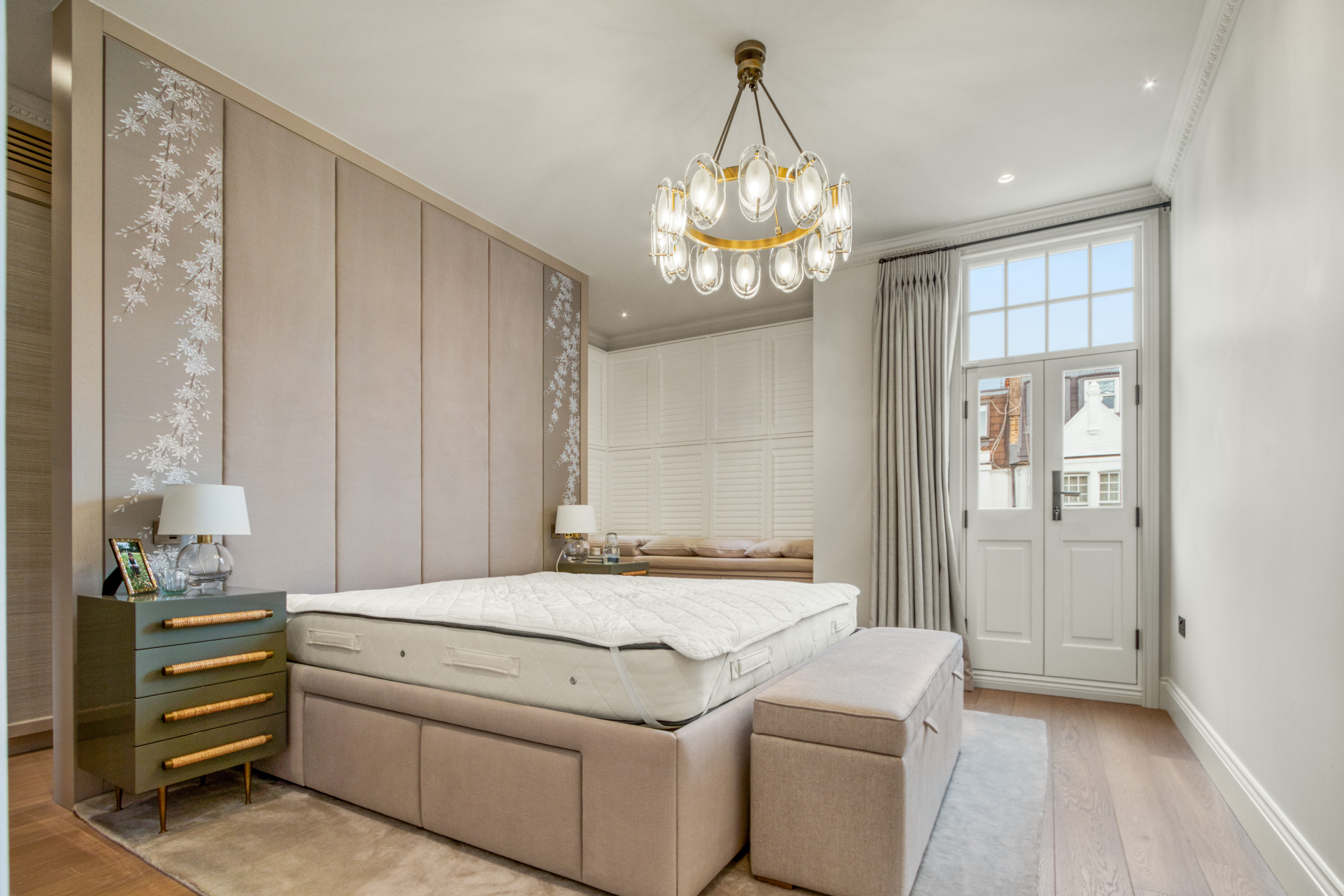
Luxury Primary Suites: Create a hotel-inspired retreat with a spacious bedroom area, walk-in wardrobe or dressing room, and an en-suite bathroom. The vertical walls of a mansard conversion allow for conventional furniture placement without the awkward angles found in other loft conversions.
Open-Plan Living: The generous proportions of mansard conversions can accommodate open-plan arrangements combining living, dining, and kitchen areas—ideal for entertainment or as a family gathering space separate from downstairs rooms.
Dual-Aspect Lighting: Maximize natural light by incorporating both dormer windows in the vertical wall and additional skylights in the flat roof section. This creates beautiful light patterns throughout the day and enhances the feeling of spaciousness.
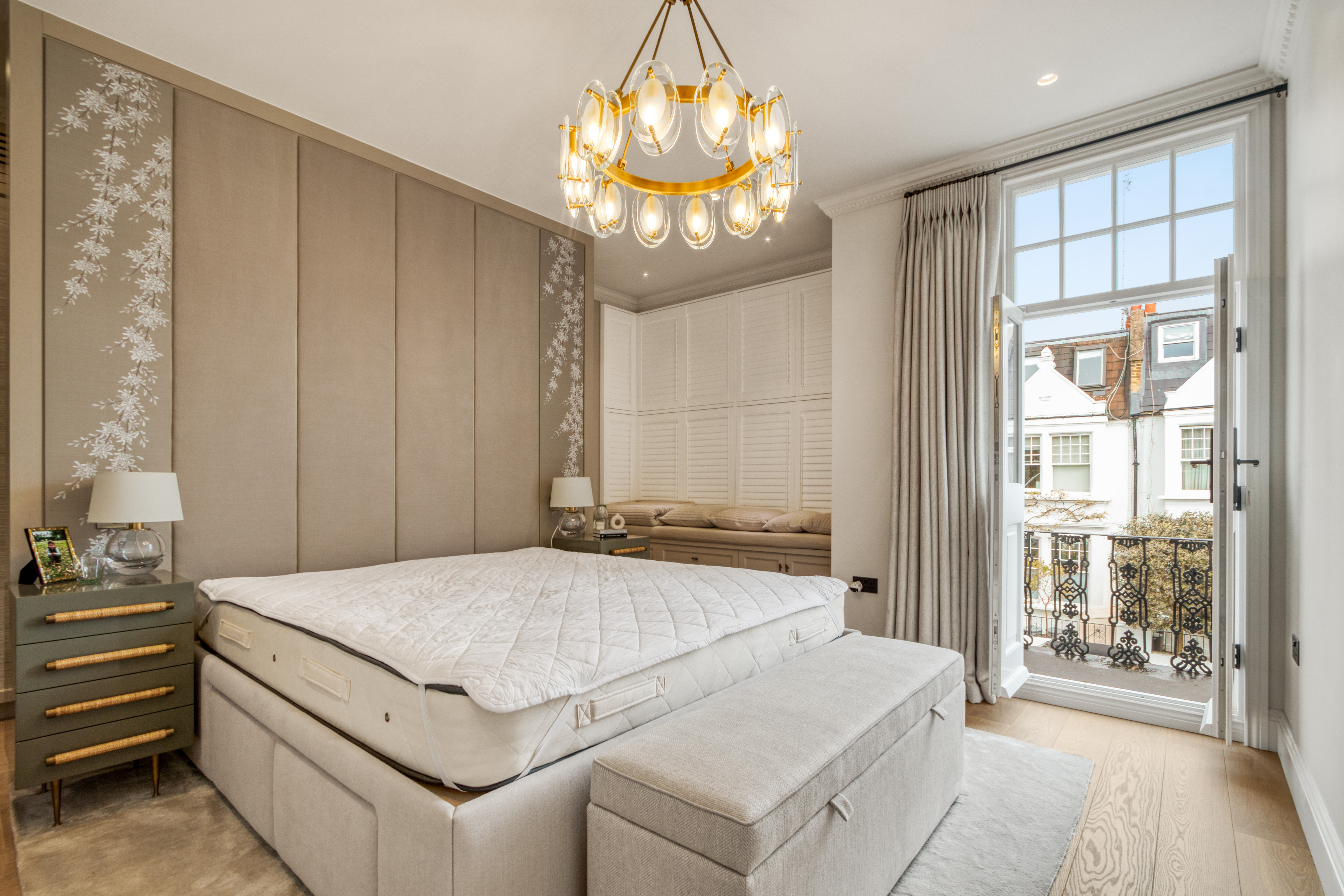
Indoor-Outdoor Connection: Where appropriate, consider French doors with a Juliet balcony to create a connection with outdoor views and bring in additional light and air. This works particularly well for rear mansard conversions with attractive garden or city views.
Exposed Structural Elements: Incorporating exposed beams or structural elements can add character while referencing the space’s origins as a loft. This works especially well in period properties where original features are valued.
Built-In Storage: Maximize functionality by incorporating bespoke storage solutions into eaves or awkward spaces. Custom-built wardrobes, bookcases, or window seats can transform potentially wasted areas into practical features. For even more inspiration and a broader look at the possibilities with loft conversions, read our complete guide to transforming unused space with a loft conversion.
Cost and Value Considerations
Mansard loft conversions represent a significant investment, but one that typically delivers substantial returns in terms of both lifestyle benefits and property value:
Typical Investment: In London, mansard conversions generally range from £45,000 to £70,000+ depending on size, specification, and complexity. This makes them among the most expensive loft conversion options, reflecting the extensive structural work involved. Factors affecting cost include:
- Property size and existing roof configuration
- Interior specification (bathroom installations, custom joinery, etc.)
- Structural requirements and access challenges
- Additional features like balconies or architectural details
Value Addition: Despite the higher initial investment, mansard conversions typically add significant value to London properties. Research suggests they can increase property value by 20-30%, often making them a sound financial decision in addition to their lifestyle benefits.
Return on Investment: The return on investment tends to be strongest in areas where property values are high and space is at a premium—conditions that apply across much of London. Property experts confirm that well-executed mansard conversions are among the most value-enhancing home improvements available. For those seeking additional tips on refining scope for value and design, considering working with an architect for refurbishment projects can help with budget optimization and project quality.
Cost-Saving Approaches: While mansard conversions require significant investment, certain strategies can help manage costs:
- Combining with other renovation work to share scaffolding and contractor costs
- Carefully phasing bathroom and kitchen installations
- Balancing premium finishes in key areas with more modest specifications elsewhere
- Choosing a specialist contractor experienced with this conversion type
Financing Options: Many homeowners fund mansard conversions through remortgaging, secured loans, or by releasing equity from their property. The potential value increase often makes this type of financing viable, especially in London’s strong property market. Additionally, incorporating energy-saving upgrades like insulation can make your investment even more cost-effective. Learn more in our article on how to get loft insulation for free in London.
Conclusion: The Unmatched Potential of Mansard Loft Conversions
Mansard loft conversions stand out as the premier option for homeowners seeking to maximize both space and value within their existing property footprint. While they require greater investment and planning consideration than simpler conversion types, they deliver unparalleled results in terms of usable space, design flexibility, and property enhancement.
For London homeowners, particularly those with period properties or homes in conservation areas, mansard loft conversions offer a way to create substantial additional living space while respecting architectural heritage. The vertical walls and flat roof design overcome the limitations of traditional loft conversions, creating rooms that feel like a natural extension of your home rather than a compromise.
Whether your priority is accommodating a growing family, creating dedicated work-from-home space, establishing rental income potential, or simply enhancing your lifestyle, mansard loft conversions provide the versatility and quality to achieve these goals. While dormer, velux, and l shaped loft conversions all have their place, none can match the transformative potential of a well-designed mansard conversion.
As London’s property market continues to evolve, with increasing emphasis on space, quality, and character, mansard loft conversions represent not just a practical solution to space constraints but a genuine opportunity to enhance both your daily living experience and your property’s long-term value. If you’re ready to transform your home and want expert advice at every step, our comprehensive posts on loft conversion transformation and working with architects for refurbishment will help guide you to your ideal result.