
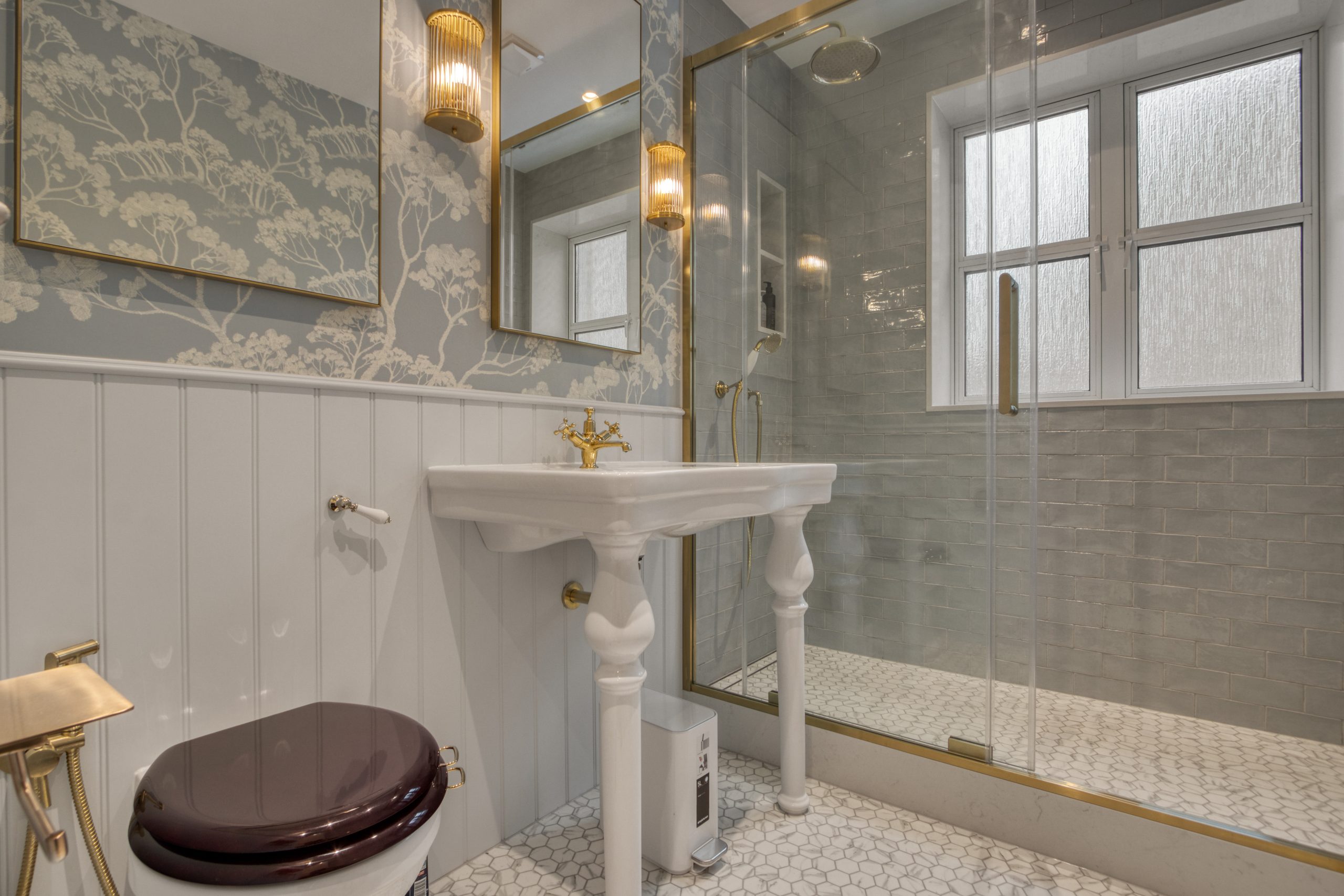
Table of Contents
- Introduction: Transform Your Bathroom into a Spa-Like Retreat
- Defining Bathroom Refurbishment in Residential Settings
- Why Homeowners Pursue a Bathroom Upgrade
- Assessing Your Current Bathroom and Setting Goals
- Design Inspiration for Your Spa-Like Bathroom
- Planning Your London Bathroom Refurbishment
- Essential Elements for a Luxury Bathroom Experience
- Practical Tips for a Smooth Bathroom Upgrade
- Budgeting for Your Bathroom Refurbishment
- Working with Residential Refurbishment Professionals
- Conclusion: Creating Your Personal Sanctuary
Introduction: Transform Your Bathroom into a Spa-Like Retreat
The bathroom has evolved far beyond its utilitarian origins to become one of the most important personal spaces in our homes. A thoughtfully executed bathroom refurbishment transforms an ordinary functional space into a sanctuary of comfort, relaxation, and rejuvenation. More than just a home improvement project, it’s a lifestyle upgrade that adds significant value to both your property and daily living experience.
Modern homeowners increasingly view their bathrooms as personal retreats—spaces that offer a temporary escape from the demands of busy London life. Like a private spa, a well-designed bathroom creates an atmosphere of tranquility and luxury that bookends your day with moments of self-care. Whether you’re preparing for a busy workday or unwinding in the evening, a beautifully refurbished bathroom elevates these daily rituals into experiences worth savoring.
Beyond the immediate pleasure of a more beautiful and functional space, a bathroom upgrade delivers tangible benefits: increased property value, improved energy efficiency, enhanced accessibility, and the personal satisfaction of having created a space that perfectly suits your needs and aesthetic preferences. In a city where space is at a premium, making the most of every room becomes essential—and few renovations offer the return on investment that a bathroom refurbishment does, both financially and in quality of life.
In this guide, we’ll walk you through everything you need to know to transform your ordinary bathroom into a spa-inspired retreat, from initial planning and design inspiration to practical execution and finishing touches. Whether you’re contemplating a modest update or a complete transformation, these insights will help you create a bathroom that combines luxury, functionality, and personal style.
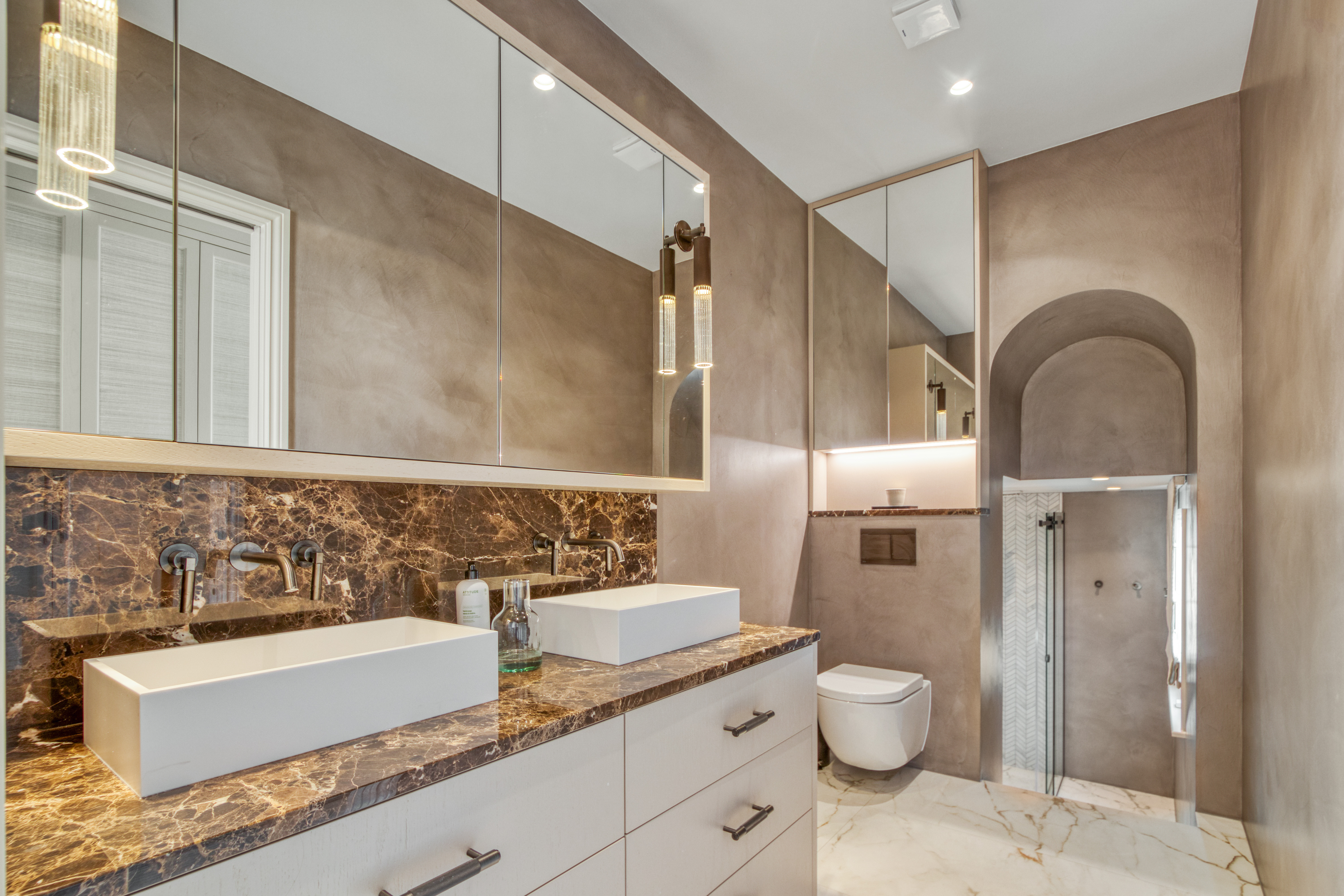
Defining Bathroom Refurbishment in Residential Settings
Before diving into your project, it’s important to understand what a bathroom refurbishment typically entails in a residential context, and how it differs from other types of bathroom projects.
A bathroom refurbishment generally refers to a significant upgrade of the existing space without fundamentally changing the room’s footprint or plumbing infrastructure. Unlike a simple cosmetic refresh (which might just involve repainting or replacing a few fixtures), a refurbishment involves more substantial changes to surfaces, fittings, and features. However, it stops short of a full renovation, which might include structural alterations, extensions, or completely reconfiguring the space.
A typical residential refurbishment might include:
- Replacing sanitaryware (toilet, sink, bath/shower)
- Installing new tiling on walls and floors
- Upgrading lighting fixtures and systems
- Adding or replacing cabinetry and storage solutions
- Installing new heating systems (such as underfloor heating)
- Updating taps and shower controls
- Enhancing ventilation
- Applying new decorative finishes
This level of work strikes an effective balance between transformation and practicality. It’s less invasive, time-consuming, and costly than a full renovation, yet delivers a substantially upgraded space that can dramatically improve your home’s comfort and value. For most homeowners seeking a bathroom upgrade or embarking on residential refurbishment projects, this approach offers the optimal blend of impact and investment. If you want to ensure every detail is personalized, consider learning more about bespoke interior design in London to achieve luxury finishes and unique furniture.
Project Scope Tip
When defining your bathroom refurbishment project, be clear about which elements you want to change and which can remain. This clarity helps with accurate budgeting and ensures all professionals involved have the same understanding of the project scope.
Why Homeowners Pursue a Bathroom Upgrade
Understanding the motivations behind bathroom refurbishment projects can help clarify your own goals. Here are the primary reasons London homeowners invest in bathroom upgrades, reflecting current trends in residential refurbishment:
Increased Property Value
A stylish, modern bathroom can add 4-5% to your home’s market value—a significant return on investment. In London’s competitive property market, an updated bathroom can be a decisive factor for potential buyers, making your property stand out and potentially selling faster. Real estate experts consistently identify bathrooms as one of the rooms that most influence purchasing decisions.
Enhanced Daily Experience
Beyond financial considerations, a refurbished bathroom elevates everyday routines. The difference between starting your day in an outdated, cramped bathroom versus a spacious, light-filled space with efficient fixtures and luxurious touches can significantly impact your mood and wellbeing. If your space is compact, check out these expert small bathroom remodeling tips for London homes to maximize functionality and comfort.
Energy Efficiency and Sustainability
Modern bathroom fixtures offer impressive water and energy savings. Low-flow toilets and taps, LED lighting, and efficient heating systems reduce utility bills while decreasing your environmental footprint. Many homeowners find that these savings contribute significantly to offsetting the cost of refurbishment over time. For a deeper dive into sustainable living and energy-saving ideas, visit our guide on eco-friendly refurbishments in London.
Improved Functionality and Storage
Older bathrooms often lack adequate storage and practical layouts. A thoughtful refurbishment can maximize even a compact space with custom vanities, recessed shelving, and clever storage solutions that keep necessities accessible while maintaining a clean, uncluttered look—a particularly valuable benefit in London’s often space-limited homes. Enhance this even further with bespoke carpentry solutions for storage and furniture that match your style and needs.
Safety and Accessibility Enhancements
As household needs evolve, bathrooms may require adaptations for comfort and safety. Features like walk-in showers, grab rails, non-slip flooring, and motion-activated lighting improve accessibility for all ages. Forward-thinking homeowners increasingly incorporate these elements into remodelling ideas, creating bathrooms that will serve them well for years to come.
Personal Expression and Style
Your bathroom should reflect your aesthetic preferences and lifestyle needs. A refurbishment allows you to create a space that resonates with your personal style, whether that’s minimalist and contemporary, classic and timeless, or boldly expressive. This personalization transforms a functional room into a meaningful part of your home.
Assessing Your Current Bathroom and Setting Goals
Before you begin selecting fixtures and finishes, a thorough assessment of your current bathroom will establish a solid foundation for your refurbishment project. This evaluation process helps identify priority areas for improvement and ensures your investment addresses actual needs rather than just aesthetic preferences. For a detailed checklist on project readiness—including surveys, permissions, and builder credentials—refer to this guide to project practicalities.
Evaluate Your Existing Space
Start with a comprehensive assessment of your bathroom’s current condition:
- Layout: Is the current configuration working? Are there awkward areas or wasted space?
- Plumbing and Electrical: Check for signs of leaks, poor drainage, inadequate water pressure, or outdated electrical systems that might need updating.
- Ventilation: Assess whether the current ventilation effectively manages moisture and prevents mold growth.
- Storage: Is there sufficient storage for your needs? Is it accessible and practical?
- Lighting: Evaluate whether the current lighting provides adequate illumination for different tasks and creates the right atmosphere.
- Fixtures and Fittings: Note the condition and functionality of sanitaryware, taps, shower systems, and other fixtures.
Identify Pain Points
Make a list of specific issues that frustrate you about your current bathroom, such as:
- Limited counter space
- Insufficient lighting
- Outdated or damaged fixtures
- Poor ventilation leading to dampness
- Inadequate heating in winter months
- Difficult-to-clean surfaces or features
- Lack of privacy
Set Clear Goals
With your assessment complete, establish specific goals for your bathroom upgrade. Categorize these as:
- Must-haves: Essential improvements that address functional issues or significant pain points
- Want-to-haves: Features that would enhance your experience but aren’t critical
- Dream elements: Luxury touches that budget permitting, would create a truly special space
Consider All Users
Think about who uses the bathroom now and who might use it in the future:
- Do you need child-friendly features?
- Should you incorporate accessibility features for aging in place?
- Is this a primary ensuite, family bathroom, or guest bathroom?
- Does it need to accommodate multiple users simultaneously?
This thorough assessment process ensures your refurbishment plan is realistic, addresses genuine needs, and aligns with your budget. It provides a clear roadmap for discussions with designers and contractors, helping you communicate your vision effectively and make informed decisions throughout the project.
Design Inspiration for Your Spa-Like London Bathroom
Creating a spa-inspired bathroom requires thoughtful attention to both aesthetics and atmosphere. The goal is to design a space that soothes the senses, promotes relaxation, and elevates everyday routines into luxurious rituals. Here’s how to capture that coveted spa feeling in your bathroom refurbishment:
Materials That Evoke Tranquility
The foundation of any spa-like bathroom is materials that connect with nature and create a sense of calm:
- Natural stone: Marble, travertine, or slate add organic texture and timeless elegance
- Wood accents: Teak, cedar, or oak elements bring warmth (ensure they’re properly treated for bathroom conditions)
- Glass: Frameless shower enclosures create a sense of spaciousness and light
- Porcelain: Large-format porcelain tiles can mimic natural materials while offering superior durability and maintenance
Calming Colour Palettes
Spas typically employ a restrained colour scheme that promotes relaxation:
- Soft neutrals: Whites, creams, beiges, and warm grays create a clean, timeless backdrop
- Gentle blues: Pale blue or aqua evokes water and sky
- Earthy tones: Soft greens, gentle terracottas, and sand tones connect with nature
- Monochromatic schemes: Using variations of a single color creates sophisticated harmony
The key is consistency—limit your palette to 2-3 primary colors to maintain a serene, cohesive environment. For bespoke palettes and custom finishes, consult our insights on personalized interior design for London homes.
Lighting for Atmosphere
Effective lighting transforms a bathroom’s ambiance and functionality:
- Layered lighting: Combine ambient, task, and accent lighting for flexibility
- Dimmable fixtures: Adjustable brightness allows you to shift from energizing morning light to relaxing evening glow
- Backlit mirrors: Provide even, flattering light for grooming tasks
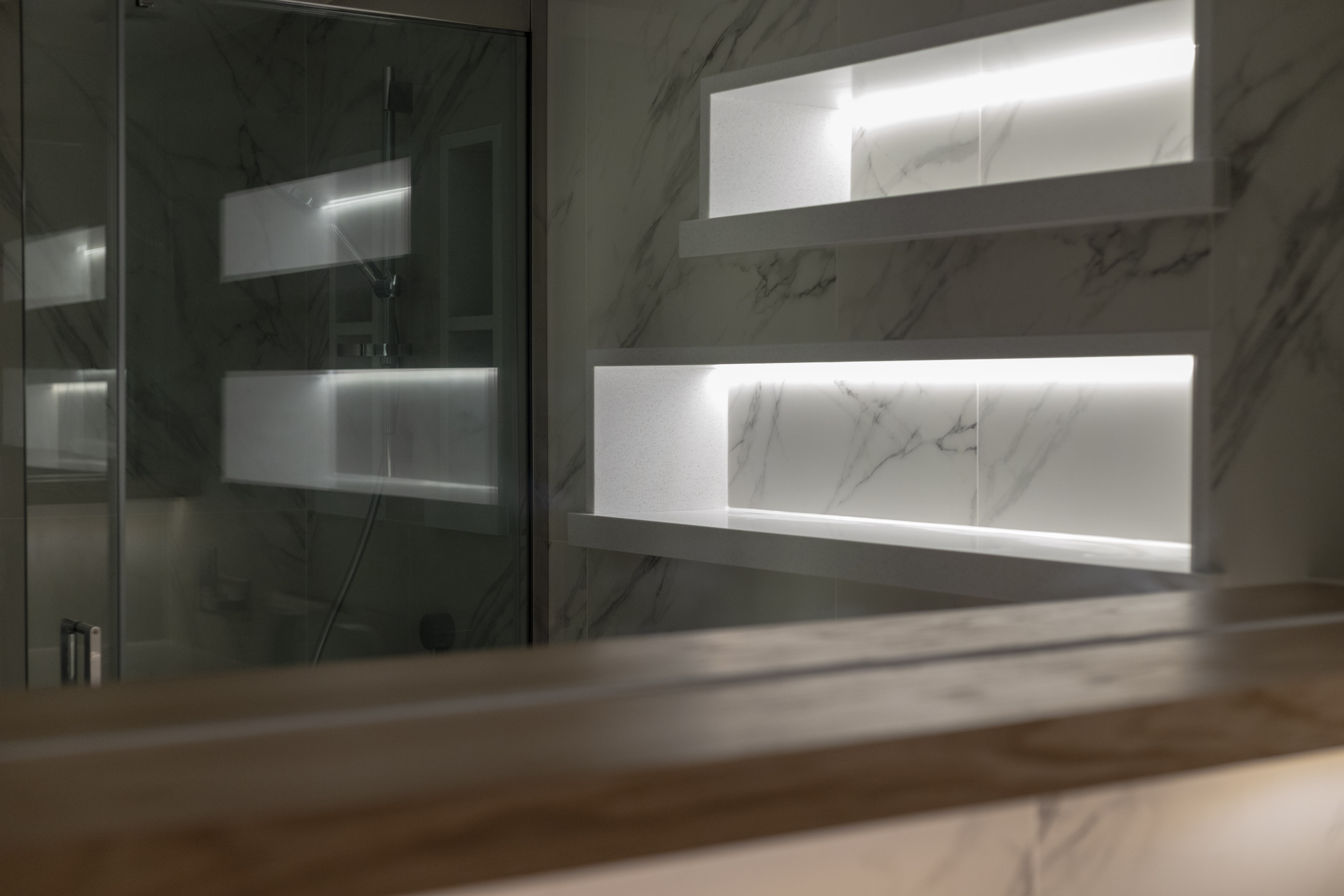
- Niche lighting: Illuminated recesses add depth and highlight decorative elements
- Natural light: Maximize windows where possible, using frosted glass for privacy
Luxury Fixtures and Features
Certain elements immediately signal “spa” and elevate the bathroom experience:
- Rainfall showerheads: Create an immersive shower experience
- Freestanding tubs: Make bathing a centerpiece ritual rather than an afterthought
- Heated floors: Provide unseen comfort that makes a significant difference
- Heated towel rails: Offer the luxury of warm towels after bathing
- Steam shower functions: Add therapeutic benefits to your daily routine
- Natural elements: Incorporate plants, pebbles, or water features
Design Cohesion
When selecting fixtures and materials, choose items with complementary design languages. Mixed styles can create visual noise that undermines the calm, spa-like atmosphere you’re trying to achieve.
Planning Your London Bathroom Refurbishment
Effective planning is the cornerstone of a successful bathroom refurbishment. London projects require particular attention to detail due to the city’s unique housing stock, regulations, and space constraints. Here’s how to develop a comprehensive plan for your bathroom upgrade:
Establishing a Realistic Timeline
A typical bathroom refurbishment in London can take anywhere from 2-5 weeks, depending on scope, complexity, and unexpected issues. Create a timeline that accounts for:
- Initial design phase and decision-making (2-4 weeks)
- Ordering materials and fixtures (allow 2-8 weeks, depending on selections)
- Demolition and preparation (2-3 days)
- Plumbing and electrical rough-in (2-4 days)
- Tiling and waterproofing (3-5 days)
- Fixture installation (2-3 days)
- Final details and cleanup (1-2 days)
Remember to build in buffer time—bathroom projects frequently encounter unexpected challenges, particularly in older London properties where non-standard dimensions and hidden issues are common. If your property is especially compact, you may appreciate these creative ideas for small bathroom remodeling to streamline your planning and design process.
Material and Fixture Selection
When selecting materials for your residential refurbishment, consider both aesthetics and practicality: For an environmentally responsible approach, see our recommendations on sustainable materials and energy-efficient choices ideal for London properties.
- Tiles: Porcelain offers excellent durability and minimal maintenance. Large-format tiles reduce grout lines, creating a cleaner look and easier cleaning.
- Sanitaryware: Wall-hung toilets and vanities create a sense of space and simplify cleaning.
- Taps and fixtures: Look for quality brassware with ceramic disc cartridges for longevity. Water-efficient models reduce consumption without compromising performance.
- Shower enclosures: Frameless designs create a more spacious feel and are easier to keep clean.
- Heating: Underfloor heating works particularly well in bathrooms, providing efficient, comfortable warmth without taking up wall space.
Layout Optimization
Even without changing your bathroom’s footprint, thoughtful layout adjustments can dramatically improve functionality:
- Consider replacing a bath with a walk-in shower to gain floor space
- Explore corner installations for toilets or vanities to maximize usable area
- Investigate wall-hung fixtures to free up floor space and create a more open feel
- Incorporate recessed storage wherever possible to maintain a clean, uncluttered appearance
- Evaluate the door swing direction—could a sliding door or different swing direction improve flow?
Work with a professional who understands how to maximize every centimeter in London’s typically compact bathrooms. Experienced bathroom designers can often find possibilities in spaces that seem too constrained for significant improvement. For truly tailored built-in cabinets and storage, investing in bespoke carpentry for your bathroom will make even the tightest layouts work beautifully.
| Planning Element | Considerations for London Properties |
|---|---|
| Water Pressure | Many London properties have variable water pressure; select compatible fixtures or consider a pump system |
| Space Constraints | Compact solutions like corner sinks, wall-mounted toilets, and shower-over-bath combinations maximize functionality |
| Period Features | Balance modern amenities with preservation of character elements in period properties |
| Ventilation | Essential in London’s compact spaces; consider mechanical extraction if natural ventilation is limited |
| Building Regulations | Ensure compliance with specific London borough requirements for electrical work and water efficiency. For a full overview on permissions and documentation, refer to preparing your refurbishment project in London. |
Essential Elements for a Luxury Bathroom Experience
Transforming your bathroom into a true spa-like retreat requires attention to specific elements that elevate the space from merely functional to genuinely luxurious. These remodelling ideas focus on enhancing comfort, convenience, and sensory pleasure: For ultra-personalized spaces beyond the ordinary, see our entry on bespoke luxury design for London homes.
Advanced Shower Systems
Modern shower technology offers unprecedented customization:
- Thermostatic controls maintain precise water temperature regardless of pressure fluctuations
- Multiple shower heads (rainfall, handheld, body jets) provide versatile bathing experiences
- Digital controls allow you to program preferred temperature and flow settings
- Chromotherapy lighting uses colored light to enhance mood and wellbeing
Intelligent Heating Solutions
Few elements contribute more to bathroom comfort than thoughtful heating:
- Underfloor heating provides invisible, radiant warmth that’s particularly pleasant underfoot
- Heated towel rails ensure warm, dry towels and provide supplementary room heating
- Mirror defoggers prevent condensation, maintaining visibility after showering
- Smart thermostats allow pre-programming to warm the bathroom before your morning routine
Strategic Storage Solutions
Effective storage maintains the clean, uncluttered atmosphere essential to a spa-like environment: For maximum organization without sacrificing aesthetics, discover how bespoke carpentry can transform storage in home refurbishments.
- Built-in niches in shower areas keep toiletries accessible without disrupting clean lines
- Vanity units with drawers rather than cabinet doors offer more accessible storage
- Medicine cabinets with integrated lighting combine function with ambiance
- Hidden storage behind mirrors or within seemingly decorative elements
Luxury Finishing Touches
Small details often make the most significant difference in creating a premium experience:
- High-quality textiles including plush bath mats and oversized towels
- Aromatic elements such as essential oil diffusers or scented candles
- Carefully selected accessories in coordinating metals and finishes
- Natural elements like plants that thrive in humid environments
- Acoustic considerations such as sound-dampening materials or built-in audio systems
When selecting these elements, prioritize quality over quantity. A few well-chosen, premium features will create a more luxurious impression than numerous mediocre additions. Industry professionals note that investing in key fixtures and materials yields both immediate enjoyment and long-term value.
Practical Tips for a Smooth Bathroom Upgrade
Even the most carefully planned bathroom refurbishment can present challenges. These practical strategies will help ensure your project proceeds as smoothly as possible: For tips on making construction less stressful—including noise and mess reduction—see our advice on minimizing disruption during home renovations.
Prepare for the Renovation Period
- Establish a temporary bathroom solution if possible—perhaps using a secondary bathroom or setting up essential facilities in another room
- Clear personal items completely from the renovation zone
- Protect pathways to the bathroom with floor coverings
- Discuss work hours and access requirements with contractors in advance
- Consider pets and children—make plans to keep them safe and away from construction
Anticipate Common Challenges
Being prepared for typical bathroom renovation issues helps minimize disruption: Proper planning, including permissions and builder checks, can save time and money—get a full list of steps in our project practicalities guide.
- Hidden damage: Water damage, mold, or structural issues often become apparent only during demolition
- Non-standard dimensions: Particularly in older London properties, walls may not be square and standard fixtures might not fit perfectly
- Plumbing surprises: Outdated or unusual plumbing systems might require additional work
- Delivery delays: Specialty items can sometimes take longer than expected to arrive
Building a contingency fund (typically 10-15% of your budget) and allowing flexibility in your timeline helps accommodate these potential issues without derailing your project. For transparent budgeting—including what to expect for specific elements—use this breakdown on the true costs of bathtub and bathroom renovations in London.
Maintain Clear Communication
Effective communication prevents misunderstandings and ensures quality results: Learn more about the importance of effective communication between architect, client, and builder for seamless progress and avoiding costly errors.
- Establish a primary point of contact for all decisions and questions
- Schedule regular progress meetings with your contractor
- Document any changes to the original plan in writing
- Address concerns immediately rather than waiting until completion
- Keep all project documentation organized and accessible
Project Management Tip
Consider creating a shared digital folder where you can store inspiration images, product specifications, quotes, and communications. This creates a single reference point for everyone involved in the project.
Budgeting for Your Bathroom Refurbishment
Creating and managing a realistic budget is crucial to a successful bathroom upgrade. London bathroom refurbishments typically cost more than the national average due to higher labor rates and the complexities of working in urban properties. Here’s how to develop a comprehensive budget:
Typical Cost Ranges
While prices vary significantly based on size, materials, and complexity, these figures provide a general framework for London projects: For a specialist’s view on how bathtub renovations fit into your spend, see bathtub renovation costs explained.
- Basic bathroom refurbishment: £5,000-£10,000
- Mid-range refurbishment: £10,000-£20,000
- High-end bathroom: £20,000-£35,000+
These ranges typically include materials, fixtures, and labor but exclude design fees and structural modifications.
Cost Breakdown
Understanding where your money goes helps you allocate funds effectively: For big-picture advice on cost-saving and long-term value, discover how sustainable choices can benefit your budget and the environment.
- Fixtures and fittings: 40-50% (toilet, sink, bath/shower, taps, shower system)
- Labor: 20-30% (demolition, installation, plumbing, electrical)
- Tiles and flooring: 10-15%
- Cabinetry and storage: 10-15%
- Lighting and ventilation: 5-10%
- Accessories and finishing touches: 5%
Budget Optimization Strategies
Maximize the impact of your investment with these approaches:
- Strategic splurging: Invest in statement pieces (like a beautiful freestanding bath or high-quality shower system) while economizing on less visible elements
- Consider longevity: Quality fixtures may cost more initially but typically offer better value over time
- Explore alternatives: Porcelain tiles can provide the look of natural stone at a lower cost and with easier maintenance
- Retain what works: If certain elements are in good condition, consider incorporating them into your new design
- Phase the project: If budget constraints are significant, consider a staged approach, addressing essentials first
Research indicates that renovating multiple bathrooms simultaneously can yield economies of scale through bulk material purchases and more efficient labor, potentially reducing per-room costs by 10-15%.
Working with Residential Refurbishment Professionals
While some homeowners may consider DIY approaches for minor updates, a comprehensive bathroom refurbishment typically requires professional expertise. Here’s how to select and work effectively with bathroom specialists: For an in-depth look at the benefits of an architect-led process—including planning permissions and expert design—see our feature on working with architects for refurbishments. If you’re seeking a high-calibre refurbishment company, explore why Mimar is trusted for successful London projects.
Choosing the Right Professionals
Depending on your project’s scope, you might need several specialists:
- Bathroom designer: Provides expertise in space planning, material selection, and creating cohesive designs
- General contractor: Coordinates the overall project and various tradespeople
- Plumber: Handles water supply, drainage, and fixture installation
- Electrician: Manages lighting, ventilation, and any electrical elements (must be certified)
- Tiler: Delivers precision tiling that affects both aesthetics and waterproofing
- Carpenter: Creates custom cabinetry and speciality elements
When selecting professionals:
- Review portfolios of previous bathroom projects
- Check references and online reviews
- Verify appropriate licenses and insurance
- Ensure they have experience with projects similar to yours
- Confirm they’re familiar with London building regulations
Effective Collaboration
Once you’ve assembled your team, these practices will help ensure a productive working relationship: For actionable steps on maintaining open communication throughout the build, read our advice on effective architect-client-builder communication.
- Provide clear briefs: Share your vision, requirements, and budget parameters explicitly
- Respect expertise: Be open to professional recommendations, even if they differ from your initial ideas
- Make timely decisions: Delays in selecting materials or approving changes can impact the overall timeline
- Establish communication protocols: Determine how and when updates will be provided
- Document everything: Keep records of all decisions, changes, and agreements
Professional bathroom specialists bring not only technical skills but also knowledge of current trends, regulations, and solutions that might not be apparent to homeowners. Their expertise often prevents costly mistakes and leads to more innovative, functional results.
Conclusion: Creating Your Personal Sanctuary
A thoughtfully executed bathroom refurbishment transforms more than just physical space—it enhances your daily rituals, adds significant value to your property, and creates a personal sanctuary within your home. By approaching your project with careful planning, quality materials, and professional expertise, you can create a bathroom that combines the luxury of a spa retreat with the practicality needed for everyday life.
The most successful bathroom upgrades balance several key elements:
- Functionality and comfort that simplifies daily routines
- Aesthetics that promote relaxation and reflect your personal style
- Quality materials and craftsmanship that ensure longevity
- Thoughtful details that elevate the ordinary to the exceptional
- Efficient use of space that maximizes your bathroom’s potential
Whether you’re undertaking a modest update or a comprehensive transformation, the principles remain the same: define clear goals, invest strategically, work with qualified professionals, and focus on creating a space that enhances your wellbeing. For more renovation inspiration or insight into bespoke interiors, review our coverage of personalized luxury design in London.
The bathroom has evolved from a purely utilitarian space to one of the most important rooms in the home—a private retreat where you begin and end each day. A well-executed residential refurbishment acknowledges this evolution, creating a bathroom that supports your lifestyle, reflects your taste, and provides a daily dose of luxury and comfort.
As you embark on your bathroom upgrade journey, remember that the most successful projects balance dreams with practicality, creating spaces that are not only beautiful but genuinely enhance how you live. With thoughtful planning and the right support, your new bathroom will deliver pleasure and value for years to come.