
Table of Contents
- Introduction: The Growing Trend of Basement Conversions in London
- Key Advantages of Basement Conversions in London
- Types of Basement Conversions for London Homes
- The Basement Conversion Process in London
- London-Specific Challenges and Considerations
- Planning Permission and Legal Requirements in London
- Costs, Timelines and Return on Investment
- Choosing the Right Basement Conversion Specialists in London
- Frequently Asked Questions About London Basement Conversions
- Conclusion: Transforming London Homes from Below
Introduction: The Growing Trend of Basement Conversions in London
London’s property landscape is evolving beneath our feet. What was once considered merely storage space or neglected cellars has become prime real estate for expansion as homeowners increasingly look downward to create valuable living areas. Basement conversions have transformed from niche luxury projects into mainstream home improvements across the capital, with research from Newcastle University’s School of Architecture revealing that London and its 32 boroughs approved 7,328 basements between 2008 and 2019 – a number that continues to grow year on year.
Professor Roger Burrows from Newcastle University aptly describes this shift as “a normalisation of single-storey basements as the 21st-century version of the loft conversion” – a statement supported by compelling data showing that 75% of all UK basement conversion applications in 2015 were submitted in London alone, marking an 11% increase from just two years earlier. This represents a fundamental shift in how Londoners view their homes and the potential spaces within them.
This trend is particularly pronounced in high-value areas, with Hammersmith and Fulham leading in standard basement conversions and the Royal Borough of Kensington and Chelsea dominating the large and luxury basement market. With approval rates averaging 72% across London boroughs, it’s clear that while local councils maintain rigorous standards, they generally support well-designed basement projects that enhance the city’s housing stock.
The reasons behind this subterranean revolution are uniquely London: restricted upward expansion due to planning policies protecting historic streetscapes and skylines, limited outward growth options in densely populated neighborhoods, and the prohibitive costs of relocating within the capital. For many families, the space beneath their feet represents the final frontier of home expansion – a valuable resource waiting to be unlocked.
Key Advantages of Basement Conversions in London
The appeal of basement conversions extends far beyond simply gaining additional square footage. For London homeowners, these projects offer multifaceted benefits that address the unique challenges of urban living in one of the world’s most expensive property markets.
Maximizing Living Space in Urban Constraints
In a city where space commands extraordinary premiums, basement conversions offer a solution to the fundamental challenge facing London homeowners: space scarcity in an urban environment where every square meter matters. Families can expand vertically downward rather than moving to larger properties or compromising on location, creating substantial new living areas without altering a property’s external footprint or character.
This approach is particularly valuable in conservation areas and for period properties where external alterations face significant restrictions. By developing below ground, homeowners can retain the historic charm that makes London properties so desirable while creating contemporary spaces that meet modern lifestyle needs.
If you’re considering other ways to add space, exploring home extensions like rear, side, loft, and basement conversions can help you maximize your property’s potential in London.

Significant Property Value Enhancement in London
The financial benefits of basement conversions in London are compelling. Properties typically gain between £8,500 to £10,000 per square metre in value, with even higher premiums in prime boroughs like Kensington & Chelsea and Camden. Overall, research indicates property values can increase by 25% or more following a well-executed basement conversion – a substantial return that often exceeds the initial investment.
This value proposition becomes even more attractive when compared to the alternative of purchasing a larger home, which would incur stamp duty costs of up to £1.1 million on a £10 million primary property purchase (rising to £1.41 million for an additional property) – funds that could be redirected into creating bespoke space within an existing home.
Adapting to Modern London Lifestyle Needs
Beyond financial considerations, basement conversions address evolving lifestyle requirements that have become increasingly important to Londoners. The rise in remote working demands dedicated home office spaces separate from main living areas. Multi-generational living arrangements require independent accommodations within a single property. The growing focus on wellness and self-care has created demand for home gyms, swimming pools, and spa facilities.
The natural sound insulation properties of basement spaces make them ideal for home cinemas, music rooms, and entertainment areas – allowing for leisure activities without disturbing other household members or neighbors. This acoustic advantage is particularly valuable in London’s terraced houses and converted flats where noise transmission between properties can be problematic.
A Compelling Alternative to Relocation
For established London families, moving home brings significant disruption to family life, school arrangements, and community connections, along with substantial costs beyond just stamp duty. By choosing a basement conversion instead, homeowners can remain in established neighborhoods while gaining the space they need – maintaining proximity to schools, workplaces, and social networks that contribute significantly to quality of life in the capital.
Investment Perspective
When weighing up basement conversion costs against potential returns, consider both immediate equity gains and long-term value. London properties with well-designed basement conversions typically command premium prices and attract discerning buyers who value the additional space and quality of life enhancements these conversions provide.
Types of Basement Conversions for London Homes
London’s basement conversion revolution has created extraordinary spaces beneath the city’s historic streets. Research of completed projects between 2008 and 2019 reveals how homeowners have transformed these underground areas to serve diverse lifestyle needs:
Entertainment and Leisure Spaces
London’s basement conversions frequently feature dedicated entertainment areas that would be difficult to accommodate in main living spaces. The 814 home cinemas, 607 games rooms, and 342 steam rooms or saunas created between 2008 and 2019 demonstrate the popularity of leisure-focused conversions. These spaces benefit from the natural sound insulation basements provide, allowing for immersive entertainment experiences without disturbing the rest of the household or neighboring properties.
Health and Wellness Facilities
The 1,695 gyms and wellness studios created in London basements during this period reflect the growing focus on home fitness and personal wellbeing. These conversions eliminate the need for external gym memberships and provide private, convenient exercise spaces that can be used regardless of weather conditions or time constraints. Many London homeowners now view wellness spaces as essential rather than luxury features, particularly following shifts in lifestyle priorities during recent years.
Luxury Amenities in London Homes
At the premium end of the market, 532 swimming pools and 689 wine cellars represent high-end conversions that add significant lifestyle value, particularly in prime London postcodes. These luxury amenities are increasingly expected by discerning buyers in London’s upper market segments and can substantially enhance resale prospects when professionally designed and executed.
Functional Living and Working Spaces
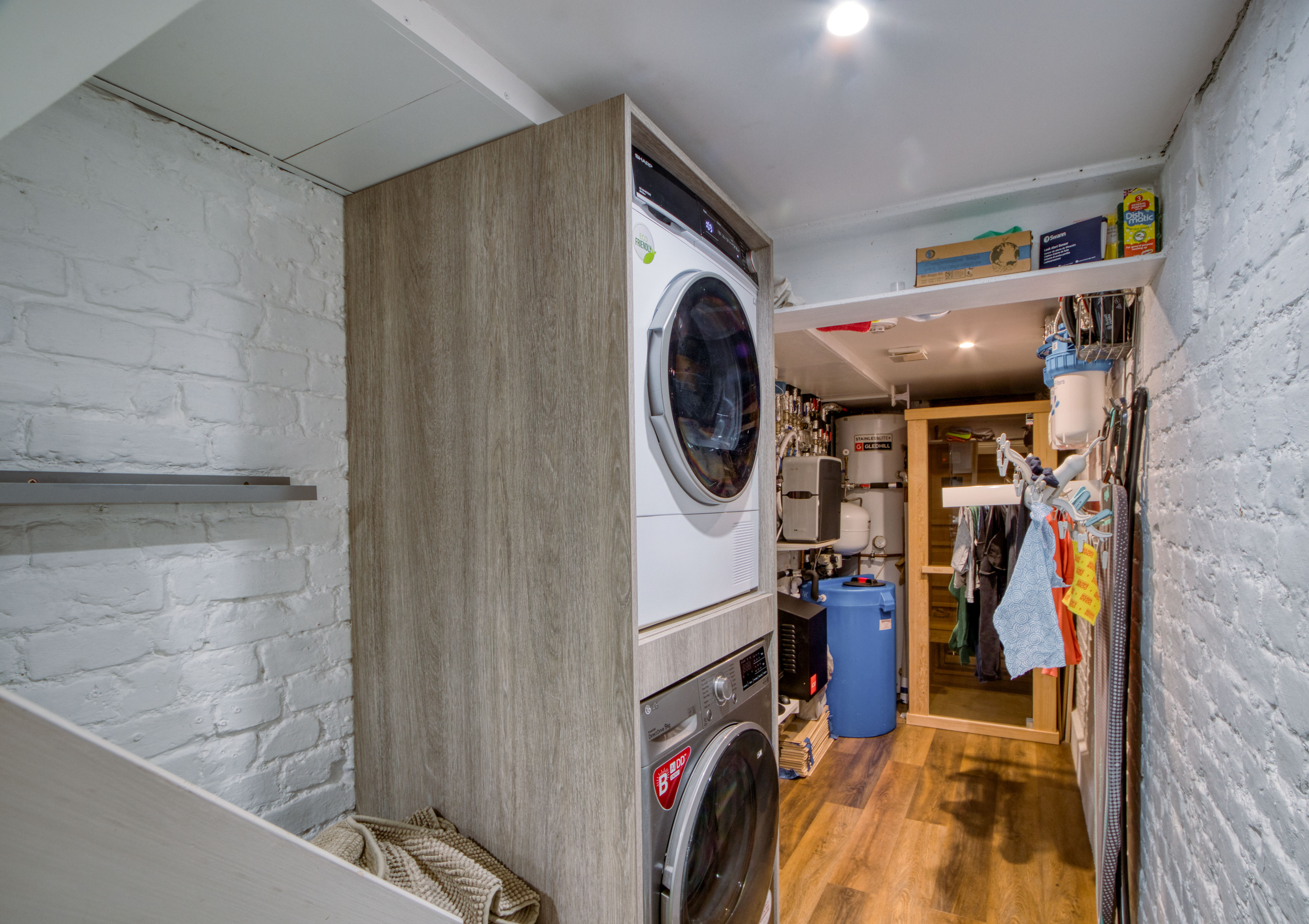
Beyond specialized rooms, basements commonly become light-filled offices for London’s growing remote workforce, guest accommodations, separate granny flats for multi-generational living, and serene workspaces. These practical conversions address the evolving needs of London households, providing flexible spaces that can adapt to changing family circumstances over time. For those considering maximizing the potential of their basement, adding a basement apartment can offer extra income, privacy, and flexibility for use as rental units or in-law suites, with key considerations including building codes, insulation, ventilation, and safety.
Service Quarters and Staff Accommodation
In London’s most exclusive residential districts, 154 conversions included dedicated staff quarters, reflecting the needs of larger households in prime areas. These self-contained living spaces provide comfortable, private accommodation for household staff while maintaining connection to the main residence.
The scale of these conversions varies considerably: of the 7,328 approved basements studied, 5,813 were single-storey conversions suitable for most London homes, 1,344 were large basements with capacity for multiple rooms or special features, and 171 were classified as mega basements extending under gardens to depths of three storeys – projects typically associated with ultra-prime London properties.
The Basement Conversion Process in London
Converting a basement in London involves a structured process that requires careful planning, professional expertise, and attention to detail at every stage. Understanding this journey helps homeowners set realistic expectations and prepare effectively for what can be a significant home improvement project. For a comprehensive breakdown of what this entails—including planning, site surveys, design, foundation selection, waterproofing, insulation, and finishing—see the essential elements of basement construction.
Initial Assessment and Feasibility in London Properties
The process begins with fundamental questions about how the space will function within your London home. Design professionals emphasize that basements should feel like destinations rather than afterthoughts, requiring thoughtful consideration of light, warmth, and purpose. For London properties specifically, this phase includes assessing the existing structure, soil conditions, water table levels, and proximity to neighboring buildings – all factors that significantly influence feasibility and approach.
A comprehensive structural survey is essential, particularly for London’s period properties where foundation types and conditions vary considerably. This survey helps identify potential challenges early and informs the design development process. Before starting such a project, it’s wise to ensure you have all building and planning permissions in place and thoroughly check your builder’s experience and credentials—learn more in this guide to putting the practical pieces of your project together.
Design Development for London Basements
Working with architects or designers who understand London’s unique building stock is crucial during this phase. The design must consider not only the technical requirements of creating underground space but also how to introduce natural light, ensure adequate ventilation, and create connections with the rest of the home.
For London properties specifically, innovative approaches to light wells and staircases often become central design features. Carefully detailed lightwells with features like in-situ concrete stairs can transform what would otherwise be dark spaces into bright, inviting rooms that feel integrated with upper floors.
Planning and Approvals in London Boroughs
Navigating London’s planning system requires expert guidance. Applications must address borough-specific policies regarding basement development, which have become increasingly detailed in recent years. Supporting documentation typically includes structural method statements, construction management plans, and in some cases, basement impact assessments.
Party wall agreements are particularly important in London’s terraced and semi-detached properties, requiring careful negotiation with neighboring property owners. Professional party wall surveyors help manage this process to protect both your interests and your neighbors’ properties.
Construction Process for London Basement Conversions
The construction phase typically follows this sequence:
- Temporary works and protection – securing the existing structure and preparing the site
- Excavation – removing soil to create the new basement space
- Structural work – creating the new basement structure through underpinning or alternative methods
- Waterproofing – installing comprehensive tanking and drainage systems
- Services installation – incorporating electrical, plumbing, heating, and ventilation systems
- Finishing works – completing walls, floors, ceilings, and decorative elements
- Light well installation – creating sources of natural light where possible
- Final connections – integrating the new space with the existing home
Throughout construction, regular site meetings maintain quality control and address any unforeseen issues promptly. For London projects, logistics and neighborhood considerations are particularly important given the dense urban environment and typical access constraints. To minimize noise, mess, and disruption to both your household and neighbors, proactive communication and site management are key—discover tips for reducing inconvenience during construction in this article on reducing noise, mess, and fuss in building projects.
London-Specific Challenges and Considerations
London’s unique urban environment and diverse building stock present specific challenges that must be addressed when undertaking basement conversions. Understanding and planning for these factors is essential for project success.
Waterproofing in London’s Varied Geology
London’s complex geology and variable water table levels require sophisticated waterproofing strategies. From the clay soils of North London to the gravels of riverside areas, each location presents different groundwater challenges. Comprehensive tanking systems with cavity drainage membranes, sump pumps, and backup power supplies are typically necessary to create permanently dry underground spaces.
Professional waterproofing specialists who understand London’s specific conditions are essential team members for any basement project. Their expertise helps prevent the most common and costly problem associated with basement conversions – water ingress. For an in-depth look at waterproofing, insulation, ventilation, and finishing touches, read about the essential elements of basement construction.
Natural Light and Ventilation Solutions
Creating habitable spaces underground necessitates careful design of light wells, roof lights, and mechanical ventilation systems. In London’s historic conservation areas, external light well designs must be sympathetic to the building’s period character while still providing sufficient illumination.
Innovative approaches include light tunnels, glass floor sections that allow light to penetrate from upper levels, and courtyard-style light wells that create unexpected outdoor spaces within the basement footprint. These features transform underground rooms from dark, utilitarian areas into bright, inviting spaces that feel connected to the natural environment.
Structural Integrity in London’s Historic Buildings
Many London properties date from the Victorian, Georgian, or even earlier periods, with foundation systems never designed to accommodate basement additions. Excavating beneath these existing structures demands precise engineering to maintain building stability while creating new usable space.
The process affects the building’s foundations and requires insurance companies to assess the additional risk. Specialized structural engineers with experience in London’s building typologies are essential to develop appropriate underpinning or alternative structural solutions.
Conservation and Heritage Considerations
A significant proportion of London properties fall within conservation areas or hold listed status, adding layers of complexity to basement planning applications. Design must respect historic character while introducing modern amenities, with external alterations such as light wells requiring particularly sensitive handling.
Working with heritage consultants who understand the priorities of London’s conservation officers helps navigate these requirements successfully. Their input can shape design decisions that satisfy both conservation objectives and homeowner needs.
Neighbor Relations and Party Wall Matters
London’s densely packed housing means basement work almost inevitably affects adjacent properties. Party wall agreements become essential components of any project, requiring formal notices and often financial security measures to protect neighboring buildings.
Beyond legal requirements, maintaining good neighbor relations throughout the process is important for project success. Regular communication, consideration of access and noise issues, and prompt resolution of any concerns help create a positive environment for construction work.
Planning Permission and Legal Requirements in London
Navigating the regulatory landscape is one of the most critical aspects of basement conversion projects in London. Understanding the requirements and processes helps set realistic expectations and avoid costly delays. If you want a broader perspective on planning permission, building permissions, the importance of site surveys, and working with certified contractors, see this guide on assembling project essentials.
London Borough Planning Policies
Each of London’s 32 boroughs has developed specific policies regarding basement development, with some taking more restrictive approaches than others. Kensington & Chelsea, Westminster, and Camden have particularly detailed requirements following concerns about the impact of large-scale basement projects.
These policies typically address:
- Maximum extent of excavation under gardens (often limited to 50%)
- Depth restrictions (usually single storey only in residential areas)
- Light well design and placement
- Tree protection measures
- Construction traffic management
- Neighbor amenity protection
Despite these controls, approval rates remain relatively high at 72% across London, indicating that well-designed projects that respect policy guidelines can successfully navigate the planning process. If you’re also considering other types of home extensions and how planning works for those, explore this expert guide to maximising space in London homes.
Building Regulations Compliance in London
Building regulations approval runs parallel to planning permission, covering technical aspects such as:
- Structural stability and foundations
- Fire safety and means of escape
- Ventilation standards
- Drainage systems
- Waterproofing measures
- Thermal insulation
- Sound insulation
- Electrical safety
- Access considerations
In London, building control approval can be obtained either through the local authority or approved private inspectors. Regular site inspections throughout the construction process ensure compliance with approved plans and technical standards.
Party Wall Agreements for London Properties
The Party Wall Act 1996 has particular relevance for London’s terraced and semi-detached properties. Formal notices must be served on adjoining owners before work commences, typically at least two months in advance for basement excavation work.
If neighbors do not consent to the proposed work, party wall surveyors are appointed to prepare legally binding awards that protect all parties’ interests. These awards may include requirements for:
- Pre-construction condition surveys
- Vibration monitoring during excavation
- Working hour restrictions
- Security for expenses (financial protection)
- Compensation for temporary inconvenience
Insurance Considerations for London Basement Projects
Insurance requirements for basement projects extend beyond standard home insurance. Homeowners typically need:
- Notification to existing buildings insurers about the planned work
- Contractor’s all-risk insurance during construction
- Professional indemnity insurance from all design professionals
- Non-negligent damage insurance (also known as JCT 21.2.1)
- Updated buildings insurance after completion to reflect the enhanced property value
Many London insurers now specifically ask about basement conversions during policy renewal, as these modifications affect the property’s risk profile and rebuilding costs.
Costs, Timelines and Return on Investment
| Project Element | Typical Cost Range in London (2024) |
|---|---|
| Basic conversion of existing cellar | £2,500 – £3,500 per m² |
| New basement excavation under existing house | £4,000 – £5,000+ per m² |
| New basement under garden | £5,000 – £7,000+ per m² |
| Lightwells and external access | £15,000 – £40,000 per lightwell |
| Professional fees (architects, engineers, surveyors) | 15-20% of construction costs |
Value Enhancement in London’s Property Market
In London, basements typically add £8,500 to £10,000 per square metre to property value, with higher premiums in prime boroughs. Properties can experience value increases of 25% or more following conversion, making the investment potentially more cost-effective than moving to a larger property when stamp duty and associated costs are considered. If you’re curious how this compares to other ways of adding value and space—such as rear extensions, wraparounds, and loft conversions—check out this expert guide on maximizing London living space.
This value proposition has driven significant market growth, with the global basement conversion market standing at USD 18.7 billion in 2024. This growing market reflects both the popularity and economic viability of basement conversions as a solution to urban space constraints, particularly in high-value areas like London. If considering renting out your new space, learn more about the benefits of adding a basement apartment for extra income and flexibility.
Cost Factors Specific to London Projects
Several factors influence the final cost of basement conversions in London:
- Property location and access – Central London sites with restricted access often incur premium charges for materials delivery and waste removal
- Geological conditions – Variable London soils require different excavation and foundation approaches
- Water table levels – Areas with high water tables need more comprehensive waterproofing systems
- Existing structural condition – Older London properties may require additional structural interventions
- Planning requirements – Borough-specific conditions may add costs for archaeological surveys or special design features
- Specification level – Finishes and fixtures can significantly impact final costs, particularly in prime London properties where premium materials are expected
Contingency allowances of 15-20% are typically recommended for London basement projects due to the inherent uncertainties of working with existing structures and underground conditions.
Realistic Timeline Expectations
London basement conversion projects typically follow this timeline:
- Initial design and planning: 2-4 months – Including surveys, design development, and pre-application consultations
- Planning approval: 2-3 months – Standard applications, longer if appeals are required
- Building regulations and technical design: 1-2 months – Detailed construction drawings and specifications
- Party wall process: 2-3 months – Notices, negotiations, and awards if required
- Contractor tendering: 1 month – Obtaining and comparing quotations
- Construction: 6-12 months – Depending on project size and complexity
The complete process from initial concept to finished space typically takes 12-18 months for standard London basement projects, with larger or more complex schemes potentially extending to 24 months or more. During construction, it’s helpful to maintain realistic expectations around noise, site access, and disruption. To minimize negative impacts, follow best practices for reducing inconvenience as highlighted in this guide to handling noise, mess, and fuss.
Return on Investment Beyond Financial Metrics
The ROI for London basement conversions extends beyond pure financial calculations to include:
- Lifestyle enhancement – Creating spaces that perfectly match family needs and preferences
- Avoided relocation costs – Saving on stamp duty, legal fees, moving expenses, and potential school changes
- Neighborhood retention – Maintaining connections to established communities and amenities
- Future-proofing – Adapting homes to accommodate changing family circumstances
- Energy efficiency gains – Modern basement conversions incorporate high-performance insulation and services
For many London homeowners, these quality-of-life benefits ultimately prove more valuable than the significant financial returns these projects typically generate.
Choosing the Right Basement Conversion Specialists in London
The success of a basement conversion in London depends significantly on the expertise of the professionals involved. Selecting the right team requires careful consideration of their experience, approach, and understanding of London’s unique building challenges. For the most reliable outcomes, it’s crucial to partner with a reputable construction company that specializes in high-end refurbishment and restoration projects. Learn the top reasons for choosing expert refurbishment contractors in London and what sets a quality team apart.
Architects and Designers for London Basements
When evaluating potential architects or designers, look for those who approach basements as catalysts for transformation rather than mere volume gains. The best professionals begin by exploring how you live and how the new space will enhance your lifestyle, asking questions about daily home rhythms and how to create spaces that feel like destinations.
Specific qualities to seek include:
- Portfolio of completed London basement projects in similar properties
- Understanding of borough-specific planning policies
- Experience with heritage properties if relevant
- Innovative approaches to natural light and spatial connection
- Technical knowledge of waterproofing and ventilation requirements
- Ability to balance aesthetic vision with practical functionality
Leading design firms emphasize starting with fundamental questions about how spaces will be used and felt, rather than simply creating additional square footage. This holistic approach results in basements that enhance overall home quality rather than feeling like disconnected additions. If you want to optimize your renovation through a collaborative architect-led process, including navigating London’s planning system and choosing the right design partner, see this guide to working with architects for refurbishments.
Structural Engineers with London Expertise
Structural engineers play a critical role in basement conversions, particularly in London’s varied and often challenging ground conditions. Look for engineers who:
- Specialize in basement construction and underpinning
- Have experience with London’s diverse building typologies
- Can provide case studies of similar successful projects
- Offer creative solutions to complex structural challenges
- Maintain professional indemnity insurance appropriate to project value
- Demonstrate understanding of party wall requirements
Specialist Basement Contractors in London
The quality of construction ultimately determines the success of your basement conversion. When evaluating contractors, consider:
- Demonstrated track record of similar London projects
- Membership of relevant trade associations (such as Basement Waterproofing Association)
- Comprehensive insurance coverage
- Detailed approach to waterproofing with long-term guarantees
- References from previous clients in your borough
- Financial stability and business longevity
- Approach to site management and neighbor relations
Visit completed projects where possible to assess quality firsthand and speak with previous clients about their experience throughout the construction process, not just the final result.
Project Management for Complex London Conversions
For larger or more complex basement projects in London, professional project management can be invaluable. Dedicated project managers:
- Coordinate multiple contractors and suppliers
- Manage planning conditions and building control requirements
- Control budgets and authorize payments
- Maintain detailed project documentation
- Address issues promptly to prevent delays
- Provide regular progress reports to homeowners
- Ensure quality standards are maintained throughout
This additional layer of professional oversight often pays for itself by preventing costly mistakes, ensuring efficient use of resources, and maintaining momentum throughout the project.
Frequently Asked Questions About London Basement Conversions
Is my London property suitable for a basement conversion?
Most London properties can accommodate some form of basement development, though the approach varies by building type, age, and ground conditions. Victorian and Georgian properties often offer good potential, while some post-war buildings present greater challenges. A professional feasibility study is the best way to assess your specific property’s suitability. If your goal is to unlock rental potential or add flexibility, learn about the advantages of creating a basement apartment for income and privacy.
How likely am I to get planning permission in London?
Approval rates average 72% across London boroughs, though this varies significantly by location and project scope. Single-storey conversions within the building footprint have the highest approval rates, while extensions under gardens face greater scrutiny. Pre-application consultations with your local planning department can provide early guidance on likely outcomes. For more on permissions and how to prepare, see the practicalities of putting the pieces together for your project.
Can I stay in my home during a London basement conversion?
While technically possible for some projects, most London homeowners relocate during major basement works due to disruption, dust, and noise. Projects involving significant structural work typically require temporary vacation for safety reasons. Budget for alternative accommodation costs when planning your project finances. Learn about the realities of noise and site management in this guide to reducing build inconvenience.
How can I ensure my basement won’t flood or develop damp issues?
Modern waterproofing systems use multiple defensive layers, typically combining external tanking with internal cavity drainage membranes and sump pump systems. Using specialist contractors with specific basement waterproofing expertise and obtaining long-term guarantees provides the best protection against future problems. Dive deeper into the importance of expert waterproofing, site surveys, and finishing by reading the essential elements of basement construction.
What about natural light in a London basement?
Contemporary basement design incorporates multiple strategies for natural illumination, including light wells, glazed walk-on rooflights, internal glazed floors, and light tunnels. Even in conservation areas where external alterations are restricted, innovative approaches can bring surprising amounts of daylight into underground spaces. Collaborate with architects who specialize in optimizing light and spatial flow; read more about the benefits of working with architects for refurbishments in London.
Conclusion: Transforming London Homes from Below
Basement conversions represent quiet but powerful transformations happening beneath London’s historic streets. They offer solutions for families planning for future generations, remote workers designing hybrid lives, and homeowners investing in sustainability and space without expanding outward. By building downward, Londoners craft homes that are not only larger but wiser—ready to adapt, evolve, and thrive no matter what tomorrow brings.
The true value lies not simply in adding square footage, but in reimagining what already exists beneath your feet. These spaces hold future memories, milestones, and dreams waiting to be brought into the light, transforming dusty storage areas into vibrant home cinemas, luxurious wellness studios, light-filled offices, and serene guest retreats.
With London’s housing market continuing to challenge conventional expansion and the city’s planning policies increasingly protecting streetscapes and skylines, the downward direction offers the most promising frontier for home enhancement. The statistics tell a compelling story: thousands of London families have already discovered this hidden potential, creating spaces that enhance both lifestyle and property value.
Whether you’re considering a simple conversion of an existing cellar or a more ambitious excavation project, the principles remain the same: thoughtful design, expert execution, and a focus on creating spaces that feel like natural extensions of your home rather than afterthoughts. When approached with care and professional guidance, a basement conversion can transform not just your property, but your experience of London living. For expert insight on planning, site surveys, permissions, and the key elements of construction, refer to this essential guide to basement construction and consider why choosing the right refurbishment partner is critical to a successful outcome.
As you contemplate the possibilities beneath your London home, remember that every successful project begins with the right questions: not just about technical feasibility and cost, but about how you live, what you value, and how your home can better support your aspirations. The answers to these questions form the foundation of truly transformative basement spaces—ones that enhance daily life while adding lasting value to London’s extraordinary housing legacy. If you’re interested in maximizing your home’s potential even further, discover more about extensions, renovations, and architect-led solutions at working with architects for refurbishments.