Building Your Dream Home – Expert Tips for Success

Building your dream home in London is an exciting journey that starts with selecting the right construction company. The bustling metropolis offers numerous options, making the choice both thrilling and challenging.

When choosing a London construction company, it’s crucial to consider several factors. Clearly defining your project requirements is the first step towards finding the perfect match for your home-building vision. This includes determining the scope, timeline, and budget of your project.

As you embark on this important decision, remember that the construction company you choose will significantly impact the quality, cost, and timeline of your project. By carefully evaluating your options and considering key factors, you can ensure that your dream home becomes a reality with the help of the right London construction company.

Identifying Quality London Construction Companies

Selecting the right construction company is crucial for building your dream home in London. The following key aspects will help you identify top-quality builders who can deliver exceptional results.

Evaluating Craftsmanship and Quality of Materials

When assessing London construction companies, pay close attention to their craftsmanship and the materials they use. Visit their completed projects to inspect the quality of finishes, joinery, and overall build.

Look for precise alignments, smooth surfaces, and attention to detail. High-quality materials should be evident in fixtures, fittings, and structural elements.

Ask about their suppliers and material sourcing practices. Reputable builders often have partnerships with trusted suppliers, ensuring consistent quality across projects.

Request samples of materials they typically use, such as flooring, tiles, or cabinetry. This will give you a tangible sense of the quality you can expect in your own home.

Reviewing Builders’ Credentials and Completed Projects

Examine the credentials of custom home builders in London. Look for memberships in professional organisations like the Federation of Master Builders or the National House Building Council.

Check their licensing and insurance. Ensure they have proper liability insurance and warranties for their work.

Review their portfolio of completed projects. Look for homes similar in style or scale to your planned build.

Ask for a list of recent clients and arrange site visits if possible. This allows you to see their work firsthand and gauge the longevity of their craftsmanship.

Consider the company’s experience with planning permissions and building regulations in London. Familiarity with local requirements can streamline your project.

Assessing Customer Satisfaction and Reviews

Customer reviews offer valuable insights into a construction company’s reliability and service quality. Check online platforms like Trustpilot or Houzz for unbiased feedback.

Pay attention to comments about communication, punctuality, and problem-solving skills. These factors greatly impact your experience during the build.

Look for patterns in reviews. Consistent praise or recurring issues can indicate what to expect.

Contact past clients directly, if possible. Ask about their experience, any challenges faced, and how the builder resolved them.

Consider how responsive the company is to your enquiries. Prompt, clear communication is a good indicator of their customer service approach.

Planning Your Dream Home with the Right Team

Assembling the right team is crucial for turning your dream home vision into reality. A skilled team will guide you through the construction process, ensure effective communication, and incorporate innovative design elements.

Understanding the Construction Process and Timeline

The construction process for your dream home involves several key stages. Initially, you’ll work with architects and designers to finalise plans. Next, obtain necessary permits and approvals from local authorities.

Construction typically begins with site preparation and foundation work. This is followed by framing, roofing, and installing utilities. Interior work, including plumbing, electrical, and HVAC systems, comes next.

Timelines vary based on project complexity. A typical new build may take 6-12 months, while renovations or extensions could range from 3-6 months. Loft conversions often complete in 8-10 weeks.

Be prepared for potential delays due to weather, material shortages, or unexpected issues. Your construction team should provide a detailed timeline and keep you updated on progress.

Ensuring Effective Communication and Collaboration

Clear communication is vital for a successful project. Establish a communication style that works for you and your team from the outset.

Regular meetings with your construction team are essential. These can be on-site or virtual, depending on your preference. Discuss progress, address concerns, and make decisions promptly to avoid delays.

Use project management tools to track progress and share information. Many construction companies offer online portals where you can view updates, approve changes, and communicate with the team.

Be clear about your expectations and budget constraints. Prompt decision-making on your part helps keep the project on track. Don’t hesitate to ask questions or request clarifications when needed.

Incorporating Innovative Design and Sustainable Practices

Modern construction offers exciting opportunities for innovative design and sustainability. Discuss these options with your team early in the planning process.

Consider smart home technology for enhanced comfort and energy efficiency. This might include automated lighting, heating, and security systems. Explore options for renewable energy sources like solar panels or ground source heat pumps.

Sustainable materials can reduce your home’s environmental impact. Look into recycled or locally-sourced options for flooring, insulation, and finishes. Energy-efficient windows and appliances can significantly lower your long-term energy costs.

Innovative design elements can maximise space and light. Think about open-plan living areas, skylights, or floor-to-ceiling windows. Discuss options for flexible spaces that can adapt to your changing needs over time.

Transforming Your London Home with an Extension: Expert Guide to Maximising Space

As house specialists, we understand that London homes often come with the challenge of maximising space and functionality while preserving their historic charm. One effective way to achieve this is through a well-planned and designed home extension. Not only can an extension increase your living space, but it can also significantly enhance the value of your property and improve your overall quality of life.

In our comprehensive guide, we will walk you through the process of extending your home and provide invaluable tips for creating a seamless and practical addition to your London property. From understanding planning regulations and choosing the best materials, to selecting a skilled architect and contractor, we aim to equip you with the essential knowledge you need to make informed decisions for your home extension project.

We’ll also showcase some extraordinary examples of other London homes that have been transformed with extensions, offering inspiration and ideas for your own renovation. With careful planning and execution, you can achieve a stylish, sustainable, and functional extension that enhances your property and helps you make the most of your London home.

Why Choose a Home Extension

Home extensions are an increasingly popular choice for London homeowners looking to transform their properties. As living spaces, we understand the importance of investing in improvements that not only increase the comfort of your home but also add value to it. Here are a few reasons why a home extension might be the perfect solution for you.

Firstly, home extensions provide an opportunity to create additional living space. This might mean adding new bedrooms, a larger kitchen, or even a home office. As our needs and lifestyles evolve, extending your London home ensures that it continues to meet your requirements.

Secondly, a well-designed home extension can enhance the overall aesthetic of your property. Experts in the field, like Mimar, can help to create a visually appealing design that enhances both the exterior look and interior flow of your home. With the right planning and execution, a home extension can make your property stand out from the rest.

Another benefit of home extensions is the potential to increase your property’s value. A well-executed extension from experienced professionals is likely to result in a higher asking price if you decide to sell your property in the future.

Lastly, home extensions can be customised to suit your exact needs and preferences. You have the opportunity to work closely with architects and builders to ensure your vision is brought to life, creating a result that is uniquely tailored to your requirements.

In conclusion, there are numerous advantages to choosing a home extension for your London property. From increased living space and enhanced aesthetics to improved property value and the ability to tailor your home, a well-planned and executed home extension can transform your living experience for the better.

Types of Home Extensions

When planning to transform your London home with an extension, it’s essential to consider the various types of extensions available. In this guide, we’ll explore the different options, helping you make an informed decision to suit your needs and property.

Rear Extensions

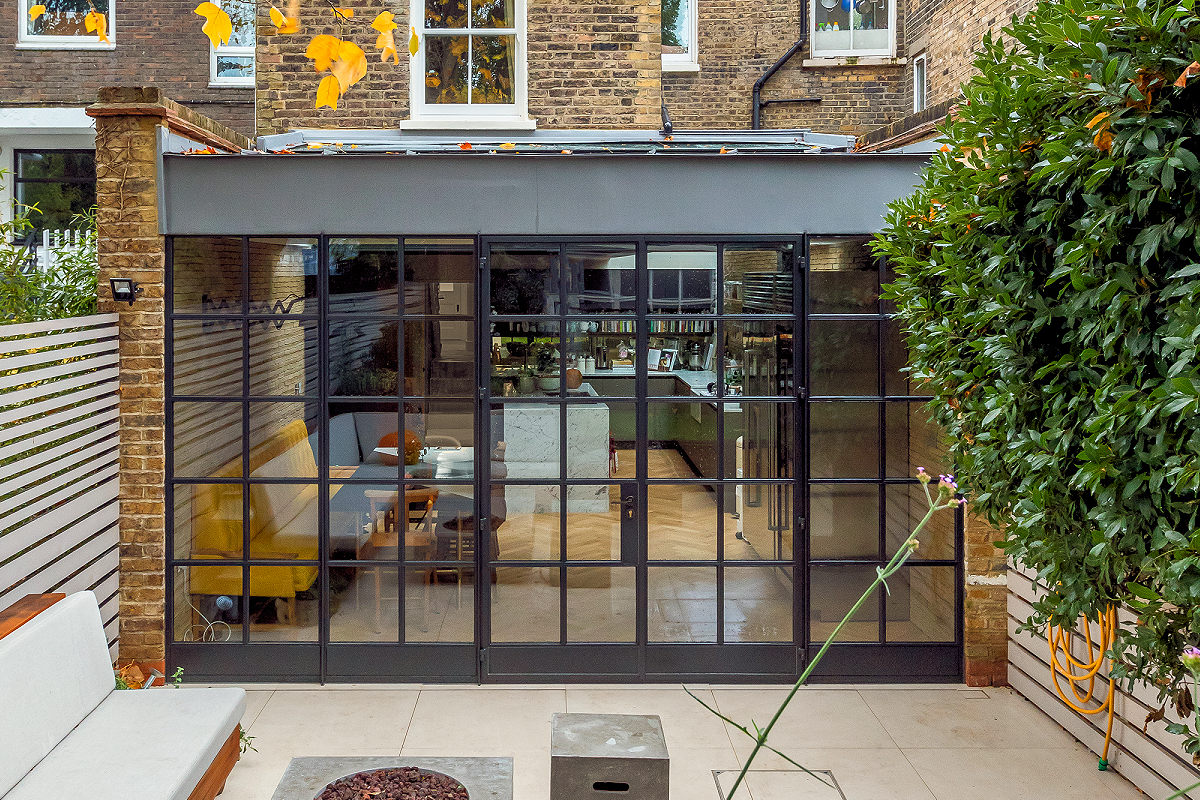
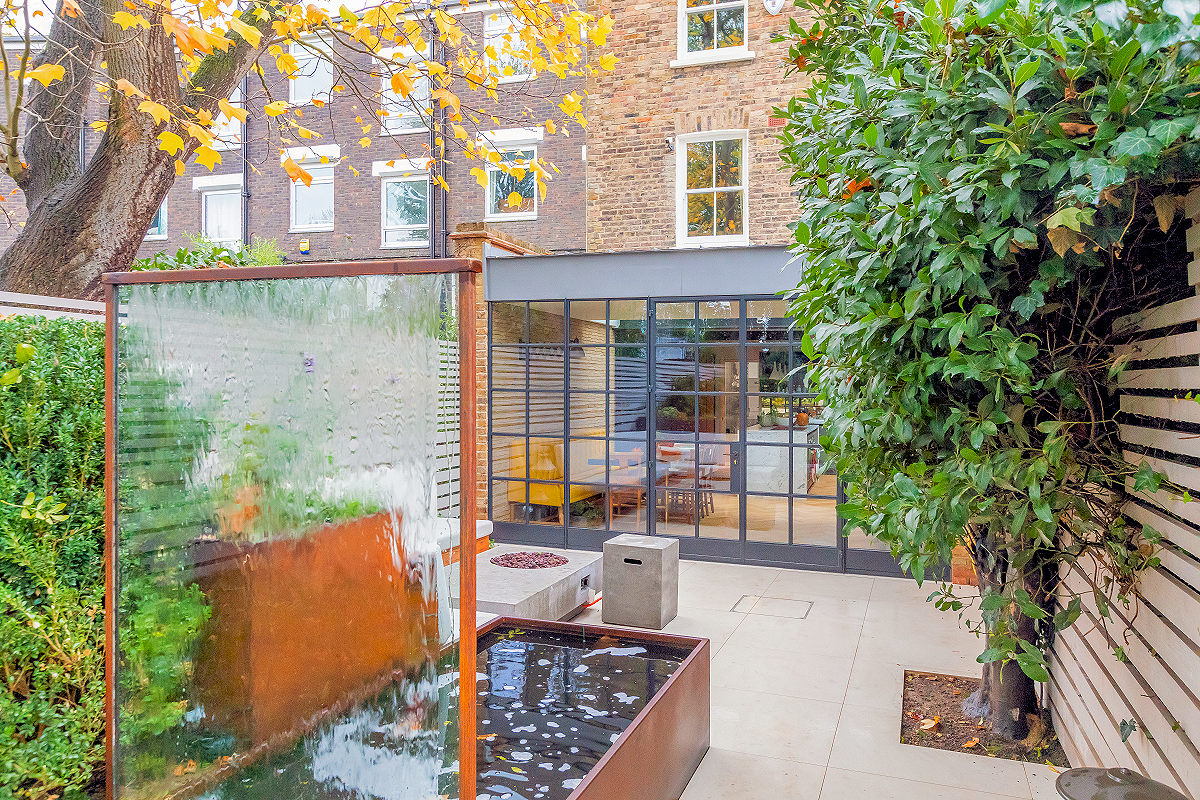
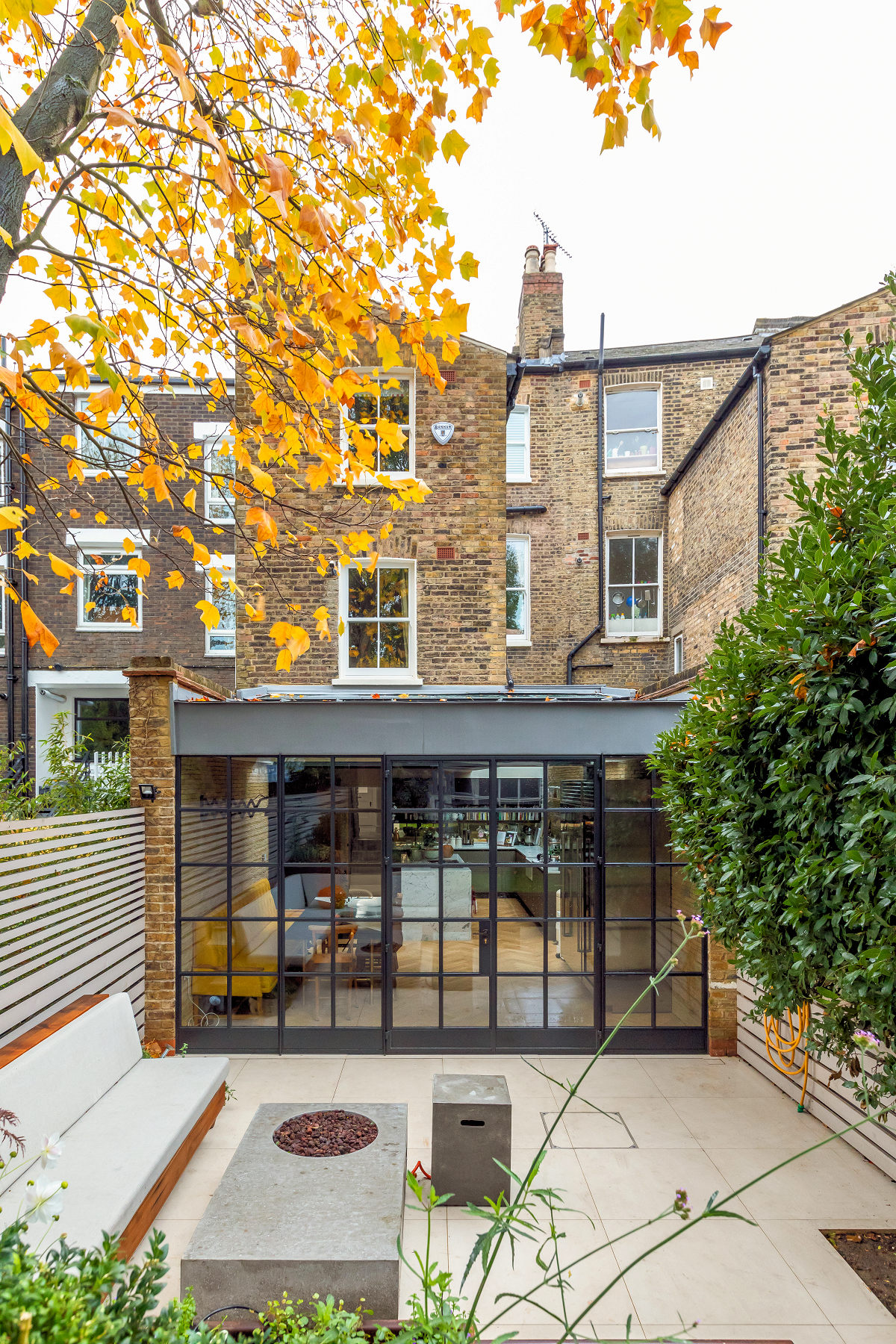
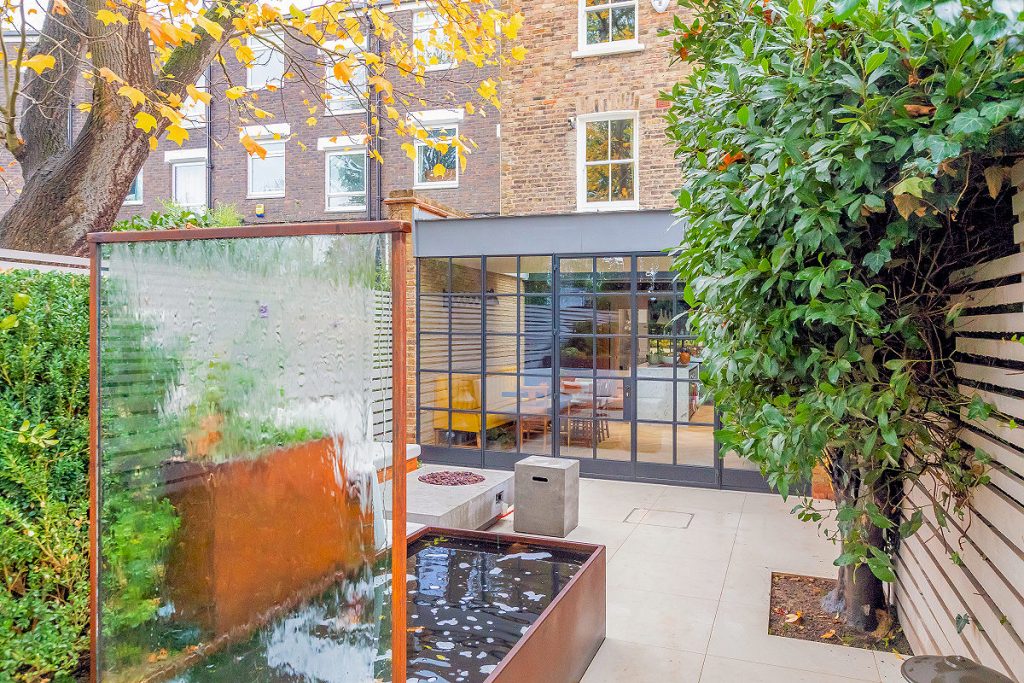
Ground floor rear extensions are popular additions to homes, extending out of the back of the property into the garden space. Often finished with glass doors, they increase natural light and accessibility to the garden, making them a good choice for those looking to maximise living space and connect the indoors with the outdoors1.

Side Extensions

Side extensions are another option, often suitable for properties with extra space on either side. They can create larger living areas, kitchens, or dining rooms, and even bathrooms. In some cases, side extensions can be built within permitted development rights, allowing for a more straightforward planning process2.

Wrap-around Extensions

Wrap-around extensions combine the benefits of rear and side extensions, providing a more significant addition to your property. They can create an L-shaped or U-shaped extension around the rear and side of your home3. These extensions may require planning permission but can offer a substantial increase in space and flexibility for your home’s layout.

Loft Conversions

Loft conversions transform unused attic space into functional living areas, such as an extra bedroom, office, or playroom. They are an excellent option for homes with limited scope for external extensions. With various loft conversion types available, such as dormer, hip-to-gable, and mansard conversions, there’s likely an option to suit your property’s layout and requirements4.

Basement Conversions

Basement conversions make use of existing underground space, turning it into additional living areas, such as a home cinema, gym, or guest bedroom. This type of extension can require extensive structural work and waterproofing, making it a more significant and complex project than other extension types. However, it’s an excellent choice for homes with limited external space and for those looking to create a unique living space5.

In summary, various home extension types can suit different properties and requirements. By carefully considering these options, you can select the best extension type to transform your London home effectively.
Designing Your Extension

Choosing an Architect

When it comes to transforming your London home with an extension, it’s important to choose the right architect for your project. A skilled architect can help bring your vision to life, create a design that matches your tastes, meets your requirements and adds value to your property. It is crucial to discuss your ideas, preferences, and budget with prospective architects, and select one who shares your vision and can deliver within your allocated budget.

Creating the Layout

Once you have chosen an architect, it’s time to work together on creating the perfect layout for your home extension. This is an essential step in ensuring that your new space is functional, comfortable and aesthetically pleasing. You’ll want to consider aspects such as:

  • The purpose of the extension: Whether it be additional bedrooms, a larger kitchen, or a cosy living area, defining the main objective helps guide your choices throughout the design process.
  • The flow of the space: It’s important to think about how your extension will seamlessly integrate with the existing floor plan. Consider how rooms will connect to each other and how you can use features like sliding doors or open-plan designs for more flexible living spaces.
  • Natural light and ventilation: Large windows, skylights or glass doors can help bring more natural light into your extension, creating a more inviting and spacious atmosphere. Ventilation is also important to ensure a healthy and comfortable environment.

Remember that communication is key throughout this process. Working closely with your chosen architect and giving them feedback on their proposals will help ensure that the final design is tailored to your London home’s unique features and meets your specific requirements.

Project Management and Budgeting

When planning a home extension in London, it’s essential to consider project management and budgeting. In this section, we’ll discuss the pros and cons of hiring contractors versus DIY, as well as how to estimate and control costs during the project.

Contractors vs DIY

Choosing between hiring professional contractors and taking the DIY approach is a crucial decision. Hiring contractors brings the advantage of expertise and experience, ensuring a high-quality and efficient build. On the other hand, DIY allows for cost-saving and a hands-on approach, but there is potential for mistakes, delays, or damages. Consider factors such as your expertise, time, and budget when making this decision.

Estimating and Controlling Costs

To effectively estimate and control costs, it’s essential to have a clear understanding of the extension’s specifications, materials, and overall quality. As a rule of thumb, building a home extension in London—just the shell—will cost you at least £2,000 per square metre. Depending on the quality of the finish, costs may increase, making it important to have some flexibility in your budget.

In conclusion, planning and managing a home extension in London involves various considerations and decisions regarding contractors, DIY, and costs. By following the guidance provided in this section, you can enhance your decision-making process, ensuring a successful and cost-effective project.
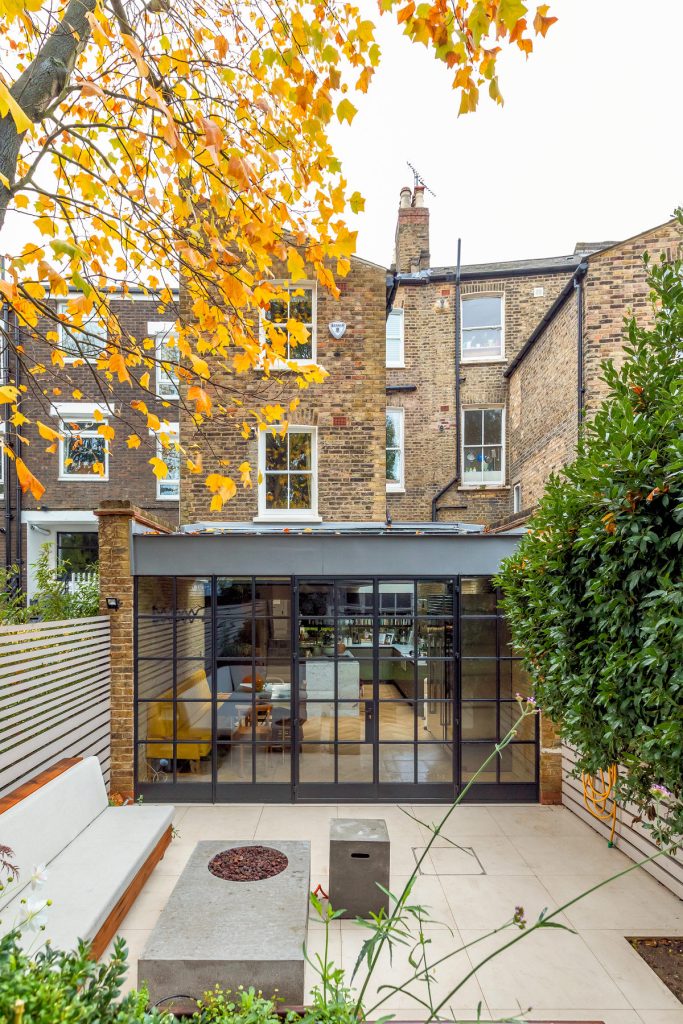
Transforming Your London Home with an Extension: A Guide by House Specialists

Structural Considerations and Insulation

When planning a house extension in London, it’s essential to take into account the structural considerations and insulation requirements. These factors play a significant role in ensuring the stability and energy efficiency of your extended home.

Foundation and Underpinning

The foundation is the backbone of any house extension, providing the necessary support to the new structure. To ensure the stability and longevity of your extension, it’s crucial to select an appropriate foundation type based on factors like soil conditions, property size, and the type of extension. For instance, shallow strip foundations are suitable for smaller extensions, while piled foundations might be necessary for massive projects or challenging soil conditions.

Underpinning, the process of strengthening an existing foundation, is sometimes required when extending your home. This is particularly true for properties with weak foundations due to age, soil movement, or changes in ground conditions. It’s essential to have the existing foundation assessed by a structural engineer before commencing the house extension project to determine if underpinning is necessary (source).

Thermal Performance

Incorporating effective insulation and ensuring optimal thermal performance are key aspects of any house extension project. Energy-efficient extensions not only help reduce your home’s heating and cooling costs but also contribute to a more sustainable living environment.

When planning your extension, make sure it adheres to the UK Building Regulations related to energy efficiency and damp-proofing (source). This includes considerations like the type of insulation used in walls, floors, and roofs, as well as the installation of energy-efficient windows and doors.

One way to boost thermal performance is by opting for cavity wall insulation. This entails installing insulation within the cavity formed by the two layers of a wall. Underfloor insulation, another useful technique, can help prevent heat loss from the ground floor and maintain a comfortable indoor temperature(source).

In conclusion, careful planning and attention to structural considerations and insulation are imperative to ensure the success of your London home extension project. By incorporating solid foundations, underpinning (if required), and effective insulation, your extension will provide lasting comfort and value to your property.

Adding Value to Your Home

As house specialists, we believe that extending your home can do wonders for adding value and improving its overall appeal. Here are a few key aspects to consider when planning your extension project.

Improved Functionality

Home extensions allow you to maximise the use of available space and create a more functional living area. By extending your home, you can reorganise the layout to better suit your needs or accommodate the addition of new rooms and features. For example, you might add a two-storey extension to increase the living space on both floors, or consider a loft extension to make better use of the attic space.

Creating a more functional living space doesn’t just make life more enjoyable for you and your family; it also makes your home more attractive to potential buyers, who are likely to appreciate the increased functionality and ease of use.

Increased Property Value

A well-designed extension can significantly increase the value of your home in the long term. According to Checkatrade, extensions and conversions can add up to 20% to your property’s value. The key is to strike the right balance between extending your home and not overspending, ensuring that the added value of your property outweighs the cost of the project.

A successful extension project will also enhance your home’s curb appeal, making it more attractive to potential buyers. This is particularly important in the London market, where competition is fierce and buyers are often willing to pay a premium for well-designed, aesthetically pleasing properties.

In conclusion, a home extension can offer both functional and financial benefits, enhancing the usability of your living space, while also substantially increasing the value of your property. By making smart choices and working with experienced house specialists, you’ll be in an excellent position to realise the full potential of your home extension project.

Completion and Aftercare

As house specialists, we understand that transforming your London home with an extension is a significant investment. That’s why it’s essential to ensure that your project is completed to the highest standard and that you’re prepared for aftercare. In this guide, we’ll discuss the final inspection and provide some maintenance tips to help you enjoy your new living space for years to come.

Final Inspection

Once your home extension is complete, it’s crucial to have a thorough inspection to ensure the finished project meets your expectations and the required building regulations. We recommend walking through the space with your contractor and discussing any concerns or issues that may arise. Areas to consider during the inspection include:

  • Checking the structural integrity of the extension
  • Ensuring all plumbing and electrics are functioning correctly
  • Confirming the quality of the insulation and soundproofing
  • Evaluating the finish of internal and external walls, including paintwork and tiling
  • Verifying that windows and doors are watertight and operating smoothly

After the inspection, your contractor may need to rectify any identified issues before the project is officially signed off.

Maintenance Tips

To help preserve your London home extension’s value and appearance, it’s essential to perform regular maintenance. Here are some maintenance tips to follow:

  1. Inspect sealant and weatherproofing:Annually examine the exterior of your home, focusing on the sealant and weatherproofing around windows, doors, and the roof. This will help prevent water ingress and maintain energy efficiency.
  2. Keep gutters clear:Routinely clean and check your gutters and downpipes to avoid water damage or damp issues within your extension.
  3. Maintain external walls:Regularly inspect the external walls for any cracks, flaking paint or stains. Addressing minor issues early can prevent them from becoming more severe and costly to repair.
  4. Look after internal surfaces:Take care of your internal walls, ceilings, and floors by keeping them clean, repairing any minor damage, and repainting or resealing as needed.
  5. Check your electrics and plumbing:Inspect electrical outlets and fixtures to ensure they are working correctly, and keep an eye out for any signs of water leaks, particularly around bathrooms and kitchens.

By following these maintenance tips, you can keep your London home extension looking fresh and functioning effectively for years to come.

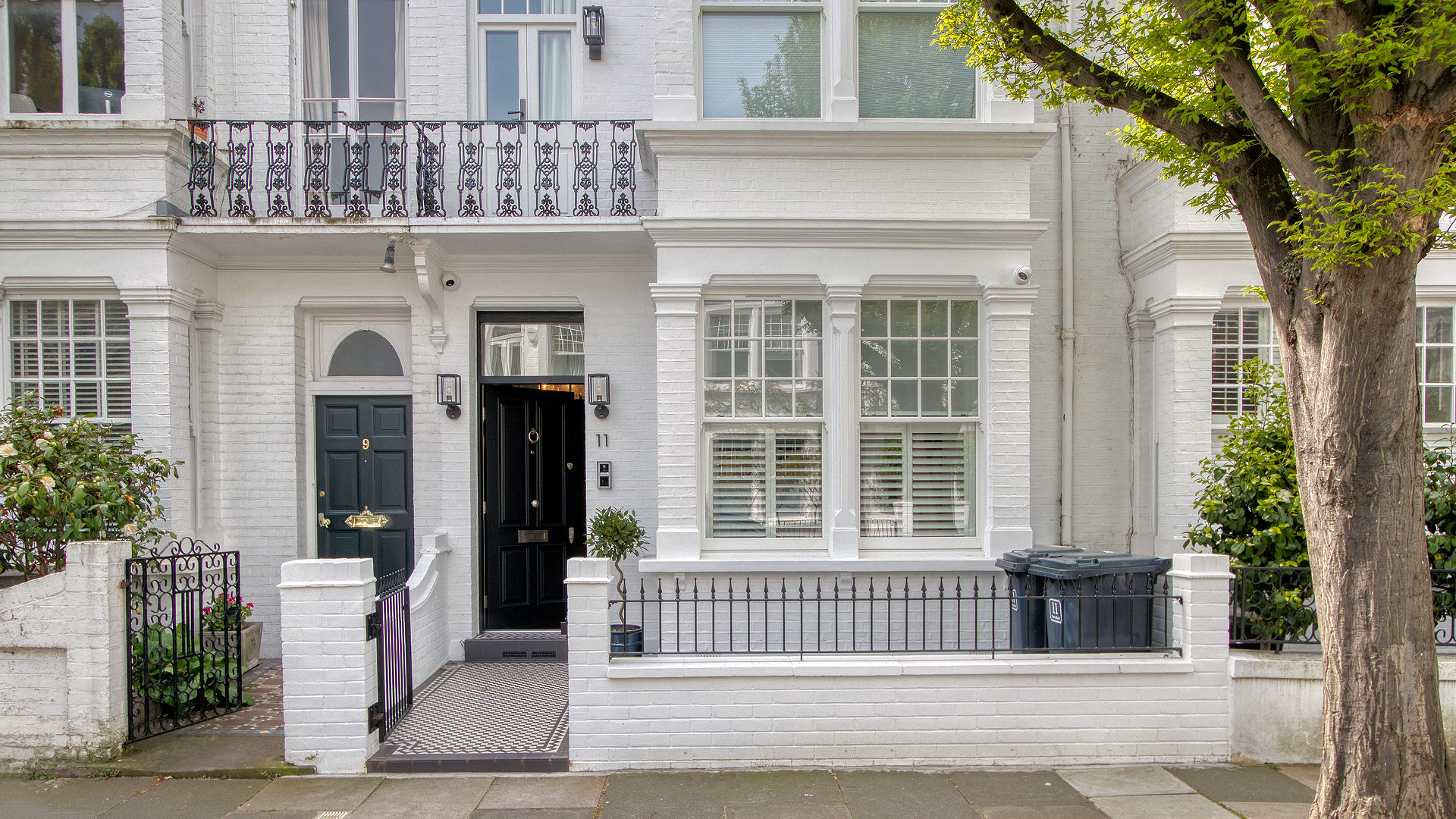
 

Essential Elements of Basement Construction

When undertaking the creation of a beautiful, high-end basement space, the importance of robust planning, experienced guidance, and a dedicated team cannot be overstated. Whether you’re embarking on a new build construction or revitalizing a cherished property through home restoration in London, comprehending the key aspects of basement construction can be the linchpin of your project’s success. This is precisely where our pedigree as a leading London construction company shines. We’re renowned for our proficiency in developing exquisite basement extensions in London, providing homeowners with comprehensive direction throughout each phase of construction.

Entrusting your project to high-end builders in London ensures meticulous attention to every detail, whether you’re aiming for a basement extension or a complete home refurbishment. From surveying the site to adding the finishing touches, our construction company leverages years of expertise to bring your vision to life. Now, let’s delve into the fundamental elements of basement construction and how they come together to create a space that is not only functional and safe, but also a perfect reflection of your style and needs.

Understanding Site Surveys

Before breaking ground for your basement extension in London, a comprehensive site survey is essential. This provides a thorough understanding of your land, its characteristics, and its potential challenges. Site surveys form the foundation upon which your construction plan is based, informing all subsequent decisions in the project.

Selecting the Right Foundation

Much like choosing a sturdy pair of boots before a long hike, selecting the right foundation for your basement is crucial. It’s the bedrock that supports your structure, offering resilience and stability.

The Art of Excavation

Excavation is the act of unearthing potential. Done correctly, it paves the way for a successful build, effectively setting the stage where your basement extension in London will come to life.

The Science of Framing

Just as our bones provide structure and form to our bodies, basement framing does the same for your basement. It’s about creating a layout and defining spaces, crucially shaping how your basement functions and feels.

Waterproofing: The Unsung Hero

Ensuring an effective waterproofing system is crucial in preventing potential water damage. It’s a protective measure that can save you considerable hassle and repair costs down the line.

The Warmth of Insulation

Rightly chosen and installed insulation plays a vital role in maintaining a comfortable temperature in your basement, enhancing energy efficiency, and providing valuable soundproofing.

Plumbing and Electrical Systems: The Basement Lifelines

A basement houses significant portions of a home’s plumbing and electrical systems. The careful planning and execution of these elements are crucial to safety, functionality, and future maintenance.

Ventilation: The Breath of Your Basement

Proper ventilation maintains a fresh environment and wards off issues like dampness and mold. It’s an essential aspect that promotes the longevity of your basement.

Choosing the Right Flooring

The right flooring choice can dramatically influence the look and feel of your basement. Striking the balance between aesthetic appeal and practical considerations like moisture resistance and durability is key.

Basement Finishing: The Final Flourish

The finishing stage is where your basement truly comes to life. The right finishes and fixtures add a personal touch to your basement and ensure its functionality aligns with your lifestyle.

Questions and Answers

Q1: How can I find a reputable high-end construction company in London?
A1: Look for companies with positive reviews, a proven track record, and extensive basement construction experience.

Q2: What factors should I consider when choosing a foundation for my basement?
A2: Consider soil type, groundwater level, structural load, and your specific requirements.

Q3: What challenges might I face during excavation and how to mitigate them?
A3: Challenges include soil stability and water infiltration. Engage professionals for proper planning.

Q4: Could you explain more about different basement framing methods?
A4: Popular framing methods include wood and metal framing. Choice depends on budget, preference, and local codes.

Q5: What are the best waterproofing techniques for a basement in London?
A5: Waterproofing techniques include interior and exterior methods, such as sealants, drainage systems, or waterproofing membranes.

Q6: How can I ensure I’m choosing the right insulation for my basement?
A6: Consider your climate, budget, and local building codes. Spray foam and fiberglass are common choices.

Q7: What specific plumbing and electrical considerations should I be aware of for basements?
A7: Consider location of main supply, drainage, code compliance, and future accessibility when planning utilities.

Q8: Can you suggest some effective ventilation strategies for basements?
A8: Effective ventilation includes natural ventilation, mechanical ventilation systems, and dehumidifiers.

Q9: How do I choose the right flooring option for my basement?
A9: Consider moisture resistance, durability, maintenance, comfort, and aesthetics.

Q10: What should I prioritize when planning for basement finishing?
A10: Prioritize moisture-proof materials, sufficient lighting, versatile space planning, and personalized aesthetics.

Conclusion

From the initial site survey to the selection of finishing touches, each element plays a pivotal role in basement construction. The care and detail that goes into each phase ensure a final result that is both beautiful and functional, a space that you’ll enjoy for many years to come. Always remember, you’re not alone on this journey. Reach out to professionals for advice and guidance, and never hesitate to draw upon the wealth of experience that a high-end construction company in London can offer. For more insights on home refurbishments and basement extensions, follow our blog and stay informed.

The Benefits of Adding a Basement Apartment to Your Home

Adding a basement apartment to your home can prove to be a smart decision for various reasons. Not only does it provide an additional living space, but it can also increase the property’s value and generate extra income through rental units. In this article, we will explore the benefits of creating a basement apartment and why it might be an excellent option for homeowners looking to make the most out of their property.

A primary advantage of a basement apartment is its potential to increase the overall value of your home. It is estimated that if you spend £10,000 on the basement apartment, the value of your home may increase by about £7,000. Making the basement apartment functional and appealing will give potential buyers more reason to invest in your property, making it a valuable addition to the real estate market.

Moreover, another benefit of adding a basement apartment is the opportunity it presents for generating rental income. By converting the space into a liveable, separate rental unit, homeowners can enjoy a steady monthly income. The demand for affordable housing options, particularly in urban areas, means that renting out a basement apartment can be an attractive option for both tenants and homeowners. Furthermore, basement apartments tend to be more affordable compared to other options, which can make it an appealing choice for renters looking for a cost-effective living arrangement.

Why Add a Basement Apartment

Additional Income

One of the primary benefits of adding a basement apartment to your home is the potential for generating additional income. By renting out this space, homeowners can receive monthly rental payments from their tenant, helping to offset mortgage costs or other living expenses. Basement apartments are often considered more affordable compared to above-ground apartments, making them an attractive option for renters seeking lower rent. This demand for affordable housing options can result in a steady stream of potential tenants, assisting homeowners in maintaining consistent rental income.

Increased Home Value

Adding a basement apartment can increase the property value of your home. As a self-contained, functional living space, a basement apartment contributes additional square footage and utility to the property. This can make your home more appealing to potential buyers when it comes time to sell, especially given the increasing trend of multi-generational living arrangements.

Additionally, a well-designed and legally compliant basement apartment may increase your property’s market value by attracting buyers looking for properties with built-in rental units that can generate income.

Flexible Living Space

A basement apartment serves as a versatile living space, offering flexibility to accommodate various living situations. For instance, a homeowner might use the basement apartment for an in-law suite when they have elderly family members who need a place to live but wish to retain their independence. Alternatively, the space could be ideal for housing an au pair or for adult children returning home after completing their education.

Moreover, having the flexibility of a separate living space also provides homeowners with the opportunity to use the apartment for their own temporary needs, such as a private home office or guest accommodation.

In summary, adding a basement apartment to your home offers a range of advantages, from generating extra income to increasing your property’s value and providing flexible living arrangements. This home improvement project can be both financially rewarding and practically beneficial for homeowners and their families.

Advantages of Basement Apartments

Affordability

One of the main benefits of a basement apartment is its affordability. Generally, these units are less expensive than comparable above-ground and garden-level apartments. This can make them a great option for both homeowners and renters in search of lower-cost housing. In some cases, basement units can be as much as 20 percent cheaper than other units in the same building.

Privacy and Security

Basement apartments often provide increased privacy, as they usually come with their own private entrance. This can be especially beneficial for tenants who value minimal interactions with neighbours and passers-by. Additionally, being located below ground, basement apartments have fewer windows and entry points, which can result in better security.

Comfort and Space

Interestingly, basement apartments tend to offer more square footage than standard units, particularly when occupying the entire lower level of a single-family home source. The larger spaces can lead to a more comfortable and spacious living environment for tenants. Notwithstanding the potential for reduced natural light, homeowners can install sufficient artificial lighting to create a bright and airy atmosphere.

Basement apartments also have the potential for improved energy efficiency as they are naturally insulated by the earth surrounding them. This can result in lower utility costs for heating and cooling the space, benefiting both the tenant and the property owner.

In summary, basement apartments offer several advantages, including affordability, privacy and security, and a comfortable, spacious living environment. These factors make them an appealing option for homeowners considering the addition of a rental unit to their property, as well as renters in search of a cost-effective and private living space.

Key Considerations and Regulations

Before adding a basement apartment to your home, several key considerations and regulations must be addressed to ensure a comfortable and legally compliant living space. This section covers Building Codes and Legal Requirements, Proper Insulation and Ventilation, and Egress and Safety Features.

Building Codes and Legal Requirements

Abiding by building codes and legal guidelines is crucial when constructing a basement apartment. These regulations ensure the space is safe, habitable and up to the standards set forth by the local authorities. Homeowners must acquire necessary permits and adhere to zoning laws before commencing construction. Additionally, the basement should meet proper ceiling height and square footage requirements to be considered a legal living space.

Proper Insulation and Ventilation

For a comfortable living environment, proper insulation and ventilation is key. This can help regulate temperature, reduce humidity levels, and prevent mould growth. It is crucial to seal and insulate exterior walls, install vapour barriers, and provide adequate insulation between the floors separating the basement from the rest of the house. Properly planned HVAC systems play a crucial role in maintaining the desired temperature and ensuring healthy air quality.

Egress and Safety Features

A safe basement apartment requires the presence of egress windows and other safety features. Egress windows not only provide a means of escape in case of emergencies but also allow for adequate natural light and ventilation. In addition, the minimum size for these windows should meet legal requirements related to safety and escape routes. It is essential to install a sufficient number of smoke and carbon monoxide detectors according to the local regulations. Furthermore, ensure that electrical systems are inspected and meet the legal guidelines to prevent potential fire hazards.

In conclusion, creating a basement apartment involves a range of key considerations and regulations. Prioritising building codes, insulation, ventilation, and safety features should help homeowners create a legal, safe, and comfortable living space for future tenants.

Potential Challenges and Solutions

Plumbing and Electrical Issues

One potential challenge when adding a basement apartment to your home is addressing plumbing and electrical issues. Since basement units often require additional plumbing work, this may include the installation of separate systems for waste disposal and hot water supply. To mitigate plumbing problems, hire a professional plumber with experience in basement renovations.

Electrical issues are also common in basement apartments due to their typically limited access to natural light. Thus, artificial lighting is crucial, and the installation should be done by a certified electrician. To provide a better living environment, consider installing energy-efficient LED lights that produce less heat, helping maintain a comfortable temperature in the space.

Moisture, Mold, and Radon

Basement apartments are prone to moisture and dampness, leading to potential issues such as mold and radon. To tackle these concerns, it is essential to properly seal the foundation and walls, as well as install a quality dehumidifier to keep humidity levels at bay. Waterproofing the basement is also a must to prevent leaks and moisture infiltration. Furthermore, proper ventilation should be in place to reduce the risk of mold growth.

Radon, a radioactive gas, can accumulate in basements due to their proximity to the ground. Therefore, radon mitigation systems should be installed by a licensed professional to ensure a safe environment.

Noise and Privacy Concerns

Basement apartments may have more noise and privacy concerns compared to above-ground homes. To address these issues, consider installing soundproofing measures such as insulation in the walls, ceilings, and floors. Additionally, carpet tiles or area rugs can help absorb sounds and create a more comfortable living space.

For privacy, ensure there are separate entrances for the basement apartment and the rest of the house. This not only provides privacy for both parties but also creates a sense of independence for the basement tenant.

In summary, adding a basement apartment to your home comes with its challenges. However, through careful planning and working with experienced professionals, these obstacles can be overcome, resulting in a valuable addition to your property.

Designing and Renovating the Basement Apartment

Natural Light and Windows

Incorporating natural light in a basement apartment is essential for a welcoming and vibrant living space. Converting the basement into a daylight basement will help bring in the necessary light while adding windows or creating a window well. If possible, consult with a contractor to confirm the feasibility of adding more windows for better light exposure.

Optimising Kitchen and Bathroom Spaces

Creating functional kitchen and bathroom spaces within a limited area is essential for a basement apartment. Consider implementing a space-saving open plan kitchen design that maximises efficiency. In the bathroom, opt for a compact shower, basin, and toilet to save space without compromising the room’s functionality. You may also explore renovation ideas for kitchen and bathroom to find the optimal layout for your basement apartment.

Bedroom and Storage Solutions

When designing bedrooms for a basement apartment, it’s crucial to balance between comfort and utilising available space. Analyse the square footage of your basement and determine if a one or two-bedroom floor plan will work best. Utilise clever storage solutions like built-in wardrobes, under-bed storage, and multi-purpose furniture to maximise space and functionality.

Furnishing and Decor

Thoughtful furnishing and decor choices can transform a basement apartment into a comfortable, inviting living space. Invest in quality mattresses and durable, functional furniture that meets the needs of your potential renters. Use colours that complement the natural light and choose artwork and accessories that personalise and enhance the living experience. Additionally, consider adding rugs or soft textiles to add warmth and appeal to the basement apartment.

Final Thoughts and Tips

When considering adding a basement apartment to your home, it’s essential to weigh the potential benefits against the cost and effort required. A well-designed basement apartment can provide extra living space for family members, such as ageing parents or returning college students, and increase your property value. Additionally, renting out a basement apartment can generate extra income and potentially help recoup the costs of building the space.

In order to create a successful basement apartment, it’s crucial to consider the following tips:

  • Compliance: Ensure that your basement apartment meets local building regulations and codes. This may include proper egress windows, fireproofing, and ceiling height requirements. Consult with a professional if you are not certain.
  • Efficient use of space: Utilise space-saving features, such as built-in storage and multipurpose furniture, to maximise the functionality of the compact apartment. Designing a basement apartment with a thoughtful floor plan can make a significant difference to its appeal.
  • Moisture control: Basements are prone to dampness, so it’s important to properly control moisture levels with adequate ventilation and by installing a sump pump or dehumidifier if needed.
  • Lighting: Basements can lack natural light, making it important to carefully plan lighting in the space. Make use of both ambient and task lighting, and consider adding egress windows to bring in more natural light.
  • Soundproofing: Ensure that the basement apartment is well insulated to minimise noise transfer between levels. This can help maintain privacy and provide a more comfortable living environment for both the tenants and the homeowner.
  • Aesthetics: Finally, create a visually appealing basement apartment by incorporating modern design elements and finishes. Pay attention to colours, textures, and materials to make the space feel welcoming and cosy.

By considering these tips and incorporating them into your basement renovation, you are more likely to create a desirable basement apartment that adds value to your home and serves as a comfortable, functional living space for tenants or family members.

Eco-Friendly Refurbishments: Mimar’s Guide to Sustainable Living in London

Sustainable living is becoming increasingly popular in London, as people are becoming more aware of the impact of their daily lives on the environment. One way to reduce your carbon footprint is through eco-friendly refurbishments. In this guide, we’ll explore the different ways you can make your home more sustainable, from energy-efficient lighting to sustainable materials.

Energy-efficient lighting

One of the easiest ways to reduce your energy consumption is by using energy-efficient lighting. LED bulbs use up to 80% less energy than traditional incandescent bulbs and last up to 25 times longer. This not only saves you money on your energy bills but reduces your carbon footprint.

Solar panels

Solar panels are a great way to generate your own electricity and reduce your reliance on the grid. They work by converting sunlight into electricity, which can be used to power your home. They are becoming increasingly popular in London, and many homeowners are installing them on their roofs.

Insulation

Insulating your home is another way to reduce your energy consumption. Good insulation helps to keep your home warm in the winter and cool in the summer, reducing your reliance on heating and cooling systems. This not only saves you money on your energy bills but also reduces your carbon footprint.

Sustainable materials

When refurbishing your home, consider using sustainable materials. Sustainable materials are those that are environmentally friendly, renewable, and have low carbon footprints. Examples include bamboo, cork, and recycled materials. They are not only better for the environment but also add a unique and stylish touch to your home.

Water-saving features

Water-saving features are another way to reduce your carbon footprint. Low-flow showerheads and faucets use less water than traditional ones, reducing your water consumption and saving you money on your water bills. You can also install rainwater harvesting systems, which collect rainwater and store it for later use. This water can be used for watering plants, washing clothes, or flushing toilets.

Green roofs

Green roofs are becoming increasingly popular in London, as they provide a range of environmental benefits. They help to reduce the urban heat island effect, improve air quality, and provide habitats for wildlife. They also provide insulation, reducing your reliance on heating and cooling systems. If you’re considering a refurbishment, a green roof is definitely worth considering.

Smart home technology

Smart home technology is another way to reduce your energy consumption.

5 Reasons to Choose Mimar for Your London Refurbishment Project

When it comes to refurbishing your London property, choosing the right construction company is crucial for a successful outcome. Mimar is a high-end building company specialising in the construction, restoration, and refurbishment of residential and commercial properties in and around London. With our expertise and commitment to delivering the highest quality results, we believe we are the perfect choice for your refurbishment project.

There are several reasons why we stand out from the competition. One key aspect is our dedicated team who possess a wealth of experience in handling luxury refurbishments in London’s most exclusive areas. We understand the importance of working closely with clients, as well as architects and interior designers, to ensure that every detail of the project is executed to perfection. Our collaborative approach and commitment to clear communication ensure that our clients are involved throughout the process, helping to create the perfect vision for their property.

In addition to our experienced team, our range of services also sets us apart. We offer full mechanical and electrical services, along with expert brickwork, gas and plumbing, and a focus on roofing and tiling. All these services are handled by our skilled and qualified professionals, ensuring that every aspect of your refurbishment project results in excellent quality and satisfaction. With Mimar, you can be confident that your London property refurbishment will be in the most capable hands.

High-Quality Service

Experienced Team

At Mimar, our top priority is offering a high-quality service to our clients. We understand the importance of having an experienced team that can manage and execute refurbishment projects, keeping the client’s needs and vision in mind. Our team comprises experts from various fields, including construction, design, and project management, ensuring that we can handle all aspects of your London refurbishment project.

Comprehensive Plan

As a leading refurbishment company in Greater London, we develop comprehensive plans for our projects, encompassing North, West, South, and East London. We ensure that all project details are covered, such as:

  • Construction materials and techniques
  • Timelines and milestones
  • Budget estimates
  • Permits and regulations

This well-rounded approach helps us deliver tailored solutions to meet your specific refurbishment requirements.

Execution Excellence

When it comes to execution, we pride ourselves on delivering projects that exceed our clients’ expectations. Our dedicated project managers work closely with our construction team, ensuring that:

  • The refurbishment process follows the established plan
  • Timelines are maintained
  • Quality control checks are in place
  • Communication with the client is open and transparent

In addition, we place significant importance on health and safety regulations. Our team adheres to the highest safety standards, ensuring a secure and risk-free environment for tenants and workers alike.

Mimar is committed to providing top-notch refurbishment services across Greater London, earning your trust through our experienced team, comprehensive planning, and excellence in execution. Choose us for a seamless and reliable refurbishment project.

Expert Design and Planning

When it comes to refurbishing your London property, choosing Mimar for your project ensures you receive expert design and planning services. Our experience in property refurbishments, extensions, and alterations allows us to deliver top-quality results every time.

Customisation

We understand that every client has unique requirements and preferences. Our team works closely with you to create a bespoke design plan, ensuring we can turn your vision into reality. From modern conversions to traditional renovations, our expertise will ensure your project is tailored to your specific needs.

Modernisation

As a leading building company in London, we are constantly updating our knowledge of the latest trends and technologies. Our skilled team can incorporate the newest electrical and mechanical services into your project, ensuring your refurbished property remains at the forefront of innovation.

  • Electrical services: Upgrade lighting systems, install energy-efficient features and automate your home
  • Mechanical services: Integrate modern heating, ventilation, and air-conditioning systems, as well as innovative plumbing solutions

Planning Permission

Acquiring planning permission in London can be a complex process. Our team of experts is well-versed in navigating the intricacies of local regulations and can guide you through this crucial step. We liaise with relevant authorities on your behalf, ensuring your project is compliant with the necessary guidelines and that your refurbishment proceeds without any hiccups. Mimar has extensive experience dealing with property extensions, alterations, and conversions, allowing you to confidently entrust your project to our capable hands.

To summarise, choosing Mimar for your London refurbishment project ensures expert design, customisation, and modernisation, as well as assistance with the complexities of planning permission. Trust our skilled team to bring your vision to life, combining our wealth of experience with meticulous attention to detail.

Value for Money

Budget Considerations

At Mimar, we understand the importance of working within your budget without compromising on quality. We strive to provide a refurbishment service that offers excellent value for money by carefully selecting materials and employing skilled labour. Our team is dedicated to helping you make informed decisions on where to allocate your resources, so you get the most out of your investment.

  • Expert advice on material selection to ensure durability and cost-effectiveness
  • Skilled labour to ensure quality workmanship at a reasonable price
  • Detailed and transparent cost breakdown to help you manage your budget

Cost Vs. Benefit

We believe in delivering projects that offer long-term benefits for our clients. Our London refurbishment projects not only improve the aesthetic appeal of your property but also increase its functionality and value. By evaluating the cost versus benefit of each aspect, we maximise the return on your investment while ensuring the project remains tailored to your needs.

  • Focus on improvements that provide long-lasting benefits
  • Balancing aesthetic upgrades with functional enhancements
  • Evaluating cost-effectiveness to maximise return on investment

By choosing Mimar for your London refurbishment project, you will receive excellent value for money. From careful budget considerations to weighing cost versus benefit, we pride ourselves on delivering exceptional projects that stand the test of time.

Reputable Portfolio and Experience

Residential Refurbishment

At Mimar, we have extensive experience in residential refurbishment projects across London. Our team of experts can handle everything from planning and design to construction and installation, making sure your home renovation is completed to the highest standard. We are particularly skilled at working with luxury properties, ensuring that every detail is finished to perfection.

Our residential refurbishment projects have included a variety of property types, from period homes in need of restoration to contemporary houses seeking a modern facelift. No matter the size or style of your property, we can deliver a high-quality refurbishment tailored to your specific needs and preferences.

Some of the key aspects of our residential refurbishment services include:

  • Design and planning: We collaborate with you to create the ideal design for your home, taking into account your taste, budget, and requirements.
  • Building and construction: Our experienced team takes care of all aspects of the building process, ensuring that the renovation is carried out smoothly and efficiently.
  • Electrical and mechanical services: We offer outstanding electrical and mechanical services, ensuring that all systems in your home are updated and functioning perfectly.

Commercial Refurbishment

In addition to our residential services, we also have a strong reputation for our work in commercial properties. With 15 years of experience in the industry, we have been involved in a wide range of commercial projects, from office fit-outs to retail store renovations. Our commitment to client satisfaction and high-quality work has led to a reputable portfolio of completed projects.

Our commercial refurbishment services include:

  • Design and planning: Working closely with you, we develop a practical and appealing design for your commercial space that meets your business requirements.
  • Construction and installation: From structural changes to interior fit-outs, our team manages all aspects of the refurbishment process.
  • Electrical and mechanical services: We ensure that your commercial property has safe and efficient electrical and mechanical systems in place.

Whether you are looking to revamp your London home or renovate a commercial space, you can trust Mimar to provide top-notch services that exceed expectations. Our expertise and dedication to quality make us the ideal choice for your refurbishment project.

Areas of Specialisation

Mimar’s Unique Services

At Mimar, we pride ourselves on our ability to handle a wide range of refurbishment projects, ensuring excellence at every stage. Our specialisations include high-end building construction, restoration, and refurbishment, catering to both residential and commercial properties in London. Whether you require assistance with decorating, roofing, or creating luxurious spaces such as fitness rooms, we are more than equipped to handle your specific needs.

Here are a few examples of our services:

  • Interior and exterior decorating
  • Roofing and structural work
  • Installation of gyms and other leisure facilities
  • Bespoke joinery and carpentry
  • Electrical and mechanical services

Exclusive London Areas

Our expertise in refurbishments of London properties extends to several prestigious districts in the city, including Kensington and Chelsea, Hammersmith and Fulham, Camden and Haringey. This allows us to cater to an array of clients, from property investors looking to revamp their portfolios, commercial landlords seeking premium office spaces, or tenants searching for modernised flats for lease or sale.

We understand that each area in London has its unique charm and needs, and therefore, our refurbishment projects are carefully tailored to respect and preserve the essence of each location.
Kensington and Chelsea, for instance, is home to elegant residential streets and stunning architecture. Our team is experienced in transforming properties in this area while maintaining their historical identity and adhering to any preservation regulations.

In summary, when choosing Mimar for your London refurbishment project, you can trust us to provide quality work in exclusive areas, tailor-made to suit your unique requirements. So, rely on our expertise and watch your property investment reach new heights.

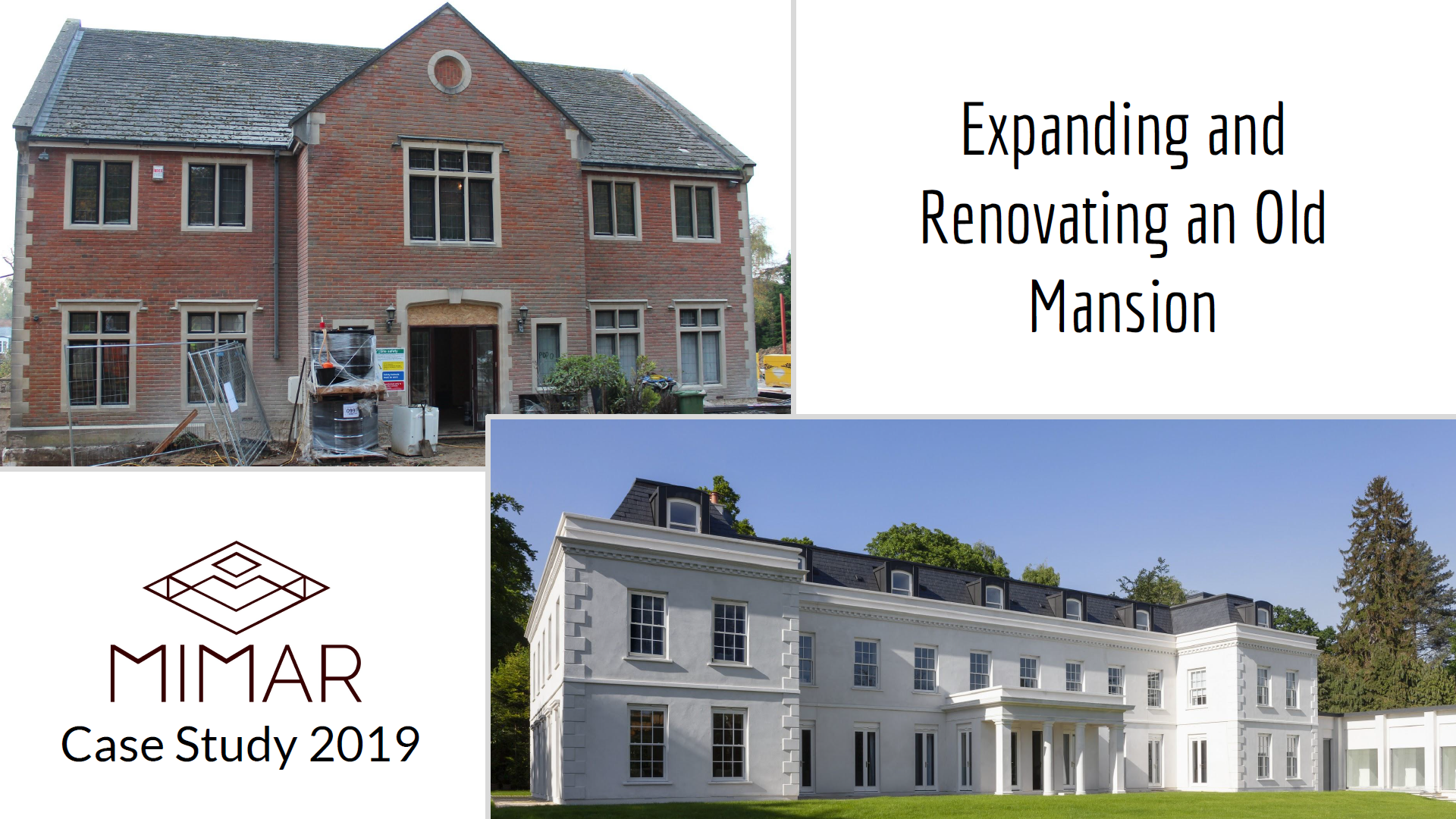
Expanding and Renovating an Old Mansion – Case Study

In this PDF presentation we describe a complete transformation of an old mansion into a modern luxurious palace. The renovation was performed by the construction company from London – Mimar.

On 28 slides of the presentation you will find a collection of photos showing our builders at work of refurbishing and expanding this old property. A broad range of various works had to be accomplished during this project including erecting completely new parts of the building.

    Explore pictures of our construction work and high-end finishing stage by stage, as we were executing the home design and interior design provided by the client.

    The construction company was required to manage almost all tasks from the very beginning to the final stage.

    During the property development project Mimar was expected to:

    – Renovate the building to the finest standard
    – Build extension of the house by adding two wings and the second floor, which then required a new roof for the entire building
    – Lay foundations and erect walls of the new wings of the building
    – Construct of two flats, a gym, and a swimming pool in one of the wings
    – Reconstruct the roof completely
    – 1st fix and 2nd fix
    – Lay out all mechanical and electrical services, i.e. design, install and commission of all intelligent systems (Building Management System)
    – Erect a garage for three cars, with enough room for a limousine

    Would you like to see how we handled it?
    Contact us and request the case study!

    Practicalities – putting all the pieces of the project together

    5 practical things to have in place so your build starts efficiently

    A surprising amount of basic and practical things are necessary for even a relatively small build. It’s important to make sure everything is in place well in advance so that there are no surprises or delays when the project starts. It should all start as smoothly and calmly as it is expected to finish. Ideally, you will start out with a professional project manager who will make sure that everything is completely ready for when they pick up their first tool.

    Things to have in place in advance:

    • Building and planning permission
    • A site survey
    • Insurance and certificates
    • References from previous jobs
    • Appropriate and transparent costing

    Building and planning permission

    The first thing to organise is building or planning permission. You already know what you would like to put in place, and you will have structural engineers and solicitors assisting with that. However, if you need your builder’s input, they need to be ready and able to add their expert support to your application.

    Conducting the site survey

    Everyone needs to understand the scope of the job before anything can start, and your project manager should arrange to see the area very early on. This isn’t solely to work out space and cost; your builder will want to see how the land lies, how the building is set up, where they can access the area and what sort of job-specific tools might be necessary. From the very first moment, the project manager’s mind will be whirring away, solving any problems before they appear.

    Your builder’s experience

    You choose a builder based on what they say they can do, and will have a fair idea of their work from the examples they choose to display online. Nevertheless, you should be presented with a more detailed portfolio. This will contain more examples of the precise nature of the builder’s experience and expertise. Photographs are chosen to show the precision of their technical work rather than what looks attractive on a website. You don’t need to rely on what they say – you can see what they do.

    Insurance and relevant documents

    There is a great deal of necessary paperwork involved with any build. Fortunately, your project manager will know precisely what they need and will have it order. They will bring all documents relating to insurance, first aid and specialist certifications to the very first meeting, ready for the client’s inspection. If they come armed with extras, such as training details or recommended subcontractors, that’s even better. You don’t want to be left waiting for these things, wondering whether they exist at all.

    References

    Everyone likes to show off their work, particularly if it’s a matter of professional pride. When you have an exceptional builder, they will be eager to show you examples of their work. Of course, they will bring several references, and of course you will want to read them. But, further than this, you’ll want to talk to other clients. You might even want to see examples of what they can do. If your builder can arrange this, it’s a good sign that they have made their previous clients very happy. Imagine what it will be like when your client wants to show off your project as a pinnacle of design.

    Quotation and timetable

    As much of the quotation as possible should be prepared in advance. Your client deals in specifics and certainties, so this should be provided for their build. However, there might be some areas where they want to consider for a little longer to get things right; these are the tiles they want, these are the lights. If the project is design and build, expect all the certainties to be priced first, and with a projected range for any additions.

    What to expect from Mimar

    Mimar will provide all the necessary paperwork at the first meeting. They will organise a site survey and document and resolve any areas of concern they might find. They will make sure there is a sensible quotation and timetable in place, and will work to ensure that they always find the best prices from reliable suppliers. You will be provided with references from both architects and previous clients, and they will be happy to take you to completed builds. In short, they will provide the smooth start that your client wants to see.

    Imagination and innovation – building bigger and better

    4 qualities of a learning, growing and thriving building firm

    The firm you choose should be thriving with new information being constantly absorbed – this is what leads to innovative buildings. Like in any other part of life, novel and exciting projects keep everyone fresh, progress the industry and change the look of the world. These days, we have the magic of seeing hundreds of the newest things every time we walk down the oldest street. Your client wants the best, the newest and the most imaginative design. They want to be able to lead their friends and neighbours with shining examples, and not show them the same tired old designs that can be found in any one of their houses.

    The thriving builder is:

    • Intrigued by new materials and technology
    • Eager to learn and to train others
    • Ready to work on a variety of build types
    • a firm that just keeps growing

    New building technology

    Building styles are evolving and growing, and they bring with them novel ways of working with intriguing materials. Your builder should feel as excited about them as you are. It’s vital that your builder doesn’t want to stay with what’s familiar and safe. They want to work with your ideas and won’t want to change them to fit their abilities. After all, isn’t it better if their abilities expand?

    Every day is a learning experience

    With all these fun new materials and this interesting technology finding its way into your design, your builder is going to want to make sure they are absolutely ready and able to handle them with the precision and expertise that you need. A builder should be naturally curious and want to go out to train and learn, and to come back and share all of this exciting new information with their peers.

    Keeping things fresh

    You don’t need to build something from the ground up to show off something new. You have designed state-of-the-art and unique builds for very different people in all sorts of buildings. An innovative, progressive builder should be exactly the same. They won’t be deterred by hearing the words ‘listed building’ or ‘eco-build’. Going into each situation knowing that they can deliver the quality expected by you and your client, in any situation or location, is a matter of professional pride.

    The growing business

    There is a sparkle of something wonderful that happens when you get to pass on your knowledge to someone who really wants to receive it. Every expert, professional builder was, at one time, a novice. It’s true, there must have been a natural ability – a spark of latent genius – but then there is training, hard work and, above all, talent which must be nurtured by the experts who were once there too. This is what makes the team thrive, and it is a marvellous thing to see this at work.

     What to expect from Mimar:

    At Mimar, you will be able to discuss all materials and plans with your project manager, and he will make sure he knows how to work with all your ideas. He will ensure training is provided for each team member who will be working with something new. You will see established, expert builders carefully supervising new people. That’s how they will make sure that every one of your designs is fresh, new, and that their skills increase for when you bring the next, even newer design.

    Noise, mess and fuss – how to reduce build inconvenience

    4 ways to keep the inconvenience of building work to a minimum

    There’s no getting away from the fact that building is a noisy business. Hammers cannot be dampened, and drills can’t be silenced. On top of that, it is a dusty, dirty business. But your clients are meticulous and precise, and they expect the highest standard of living at all times. They have busy lives, and want to focus solely on the vision of their beautiful, crisp, clean home, and it’s important that they are sheltered from as much of the mess as possible.

    A builder can keep the noise and mess to a minimum by:

    • Providing a clear and realistic timetable
    • Discussing the expected noise at the beginning
    • Protecting the client’s property
    • Having a sensitivity to those around the build

    Timetables and deadlines

    All projects have timetables, and usually accurate is better than quick. If your client is intending to vacate their property during the build, they need to be certain about when they can return home. If they are remaining on site, they need to know when they will have their home to themselves again. With a precise and careful client, accuracy is important.

    Working around your client’s needs

    Your client wants their build to be utter perfection. They also want to continue enjoying their lives while the build is carried out. It is important to be realistic about what is going to happen, but also to accommodate specific needs that they might have. Perhaps they need to access the building for a morning a week; your builder will make sure it is available for them. If they need one room in the house to be untouched, nobody will go near that room. If they are staying within the home, particularly noisy work will be carried out around their requirements.

    Protecting your client possessions

    Even an empty house may contain items that have a high value, either through historical importance, or monetary value, or simply because your client really loves them. They want them preserved and treated with the utmost care. When their furniture remains at the house, it needs to be carefully carried to a safe, clean area and covered. Ornate fixtures on walls, floors or stairs should be sensibly padded. In short, a client should expect their possessions to be treated as respectfully as they are themselves.

    Keeping good neighbours

    There is often a fair amount of disturbance to people in the surrounding areas of building work. Entrances to buildings or roads may be occasionally blocked while deliveries arrive. There are people coming and going, and often noisy tools ring out across the neighbourhood. Every good, professional builder will make sure that these disturbances are kept to an absolute minimum. People living in the peaceful, exclusive area around the build should be inconvenienced as little as possible.

    What to expect from Mimar

    Mimar treats every client, every site, every community and every build respectfully. They make every effort to manage the logistics of the build precisely, so that they can minimise intrusion in the neighbourhood of the build. They always ensure that any restrictions, such as entries, parking or noise are closely adhered to. Subcontractors coming onto the site are also held to the same rules, and are managed appropriately. Every aspect of your client’s life is treated with the utmost care.