Understanding Loft Conversion Permitted Development Rights

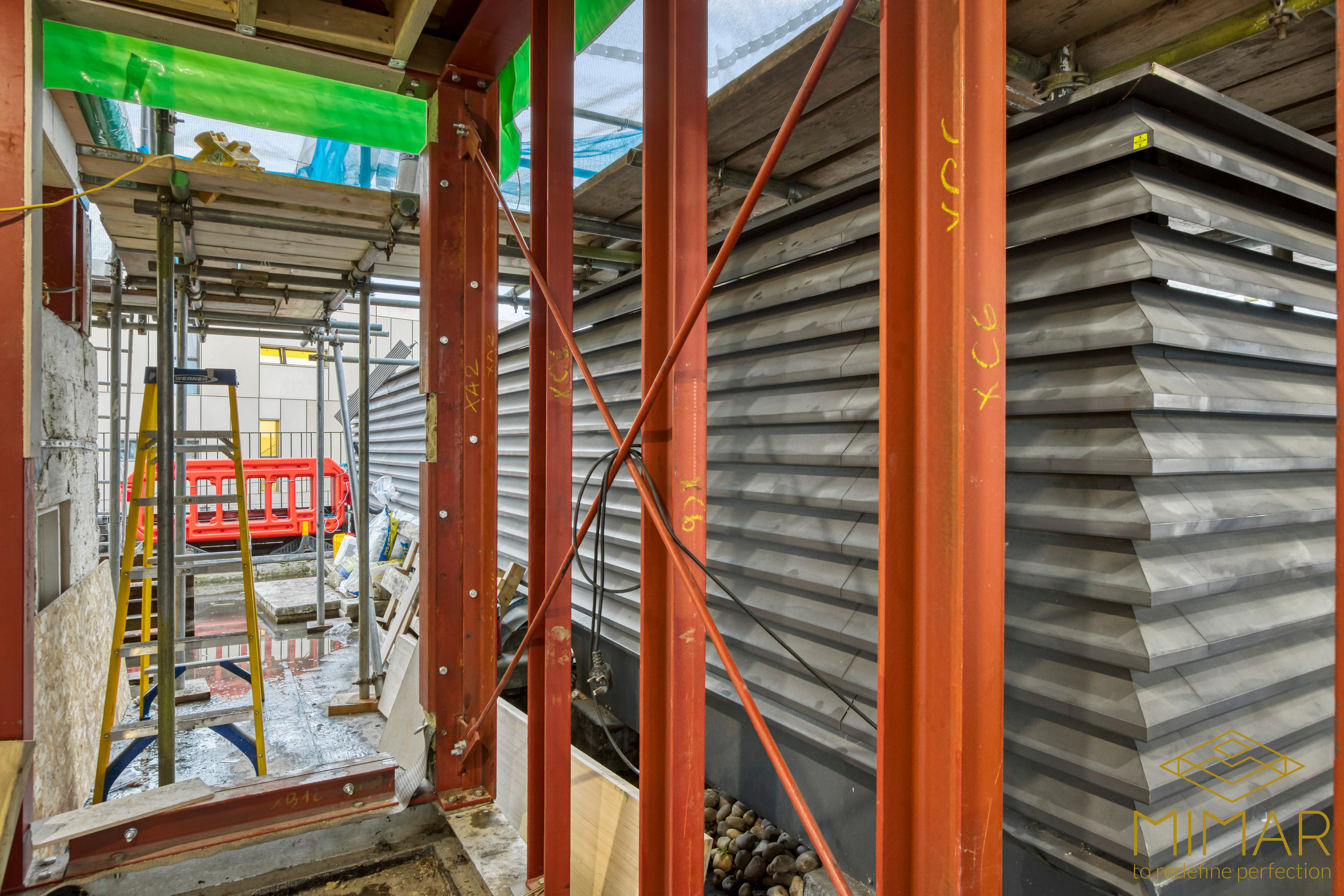
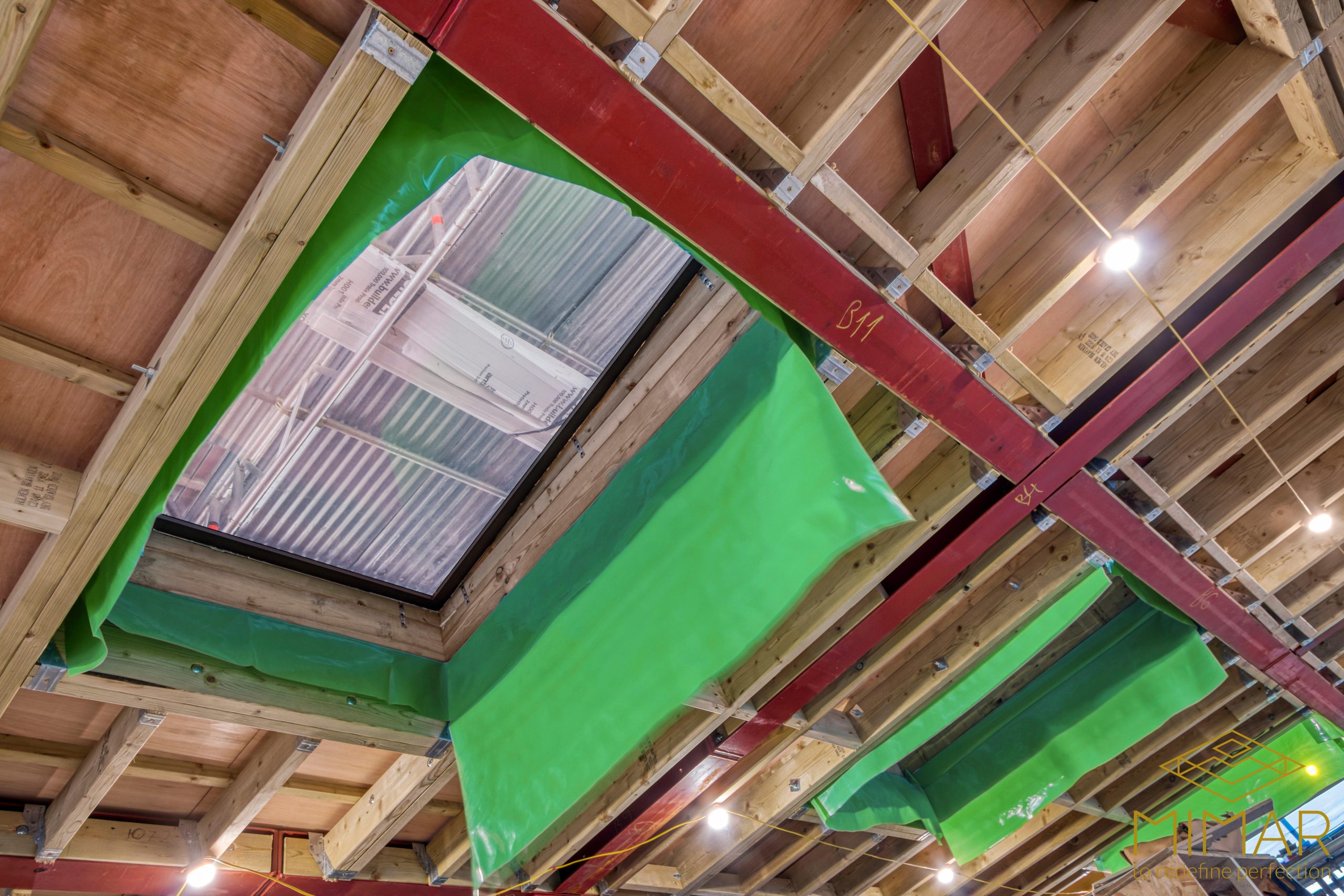
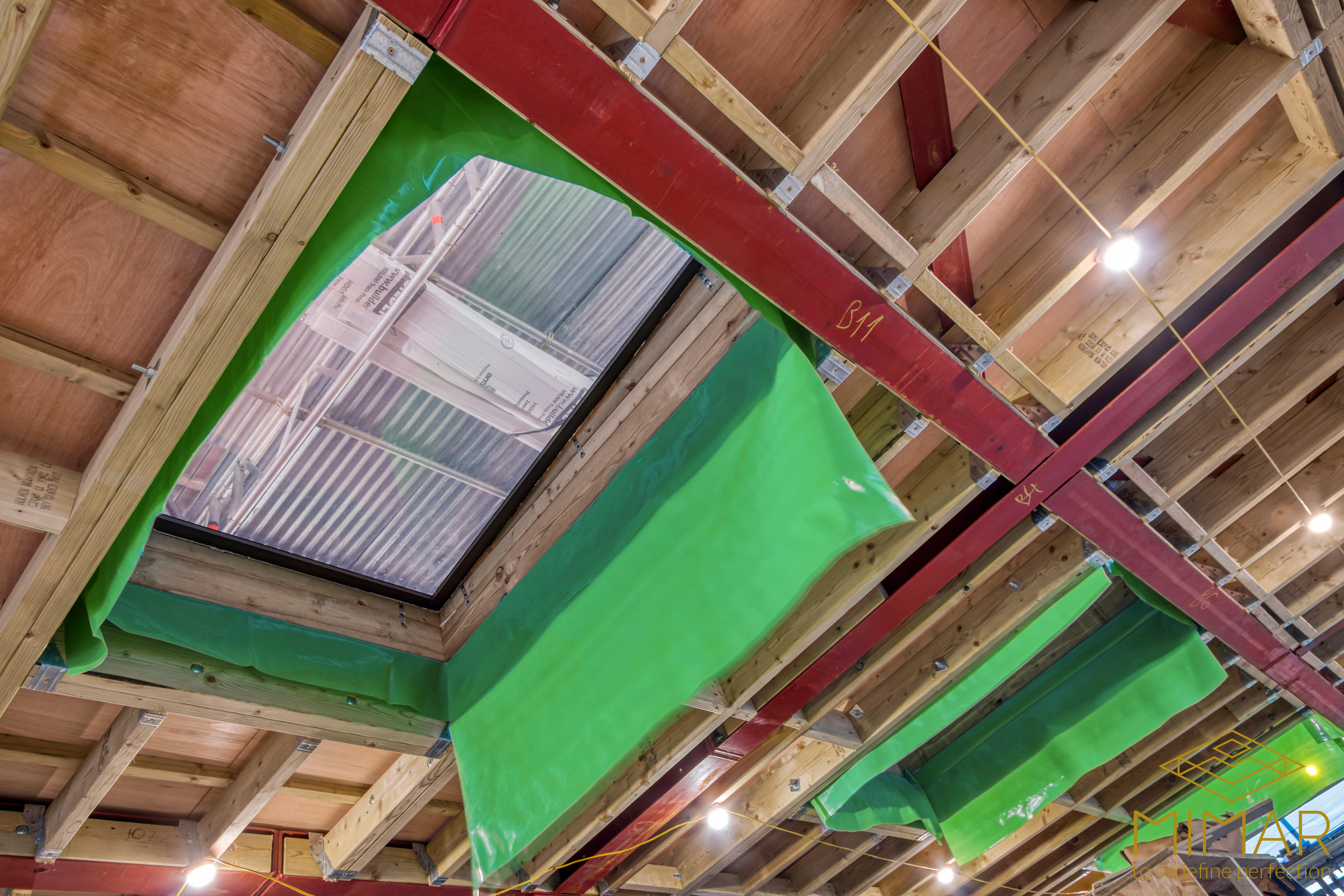
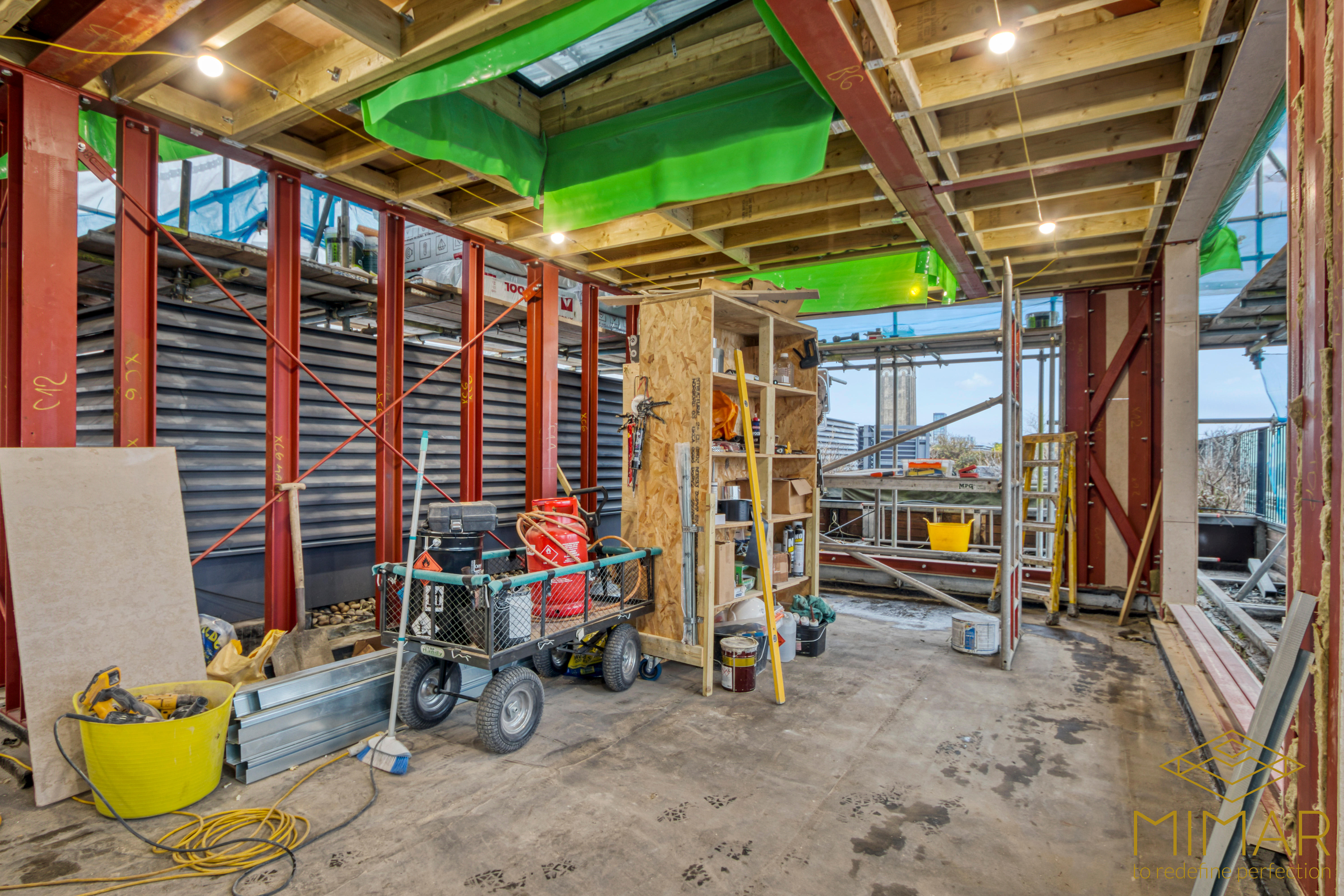
Image showing the interior view of a loft under conversion, featuring wooden beams and steel support structures with green protective sheeting.
Estimated Reading Time: 9 minutes

Introduction to Loft Conversion Permitted Development

Converting your loft space is one of the most effective ways to add valuable living space to your London home without the complications of moving or extending outward. Whether you’re dreaming of a serene master bedroom retreat, a productive home office, or an additional bathroom, loft conversions offer practical solutions to space constraints while potentially increasing your property’s value by 20% or more. For more inspiration on making the most of your home’s potential and seeing a comparison of extension types, including loft conversions, see this comprehensive guide to maximising space with home extensions in London.

As London’s property market continues to thrive, more homeowners are looking upward rather than outward for expansion. This growing trend has made understanding the planning framework surrounding loft conversions increasingly important – particularly the concept of “permitted development” which can significantly streamline your project.

Permitted development rights allow certain building works to be carried out without the need for a full planning application. For loft conversions, these rights can be particularly valuable, potentially saving you time, money, and considerable stress when implemented correctly. However, the regulations are precise and come with important limitations that every homeowner should understand before commencing work. For a detailed overview of the practical steps and expert design ideas for transforming unused space, discover our complete guide to loft conversions in London.

Image showing the interior view of a loft under conversion, featuring wooden beams and steel support structures with green protective sheeting.

Loft Conversion Benefits
Additional Living Space
Increased Property Value
No Garden Reduction
Avoided Moving Costs
Energy Efficiency Improvements
Personalized Design

Why Understanding Permitted Development Rights Matters

The difference between a smooth, efficient loft conversion and one plagued with complications often comes down to understanding permitted development rights from the outset. This knowledge is crucial for several reasons:

Time and Cost Efficiency: Navigating the full planning permission process in London can take 8-12 weeks and incur fees starting from £206. Projects that qualify under permitted development can commence much more quickly, saving valuable time and application costs.

Avoiding Enforcement Actions: Proceeding without proper understanding of what’s allowed under permitted development can result in enforcement notices requiring expensive alterations or even complete removal of non-compliant work. This kind of disruption can be financially devastating and extremely stressful.

Protecting Resale Value: Future buyers and their solicitors will scrutinize the legality of any loft conversion. Conversions that don’t comply with planning regulations can significantly complicate property sales and potentially reduce your home’s value. As Urbanist Architecture points out, planning compliance is essential for protecting your investment. If you want even deeper insight into the planning process for extensions and the necessity of permissions, read this practical guide to putting the project pieces together.

What Exactly is “Permitted Development” for Loft Conversions?

Permitted development for loft conversion refers to a set of nationally standardized development rights that allow homeowners to extend their properties without requiring full planning permission. These rights are designed to strike a balance between enabling homeowners to improve their living space while protecting neighborhoods from inappropriate development. To fully understand criteria and expert tips specific to London, see our focused article: Loft Extensions Permitted Development Explained.

According to Planning Portal, the official planning website for England and Wales, permitted development rights for loft conversions mean that as long as your proposed attic extension stays within specified parameters, you can proceed without submitting a formal planning application to your local authority.

This differs significantly from full planning permission, which involves a comprehensive application process including detailed plans, supporting documentation, neighbor consultations, and scrutiny by local planning committees. Full planning permission is typically required for larger or more complex projects, or when a development falls outside permitted development criteria. If you’re also considering other types of extensions, such as side return or rear, our guide to permitted development for side extensions covers what you need to know and how to avoid common errors.

Local Authority Variations

While permitted development rights are set nationally, individual London boroughs may have specific policies or Article 4 Directions that modify these rights. Always check with your specific local planning authority before proceeding with any work.

General Criteria for Loft Conversion Under Permitted Development

To qualify as permitted development, your loft conversion must meet several specific criteria. These requirements apply throughout England, including London, though there may be regional variations: For an expert summary and easy checklist, review our resource on permitted development for loft extensions here.

Volume Allowances

The additional roof space created must not exceed:

  • 40 cubic metres for terraced houses
  • 50 cubic metres for detached and semi-detached houses

It’s crucial to note that these volume limits include any previous roof extensions to the property, as clarified by GreenMatch’s guide on permitted development for loft conversions. This is a common oversight that can lead to planning issues.

Height Restrictions

The height of your loft conversion cannot exceed the highest part of the existing roof. This ensures the conversion remains proportionate to the original house and neighboring properties. As Roof Windows 4 You explains, exceeding the existing roof height automatically takes your project outside of permitted development rights.

Front-Facing Limitations

No extension is allowed beyond the plane of the existing roof slope on the principal elevation that fronts a highway. This means dormer windows are typically only permitted on the rear of the property. According to Resi’s permitted development guidance, this rule is designed to maintain the street’s visual character.

Material Requirements

The materials used in the exterior of a loft conversion must be similar in appearance to those used in the construction of the existing house. This requirement helps ensure visual harmony and preserves neighborhood aesthetics.

Window Specifications

Side-facing windows must be:

  • Obscure-glazed (frosted or patterned glass)
  • Non-opening unless the opening parts are at least 1.7 meters above the floor level of the room

These specifications are designed to protect neighbors’ privacy, particularly in densely populated London neighborhoods. For a look at stylish and practical design possibilities for your project, including the merits of mansard versus dormer or Velux conversions, visit our mansard loft conversion guide.

Permitted Development Criteria Requirement
Maximum volume addition 40m³ (terraced) / 50m³ (detached/semi-detached)
Maximum height No higher than existing roof
Setback from eaves At least 20cm
Materials Similar appearance to existing house
Side windows Obscure-glazed, 1.7m min. opening height
Roof extension Not beyond front roof plane facing highway

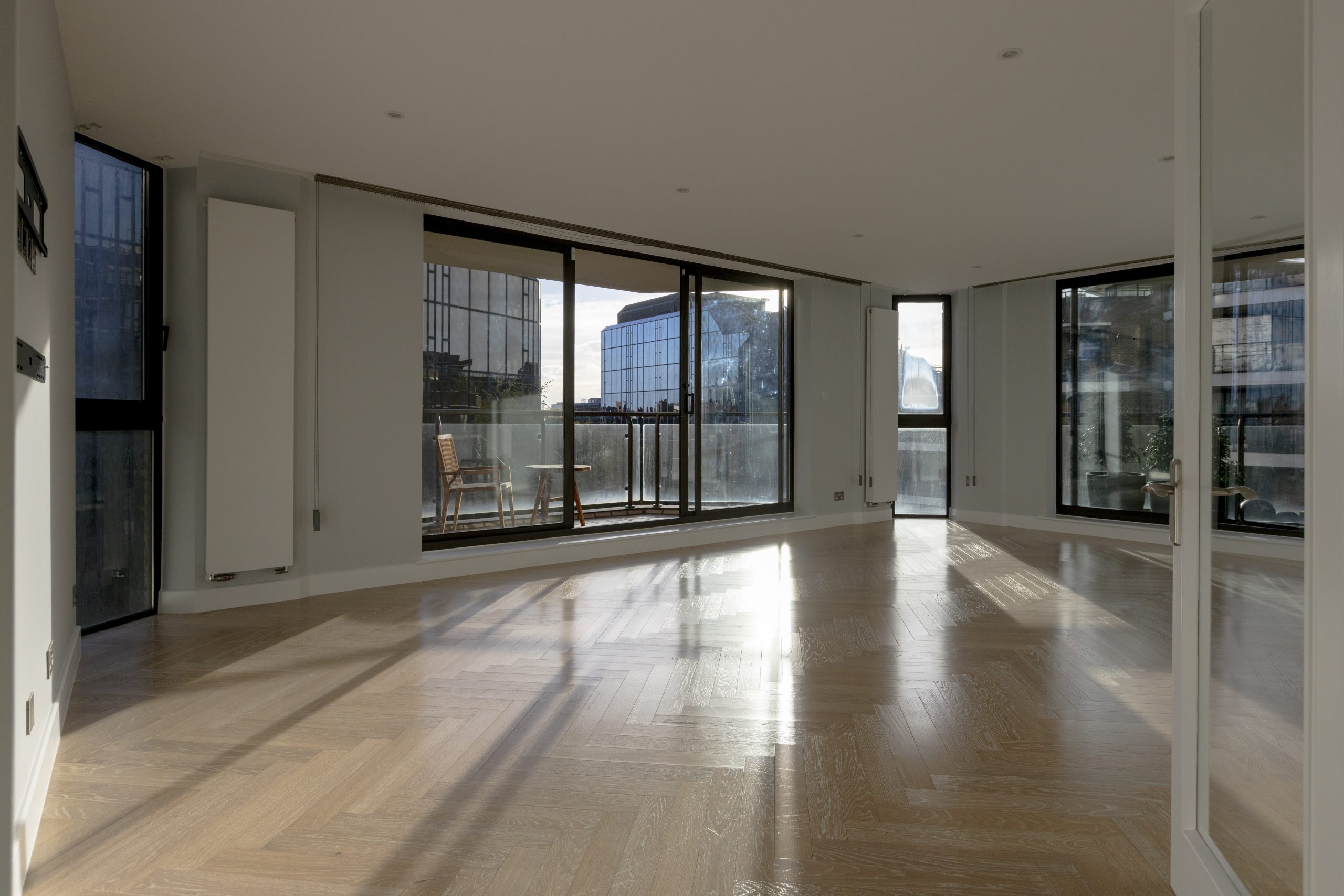
Interior view of a loft conversion featuring built-in shelving units and a sliding door leading to a balcony.

Key Limitations and Conditions for Permitted Development

Beyond the general criteria, there are several additional limitations and conditions that must be met for your loft conversion to qualify under permitted development rights: For an expanded discussion of these limitations and the benefits of working with a qualified architect, see our guide to working with architects for refurbishments.

Eaves Setback

Roof extensions (except hip-to-gable enlargements) must be set back at least 20cm from the original eaves. The Planning Portal mini-guide clarifies that the 20cm is measured along the roof plane, not vertically.

No Overhangs

The enlarged roof space cannot overhang the outer face of the wall of the original house. This limitation helps maintain the architectural integrity of the original building.

No Verandas, Balconies or Raised Platforms

These features are explicitly excluded from permitted development rights for loft conversions. If you wish to include a balcony or roof terrace as part of your loft conversion, you’ll need to apply for full planning permission.

Roof Additions and Conservation Areas

If your property is in a London conservation area, there are additional restrictions. Specifically, roof additions (like dormers) on the principal or side elevation are not permitted under PD if they’re visible from the road. This limitation is particularly relevant in historic London neighborhoods.

When Permitted Development Rights Don’t Apply in London

There are several important exceptions where loft conversion permitted development rights do not apply, requiring you to obtain full planning permission before proceeding: If you’re unsure about the boundaries of your home’s permitted development or want a succinct summary with diagrams, visit our side extension PD explainer.

Listed Buildings

If your property is listed (of special architectural or historical interest), permitted development rights do not apply. London has thousands of listed buildings, and any alterations to these properties require listed building consent in addition to planning permission. According to Which?, this additional level of approval is designed to protect the historic character of these important properties.

Flats and Maisonettes

Permitted development rights for loft conversions only apply to houses, not to flats, maisonettes, or other buildings. If you live in a flat, even if it’s the top floor with roof access, you will need full planning permission for any loft conversion work.

Designated Areas

Properties in designated areas have more restricted permitted development rights. These areas include:

  • Conservation Areas (numerous throughout London)
  • Areas of Outstanding Natural Beauty
  • National Parks
  • World Heritage Sites

In these areas, while some permitted development rights still apply, they’re typically more limited and may exclude certain types of loft conversions.

Article 4 Directions

Local planning authorities in London can issue Article 4 Directions that remove specific permitted development rights in particular areas. These directions are often used in areas of special architectural or historic interest to maintain their character. Always check with your local authority whether any such directions affect your property.

Previously Modified Permitted Development Rights

If your property has had conditions imposed on previous planning permissions that restrict permitted development rights, these will continue to apply. This situation is common in newer developments or recently converted properties in London.

London-Specific Consideration

London’s dense urban environment and rich architectural heritage mean that many properties fall under one or more of these exceptions. Always check the specific status of your property with your borough’s planning department.

How to Determine if Your Project Qualifies

Given the complexity of permitted development rights, especially in London’s diverse architectural landscape, it’s important to take systematic steps to determine if your loft conversion qualifies:

Check Government Guidance

Start by consulting the official technical guidance published by the government. This document provides the most up-to-date and authoritative information on permitted development rights for loft conversions.

Consult Your Local Planning Authority

Each London borough has slightly different interpretations and policies regarding permitted development. Contact your local planning department for borough-specific guidance. Many offer pre-application advice services that can provide clarity on your specific situation.

Measure and Calculate

Accurately measure your proposed loft conversion to ensure it falls within the volume and other dimensional restrictions. This should include:

  • Calculating the cubic volume of the proposed addition
  • Checking setbacks from eaves
  • Confirming height limitations are observed

For homeowners reviewing practical planning steps, arranging surveys, or understanding builder and architect selection, our step-by-step project management guide can help clarify the preparatory process.

Seek Professional Advice

Consider consulting with professionals who specialize in planning matters:

  • Architects with experience in London loft conversions
  • Planning consultants familiar with your borough
  • Builders specializing in permitted development loft conversions

If you’re planning a larger home renovation or want insights into maximizing design and project speed, our guide to architect-led refurbishments outlines the benefits of a collaborative approach, with practical advice on choosing the right professional partners.

Apply for a Lawful Development Certificate

Even when you believe your loft conversion falls under permitted development, it’s strongly recommended to apply for a Lawful Development Certificate (LDC) from your local authority. This certificate provides formal confirmation that your proposed development is lawful and doesn’t require planning permission.

As Urbanist Architecture advises, obtaining an LDC is extremely valuable for:

  • Preventing future disputes about the legality of the work
  • Providing certainty when selling your property
  • Protecting against potential changes in planning policy

Common Misconceptions About Loft Conversion Planning

There are several persistent misconceptions about loft conversion permitted development rights that can lead homeowners astray: For a broader examination of pitfalls and expert solutions when transforming unused lofts, see our homeowner’s guide to loft conversions.

“My neighbor did a similar conversion, so mine must be allowed”

This is a dangerous assumption. Every property is unique, and what was permitted for one house may not be allowed for another. Factors such as previous extensions, conservation area status, or changes in planning policy can all affect what’s permissible for your specific property. For a comparison of planning complexities and extension types, check out our expert guide to London home extensions.

“Building regulations approval is the same as permitted development”

This is incorrect. Building regulations and planning permission (including permitted development) are entirely separate approval systems:

  • Building regulations ensure your conversion is structurally sound, fire-safe, energy-efficient, and meets other technical standards.
  • Planning permission/permitted development concerns the impact of your conversion on the external appearance of your property and the surrounding area.

As Which? explains, you need to comply with building regulations regardless of whether your loft conversion falls under permitted development rights or requires planning permission.

“All houses have permitted development rights for lofts”

This assumption overlooks the significant exceptions discussed earlier. Many London properties—particularly those in conservation areas, listed buildings, or flats—have limited or no permitted development rights for loft conversions. For a sharp focus on permitted development rules and criteria, see Loft Extensions Permitted Development Explained.

“Once I start building, it’s too late for the council to object”

This is a risky misconception. Local authorities in London have enforcement powers that allow them to act against unauthorized development even after it’s completed. The consequences can include having to remove the conversion entirely or make costly modifications.

“Planning permission is never needed for lofts”

This simply isn’t true. Many loft conversions require full planning permission, particularly those exceeding volume limits or affecting properties in conservation areas or listed buildings. For a discussion of the differences between loft types and planning tips to get the most from your London property, read our guide on the advantages of mansard loft conversions.

The Importance of Checking Current Regulations

Planning regulations, including those governing permitted development rights, aren’t static. They evolve over time as planning policies change and new legislation is introduced. This makes it essential to check the latest regulations before proceeding with any loft conversion project.

Recent years have seen several changes to permitted development rights, including:

  • Updates to volume allowances
  • Changes to requirements for energy efficiency
  • Modifications to rules for properties in designated areas

The Planning Portal remains the most reliable source of up-to-date information on permitted development rights in England. For London-specific guidance, your borough’s planning department website should provide the most current local policies.

Additionally, professional organizations like the Royal Institute of British Architects (RIBA) or the Royal Town Planning Institute (RTPI) can provide access to professionals who stay current with planning regulations and can offer expert guidance for your specific situation. For insight into the value of selecting a qualified architect, alongside project control and design optimization, read our architect-led refurbishment guide.

Conclusion: Ensuring a Smooth Loft Conversion Journey

Understanding loft conversion permitted development rights is fundamental to achieving a successful, stress-free home improvement project. By carefully navigating the permitted development framework, you can potentially add valuable space to your London home without the delays and complexities associated with full planning applications. For expert advice on maximizing your home’s potential—whether through loft, side, or wrap-around extensions—see our in-depth guide to home extensions in London.

However, the nuanced nature of these regulations—particularly in London with its rich architectural heritage and diverse property types—means that thorough research and professional guidance are often essential investments. The time spent understanding these rules at the outset can save significant expense and frustration later. If you want practical tips for preparing your project and getting permissions right, our comprehensive checklist for construction projects is a great place to start.

Remember these key takeaways:

  • Permitted development rights can streamline your loft conversion project, but only if your plans fully comply with all criteria
  • Many London properties have restricted permitted development rights due to their location or status—see our guide to permitted development exceptions
  • Even when you believe your project qualifies under permitted development, obtaining a Lawful Development Certificate provides valuable legal protection—explore the certificate process and expert tips in our permitted development explainer
  • Building regulations approval is always required, regardless of planning status
  • Professional advice from architects or planning consultants familiar with London’s planning landscape can be invaluable—find tips for working effectively with architects here

By taking the time to understand permitted development rights for loft conversions and seeking appropriate professional guidance, you can ensure your project proceeds smoothly, remains compliant with all relevant regulations, and delivers the additional living space you desire without unnecessary complications or costs. If you’re interested in exploring even more loft design types, inspiration, or property value benefits, don’t miss our homeowner’s guide to loft conversions and advantages of mansard loft conversions.

Basement Conversion: Unlocking New Space in Your London Home

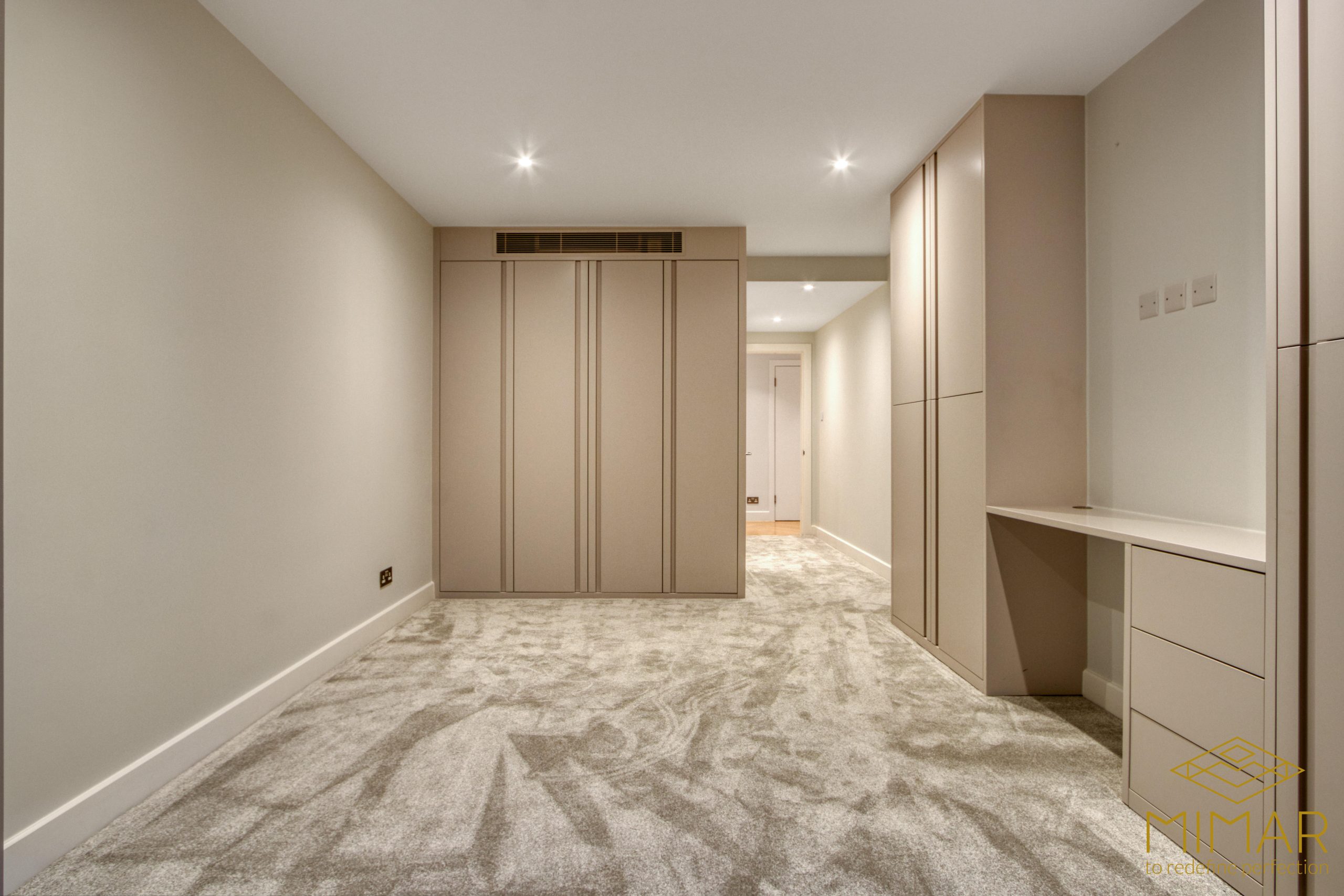
A newly refurbished basement room featuring built-in storage cabinets, a desk area, and recessed lighting with carpet flooring.
Estimated Reading Time: 9 minutes

Introduction: The Growing Trend of Basement Conversions in London

London’s property landscape is evolving beneath our feet. What was once considered merely storage space or neglected cellars has become prime real estate for expansion as homeowners increasingly look downward to create valuable living areas. Basement conversions have transformed from niche luxury projects into mainstream home improvements across the capital, with research from Newcastle University’s School of Architecture revealing that London and its 32 boroughs approved 7,328 basements between 2008 and 2019 – a number that continues to grow year on year.

Professor Roger Burrows from Newcastle University aptly describes this shift as “a normalisation of single-storey basements as the 21st-century version of the loft conversion” – a statement supported by compelling data showing that 75% of all UK basement conversion applications in 2015 were submitted in London alone, marking an 11% increase from just two years earlier. This represents a fundamental shift in how Londoners view their homes and the potential spaces within them.

This trend is particularly pronounced in high-value areas, with Hammersmith and Fulham leading in standard basement conversions and the Royal Borough of Kensington and Chelsea dominating the large and luxury basement market. With approval rates averaging 72% across London boroughs, it’s clear that while local councils maintain rigorous standards, they generally support well-designed basement projects that enhance the city’s housing stock.

The reasons behind this subterranean revolution are uniquely London: restricted upward expansion due to planning policies protecting historic streetscapes and skylines, limited outward growth options in densely populated neighborhoods, and the prohibitive costs of relocating within the capital. For many families, the space beneath their feet represents the final frontier of home expansion – a valuable resource waiting to be unlocked.

Key Advantages of Basement Conversions in London

The appeal of basement conversions extends far beyond simply gaining additional square footage. For London homeowners, these projects offer multifaceted benefits that address the unique challenges of urban living in one of the world’s most expensive property markets.

Maximizing Living Space in Urban Constraints

In a city where space commands extraordinary premiums, basement conversions offer a solution to the fundamental challenge facing London homeowners: space scarcity in an urban environment where every square meter matters. Families can expand vertically downward rather than moving to larger properties or compromising on location, creating substantial new living areas without altering a property’s external footprint or character.

This approach is particularly valuable in conservation areas and for period properties where external alterations face significant restrictions. By developing below ground, homeowners can retain the historic charm that makes London properties so desirable while creating contemporary spaces that meet modern lifestyle needs.

If you’re considering other ways to add space, exploring home extensions like rear, side, loft, and basement conversions can help you maximize your property’s potential in London.

Modern basement living room with beige sectional sofa, panelled walls, and ambient lighting.

Significant Property Value Enhancement in London

The financial benefits of basement conversions in London are compelling. Properties typically gain between £8,500 to £10,000 per square metre in value, with even higher premiums in prime boroughs like Kensington & Chelsea and Camden. Overall, research indicates property values can increase by 25% or more following a well-executed basement conversion – a substantial return that often exceeds the initial investment.

This value proposition becomes even more attractive when compared to the alternative of purchasing a larger home, which would incur stamp duty costs of up to £1.1 million on a £10 million primary property purchase (rising to £1.41 million for an additional property) – funds that could be redirected into creating bespoke space within an existing home.

Adapting to Modern London Lifestyle Needs

Beyond financial considerations, basement conversions address evolving lifestyle requirements that have become increasingly important to Londoners. The rise in remote working demands dedicated home office spaces separate from main living areas. Multi-generational living arrangements require independent accommodations within a single property. The growing focus on wellness and self-care has created demand for home gyms, swimming pools, and spa facilities.

The natural sound insulation properties of basement spaces make them ideal for home cinemas, music rooms, and entertainment areas – allowing for leisure activities without disturbing other household members or neighbors. This acoustic advantage is particularly valuable in London’s terraced houses and converted flats where noise transmission between properties can be problematic.

A Compelling Alternative to Relocation

For established London families, moving home brings significant disruption to family life, school arrangements, and community connections, along with substantial costs beyond just stamp duty. By choosing a basement conversion instead, homeowners can remain in established neighborhoods while gaining the space they need – maintaining proximity to schools, workplaces, and social networks that contribute significantly to quality of life in the capital.

Investment Perspective

When weighing up basement conversion costs against potential returns, consider both immediate equity gains and long-term value. London properties with well-designed basement conversions typically command premium prices and attract discerning buyers who value the additional space and quality of life enhancements these conversions provide.

Types of Basement Conversions for London Homes

London’s basement conversion revolution has created extraordinary spaces beneath the city’s historic streets. Research of completed projects between 2008 and 2019 reveals how homeowners have transformed these underground areas to serve diverse lifestyle needs:

London Basement Conversion Options
Entertainment Spaces
Wellness Facilities
Home Offices
Self-Contained Flats
Luxury Amenities
Service Quarters

Entertainment and Leisure Spaces

London’s basement conversions frequently feature dedicated entertainment areas that would be difficult to accommodate in main living spaces. The 814 home cinemas, 607 games rooms, and 342 steam rooms or saunas created between 2008 and 2019 demonstrate the popularity of leisure-focused conversions. These spaces benefit from the natural sound insulation basements provide, allowing for immersive entertainment experiences without disturbing the rest of the household or neighboring properties.

Health and Wellness Facilities

The 1,695 gyms and wellness studios created in London basements during this period reflect the growing focus on home fitness and personal wellbeing. These conversions eliminate the need for external gym memberships and provide private, convenient exercise spaces that can be used regardless of weather conditions or time constraints. Many London homeowners now view wellness spaces as essential rather than luxury features, particularly following shifts in lifestyle priorities during recent years.

Luxury Amenities in London Homes

At the premium end of the market, 532 swimming pools and 689 wine cellars represent high-end conversions that add significant lifestyle value, particularly in prime London postcodes. These luxury amenities are increasingly expected by discerning buyers in London’s upper market segments and can substantially enhance resale prospects when professionally designed and executed.

Functional Living and Working Spaces

Beyond specialized rooms, basements commonly become light-filled offices for London’s growing remote workforce, guest accommodations, separate granny flats for multi-generational living, and serene workspaces. These practical conversions address the evolving needs of London households, providing flexible spaces that can adapt to changing family circumstances over time. For those considering maximizing the potential of their basement, adding a basement apartment can offer extra income, privacy, and flexibility for use as rental units or in-law suites, with key considerations including building codes, insulation, ventilation, and safety.

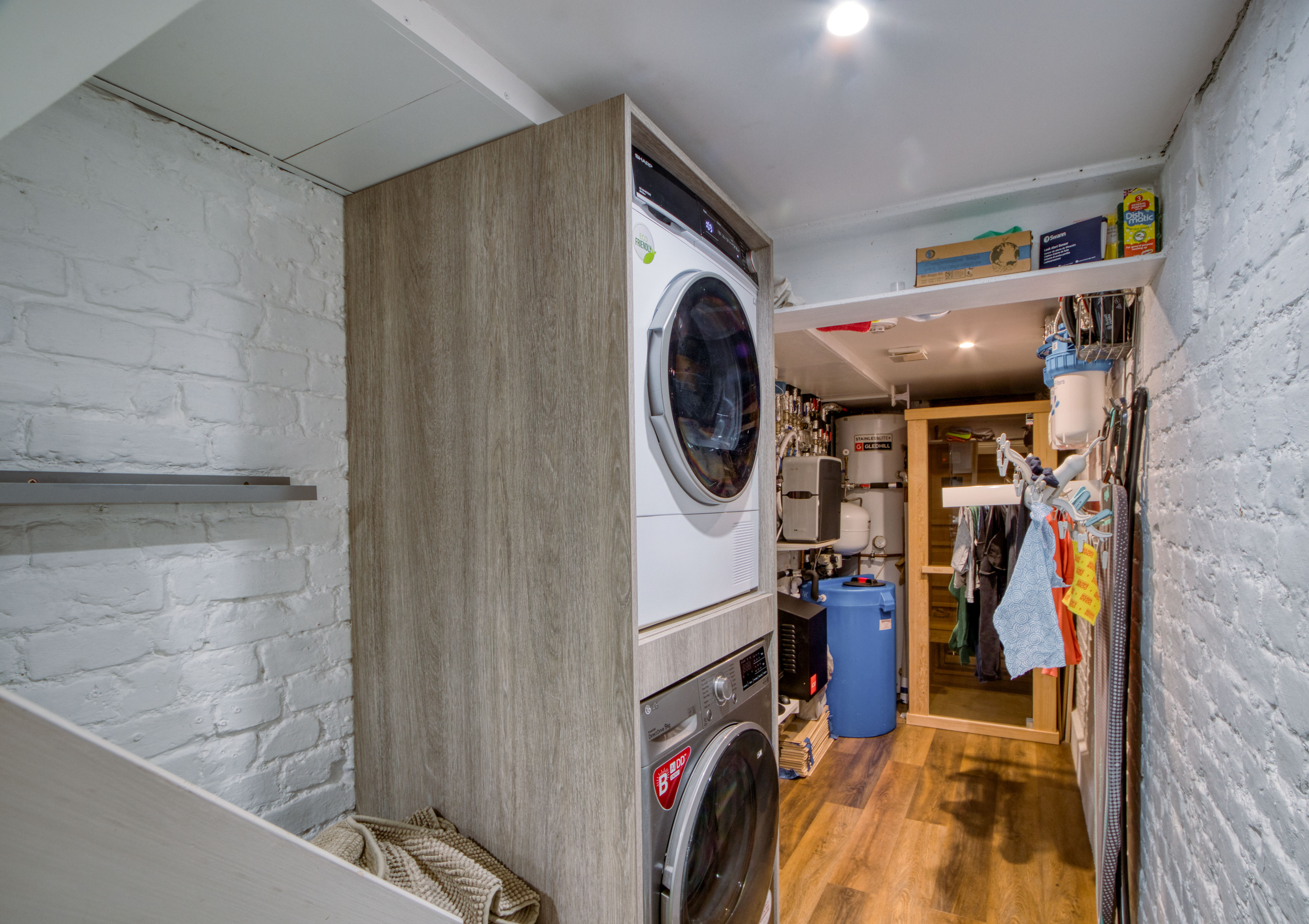
The image shows a well-organized basement laundry room with stacked washer and dryer units, wooden flooring, and an exposed brick wall. Various plumbing and utility components are visible.

Service Quarters and Staff Accommodation

In London’s most exclusive residential districts, 154 conversions included dedicated staff quarters, reflecting the needs of larger households in prime areas. These self-contained living spaces provide comfortable, private accommodation for household staff while maintaining connection to the main residence.

The scale of these conversions varies considerably: of the 7,328 approved basements studied, 5,813 were single-storey conversions suitable for most London homes, 1,344 were large basements with capacity for multiple rooms or special features, and 171 were classified as mega basements extending under gardens to depths of three storeys – projects typically associated with ultra-prime London properties.

The Basement Conversion Process in London

Converting a basement in London involves a structured process that requires careful planning, professional expertise, and attention to detail at every stage. Understanding this journey helps homeowners set realistic expectations and prepare effectively for what can be a significant home improvement project. For a comprehensive breakdown of what this entails—including planning, site surveys, design, foundation selection, waterproofing, insulation, and finishing—see the essential elements of basement construction.

Initial Assessment and Feasibility in London Properties

The process begins with fundamental questions about how the space will function within your London home. Design professionals emphasize that basements should feel like destinations rather than afterthoughts, requiring thoughtful consideration of light, warmth, and purpose. For London properties specifically, this phase includes assessing the existing structure, soil conditions, water table levels, and proximity to neighboring buildings – all factors that significantly influence feasibility and approach.

A comprehensive structural survey is essential, particularly for London’s period properties where foundation types and conditions vary considerably. This survey helps identify potential challenges early and informs the design development process. Before starting such a project, it’s wise to ensure you have all building and planning permissions in place and thoroughly check your builder’s experience and credentials—learn more in this guide to putting the practical pieces of your project together.

Design Development for London Basements

Working with architects or designers who understand London’s unique building stock is crucial during this phase. The design must consider not only the technical requirements of creating underground space but also how to introduce natural light, ensure adequate ventilation, and create connections with the rest of the home.

For London properties specifically, innovative approaches to light wells and staircases often become central design features. Carefully detailed lightwells with features like in-situ concrete stairs can transform what would otherwise be dark spaces into bright, inviting rooms that feel integrated with upper floors.

Planning and Approvals in London Boroughs

Navigating London’s planning system requires expert guidance. Applications must address borough-specific policies regarding basement development, which have become increasingly detailed in recent years. Supporting documentation typically includes structural method statements, construction management plans, and in some cases, basement impact assessments.

Party wall agreements are particularly important in London’s terraced and semi-detached properties, requiring careful negotiation with neighboring property owners. Professional party wall surveyors help manage this process to protect both your interests and your neighbors’ properties.

Construction Process for London Basement Conversions

The construction phase typically follows this sequence:

  1. Temporary works and protection – securing the existing structure and preparing the site
  2. Excavation – removing soil to create the new basement space
  3. Structural work – creating the new basement structure through underpinning or alternative methods
  4. Waterproofing – installing comprehensive tanking and drainage systems
  5. Services installation – incorporating electrical, plumbing, heating, and ventilation systems
  6. Finishing works – completing walls, floors, ceilings, and decorative elements
  7. Light well installation – creating sources of natural light where possible
  8. Final connections – integrating the new space with the existing home

Throughout construction, regular site meetings maintain quality control and address any unforeseen issues promptly. For London projects, logistics and neighborhood considerations are particularly important given the dense urban environment and typical access constraints. To minimize noise, mess, and disruption to both your household and neighbors, proactive communication and site management are key—discover tips for reducing inconvenience during construction in this article on reducing noise, mess, and fuss in building projects.

London-Specific Challenges and Considerations

London’s unique urban environment and diverse building stock present specific challenges that must be addressed when undertaking basement conversions. Understanding and planning for these factors is essential for project success.

Waterproofing in London’s Varied Geology

London’s complex geology and variable water table levels require sophisticated waterproofing strategies. From the clay soils of North London to the gravels of riverside areas, each location presents different groundwater challenges. Comprehensive tanking systems with cavity drainage membranes, sump pumps, and backup power supplies are typically necessary to create permanently dry underground spaces.

Professional waterproofing specialists who understand London’s specific conditions are essential team members for any basement project. Their expertise helps prevent the most common and costly problem associated with basement conversions – water ingress. For an in-depth look at waterproofing, insulation, ventilation, and finishing touches, read about the essential elements of basement construction.

Natural Light and Ventilation Solutions

Creating habitable spaces underground necessitates careful design of light wells, roof lights, and mechanical ventilation systems. In London’s historic conservation areas, external light well designs must be sympathetic to the building’s period character while still providing sufficient illumination.

Innovative approaches include light tunnels, glass floor sections that allow light to penetrate from upper levels, and courtyard-style light wells that create unexpected outdoor spaces within the basement footprint. These features transform underground rooms from dark, utilitarian areas into bright, inviting spaces that feel connected to the natural environment.

Structural Integrity in London’s Historic Buildings

Many London properties date from the Victorian, Georgian, or even earlier periods, with foundation systems never designed to accommodate basement additions. Excavating beneath these existing structures demands precise engineering to maintain building stability while creating new usable space.

The process affects the building’s foundations and requires insurance companies to assess the additional risk. Specialized structural engineers with experience in London’s building typologies are essential to develop appropriate underpinning or alternative structural solutions.

Conservation and Heritage Considerations

A significant proportion of London properties fall within conservation areas or hold listed status, adding layers of complexity to basement planning applications. Design must respect historic character while introducing modern amenities, with external alterations such as light wells requiring particularly sensitive handling.

Working with heritage consultants who understand the priorities of London’s conservation officers helps navigate these requirements successfully. Their input can shape design decisions that satisfy both conservation objectives and homeowner needs.

Neighbor Relations and Party Wall Matters

London’s densely packed housing means basement work almost inevitably affects adjacent properties. Party wall agreements become essential components of any project, requiring formal notices and often financial security measures to protect neighboring buildings.

Beyond legal requirements, maintaining good neighbor relations throughout the process is important for project success. Regular communication, consideration of access and noise issues, and prompt resolution of any concerns help create a positive environment for construction work.

Planning Permission and Legal Requirements in London

Navigating the regulatory landscape is one of the most critical aspects of basement conversion projects in London. Understanding the requirements and processes helps set realistic expectations and avoid costly delays. If you want a broader perspective on planning permission, building permissions, the importance of site surveys, and working with certified contractors, see this guide on assembling project essentials.

London Borough Planning Policies

Each of London’s 32 boroughs has developed specific policies regarding basement development, with some taking more restrictive approaches than others. Kensington & Chelsea, Westminster, and Camden have particularly detailed requirements following concerns about the impact of large-scale basement projects.

These policies typically address:

  • Maximum extent of excavation under gardens (often limited to 50%)
  • Depth restrictions (usually single storey only in residential areas)
  • Light well design and placement
  • Tree protection measures
  • Construction traffic management
  • Neighbor amenity protection

Despite these controls, approval rates remain relatively high at 72% across London, indicating that well-designed projects that respect policy guidelines can successfully navigate the planning process. If you’re also considering other types of home extensions and how planning works for those, explore this expert guide to maximising space in London homes.

Building Regulations Compliance in London

Building regulations approval runs parallel to planning permission, covering technical aspects such as:

  • Structural stability and foundations
  • Fire safety and means of escape
  • Ventilation standards
  • Drainage systems
  • Waterproofing measures
  • Thermal insulation
  • Sound insulation
  • Electrical safety
  • Access considerations

In London, building control approval can be obtained either through the local authority or approved private inspectors. Regular site inspections throughout the construction process ensure compliance with approved plans and technical standards.

Party Wall Agreements for London Properties

The Party Wall Act 1996 has particular relevance for London’s terraced and semi-detached properties. Formal notices must be served on adjoining owners before work commences, typically at least two months in advance for basement excavation work.

If neighbors do not consent to the proposed work, party wall surveyors are appointed to prepare legally binding awards that protect all parties’ interests. These awards may include requirements for:

  • Pre-construction condition surveys
  • Vibration monitoring during excavation
  • Working hour restrictions
  • Security for expenses (financial protection)
  • Compensation for temporary inconvenience

Insurance Considerations for London Basement Projects

Insurance requirements for basement projects extend beyond standard home insurance. Homeowners typically need:

  • Notification to existing buildings insurers about the planned work
  • Contractor’s all-risk insurance during construction
  • Professional indemnity insurance from all design professionals
  • Non-negligent damage insurance (also known as JCT 21.2.1)
  • Updated buildings insurance after completion to reflect the enhanced property value

Many London insurers now specifically ask about basement conversions during policy renewal, as these modifications affect the property’s risk profile and rebuilding costs.

Costs, Timelines and Return on Investment

Project Element Typical Cost Range in London (2024)
Basic conversion of existing cellar £2,500 – £3,500 per m²
New basement excavation under existing house £4,000 – £5,000+ per m²
New basement under garden £5,000 – £7,000+ per m²
Lightwells and external access £15,000 – £40,000 per lightwell
Professional fees (architects, engineers, surveyors) 15-20% of construction costs

Value Enhancement in London’s Property Market

In London, basements typically add £8,500 to £10,000 per square metre to property value, with higher premiums in prime boroughs. Properties can experience value increases of 25% or more following conversion, making the investment potentially more cost-effective than moving to a larger property when stamp duty and associated costs are considered. If you’re curious how this compares to other ways of adding value and space—such as rear extensions, wraparounds, and loft conversions—check out this expert guide on maximizing London living space.

This value proposition has driven significant market growth, with the global basement conversion market standing at USD 18.7 billion in 2024. This growing market reflects both the popularity and economic viability of basement conversions as a solution to urban space constraints, particularly in high-value areas like London. If considering renting out your new space, learn more about the benefits of adding a basement apartment for extra income and flexibility.

Cost Factors Specific to London Projects

Several factors influence the final cost of basement conversions in London:

  • Property location and access – Central London sites with restricted access often incur premium charges for materials delivery and waste removal
  • Geological conditions – Variable London soils require different excavation and foundation approaches
  • Water table levels – Areas with high water tables need more comprehensive waterproofing systems
  • Existing structural condition – Older London properties may require additional structural interventions
  • Planning requirements – Borough-specific conditions may add costs for archaeological surveys or special design features
  • Specification level – Finishes and fixtures can significantly impact final costs, particularly in prime London properties where premium materials are expected

Contingency allowances of 15-20% are typically recommended for London basement projects due to the inherent uncertainties of working with existing structures and underground conditions.

Realistic Timeline Expectations

London basement conversion projects typically follow this timeline:

  • Initial design and planning: 2-4 months – Including surveys, design development, and pre-application consultations
  • Planning approval: 2-3 months – Standard applications, longer if appeals are required
  • Building regulations and technical design: 1-2 months – Detailed construction drawings and specifications
  • Party wall process: 2-3 months – Notices, negotiations, and awards if required
  • Contractor tendering: 1 month – Obtaining and comparing quotations
  • Construction: 6-12 months – Depending on project size and complexity

The complete process from initial concept to finished space typically takes 12-18 months for standard London basement projects, with larger or more complex schemes potentially extending to 24 months or more. During construction, it’s helpful to maintain realistic expectations around noise, site access, and disruption. To minimize negative impacts, follow best practices for reducing inconvenience as highlighted in this guide to handling noise, mess, and fuss.

Return on Investment Beyond Financial Metrics

The ROI for London basement conversions extends beyond pure financial calculations to include:

  • Lifestyle enhancement – Creating spaces that perfectly match family needs and preferences
  • Avoided relocation costs – Saving on stamp duty, legal fees, moving expenses, and potential school changes
  • Neighborhood retention – Maintaining connections to established communities and amenities
  • Future-proofing – Adapting homes to accommodate changing family circumstances
  • Energy efficiency gains – Modern basement conversions incorporate high-performance insulation and services

For many London homeowners, these quality-of-life benefits ultimately prove more valuable than the significant financial returns these projects typically generate.

Choosing the Right Basement Conversion Specialists in London

The success of a basement conversion in London depends significantly on the expertise of the professionals involved. Selecting the right team requires careful consideration of their experience, approach, and understanding of London’s unique building challenges. For the most reliable outcomes, it’s crucial to partner with a reputable construction company that specializes in high-end refurbishment and restoration projects. Learn the top reasons for choosing expert refurbishment contractors in London and what sets a quality team apart.

Architects and Designers for London Basements

When evaluating potential architects or designers, look for those who approach basements as catalysts for transformation rather than mere volume gains. The best professionals begin by exploring how you live and how the new space will enhance your lifestyle, asking questions about daily home rhythms and how to create spaces that feel like destinations.

Specific qualities to seek include:

  • Portfolio of completed London basement projects in similar properties
  • Understanding of borough-specific planning policies
  • Experience with heritage properties if relevant
  • Innovative approaches to natural light and spatial connection
  • Technical knowledge of waterproofing and ventilation requirements
  • Ability to balance aesthetic vision with practical functionality

Leading design firms emphasize starting with fundamental questions about how spaces will be used and felt, rather than simply creating additional square footage. This holistic approach results in basements that enhance overall home quality rather than feeling like disconnected additions. If you want to optimize your renovation through a collaborative architect-led process, including navigating London’s planning system and choosing the right design partner, see this guide to working with architects for refurbishments.

Structural Engineers with London Expertise

Structural engineers play a critical role in basement conversions, particularly in London’s varied and often challenging ground conditions. Look for engineers who:

  • Specialize in basement construction and underpinning
  • Have experience with London’s diverse building typologies
  • Can provide case studies of similar successful projects
  • Offer creative solutions to complex structural challenges
  • Maintain professional indemnity insurance appropriate to project value
  • Demonstrate understanding of party wall requirements

Specialist Basement Contractors in London

The quality of construction ultimately determines the success of your basement conversion. When evaluating contractors, consider:

  • Demonstrated track record of similar London projects
  • Membership of relevant trade associations (such as Basement Waterproofing Association)
  • Comprehensive insurance coverage
  • Detailed approach to waterproofing with long-term guarantees
  • References from previous clients in your borough
  • Financial stability and business longevity
  • Approach to site management and neighbor relations

Visit completed projects where possible to assess quality firsthand and speak with previous clients about their experience throughout the construction process, not just the final result.

Project Management for Complex London Conversions

For larger or more complex basement projects in London, professional project management can be invaluable. Dedicated project managers:

  • Coordinate multiple contractors and suppliers
  • Manage planning conditions and building control requirements
  • Control budgets and authorize payments
  • Maintain detailed project documentation
  • Address issues promptly to prevent delays
  • Provide regular progress reports to homeowners
  • Ensure quality standards are maintained throughout

This additional layer of professional oversight often pays for itself by preventing costly mistakes, ensuring efficient use of resources, and maintaining momentum throughout the project.

Frequently Asked Questions About London Basement Conversions

Is my London property suitable for a basement conversion?

Most London properties can accommodate some form of basement development, though the approach varies by building type, age, and ground conditions. Victorian and Georgian properties often offer good potential, while some post-war buildings present greater challenges. A professional feasibility study is the best way to assess your specific property’s suitability. If your goal is to unlock rental potential or add flexibility, learn about the advantages of creating a basement apartment for income and privacy.

How likely am I to get planning permission in London?

Approval rates average 72% across London boroughs, though this varies significantly by location and project scope. Single-storey conversions within the building footprint have the highest approval rates, while extensions under gardens face greater scrutiny. Pre-application consultations with your local planning department can provide early guidance on likely outcomes. For more on permissions and how to prepare, see the practicalities of putting the pieces together for your project.

Can I stay in my home during a London basement conversion?

While technically possible for some projects, most London homeowners relocate during major basement works due to disruption, dust, and noise. Projects involving significant structural work typically require temporary vacation for safety reasons. Budget for alternative accommodation costs when planning your project finances. Learn about the realities of noise and site management in this guide to reducing build inconvenience.

How can I ensure my basement won’t flood or develop damp issues?

Modern waterproofing systems use multiple defensive layers, typically combining external tanking with internal cavity drainage membranes and sump pump systems. Using specialist contractors with specific basement waterproofing expertise and obtaining long-term guarantees provides the best protection against future problems. Dive deeper into the importance of expert waterproofing, site surveys, and finishing by reading the essential elements of basement construction.

What about natural light in a London basement?

Contemporary basement design incorporates multiple strategies for natural illumination, including light wells, glazed walk-on rooflights, internal glazed floors, and light tunnels. Even in conservation areas where external alterations are restricted, innovative approaches can bring surprising amounts of daylight into underground spaces. Collaborate with architects who specialize in optimizing light and spatial flow; read more about the benefits of working with architects for refurbishments in London.

Conclusion: Transforming London Homes from Below

Basement conversions represent quiet but powerful transformations happening beneath London’s historic streets. They offer solutions for families planning for future generations, remote workers designing hybrid lives, and homeowners investing in sustainability and space without expanding outward. By building downward, Londoners craft homes that are not only larger but wiser—ready to adapt, evolve, and thrive no matter what tomorrow brings.

The true value lies not simply in adding square footage, but in reimagining what already exists beneath your feet. These spaces hold future memories, milestones, and dreams waiting to be brought into the light, transforming dusty storage areas into vibrant home cinemas, luxurious wellness studios, light-filled offices, and serene guest retreats.

With London’s housing market continuing to challenge conventional expansion and the city’s planning policies increasingly protecting streetscapes and skylines, the downward direction offers the most promising frontier for home enhancement. The statistics tell a compelling story: thousands of London families have already discovered this hidden potential, creating spaces that enhance both lifestyle and property value.

Whether you’re considering a simple conversion of an existing cellar or a more ambitious excavation project, the principles remain the same: thoughtful design, expert execution, and a focus on creating spaces that feel like natural extensions of your home rather than afterthoughts. When approached with care and professional guidance, a basement conversion can transform not just your property, but your experience of London living. For expert insight on planning, site surveys, permissions, and the key elements of construction, refer to this essential guide to basement construction and consider why choosing the right refurbishment partner is critical to a successful outcome.

As you contemplate the possibilities beneath your London home, remember that every successful project begins with the right questions: not just about technical feasibility and cost, but about how you live, what you value, and how your home can better support your aspirations. The answers to these questions form the foundation of truly transformative basement spaces—ones that enhance daily life while adding lasting value to London’s extraordinary housing legacy. If you’re interested in maximizing your home’s potential even further, discover more about extensions, renovations, and architect-led solutions at working with architects for refurbishments.

Side Extensions: What is Permitted Development?

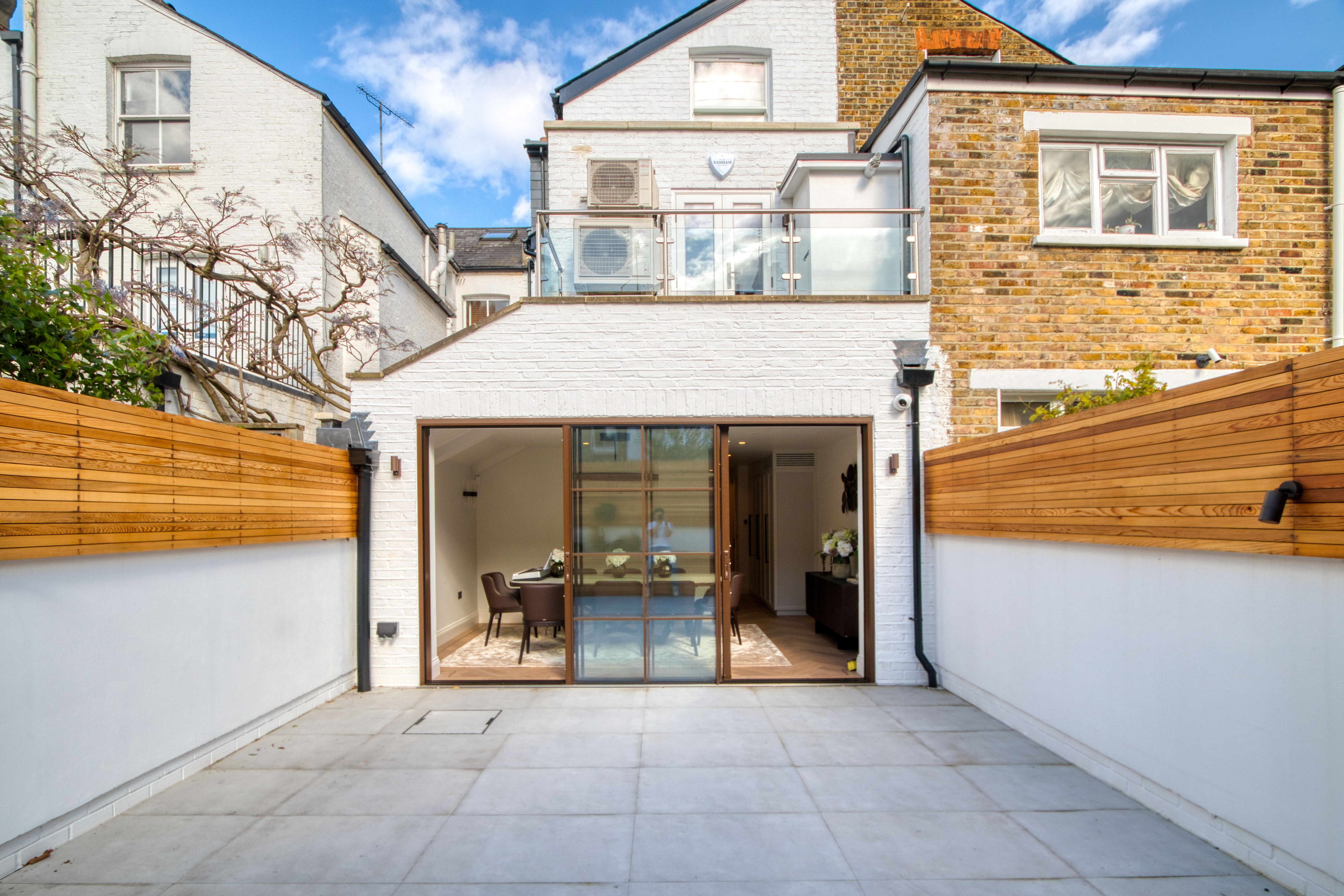
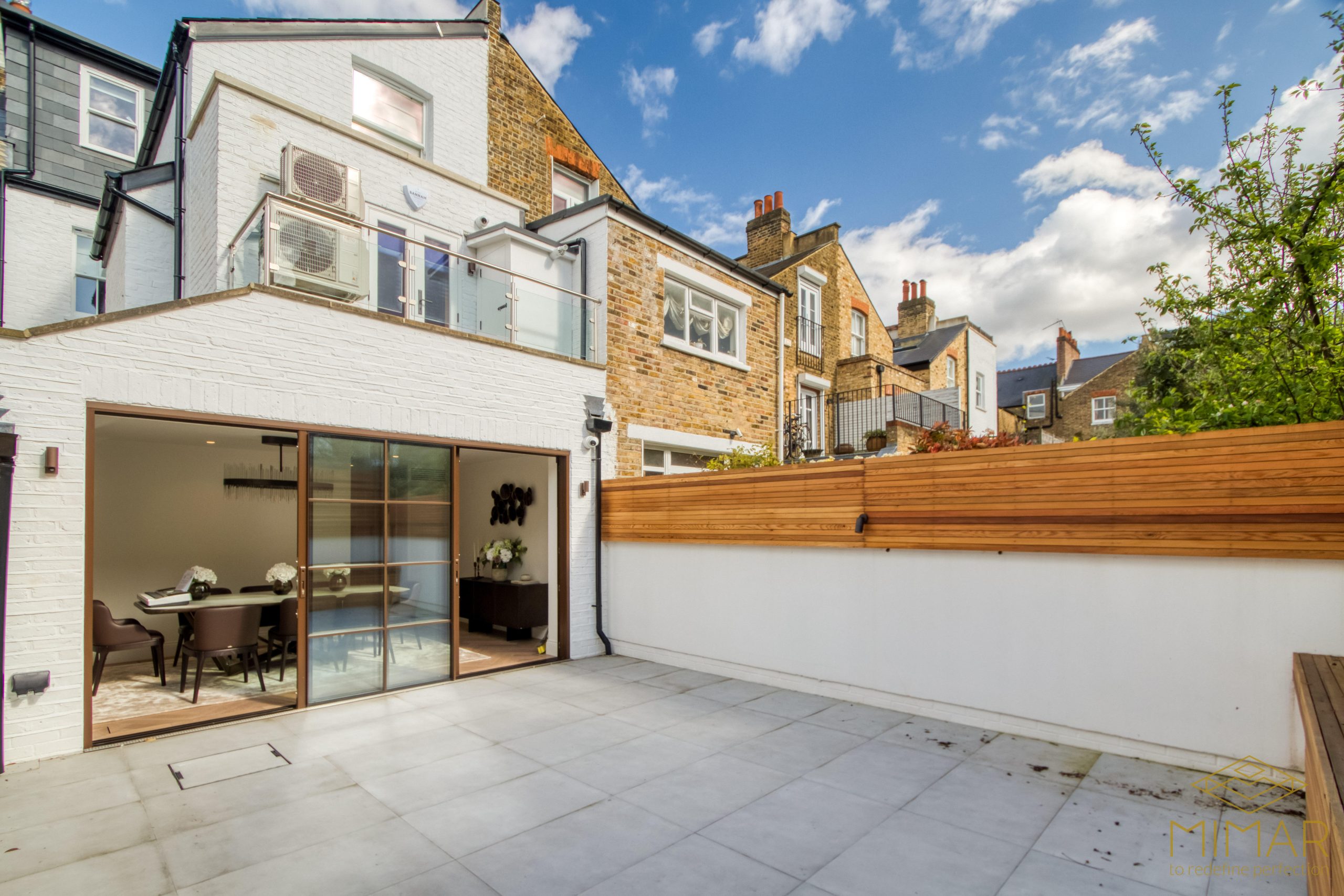
A modern residential extension with sliding glass doors opening to a tiled patio area, featuring a white and brick exterior.
Estimated Reading Time: 10 minutes

Introduction to Permitted Development for Side Extensions in London

For London homeowners looking to expand their living space, side extensions offer a practical solution to add valuable square footage without sacrificing garden space. However, navigating the regulatory landscape can be daunting, particularly understanding whether your extension falls under permitted development rights or requires formal planning permission. For a more detailed look at all extension types and their benefits for London homes, read our expert guide to maximising space with an extension.

Permitted development rights were introduced to streamline minor home improvements by removing the need for full planning applications in certain circumstances. For side extensions specifically, these rights can save homeowners significant time, money, and administrative hassle—but only when the proposed work meets all the necessary criteria.

With London’s diverse property types and the presence of numerous conservation areas, understanding the nuances of permitted development extension regulations is crucial before breaking ground. This guide will walk you through everything you need to know about permitted development rights for side extensions, helping you determine whether your project can proceed without planning permission or if you’ll need to submit a formal application.

Modern house extension with a glass door opening to a tidy backyard space, featuring wooden fencing and outdoor tiles.

Why Understanding Permitted Development Matters

Building an extension without required planning permission can result in enforcement action, potentially leading to costly demolition or retrospective applications. Conversely, unnecessarily applying for planning permission when your extension qualifies as permitted development can delay your project by months and add significant costs. Get more insights about the practical steps for planning and permissions in our project preparation guide.

What Are Side Extensions?

A side extension is a structural addition built alongside the lateral aspect of a house, typically extending along the original dwelling’s flank wall. Unlike other types of extensions, side extensions utilize the often underused space to the side of a property, making them particularly valuable in London where space comes at a premium.

Understanding the distinction between different types of extensions is important when navigating permitted development rights, as different rules apply to each—explore these and more in our full breakdown of extension types:

Extension Type Description Key Considerations
Side Extension Built alongside the house, extending from the side wall Often limited by width, proximity to boundaries, and cannot usually face highways
Rear Extension Projects out from the back of the house Generally allows greater depth than side extensions
Front Extension Projects forward from the front of the house Rarely permitted under permitted development
Wraparound Extension Combines side and rear extensions in an L-shape Typically requires planning permission

Side extensions are particularly popular in London’s suburban areas where properties often have space to one side. They provide an ideal opportunity to expand kitchens, add utility rooms, or create additional living space without encroaching on valuable garden areas.

Permitted Development Explained

Permitted development rights are a set of national guidelines that allow certain building works to be carried out without the need for a planning application. These rights are defined in the Town and Country Planning (General Permitted Development) (England) Order 2015 (as amended) and provide a framework within which homeowners can make improvements to their properties.

For side extensions, permitted development rights can represent a significant advantage, allowing homeowners to proceed with construction much more quickly than if they needed to secure planning permission. However, these rights come with specific limitations and conditions that must be strictly adhered to. If you are interested in other types of permitted development, such as loft conversions, you can find in-depth information in our dedicated article on loft extension permitted development.

Permitted Development Benefits
Faster Project Timeline
Cost Savings
Less Paperwork
No Application Fees
No Neighbor Consultations
Greater Certainty

It’s important to note that permitted development rights apply only to houses (dwellinghouses), not to flats, maisonettes, or other buildings. Additionally, these rights may be removed or restricted in certain areas through what are known as Article 4 Directions, particularly in conservation areas, national parks, Areas of Outstanding Natural Beauty, and World Heritage Sites.

In London specifically, the density of conservation areas means that many properties have restricted permitted development rights, making it essential to verify your property’s status before proceeding with any works.

Interior view of a house extension under construction with exposed steel beams, wooden framework, and construction materials on site.

Side Extension Criteria Under Permitted Development

For a side extension to qualify as permitted development in London or elsewhere in England, it must meet all of the following criteria:

  • It must be a single-storey extension only
  • It must not face a highway (this includes roads, footpaths, and bridleways)
  • The maximum height must not exceed 4 meters
  • If within 2 meters of a boundary, the eaves height must not exceed 3 meters
  • The width must not be greater than half the width of the original house
  • The total area of all extensions (including the side extension) must not exceed 50% of the land around the original house (as it was first built or as it stood on July 1, 1948)
  • The extension must use materials similar in appearance to the existing house
  • The extension must not include verandas, balconies, raised platforms, or microwave antennas

Understanding “Original House”

The “original house” refers to the house as it was first built or as it stood on July 1, 1948 (if built before that date). Any previous extensions, even those built by former owners, count against your permitted development allowance. To better understand the step-by-step process, inspections, and documentation you’ll need before starting work, refer to our comprehensive guide on project practicalities.

Meeting all these criteria is essential for your side extension to be considered permitted development. If any single criterion is not met, you will need to apply for planning permission before proceeding with construction.

Limitations and Conditions for Side Extensions in London

When planning a side extension under permitted development in London, you need to be aware of several key limitations and special conditions that may apply to your property.

Size, Height, and Placement Restrictions

The dimensional restrictions for side extensions are particularly important:

  • Height limitation: Maximum 4 meters for single-storey extensions
  • Eaves height: Maximum 3 meters if within 2 meters of a boundary
  • Width restriction: Cannot be wider than half the width of the original house
  • Land coverage: All extensions and outbuildings combined must not cover more than 50% of the garden/curtilage (excluding the original house footprint)

These restrictions ensure that side extensions remain proportionate to the original dwelling and don’t overly impact neighboring properties or the street scene.

Special Policies for Specific Properties

In London, with its rich architectural heritage, many properties fall under special designations that affect permitted development rights:

Property Type Permitted Development Status
Listed Buildings No permitted development rights; all extensions require planning permission and likely listed building consent
Properties in Conservation Areas Permitted development rights typically restricted; side extensions often require planning permission
Properties in Article 4 Direction Areas Permitted development rights may be removed or restricted
Properties created through Prior Approval Generally do not benefit from householder permitted development rights

London has over 1,000 conservation areas, covering approximately 20% of the city, making it particularly important for London homeowners to check whether their property is affected by such designations before proceeding with any extension plans.

Additionally, some London boroughs have implemented specific Article 4 Directions that remove permitted development rights for particular types of development in certain areas. It’s always advisable to check with your local planning authority about any such restrictions that might apply to your property.

When Planning Permission is Required for Extensions

Understanding when your side extension requires planning permission is crucial to avoid potential enforcement issues. Here are the main scenarios where planning permission would be necessary:

Scenarios Where Permitted Development Rights Do Not Apply

Your side extension will require planning permission if:

  • It is more than one storey high
  • It faces a highway
  • It exceeds half the width of the original house
  • It exceeds 4 meters in height (or 3 meters at the eaves if within 2 meters of a boundary)
  • The total of all extensions would exceed 50% of the curtilage
  • Your property is a flat or maisonette (which do not have permitted development rights for extensions)
  • Your property is in a designated area where permitted development rights are restricted
  • Your property is listed
  • Your property was created through prior approval (e.g., office-to-residential conversion)
  • Your extension includes features not allowed under permitted development (like balconies or raised platforms)
  • Permitted development rights have been removed by condition on a previous planning permission or by an Article 4 Direction

Additionally, if you’re planning a wraparound extension that combines side and rear aspects, this will almost always require planning permission as it typically falls outside permitted development parameters. Learn more about tackling planning hurdles and collaborating efficiently with professionals in our architect-led renovation guide.

Assessing if “Extension Do I Need Planning Permission” Applies

To determine whether your extension requires planning permission, follow these steps:

  1. Check your property’s status (house, flat, listed, in conservation area, etc.)
  2. Measure your proposed extension against permitted development criteria
  3. Check if there are any Article 4 Directions affecting your area
  4. Review any planning conditions attached to previous permissions for your property
  5. If in doubt, contact your local planning authority or consult a planning professional

For London homeowners specifically, the complexity of local planning policies means that seeking professional advice is often the safest approach when determining whether planning permission for extensions is required.

Verifying Permitted Development Status

Before proceeding with a side extension under permitted development rights, it’s advisable to formally verify your project’s status. This provides legal certainty and protection against potential future disputes.

Official Channels and Resources

There are several ways to verify whether your proposed side extension qualifies as permitted development:

  • Planning Portal: The UK government’s official online planning resource provides guidance on permitted development rights and planning requirements
  • Local Planning Authority: Your local council’s planning department can provide advice specific to your area and property
  • Professional Advice: Consulting with a chartered town planner or architect with planning expertise can provide expert assessment of your project

In London, each borough operates its own planning department, and local interpretations of national policies can vary. It’s always worth checking with your specific London borough for any local policies that might affect your permitted development rights. To ensure a smooth start, read our article on project practicalities for tips on permissions, surveys, and working with the right builder.

Lawful Development Certificate

A Lawful Development Certificate (LDC) is the most secure way to confirm that your side extension qualifies as permitted development. While not mandatory, obtaining an LDC offers several benefits:

  • Provides legal confirmation that your extension doesn’t require planning permission
  • Protects against future enforcement action
  • Offers documentation for when you sell your property
  • Gives peace of mind before investing in construction

To apply for an LDC, you’ll need to submit an application to your local planning authority with plans and documentation demonstrating how your proposed extension complies with all permitted development criteria. While there is a fee for this application, it’s significantly less than a full planning application and provides valuable legal certainty.

London Permitted Development Extension Tip

In London’s competitive property market, having an LDC can add value when selling your home, as it provides future buyers with confidence about the legality of any extensions. This is particularly important in London’s higher-value property market.

Permitted Development vs. Planning Permission: Process Comparison

Understanding the differences between proceeding under permitted development rights versus applying for planning permission helps homeowners make informed decisions about their extension projects. For a side-by-side look at working with professionals, managing communication, and ensuring your design is realised, see our guide on effective communication between architects, clients, and builders.

Aspect Permitted Development Planning Permission
Application Process No formal application required (optional LDC application) Formal application with detailed plans and documentation
Timeframe Immediate start possible (8 weeks if applying for LDC) Typically 8-10 weeks for determination
Cost No fee (unless applying for LDC, which costs approximately £103 for householders) Application fee (approximately £206 for householder applications)
Neighbor Consultation Not required Formal consultation with neighbors and potentially wider community
Design Flexibility Must adhere strictly to permitted development criteria Potential for greater flexibility, subject to planning policy
Certainty Binary decision based on meeting criteria Subjective assessment against local policies

If Your Side Extension Doesn’t Meet Permitted Development Criteria

If your proposed side extension doesn’t qualify for permitted development, you’ll need to submit a planning application. In this case:

  1. Prepare detailed plans and elevations of your proposed extension
  2. Complete an application form through the Planning Portal
  3. Pay the application fee
  4. Submit supporting documentation (design and access statements may be required in conservation areas)
  5. Wait for the consultation period and decision (typically 8-10 weeks)

In London, planning policies can vary significantly between boroughs. Some London boroughs have specific design guides for residential extensions that you’ll need to comply with. Pre-application advice services are offered by most London boroughs and can be valuable in understanding local requirements before submitting a full application. For advice on maximizing your extension, managing expectations, and selecting the ideal architect, visit our comprehensive architecture and renovation resource.

Guidance for Homeowners Planning Side Extensions in London

Whether proceeding under permitted development rights or applying for planning permission, the following guidance will help ensure a successful side extension project:

Professional Input

While not always legally required, professional input can be invaluable:

  • Architects: Can design an extension that maximizes space while remaining compliant with regulations. Read our practical tips on working with architects for better results.
  • Planning Consultants: Provide expertise on navigating planning requirements
  • Structural Engineers: Essential for ensuring structural integrity
  • Party Wall Surveyors: Required if building on or near a boundary with neighbors

Building Regulations

Even if your side extension falls under permitted development, you’ll still need to comply with Building Regulations. These cover aspects such as:

  • Structural stability
  • Fire safety
  • Ventilation
  • Energy efficiency
  • Drainage

Building Regulations approval is separate from planning permission and permitted development considerations. You’ll need to submit a Building Regulations application to your local authority or approved inspector. To coordinate effectively with your builders and consultants, see our guide on project team communication best practices.

Other Considerations

  • Party Wall Agreements: If building on or near a boundary, you’ll likely need a Party Wall Agreement with your neighbors
  • Insurance: Notify your home insurer about the extension
  • Utilities: Check for any services (water, gas, electricity) that might run through the proposed extension area

Frequently Asked Questions

What are the exact measurements I need to follow for side extensions under permitted development?

For a side extension to qualify as permitted development, it must be single-storey, no more than 4 meters in height overall (3 meters at the eaves if within 2 meters of a boundary), and no wider than half the width of the original house. It must not be forward of the principal elevation and must not face a highway.

How close can my side extension be to the boundary of my property?

There is no minimum distance requirement between your side extension and the boundary under permitted development rights. However, if your extension is within 2 meters of the boundary, the eaves height must not exceed 3 meters. Additionally, you may need a Party Wall Agreement if building on or close to the boundary. More information about practical site issues and agreements can be found in our practical project planning article.

Can I build a two-storey side extension under permitted development?

No, two-storey side extensions always require planning permission. Permitted development rights for side extensions only apply to single-storey structures.

Do permitted development rights apply to flats or maisonettes?

No, permitted development rights for extensions only apply to houses (dwellinghouses). If you own a flat or maisonette, you will need planning permission for any extension, including side extensions.

Are there exceptions for certain properties in London?

Yes, several types of properties have restricted or no permitted development rights, including listed buildings, properties in conservation areas, and homes created through prior approval processes. Additionally, many London boroughs have Article 4 Directions in place that restrict permitted development rights in specific areas.

What happens if I build a side extension without checking if I need planning permission for extensions?

If you build an extension that requires planning permission without obtaining it, you may face enforcement action from your local planning authority. This could result in having to demolish the extension or apply for retrospective planning permission, which is not guaranteed to be approved. To avoid costly missteps and ensure you have all permissions, see our complete planning and permissions checklist.

Can I combine a side extension with a rear extension under permitted development?

While both side extensions and rear extensions can individually fall under permitted development rights, combining them into a wraparound extension typically requires planning permission. This is because the combined structure often exceeds permitted development limitations. Discover more about the challenges and best strategies for these large projects in our wrapping up on extensions guide.

Conclusion

Navigating the world of permitted development for side extensions requires careful attention to detail and a thorough understanding of the regulations. For London homeowners in particular, the complexities of local planning policies and the prevalence of conservation areas make it essential to verify your property’s status before proceeding with any works.

The key takeaways from this guide are:

  • Side extensions can often be built under permitted development rights, saving time and money
  • Strict criteria must be met, including height, width, and location requirements
  • Special considerations apply for properties in conservation areas, listed buildings, and other designated areas
  • Obtaining a Lawful Development Certificate provides legal certainty
  • Even when permitted development applies, Building Regulations approval is still required

By understanding whether your side extension qualifies as a permitted development extension or requires planning permission for extensions, you can approach your project with confidence, avoiding costly mistakes and delays. For further reading and to deepen your project knowledge, we invite you to explore our resources on London home extensions, building project essentials, choosing architects and planning well, and achieving great project communication.

Remember that while this guide provides comprehensive information, planning regulations can change, and local interpretations may vary. For absolute certainty about your specific project, consult your local planning authority or seek professional advice from a planning consultant or architect experienced in London’s planning landscape.

Loft Extensions: Permitted Development Explained

A newly converted loft bedroom with slanted ceilings, large windows, and modern furnishings.
Estimated Reading Time: 10 minutes

Introduction: Understanding Loft Conversion Permitted Development in London

Loft extensions represent one of the most effective ways to expand your living space without sacrificing valuable garden area. For many London homeowners looking to add an extra bedroom, home office, or recreational area, a loft conversion under permitted development rights offers a streamlined approach to property improvement. Rather than navigating the often lengthy process of obtaining full planning permission, permitted development for loft conversion allows you to proceed with your project more efficiently, provided you adhere to specific criteria. Learn more about different home extension types and the planning process in this expert guide to maximising space with London home extensions.

A modern loft conversion staircase with wooden railings and carpeted steps leading to an upper floor.

The concept of permitted development was introduced to allow homeowners to make reasonable improvements to their properties without overburdening the planning system. Understanding how these rights apply to loft conversions can save you considerable time, money, and stress while still ensuring your project complies with national standards.

Did You Know?

A well-executed loft conversion can add up to 20% to your property’s value while providing approximately 30% more living space, making it one of the most cost-effective home improvements in the competitive London housing market.

What Is Loft Extension Permitted Development?

Loft extension permitted development refers to a set of nationally defined rules that allow homeowners to convert and extend their loft spaces without the need to submit a formal planning application. These provisions are outlined in the Town and Country Planning (General Permitted Development) (England) Order 2015, which grants automatic planning permission for certain types of home improvements, provided they meet specific criteria.

The primary purpose of permitted development rights is to strike a balance between enabling homeowners to improve their properties and protecting the character of neighborhoods from inappropriate development. For loft conversions specifically, these rights acknowledge that many such projects have minimal impact on the external appearance of properties or the surrounding area when executed within defined parameters.

According to Green Match, permitted development rights were designed to reduce bureaucracy for straightforward home improvements while maintaining essential controls on the scale and impact of development. This approach allows many London homeowners to proceed with confidence, knowing their loft conversion is legally compliant without undertaking the full planning application process.

Benefits of Permitted Development vs. Full Planning Permission

Opting for a loft conversion under permitted development offers several significant advantages compared to seeking full planning permission:

Time Efficiency

Perhaps the most immediate benefit is the time saved. Without the need to prepare and submit a formal planning application, which typically takes 8-10 weeks for determination (and sometimes longer in busy London boroughs), you can proceed with your project much more quickly. This time advantage can be crucial, especially if you’re preparing for a new family member or need a home office space promptly.

Cost Savings

Full planning applications incur fees – currently £206 for homeowner applications in England. While this might seem modest in the context of a full loft conversion project, when combined with potential costs for preparing detailed plans and supporting documentation, the savings from avoiding the planning process can be significant.

Reduced Uncertainty

With permitted development, approval is not discretionary if you meet all the criteria. Unlike planning applications, which can be refused based on subjective assessments or neighbor objections, permitted development provides greater certainty. As government technical guidance confirms, as long as your project stays within the defined parameters, it automatically has development rights.

Fewer Restrictions on Design

While permitted development has its own set of criteria, planning applications can sometimes be subject to additional design conditions or amendments requested by planning officers. Permitted development allows greater freedom within its parameters, particularly regarding internal layouts and configurations. For a smoother process, ensuring effective communication among architects, clients, and builders is key; see these proven strategies for architect-client-builder communication.

No Public Consultation

Planning applications are public documents, and neighbors can formally object. With permitted development, while it’s always good practice to discuss your plans with neighbors, there is no formal consultation process where objections can potentially derail your project.

Permitted Development Benefits
Faster Project Timeline
Cost Efficiency
Reduced Bureaucracy
Greater Certainty
No Public Consultation
Design Flexibility

Criteria and Limitations for Loft Conversion Permitted Development

For a loft conversion to qualify under permitted development rights, it must adhere to specific criteria. These requirements ensure that extensions remain proportionate to the original house and minimize impact on neighbors and street appearance, particularly important in London’s varied architectural landscape.

Volume Allowances

The additional roof space created must not exceed:

  • 40 cubic meters for terraced houses
  • 50 cubic meters for detached and semi-detached houses

Importantly, these volume calculations must include any previous roof extensions, even those made by previous owners. As the Planning Portal notes, this cumulative approach ensures neighborhoods maintain balanced proportions.

Placement and Height Restrictions

To maintain street aesthetics, particularly in London’s historic neighborhoods, several positioning requirements apply:

  • No extension is permitted beyond the plane of the existing roof slope at the principal elevation (typically the front of the house)
  • No part of the extension can be higher than the highest part of the existing roof
  • Roof enlargements (except hip-to-gable extensions) must be set back at least 20cm from the original eaves
  • The extension cannot overhang the outer face of the original house wall

Materials and Appearance

Materials used for the exterior must be similar in appearance to the existing house. This requirement is particularly relevant in London, where maintaining the character of period properties is often crucial. The similarity doesn’t necessarily mean identical, but they should harmonize with the existing structure.

Windows and Overlooking

To protect neighbor privacy:

  • Side-facing windows must be obscure-glazed
  • Any opening part of these windows must be at least 1.7 meters above the floor of the room

Structural Restrictions

Permitted development rights do not allow for:

  • Verandas, balconies, or raised platforms
  • Chimney, flue, or soil and vent pipe extending beyond 1 meter above the highest part of the roof

According to Roof Windows 4 You, these restrictions aim to prevent overlooking issues that could impact neighbor privacy, a particular concern in densely populated London boroughs.

Property Type Maximum Volume Allowance Key Restrictions
Terraced House 40 cubic meters No front roof alterations, materials must match existing
Semi-detached House 50 cubic meters Side windows must be obscure-glazed, no balconies
Detached House 50 cubic meters Roof enlargements set back 20cm from eaves
Properties in Designated Areas No permitted development for roof extensions Full planning permission required

Comparing Loft Conversions to Other Extensions Under Permitted Development

Understanding how loft conversion permitted development compares to other types of home extensions can help you determine the most straightforward path for your specific project. In London, where space comes at a premium, knowing these distinctions can inform better decision-making about how to maximize your property’s potential. For a thorough exploration of other extension possibilities—like rear, side, wrap-around, and basement conversions—read our expert guide to London home extensions.

A newly completed loft extension with built-in wardrobes and desk area, featuring carpeted flooring and recessed ceiling lights.

Key Differences

Unlike ground-floor extensions, which are primarily governed by depth, height, and width limitations, loft conversions under permitted development are principally controlled by volume. This cubic meter approach (40m³ for terraced houses, 50m³ for detached and semi-detached) allows for three-dimensional flexibility within the defined volume, making creative use of space possible.

Another significant difference concerns placement: rear and side extensions have strict rules about proximity to boundaries, while loft conversions focus more on the relationship to the existing roofline and elevations. As Harvey Norman Architects point out, this different approach recognizes that the impact of loft conversions on neighboring properties typically relates to overlooking rather than overshadowing.

Eligibility Distinctions

While most houses qualify for some form of permitted development rights for ground-floor extensions (subject to previous extensions and Article 4 directions), loft conversions face more categorical exclusions. Flats and maisonettes have no permitted development rights for loft conversions, whereas they might still qualify for certain internal alterations under different permitted development classes.

Additionally, properties in conservation areas face stricter controls on loft conversions affecting the roof slope facing the highway, while rear extensions might still be possible under permitted development in the same areas.

Types of Loft Extensions and Their PD Eligibility in London

London’s diverse housing stock means different types of loft conversions are appropriate for different property styles. Understanding which types typically qualify under permitted development can help you plan effectively. For creative inspiration on small spaces, check out these creative ideas for small loft conversions in London.

Dormer Loft Conversions

Dormer extensions are among the most common loft conversions in London, particularly in Victorian and Edwardian terraced houses. These extensions project vertically from the sloping roof, creating additional headroom and floor space with a flat roof and vertical windows.

Permitted Development Status: Dormers are typically permitted on the rear roof slope (away from highways) provided they stay within volume allowances and don’t extend beyond the plane of the original roof at the principal elevation. In London’s terraced housing, rear dormers are a staple of permitted development loft conversions.

Hip-to-Gable Conversions

Common in semi-detached and end-of-terrace houses, hip-to-gable conversions extend the property by replacing the sloping roof (hip) with a vertical wall (gable), creating substantial additional space.

Permitted Development Status: Generally permitted for houses (not flats or maisonettes), provided they stay within volume allowances and meet other criteria. This type of conversion is particularly popular in London suburbs where semi-detached properties are common.

Mansard Loft Conversions

Named after the 17th-century French architect François Mansart, these conversions create a nearly flat roof with a steep sloping wall and windows set into small dormers. They maximize space but significantly alter the roof’s appearance.

Permitted Development Status: Mansard conversions typically alter the entire roof structure and often exceed permitted development volume allowances. In most London boroughs, these require full planning permission, particularly in conservation areas where they may affect the character of historic streets.

Velux/Rooflight Conversions

The simplest type of conversion, involving installing roof windows to bring light into the loft space without altering the external roof structure beyond the windows themselves.

Permitted Development Status: Generally falls under permitted development provided the rooflights don’t protrude more than 150mm from the roof plane. These are particularly suitable for conservation areas in London where external alterations are restricted, as they maintain the original roofline.

London-Specific Advice

In many London conservation areas, planning authorities may accept rear dormers (not visible from the street) while restricting front roof alterations. Always check with your specific borough, as policies vary significantly across London’s 32 boroughs. For successful results, working with an experienced architect is invaluable—here’s a guide to working with architects for refurbishments in London.

Exceptions and Special Cases in London

London’s complex urban fabric means several special cases and exceptions apply to loft conversion permitted development rights. Being aware of these exceptions is crucial before planning your project.

Conservation Areas

London has over 1,000 conservation areas, from Georgian Bloomsbury to Victorian Hampstead. In these designated areas, permitted development rights for roof extensions are more restricted:

  • No roof extensions are permitted on the principal or side elevation roof slopes facing a highway
  • Hip-to-gable extensions are not permitted development in conservation areas
  • Materials and design will be scrutinized more carefully, even for permitted development

Listed Buildings

London contains thousands of listed buildings, from grand Nash terraces to modest workers’ cottages. For these properties:

  • Permitted development rights do not override the need for Listed Building Consent
  • Any alterations, internal or external, require specific approval
  • Even if your loft conversion would otherwise qualify under permitted development, you’ll need full planning permission and listed building consent

Flats and Maisonettes

Common throughout London, these property types have significant restrictions:

  • No permitted development rights exist for loft conversions in flats or maisonettes
  • Full planning permission is always required
  • You’ll also need to consider lease restrictions and potentially seek freeholder permission

Article 4 Directions

Many London boroughs have implemented Article 4 Directions that remove specific permitted development rights in certain areas. These are particularly common in areas with distinctive architectural character. Your local authority can confirm if your property is affected by an Article 4 Direction specifically removing permitted development rights for roof extensions.

As Planning Portal guidance emphasizes, it’s essential to check with your local authority about any property-specific restrictions before assuming permitted development rights apply. Conducting a comprehensive site survey will also help identify such issues—learn more in this blog on putting the pieces of your project together.

Practical Steps for Determining PD Eligibility in London

Navigating permitted development for loft conversion in London requires a methodical approach. Follow these practical steps to determine whether your project qualifies:

1. Confirm Property Eligibility

Verify your property type and status:

  • Is it a house (not a flat or maisonette)?
  • Is it in a conservation area, AONB, or other designated land?
  • Is it listed or subject to an Article 4 Direction?

2. Calculate Available Volume

Determine the volume allowance available:

  • Establish whether your property is terraced (40m³ allowance) or detached/semi-detached (50m³ allowance)
  • Research whether previous roof extensions exist (check with the Land Registry or local authority planning records)
  • Calculate the volume of your proposed extension using architectural drawings

3. Check Design Compliance

Ensure your design meets all placement criteria:

  • No extension beyond the front roof plane
  • Set back of at least 20cm from the original eaves
  • Height not exceeding the highest part of the existing roof
  • Materials matching the existing house

4. Review Window Placement

Confirm window specifications meet requirements:

  • Side-facing windows must be obscure-glazed
  • Any opening elements must be at least 1.7m above floor level

5. Consider Protected Species

In London’s older housing stock, protected species like bats may be present in lofts:

  • Arrange a preliminary ecological survey if your property is in an area known for bat roosts
  • Be aware that finding protected species doesn’t prevent development but may require mitigation measures

6. Consult Professionals

Seek expert guidance to confirm eligibility:

  • Engage an architect experienced with London loft conversions—find out how to choose the right partner with our tips on working with architects
  • Consider a planning consultant for complex cases or conservation areas

7. Contact Your Local Authority

While not mandatory, it’s advisable to:

  • Request informal advice from your borough’s planning department
  • Consider submitting a pre-application inquiry for written confirmation

Common Pitfalls to Avoid with London Loft Conversions

Even experienced homeowners and builders can fall foul of permitted development pitfalls. Here are the most common mistakes to avoid when planning a loft conversion under permitted development in London:

Overlooking Cumulative Limits

A frequent error is failing to account for previous extensions. The 40m³/50m³ limits include ALL previous roof space additions, even those completed by previous owners decades ago. In London’s frequently modified housing stock, this is particularly problematic. Always investigate planning history before proceeding. Ensuring your team is prepared and substantiated—by checking qualifications and references—is part of good practice. See further guidance about verifying experience and documentation in this essential planning blog.

Misinterpreting “Original House”

Permitted development refers to the “original house” – meaning the house as it existed on July 1, 1948 (if built before that date) or as originally built (if constructed after that date). Many London homeowners incorrectly measure from the house as they purchased it, which may already include extensions.

Incorrect Volume Calculations

Accurate cubic meter calculations are essential but complex. Many homeowners underestimate volumes, particularly with complicated roof geometries common in London’s Victorian housing stock. Professional measurements are strongly recommended.

Ignoring Party Wall Requirements

While not strictly a planning matter, London’s terraced and semi-detached houses require party wall agreements for loft conversions. Failing to serve proper notice can lead to disputes, delays, and potential legal issues, even if your conversion qualifies under permitted development. Consider having clear communication, realistic timetables, and preparation for your build—see advice on minimising build inconvenience such as reducing noise, mess, and fuss.

Overlooking Building Regulations

Permitted development status doesn’t exempt you from Building Regulations compliance. London’s building control departments regularly see cases where homeowners focus entirely on planning permission without considering structural safety, fire escape requirements, and energy efficiency standards.

Neglecting to Check Restrictive Covenants

Some London properties, particularly those on newer estates or in managed developments, have restrictive covenants in their deeds limiting alterations regardless of permitted development rights. Always check your property’s title deeds.

Documentation and Notice Requirements

While permitted development for loft conversion reduces paperwork compared to full planning applications, certain documentation is still necessary or highly advisable:

Lawful Development Certificate

Although not mandatory, obtaining a Lawful Development Certificate (LDC) is strongly recommended. This official document from your local authority confirms that your loft conversion is lawful under permitted development rights. An LDC provides:

  • Legal certainty for your project
  • Protection against future enforcement action
  • Documentation that will be valuable when selling your property

To apply for an LDC, you’ll need to submit:

  • Completed application form
  • Detailed architectural drawings (existing and proposed)
  • Calculations demonstrating compliance with volume requirements
  • Supporting documentation like site photographs
  • The appropriate fee (currently £103 for a householder application)

As Green Match notes, while this adds an additional step, it provides valuable peace of mind, particularly in London’s complex planning environment where enforcement action for unauthorized development can be stringent. Seeking an architect’s input for LDCs and full compliance can help ensure a successful process—find tips in our refurbishment guide.

Party Wall Notices

For terraced and semi-detached properties (the majority of London housing), party wall notices must be served to adjoining owners if your work:

  • Affects a party wall (e.g., cutting into it for structural support)
  • Involves construction on the boundary
  • Requires excavation near neighboring buildings

Notices must be served at least two months before work begins, and professional advice from a party wall surveyor is typically necessary for London properties.

Building Control Notification

All loft conversions require Building Regulations approval, regardless of planning status. In London, you can apply through either:

  • Local Authority Building Control (through your borough council)
  • Approved Inspectors (private building control bodies)

You’ll need to submit:

  • Full plans or a building notice
  • Structural calculations
  • Energy performance information
  • The appropriate fee (varies by project size and borough)

Building Regulations for Loft Conversions

While permitted development focuses on the external appearance and impact of your loft conversion, Building Regulations ensure it’s safe, energy-efficient, and properly constructed. In London, where housing stock is often Victorian or Edwardian, Building Regulations compliance presents unique challenges. For guidance on insulation options and how to insulate your loft and hatch effectively for both regulations and energy-saving, read this practical guide to getting loft insulation for free and saving on energy bills.

Key Building Regulations Considerations

Structural Stability

London’s older houses weren’t designed with loft conversions in mind. You’ll need:

  • Structural calculations for new floor joists (usually requiring reinforcement)
  • Assessment of load-bearing walls and foundations
  • Proper support for any new beams and roof alterations

Fire Safety

This is particularly critical in tall London houses with multiple floors:

  • Mains-powered interlinked smoke alarms on each floor
  • Fire-resistant doors for all habitable rooms leading to the staircase
  • Proper escape routes (which may include escape windows with specific dimensions)
  • Fire-resistant floor and wall construction

Staircase Specifications

The new staircase to your loft must meet specific requirements:

  • Minimum width of 800mm
  • Maximum rise of 220mm and minimum going of 220mm
  • Handrails and balustrading of specified heights
  • Adequate headroom throughout the stair

Thermal Insulation

London’s climate and energy efficiency standards require:

  • Roof insulation (typically 270mm of mineral wool or equivalent)
  • Insulated party walls and gable ends
  • Energy-efficient windows and doors
  • Calculations demonstrating compliance with Part L of Building Regulations

Ventilation

Proper ventilation is essential to prevent condensation problems:

  • Background ventilation (typically trickle vents)
  • Extract ventilation for any new bathroom or en-suite
  • Adequate means to prevent overheating in summer

Sound Insulation

In London’s densely populated neighborhoods, sound insulation is important:

  • Floor construction that minimizes impact and airborne sound transmission
  • Insulation between rooms and adjacent properties

Remember that Building Regulations approval is entirely separate from permitted development status. You must comply with Building Regulations even if your loft conversion falls under permitted development rights.

Conclusion: Navigating Loft Conversion Permitted Development in London

Understanding loft conversion permitted development rights allows London homeowners to maximize their property’s potential while navigating the planning system efficiently. When executed correctly, a loft conversion under permitted development can add valuable living space and significant value to your home without the delays and uncertainties associated with full planning applications. If you’re considering other types of home improvement or extensions—from basements to wrap-arounds—consult our comprehensive home extension guide.

To summarize the key points:

  • Loft conversion permitted development offers a streamlined route to extending your home, provided your project meets specific criteria regarding volume, placement, materials, and window positioning.
  • Volume allowances (40m³ for terraced houses, 50m³ for detached and semi-detached) include all previous roof extensions and are strictly enforced.
  • Exceptions apply for flats, maisonettes, listed buildings, and properties in conservation areas or subject to Article 4 Directions.
  • Different loft conversion styles (dormer, hip-to-gable, mansard, rooflight) have varying eligibility under permitted development rules.
  • While not mandatory, obtaining a Lawful Development Certificate provides valuable legal certainty and protection.
  • Building Regulations approval is always required, addressing structural safety, fire protection, energy efficiency, and more. Look at loft insulation options in London to meet energy compliance requirements.

Before embarking on a loft conversion project under permitted development, take the time to thoroughly research your property’s eligibility, consult with professionals experienced in London’s planning environment, and consider obtaining a Lawful Development Certificate to formalize your project’s status. Improve your chance of a successful, efficient, and trouble-free project by following advice from expert architect-led renovation tips and managing construction practicalities.

With careful planning and attention to the specific requirements of permitted development for loft conversion, you can create valuable additional living space while avoiding the complexities of the full planning process – making your London home more spacious, versatile, and valuable for years to come. For more ideas on maximising your loft space, especially for smaller properties, see our creative ideas for small loft conversions.

House Refurbishment in London: Boosting Value in Period & Compact Homes

Exterior view of a modern house extension with large glass doors leading to a patio area, featuring a mix of brickwork and wood paneling.
Estimated Reading Time: 12 minutes

Introduction: The London Refurbishment Landscape

London’s housing market presents a unique tapestry of architectural styles spanning centuries, from Georgian townhouses to Victorian terraces and contemporary apartments. For homeowners in the capital, refurbishment offers a strategic opportunity to enhance living spaces without the prohibitive costs and disruption of relocation. Whether you’re residing in a period property in Kensington or a compact flat in Hackney, thoughtful renovation can dramatically improve functionality while boosting property value.

The appeal of refurbishment in London stems from several key factors. The city’s property market continues to command premium prices, making it financially prudent to improve rather than move. Additionally, London’s diverse housing stock often requires modernization to meet contemporary standards of comfort, especially regarding spatial layout and energy efficiency. According to recent market analysis, well-executed renovations in London can deliver returns of 10-25% on investment, depending on the property type and location.

London’s neighborhoods each present distinct refurbishment considerations. In areas undergoing regeneration such as Woolwich, Tottenham, Peckham, Croydon, and Barking & Dagenham, strategic renovations can capitalize on improving transport links and rising property values, as noted by expert mortgage brokers. Meanwhile, prime central locations demand sensitivity to heritage while delivering modern luxury.

This guide explores how to navigate the challenges of refurbishing London homes, with particular attention to the unique requirements of period properties and space-constrained dwellings. We’ll focus on high-impact areas like small bathroom remodeling and budget kitchen renovations, while providing practical insights on planning permissions, contractor selection, and project management in London’s demanding property context.

Period Properties: Preserving Character While Modernizing

London’s architectural heritage is one of its greatest assets, with period properties commanding significant premiums when thoughtfully restored. These homes—whether Georgian, Victorian, Edwardian or Art Deco—possess distinctive features that require specialized attention during refurbishment.

Common period elements demanding preservation include ornate plasterwork and cornicing, original fireplaces, sash windows, decorative tiling, and heritage woodwork. These features not only tell the story of London’s architectural evolution but also constitute key selling points when marketing period properties. The challenge lies in honoring these historical elements while integrating modern conveniences and meeting contemporary standards of comfort.

Period Property Features
Ornate Cornicing
Sash Windows
Original Fireplaces
Decorative Tiling
Heritage Woodwork
High Ceilings

When planning refurbishments for heritage properties in London, several considerations must be prioritized. First, many period homes are listed buildings or situated within conservation areas, requiring planning permission for even minor alterations. As Power Pillar highlights, navigating these permissions is essential before commencing work. Second, building regulations in London are particularly stringent for historic structures, governing everything from structural modifications to energy efficiency upgrades.

Successfully balancing preservation with modernization requires thoughtful design strategies:

  • Carefully restore original features using traditional materials and techniques rather than replacing them
  • Integrate modern systems (heating, electrics, plumbing) discreetly to avoid compromising period aesthetics
  • Use sympathetic materials that complement original construction—lime plasters for breathing walls, matching timbers for repairs
  • Consider “invisible” improvements such as underfloor insulation and secondary glazing that preserve external appearance

For example, when upgrading a Victorian home’s heating system, cast iron radiators can maintain period charm while incorporating modern efficiency. Similarly, contemporary kitchen installations can be designed with cabinetry that echoes original architectural details, creating harmony between old and new elements.

Heritage Specialist Tip

Before beginning any period property refurbishment, commission a detailed building survey from a surveyor experienced in historic London properties. This will identify hidden issues like rising damp, timber decay, or structural movement that must be addressed before cosmetic improvements.

Space Optimization in Compact London Homes

London’s residential landscape is characterized by compact living spaces, with the average property size notably smaller than in other UK regions. This spatial constraint presents both challenges and creative opportunities when approaching refurbishments. Whether working with a Victorian conversion flat in Islington or a modern studio in Canary Wharf, maximizing every square meter is paramount.

The limitations of compact London properties typically include restricted floor plans, inadequate storage, awkward layouts inherited from property subdivisions, and limited natural light. Access issues such as narrow staircases and doorways can also complicate renovation logistics, particularly when bringing in materials or installing large fixtures.

Smart refurbishment strategies can transform these constraints into tailored solutions:

1. Bespoke Storage Solutions
Custom joinery represents one of the most effective investments for compact London homes. Built-in wardrobes that extend to the ceiling, understairs storage units, and window seats with integrated drawers can capture otherwise wasted spaces. According to The MVV’s 2025 trends report, tailor-made storage solutions rank among the highest priorities for London homeowners seeking to maximize functionality.

2. Multifunctional Design Approaches
Furniture that serves multiple purposes—such as sofa beds, extendable dining tables, and fold-down desks—allows rooms to adapt to different needs throughout the day. Wall beds (Murphy beds) are experiencing a renaissance in London flats, providing full-sized sleeping accommodation that disappears when not in use.

3. Visual Space Enhancement
Thoughtful design choices can significantly impact perceived spaciousness:

  • Strategic use of mirrors to reflect light and create the illusion of depth
  • Consistent flooring throughout to create visual continuity
  • Light, warm color palettes that expand spaces visually
  • Glass partitions rather than solid walls to maintain light flow while defining zones

The balance between functionality and aesthetics becomes especially crucial in limited spaces. London refurbishment professionals recommend cohesive design schemes that create visual harmony while maximizing utility. Current trends favor nature-inspired tones and materials that bring warmth to compact spaces, as noted in Auction House London’s 2025 trends forecast.

A particularly effective strategy for London properties involves blurring indoor-outdoor boundaries. Bi-fold or sliding doors that connect living areas to gardens, terraces or balconies effectively “borrow” outdoor space, making interiors feel more expansive. Consistent flooring materials that extend from inside to outside enhance this effect, creating a seamless transition that visually enlarges the living area, according to recent design trends.

Transforming Small Bathrooms in London Properties

This image shows a modern bathroom with a glass-enclosed shower area featuring stone tile walls and a rain shower head. There is also a sleek vanity with a sink and mirror on the left.

Bathroom refurbishment presents particular challenges in London properties, where these spaces are often compact yet expected to deliver both functionality and luxury. The average London bathroom measures just 4.4 square meters—significantly smaller than the UK average—yet clever small bathroom remodeling can transform these limited spaces into practical, stylish havens.

Bath designs for small bathrooms require careful planning that maximizes every centimeter while creating a sense of spaciousness. The first consideration should be fixture selection, with compact options that don’t compromise on quality:

Compact Fixture Space-Saving Benefit
Short-projection toilets Extend just 60-65cm from the wall vs. standard 75cm
Wall-hung vanities Create visible floor space and a floating effect
Corner sinks Utilize otherwise dead space in room corners
Shower-bath combinations Offer both bathing options without requiring space for both

For extremely limited spaces, designs for very small bathrooms might eliminate the bath entirely in favor of a luxurious walk-in shower with frameless glass enclosure. This creates an unbroken visual line across the room while delivering the premium shower experience most valued by London homeowners and prospective buyers.

Designer Insight

When renovating a small bathroom, consider removing the bathtub in favor of a walk-in shower if there’s another bathroom with a tub in the property. This approach maximizes space while maintaining the home’s overall bathing options.

Storage solutions for small bathrooms require particular creativity. Vertical space utilization becomes essential—tall, slim cabinets, over-door shelving, and recessed wall niches create storage without encroaching on the limited floor area. Medicine cabinets that double as mirrors optimize functionality, while underutilized spaces beneath basins can incorporate custom drawers or shelving.

Material selection dramatically impacts how spacious a small bathroom feels. Large-format tiles with minimal grout lines create cleaner visual lines and fewer breaks, making the space appear larger. Light-reflecting surfaces—such as glass, gloss tiles, and polished stone—bounce light around the room, enhancing brightness. For 2025, there’s a trend toward warmer neutrals over stark whites, bringing warmth to compact bathroom spaces without compromising on the spacious feel.

Lighting deserves special attention in small bathroom refurbishments. Layered lighting combining ambient, task, and accent sources ensures the space feels both functional and inviting. Recessed ceiling lights eliminate visual clutter, while well-placed sconces or LED strips can highlight design features and create depth perception.

Luxury touches that work particularly well in small London bathrooms include:

  • Underfloor heating, which eliminates the need for space-consuming radiators
  • High-quality brassware that provides a focal point and tactile pleasure
  • Heated towel rails that combine functionality with style
  • Backlit mirrors that enhance light distribution while creating atmosphere

Budget Kitchen Renovations with Maximum Impact

A modern kitchen with white cabinetry, marble countertops, and stainless steel appliances, featuring pendant lighting and a herringbone wooden floor.

Kitchen refurbishment often represents the most significant investment in London home renovations, but it’s possible to achieve dramatic transformations without prohibitive costs. Budget kitchen renovations can deliver substantial value when strategic approaches prioritize high-impact changes over comprehensive rebuilds.

The foundation of cost-effective kitchen refurbishment lies in retaining the existing layout wherever possible. Relocating plumbing, gas connections, and electrical points drives up costs substantially, with moving a sink alone potentially adding £1,000 or more to the budget. By keeping the basic footprint while improving finishes and functionality, homeowners can achieve a transformed space at a fraction of the cost.

Several cost-conscious approaches deliver maximum visual impact:

1. Cabinet Refreshment Rather Than Replacement
Replacing cabinet doors and drawer fronts while retaining structurally sound carcasses can reduce costs by 50-70% compared to full replacement. This approach works particularly well for traditional shaker-style kitchens common in London period properties. Paired with new handles or knobs, the transformation can be dramatic without the waste and expense of complete removal.

2. Strategic Worktop Selection
While natural stone represents a significant investment, modern laminates and composites offer remarkable durability and aesthetics at lower price points. Brands like Corian, Minerva, and high-quality laminates provide water resistance and longevity comparable to natural materials at a fraction of the cost. For mixed approaches, consider premium materials for island tops (the most visible surface) with more economical options for perimeter workspaces.

3. Clever Storage Enhancements
Limited space in London kitchens makes storage optimization essential. Pull-out larders, corner carousel units, and vertical dividers can dramatically increase usable space without requiring structural changes. According to kitchen design experts, Londoners are increasingly prioritizing dedicated storage solutions for small appliances to maintain clutter-free worktops in compact kitchens.

Budget Kitchen Upgrades
Cabinet Door Replacement
Quality Hardware
Affordable Worktops
Statement Lighting
Storage Solutions
Splashback Updates

For maximum impact on minimal budgets, focus investments on the elements that draw the eye:

  • Splashbacks – Ceramic tiles or glass panels provide significant visual impact for relatively modest cost
  • Lighting – Under-cabinet and pendant lighting transform atmosphere and functionality
  • Hardware – Quality handles and taps provide tactile satisfaction and visual appeal

Color strategy plays a crucial role in budget kitchen design. While fast-changing trends might suggest bold cabinet colors, London designers increasingly recommend timeless palettes for larger elements paired with easily changeable accents. This approach ensures longevity beyond short-lived trends—particularly important when considering the preferences of future buyers.

For extremely tight budgets, painting existing wooden cabinets offers tremendous transformation potential. Professional spray finishing provides a factory-quality result, while proper preparation and quality paint ensure durability in the high-traffic, high-moisture kitchen environment.

Budget Kitchen Insight

If your budget is limited, focus on replacing the worktop and splashback rather than cabinets. These two elements create the strongest visual impact and can completely transform the kitchen’s appearance while working with existing layouts.

Storage innovations particularly suited to compact London kitchens include slim pull-out pantry units that utilize narrow gaps between appliances, magnetic knife strips that free up drawer space, and ceiling-mounted pot racks that exploit vertical space. These solutions combine aesthetic appeal with practical functionality—the perfect balance for budget kitchen refurbishments in space-conscious London homes.

Other High-ROI Refurbishment Opportunities

Beyond kitchen and bathroom renovations, several refurbishment strategies offer exceptional returns on investment for London properties. These high-impact improvements address the specific priorities of the capital’s property market, where energy efficiency, outdoor space, and flexible living areas command increasing premiums.

Energy Efficiency Upgrades
With energy costs and environmental awareness rising, efficiency improvements deliver both immediate savings and long-term value. For period properties in particular, thoughtful upgrades can transform notoriously drafty London homes into comfortable, economical spaces:

  • Roof and floor insulation, which can be added with minimal disruption
  • Double or triple glazing (or secondary glazing for listed properties)
  • Modern heating systems including smart controls
  • Draft-proofing around doors, windows, and floorboards

According to industry analysis, properties with high energy performance ratings now command premiums of 5-10% in London, with this differential expected to increase as energy efficiency becomes a greater priority for buyers.

Optimizing Outdoor Spaces
London’s premium on outdoor space has intensified, making garden, terrace, and balcony improvements particularly valuable. Even modest outdoor areas can be transformed into desirable extensions of living space:

  • Decking or paving to create usable outdoor “rooms”
  • Integrated seating with hidden storage
  • Weatherproof lighting and heating for year-round use
  • Vertical planting for privacy and greenery in limited spaces

The trend toward outdoor living spaces continues to strengthen in London, with well-designed gardens and terraces increasingly viewed as essential rather than optional features.

Creating Flexible Living/Working Spaces
The shift toward remote and hybrid working has transformed buyer priorities, with dedicated work areas now commanding significant premiums in London properties:

  • Conversion of unused dining rooms or box rooms into home offices
  • Garden room construction for dedicated workspace separated from the main dwelling
  • Multi-purpose rooms with clever storage that conceals work equipment when not in use
  • Improved soundproofing between living and working zones

Properties offering dedicated work spaces now achieve faster sales and higher prices across London boroughs, reflecting the fundamental shift in how Londoners use their homes.

Loft Conversions and Basement Development
Where planning allows, adding habitable space through loft conversion or basement development delivers among the strongest returns on investment in London’s space-constrained market. While requiring significant capital outlay, these projects typically return 15-25% above costs when professionally executed. Key considerations include:

  • Natural light maximization through skylights, light wells, or glazed extensions
  • Proper insulation and ventilation to create truly comfortable living spaces
  • Integration of en-suite facilities to create self-contained bedroom suites
  • Careful design that complements the property’s original character

These substantial projects require careful planning and professional execution but offer the most significant overall value enhancement for London properties where land values make additional square footage particularly valuable.

Navigating London’s Planning and Building Regulations

London’s regulatory landscape presents distinctive challenges for refurbishment projects. The capital’s planning system is notably complex, with 33 different local authorities each maintaining specific policies alongside overarching London-wide and national regulations. Understanding these requirements is essential for avoiding costly delays and enforcement issues.

For standard refurbishments, many internal alterations fall under “permitted development” rights, requiring no formal planning permission. However, London’s high concentration of listed buildings and conservation areas significantly restricts these rights for many properties. According to renovation specialists, approximately 56% of central London lies within conservation areas where external alterations require planning consent.

Key planning considerations for London refurbishments include:

  • Listed Buildings – Any alterations, internal or external, require Listed Building Consent
  • Conservation Areas – External changes including window replacements and roof alterations typically require planning permission
  • Article 4 Directions – Many London boroughs have removed permitted development rights in specific areas
  • Basement Developments – Increasingly subject to restrictive policies, particularly in boroughs like Kensington & Chelsea and Westminster

Building regulations apply universally regardless of planning requirements, governing safety, structural integrity, fire protection, ventilation, energy efficiency, and accessibility. In London, these regulations are often applied more stringently than elsewhere in the UK, reflecting the density and complexity of the capital’s building stock.

Successful navigation of London’s regulatory framework typically requires professional assistance. Architects and planning consultants familiar with specific borough policies can significantly improve approval prospects and anticipate potential objections. For complex projects, pre-application consultations with local authority planning departments offer valuable insights before committing to detailed designs.

Party Wall Agreements represent another critical consideration in London’s terraced and semi-detached housing landscape. Works affecting party walls or structures require formal agreements with adjoining property owners, potentially adding 8-12 weeks to project timelines. Early engagement with neighbors and professional party wall surveyors can minimize delays and disputes.

Planning Tip

Many London boroughs offer pre-application advice services for a fee, providing written guidance on the likelihood of planning approval before submitting a formal application. This investment can save substantial time and redesign costs for complex refurbishments.

Finding and Working with London Contractors

Securing reliable, skilled contractors represents one of the most challenging aspects of London refurbishments. The capital’s construction sector is characterized by high demand, premium pricing, and variable quality, making thorough vetting essential. For projects involving period properties or complex structural alterations, specialist expertise becomes particularly important.

When seeking contractors for London refurbishments, multiple channels should be explored:

  • Personal recommendations from neighbors who have completed similar projects
  • Architect and designer referrals to contractors they’ve successfully collaborated with
  • Trade associations like the Federation of Master Builders or the Guild of Master Craftsmen
  • Specialist directories for period properties or specific crafts

The vetting process should be particularly thorough in London’s competitive market:

  • Visit completed projects and speak directly with previous clients
  • Verify appropriate insurance coverage, particularly public liability and employer’s liability
  • Check relevant accreditations (Gas Safe, NICEIC for electrical work, etc.)
  • Confirm experience with London-specific building types and conservation requirements
  • Request detailed, itemized quotations rather than single-figure estimates

Contract structure deserves careful attention for London refurbishments, where project costs and complexity often exceed UK averages. Fixed-price contracts with clearly defined payment schedules linked to completion stages offer protection against escalating costs. For larger projects, JCT (Joint Contracts Tribunal) contracts provide comprehensive frameworks that protect both client and contractor interests.

Communication protocols should be established before work commences, with weekly site meetings and documented decision trails. This becomes particularly important for projects where homeowners may not be on-site daily or where multiple trades must be coordinated in confined London properties.

For projects in shared buildings (common in London), contractor management requires additional considerations:

  • Clear agreement on working hours to minimize disturbance to neighbors
  • Defined access arrangements for communal areas
  • Protection measures for shared spaces
  • Waste disposal protocols that comply with local regulations

Project Timelines and Living Arrangements

Realistic timeline planning is essential for London refurbishment projects, where logistical challenges and regulatory approvals often extend schedules beyond initial estimates. Understanding typical timeframes helps homeowners make appropriate living arrangements and manage expectations.

For planning purposes, typical London refurbishment timelines can be broken down as follows:

Project Scope Design & Approvals Construction Total Timeline
Cosmetic refresh Minimal 2-4 weeks 1-2 months
Single room renovation 1-2 months 4-8 weeks 3-4 months
Full property refurbishment 3-6 months 3-6 months 6-12 months
Refurb with extensions 6-9 months 6-12 months 12-18 months

These timelines assume relatively straightforward planning processes. For listed buildings or complex planning negotiations, the approvals phase may extend significantly. Similarly, discovering hidden structural issues during construction can extend completion timeframes.

London’s housing density and access constraints often impact refurbishment schedules. Restricted parking, limited storage for materials, and complex delivery logistics can add time compared to suburban or rural projects. Successful refurbishments account for these factors with detailed logistics planning and realistic buffers in projected timelines.

Living arrangements during refurbishments require careful consideration, particularly for whole-house projects. Options typically include:

  • Phased renovation allowing continuous occupation of part of the property
  • Temporary accommodation through short-term rentals (though London’s premium rental market makes this costly)
  • Staying with family/friends for shorter projects

For phased approaches, creating temporary kitchen facilities becomes critical, as does maintaining at least one functional bathroom. Dust containment systems can make partial occupation more manageable, though noise remains a significant consideration, especially for families with young children or professionals working from home.

Utilities interruptions must be carefully planned and communicated. London’s older housing stock often requires complete rewiring or plumbing replacement during comprehensive refurbishments, potentially necessitating extended periods without basic services. Temporary solutions such as chemical toilets or local accommodation during critical phases may be necessary.

Project Management Tip

Build a 15-20% time buffer into any London refurbishment schedule, particularly for older properties where unforeseen issues commonly arise once works begin. This helps manage expectations and reduces stress when inevitable delays occur.

Conclusion: Balancing Vision, Value and Practicality

Refurbishing a London property represents both a significant investment and an opportunity to create a home perfectly tailored to modern living while enhancing long-term asset value. The most successful projects balance aspirational design with practical considerations of budget, timeline, and the unique characteristics of London’s housing stock.

Strategic refurbishment approaches for London homes prioritize interventions that deliver the greatest impact relative to investment. Small bathroom remodeling and budget kitchen renovations frequently offer exceptional returns, transforming daily living experiences while appealing strongly to future buyers. Space optimization through thoughtful storage solutions and multipurpose designs addresses the fundamental challenge of London’s compact living spaces.

For period properties, the preservation of heritage features alongside sensitive modernization creates homes that combine historical character with contemporary performance. This approach particularly suits London’s architectural landscape, where original features command significant premiums when thoughtfully incorporated into renovated spaces.

Navigating London’s complex planning environment requires patience and professional guidance, particularly for properties with heritage designations. Building strong relationships with neighbors becomes especially important in the capital’s densely populated boroughs, where refurbishment works inevitably impact adjoining properties.

Contractor selection deserves particular attention in London’s competitive construction market, with thorough vetting and clear contractual arrangements protecting against quality issues and budget overruns. The investment in professional project management often pays dividends through smoother execution and reduced stress, particularly for comprehensive refurbishments.

Finally, realistic timeline planning that accommodates London’s specific challenges—from parking restrictions to planning complexities—helps manage expectations and living arrangements during the refurbishment process. Building appropriate contingency into both budgets and schedules provides essential flexibility when inevitable surprises emerge during works.

When thoughtfully planned and professionally executed, London home refurbishments deliver significant benefits: enhanced daily living, improved energy performance, and substantial increases in property value. By focusing on high-impact areas like bathrooms and kitchens while respecting the unique character of London’s diverse housing stock, homeowners can create spaces that meet contemporary needs while standing the test of time in one of the world’s most dynamic property markets.

Complete Guide to Home Refurbishment London: Costs, Process & Money-Saving Tips

Modern outdoor patio area with sleek tiled flooring and wooden privacy fencing, surrounded by lush greenery.
Estimated Reading Time: 10 minutes

Introduction: Planning Your Home Refurbishment in London

Embarking on a home refurbishment in London requires meticulous planning, strategic decision-making, and careful budgeting. The unique character of London properties, from Victorian terraces to modern apartments, demands a tailored approach to home refurbishment. London’s distinctive property market, stringent regulations, and higher costs compared to the rest of the UK make proper preparation essential for project success.

Modern dining room with a large table, chairs, decorative chandelier, and large windows with garden view.

Whether you’re refreshing a period property in Islington, modernizing a family home in Greenwich, or upgrading a flat in Hackney, understanding the intricacies of home refurbishment in London will save you time, money, and stress. This comprehensive guide explores everything from initial planning and budgeting to finding reliable contractors and maximizing your property’s value through smart refurbishment choices.

Refurbishment vs Renovation vs Remodeling: Understanding the Differences

While often used interchangeably, these terms have distinct meanings in the context of London’s property market:

  • Home Refurbishment: Typically refers to cosmetic and functional updates that restore or modernize a property without significant structural alterations. This includes painting, new flooring, updating bathrooms or kitchens, and general improvements to the property’s appearance and functionality.
  • Renovation: Involves more substantial improvements, including repairs and upgrades to core systems like wiring or plumbing, or reconfiguring existing layouts without changing the fundamental structure.
  • Remodeling: Encompasses substantial structural changes like removing or adding walls, building extensions, or changing the use of spaces entirely.

In London, these definitions often overlap in practice. Many homeowners undertake projects that combine elements of all three, depending on their property’s needs and their vision. As noted by Power Pillar, refurbishment in London typically focuses on revitalizing interiors, while renovation and remodeling may require additional permissions due to structural work.

Current State of London’s Refurbishment Market

London’s home refurbishment market remains robust in 2025, driven by several factors:

  • High property values making it economically viable to invest in existing homes rather than move
  • A substantial stock of period properties requiring modernization
  • Growing demand for energy-efficient homes amid rising utility costs
  • Changing lifestyle needs, particularly post-pandemic work-from-home requirements
  • Desire to maximize space in a city where square footage comes at a premium

According to Beams Renovation, costs in London remain significantly higher than in other UK regions, with variations across boroughs. Central and North London typically command premium prices for refurbishment work compared to outer boroughs.

Why Londoners Refurbish
Increase Property Value
Improve Energy Efficiency
Adapt to Changing Lifestyles
Update Period Properties
Maximize Limited Space
Avoid Costly Relocations

The Home Refurbishment Process in London

A successful home refurbishment in London follows a structured process:

1. Initial Consultation and Assessment

Begin with a thorough assessment of your property’s current condition and your objectives. This stage helps identify structural issues, potential complications, and opportunities for improvement.

2. Design and Planning

Develop detailed plans, potentially with an architect or designer, especially for complex projects. This stage establishes the scope, aesthetics, materials, and preliminary budget.

3. Obtaining Necessary Permissions

Research and apply for required permissions based on your project scope and property location. This may include planning permission, building regulations approval, or listed building consent.

4. Detailed Quotation and Budgeting

Obtain comprehensive quotes from contractors, itemizing labor, materials, and timeline. Create a detailed budget including contingencies for unexpected issues.

5. Preparation and Site Setup

Prepare the property for work, including protection of existing features, setting up site facilities, and arranging temporary accommodation if needed.

6. Execution Phase

The main refurbishment work begins, following a logical sequence: demolition/stripping out, structural changes, first-fix (electrics, plumbing), second-fix (fitting bathrooms, kitchens), and finishing (decoration, flooring).

7. Snagging and Final Inspection

Identify and address any defects or incomplete items before final sign-off. This ensures everything meets the agreed quality standards.

8. Handover

Receive all documentation including warranties, certificates, and operating instructions for new installations.

Planning Permissions and Regulations in London

London’s complex planning landscape requires careful navigation. Depending on your project, you may need:

  • Planning Permission: Required for major changes like extensions, loft conversions with dormer windows, or significant alterations to external appearance.
  • Building Regulations Approval: Mandatory for structural work, electrical installations, plumbing changes, and energy efficiency upgrades.
  • Listed Building Consent: Essential for any changes to properties with listed status, common in many London boroughs.
  • Conservation Area Consent: May be needed for external alterations in designated conservation areas, which cover substantial parts of London.
  • Party Wall Agreement: Required when work affects shared walls, boundaries, or excavations near neighboring properties.

Power Pillar notes that some London boroughs enforce Article 4 Directions, which restrict permitted development rights. Always check with your local council before proceeding, as regulations vary significantly between boroughs.

Local Authority Insight

Each London borough has slightly different planning policies and application processes. For example, Kensington and Chelsea has stricter controls on basement excavations than some outer boroughs. Research your specific borough’s requirements early in the planning process.

Cost Breakdown of Home Refurbishment in London

Home refurbishment costs in London vary widely depending on several factors, including property size, condition, location, and the quality of finishes desired.

Average Costs by Project Type (2025)

Project Type Typical London Cost Range
Full House Refurbishment (3-bedroom) £56,586–£93,868+
Kitchen Refurbishment £15,000–£30,000
Bathroom Refurbishment £6,000–£12,000
Electrical Rewiring £5,000–£10,000
Plumbing Upgrades £4,000–£8,000
Structural Changes £2,000–£10,000+
Flooring (whole house) £6,000–£12,000

According to Beams Renovation, a full house renovation in London starts from approximately £56,586 for basic specifications, rising to £93,868 or more for premium finishes. BCS Builders London notes that costs in North and Central London are typically higher than in outer boroughs.

Factors Affecting Home Refurbishment Costs in London

  • Property Age and Type: Period properties often require specialist treatments and materials. Victorian and Edwardian homes typically cost more to refurbish than newer properties.
  • Property Location: Central London locations face higher labor costs and logistical challenges (like restricted access and parking).
  • Scope of Work: Comprehensive refurbishments involving structural changes cost significantly more than cosmetic updates.
  • Quality of Materials: Premium fixtures, fittings, and finishes substantially increase costs but may offer better long-term value.
  • Additional Professional Fees: Architect fees (8-15% of project cost), structural engineer fees (£500-£2,500), and planning application costs (£200-£500).

Partial vs Full House Refurbishment

Partial refurbishments focus on specific areas (typically kitchens and bathrooms) and generally range from £15,000-£45,000 depending on the scope. Full house refurbishments address the entire property and start from around £56,000 for a typical London 3-bedroom house with basic specifications, according to Beams Renovation.

Project Timeline Considerations

Realistic timeframes for London refurbishment projects:

  • Kitchen or bathroom refurbishment: 2-6 weeks
  • Partial house refurbishment (2-3 rooms): 6-12 weeks
  • Full house refurbishment without structural changes: 3-5 months
  • Full house refurbishment with structural work: 6-9 months
  • Full house refurbishment of a period property: 6-12 months

These timelines should include planning and permission stages, which can add significant time, especially in conservation areas or for listed buildings. Always factor in potential delays due to weather, supplier issues, or unexpected structural problems.

Creating a Realistic Budget for House Reno Costs

Effective budgeting is critical for refurbishing a house in London:

1. Itemized Cost Breakdown

Create a detailed list of all anticipated works, materials, and finishes. Being specific helps prevent budget overruns.

2. Contingency Allocation

Set aside 10-20% of your total budget for unexpected issues, which are common in London’s aging housing stock.

3. Professional Fees

Include costs for architects, structural engineers, party wall surveyors, and planning consultants where applicable.

4. VAT Consideration

Factor in 20% VAT on labor and materials unless working with a contractor who isn’t VAT-registered (rare for reputable London firms).

5. Phasing Possibility

Consider whether the project can be completed in phases to spread costs over time, especially for larger refurbishments.

Online calculators can provide quick estimates, but consulting with professionals who understand London’s specific market conditions will give you more accurate figures.

Finding the Right Contractors in London

Selecting qualified professionals is crucial for successful home refurbishment in London:

Vetting Process

  • Request detailed quotations from at least three contractors
  • Verify membership in professional bodies like the Federation of Master Builders
  • Check credentials, insurance, and guarantees
  • Ask for references and visit completed projects if possible
  • Search for online reviews and check their company history
  • Ensure they have experience with your property type and in your borough

Red Flags to Watch For

  • Contractors requesting large upfront payments (more than 10-15%)
  • Vague or extremely low quotations
  • Reluctance to provide references or show previous work
  • Pressure to make immediate decisions
  • Lack of proper insurance or professional registrations

DIY vs Professional Approach for Home Refurbishment

While DIY can save money, London properties often present unique challenges:

Suitable for DIY

  • Painting and decorating
  • Simple tiling projects
  • Basic landscaping
  • Assembling flat-pack furniture
  • Cosmetic updates like changing handles or fixtures

Requires Professionals

  • Structural alterations
  • Electrical and plumbing work (legally required to meet building regulations)
  • Gas installations (must be done by Gas Safe registered engineers)
  • Roofing repairs
  • Window replacements (especially in conservation areas)
  • Work on listed buildings or in conservation areas

Power Pillar emphasizes that while DIY can reduce labor costs, professional work ensures compliance with London’s strict building regulations and safety standards, which is especially important when selling your property.

Money-Saving Strategies for London Home Refurbishment

Refurbishing a home in London doesn’t have to break the bank:

Strategic Planning

  • Define a clear scope to avoid costly mid-project changes
  • Retain original layouts where possible to minimize structural costs
  • Schedule work during off-peak seasons when contractors may offer better rates
  • Consider refurbishing room by room to spread costs

Smart Sourcing

  • Source some materials yourself to save on contractor mark-ups
  • Consider ex-display kitchens and bathrooms (available at significant discounts)
  • Mix high-end and budget materials strategically (splurge on visible features, save on hidden elements)
  • Explore architectural salvage yards for period features

Energy Efficiency

  • Investigate government grants and incentives for energy-efficient upgrades
  • Prioritize insulation improvements for long-term savings
  • Consider smart home technology to reduce ongoing utility costs

Cost-Saving Tip

When refurbishing a house in London, consider upcycling existing fixtures where possible. Repainting kitchen cabinets rather than replacing them entirely can save thousands of pounds while still transforming the space.

Maximizing Property Value Through Strategic Refurbishment

Renovated bedroom with elegant chandelier, upholstered headboard, and stylish bedside tables.

Certain refurbishment projects offer better returns on investment in the London market:

High-ROI Improvements

  • Kitchen upgrades: Modern, well-designed kitchens are top priorities for London buyers
  • Bathroom refurbishments: High-quality bathrooms with efficient layouts add significant value
  • Creating open-plan living spaces: Particularly valuable in smaller London properties
  • Adding usable square footage: Loft conversions, basement developments, and extensions
  • Energy efficiency improvements: Increasingly important to environmentally conscious buyers
  • Enhancing curb appeal: First impressions matter in London’s competitive market

For period properties, preserving and enhancing original features while modernizing essentials like heating, plumbing, and electrics offers the best balance between character and contemporary comfort, which commands premium prices in London.

London Home Refurbishment Case Studies

Budget Refurbishment: East London Flat

Property: 1-bedroom flat in Walthamstow
Budget: £35,000
Scope: Kitchen and bathroom refresh, complete redecoration, new flooring throughout
Timeline: 6 weeks
Value Added: Approximately £50,000

This project focused on cosmetic improvements and strategic upgrades to the kitchen and bathroom. The owners saved by retaining the original kitchen layout but installing new cabinet doors, worktops, and appliances. They also project-managed the refurbishment themselves, sourcing materials directly to reduce costs.

Mid-Range Refurbishment: North London Terrace

Property: 3-bedroom Victorian terrace in Islington
Budget: £70,000
Scope: Full house refurbishment including new electrics, plumbing, kitchen, two bathrooms, and bespoke joinery
Timeline: 5 months
Value Added: Approximately £120,000

According to BCS Builders London, this comprehensive refurbishment balanced period features with modern amenities. The owners preserved original fireplaces and cornicing while creating a contemporary open-plan kitchen-dining area and adding a downstairs bathroom.

High-End Refurbishment: Central London Townhouse

Property: Victorian townhouse in Kensington
Budget: £200,000+
Scope: Complete remodel including basement conversion, structural alterations, luxury finishes throughout, and integrated smart home technology
Timeline: 12 months
Value Added: Approximately £500,000

Beams Renovation reports that this project transformed a dated property into a premium home featuring a designer kitchen, marble bathrooms, bespoke joinery, and state-of-the-art home automation. The basement conversion added valuable living space in an area where price per square foot is at a premium.

Financing Your London Home Refurbishment

Several options are available for funding your refurbishment project:

Remortgaging

Releasing equity from your property can be cost-effective for major refurbishments, especially with the added value the work will create.

Home Improvement Loans

Specific loans designed for property improvements, often with competitive interest rates compared to personal loans.

Personal Loans

Suitable for smaller refurbishment projects, typically up to £25,000.

Specialist Refurbishment Finance

For extensive projects, specialist lenders offer products specifically designed for major refurbishments.

Government Schemes

Explore initiatives like the Green Homes Grant or energy efficiency incentives that may partly fund certain improvements.

Conclusion: Your London Home Refurbishment Journey

Home refurbishment in London presents unique challenges but offers significant rewards when executed effectively. From Victorian terraces in Camden to modern apartments in Canary Wharf, each property requires a tailored approach that respects its character while meeting contemporary needs.

Success depends on thorough planning, realistic budgeting, careful contractor selection, and strategic decision-making. By understanding the home refurbishment London landscape—including borough-specific regulations, typical costs, and value-adding improvements—you can transform your property while controlling expenses.

Whether you’re undertaking a cosmetic refresh or a comprehensive remodel, this guide provides the foundation for a successful project. Remember that in London’s premium property market, quality refurbishments consistently deliver returns, both in lifestyle benefits and financial value.

To begin your home refurbishment journey, start by defining your goals, researching local regulations, and consulting with professionals experienced in London’s unique property landscape. With the right preparation, your London home refurbishment can transform your living space while making a sound investment in your property’s future.

Bespoke Interior Design London: Crafting Unique and Luxurious Living Spaces

Estimated Reading Time: 4 minutes

Key Takeaways

  • Bespoke interior design in London offers personalized and luxurious living spaces.
  • Custom-made furniture and fittings are central to creating unique interiors.
  • Luxury finishes and fixtures enhance the sophistication of bespoke designs.
  • Current trends include sustainable luxury, biophilic design, smart home integration, and multifunctional spaces.
  • Choosing bespoke services offers exclusivity, superior quality, and increased property value.

Table of Contents

The Essence of Bespoke Interior Design in London

Bespoke interior design represents more than just decoration – it’s an art form that involves crafting every element of a space to match the client’s unique preferences and requirements. This tailored interior architecture approach ensures that each project is a one-of-a-kind masterpiece.

In London’s luxury property market, this personalized approach has become increasingly significant. According to industry experts, “Bespoke design involves creating custom-made elements unique to each client,” reflecting a growing appreciation for exclusivity and craftsmanship in home design.

The rising demand for personalized interiors in London’s prestigious neighborhoods demonstrates a clear shift towards exclusivity and superior craftsmanship in residential design.

Custom-Made Furniture and Fittings

At the heart of every bespoke interior design project lies the creation of custom-made furniture and fittings. These unique pieces serve as the foundation of personalized design, ensuring that every element fits perfectly within the space while expressing the client’s individual style.

Key aspects include:

  • Made-to-measure sofas and seating
  • Bespoke dining tables and chairs
  • Custom-designed storage solutions
  • Tailored lighting fixtures
  • Built-in wardrobes and cabinets

Industry specialists confirm that “Tailored pieces enhance both functionality and aesthetics and are central to London’s interior trends,” highlighting the essential role of custom furniture in creating truly unique spaces.

Luxury Finishes and Fixtures

The selection of luxury finishes and fixtures plays a crucial role in elevating bespoke interiors to new heights of sophistication. These premium elements include:

  • Rare marble and stone selections
  • Exotic wood veneers
  • Hand-crafted metalwork
  • Designer lighting installations
  • Premium hardware and fixtures
  • Advanced home automation systems

Research shows that “Incorporating high-end materials adds opulence and exclusivity” to bespoke interiors, creating spaces that exude luxury and refinement.

Current London interior design trends reflect a sophisticated blend of luxury and functionality. Key trends include:

Sustainable Luxury:

  • Eco-friendly material selections
  • Energy-efficient systems
  • Sustainable furniture sources

Biophilic Design:

  • Living walls
  • Natural material integration
  • Indoor gardens

Smart Home Integration:

  • Automated lighting systems
  • Climate control
  • Advanced security features

Multifunctional Spaces:

  • Convertible furniture
  • Flexible room layouts
  • Adaptable living areas

These trends align with industry observations that “Luxury interior design in London now focuses on sustainability, technology, and nature-inspired elements.”

Tailored Interior Architecture Solutions

The marriage of interior design and architecture creates truly exceptional living spaces. This integration includes:

  • Custom staircases
  • Innovative room layouts
  • Bespoke architectural details
  • Unique spatial solutions
  • Built-in features

Experts note that “Collaborative efforts between architects and interior designers ensure seamless, unique solutions” in creating cohesive living environments.

Benefits of Choosing Bespoke Interior Design Services in London

Investing in bespoke interior design offers numerous advantages:

  • Exclusivity: Each design is unique and personal
  • Superior Quality: Premium materials and expert craftsmanship
  • Perfect Fit: Custom solutions for your specific space
  • Value Enhancement: Increased property worth
  • Longevity: Timeless design that endures

Research confirms that “Bespoke interiors increase property appeal and often provide greater longevity” compared to standard design solutions.

How to Select the Right Bespoke Interior Designer in London

Finding the perfect designer requires careful consideration of several factors:

Essential Checklist:

  • Portfolio review
  • Client testimonials
  • Design process understanding
  • Supplier network evaluation
  • Communication style assessment

Industry experts emphasize that “Effective communication and a strong track record are essential in selecting the right designer.”

Conclusion

Bespoke interior design London represents the pinnacle of personalized living spaces. Through custom-made furniture and fittings, luxury finishes and fixtures, and tailored interior architecture solutions, homeowners can achieve truly unique environments that perfectly reflect their personality and lifestyle.

The combination of expert craftsmanship, premium materials, and personalized design ensures that each project is not just a living space, but a masterpiece of individual expression. As London’s luxury property market continues to evolve , bespoke interior design remains the definitive choice for those seeking the ultimate in personalized luxury living.

Additional Resources

For further information about bespoke interior design in London, consider exploring:

  • Sustainable luxury design practices
  • Smart home technology integration
  • London’s top bespoke interior designers
  • Latest trends in luxury home automation
  • Eco-friendly material innovations

FAQ

What is bespoke interior design?

Bespoke interior design is a highly personalized approach where every element of the space is tailored to the client’s specific preferences and needs, resulting in a unique and exclusive living environment.

Why choose bespoke interior design services in London?

Choosing bespoke services offers exclusivity, superior quality, perfect fit for your space, enhanced property value, and timeless design that endures over time.

How do I select the right bespoke interior designer?

Consider reviewing portfolios, client testimonials, understanding their design process, evaluating their supplier network, and assessing their communication style to ensure they align with your vision.

Working with Architects on Refurbishments: Transform Your Home with Expert Guidance

Working with Architects on Refurbishments: Your Complete Guide to Successful Home Renovations

Estimated reading time: 12 minutes

Key Takeaways

  • Partnering with architects ensures professional guidance throughout your renovation journey.
  • An architect-led process offers expert design planning, technical expertise, and budget optimization.
  • The collaborative design-build approach enhances communication and streamlines project completion.
  • Understanding London’s planning permissions is crucial for a smooth renovation process.
  • Selecting the right architect is essential for project success and long-term satisfaction.
  • Maximize your refurbishment by focusing on clear communication, budget management, and quality control.

Table of Contents

The Architect-Led Renovation Process: Why It Matters

An architect-led renovation process puts professional designers at the helm of your project, overseeing everything from concept development to construction completion. This comprehensive approach delivers several key advantages:

  • Expert Design Planning: Architects bring years of training and experience to your project, ensuring optimal space utilization and aesthetic appeal.
  • Technical Expertise: Professional oversight ensures all structural and functional elements work together seamlessly.
  • Regulatory Compliance: Architects maintain updated knowledge of building codes and regulations.
  • Innovative Solutions: Creative problem-solving for unique spatial challenges [Source].
  • Budget Optimization: Strategic planning to maximize value within your financial parameters.

Research shows that architect-led projects typically result in higher property values and better long-term satisfaction with renovation outcomes. [Learn More]

Understanding the Collaborative Design-Build Approach

The collaborative design-build approach represents a modern evolution in renovation management, where architects, builders, and clients work as an integrated team. This unified method offers several distinct benefits:

  • Streamlined Communication: Direct channels between all parties reduce misunderstandings.
  • Faster Project Completion: Integrated teamwork eliminates traditional delays.
  • Enhanced Cost Control: Joint planning prevents budget overruns.
  • Superior Quality: Unified oversight ensures consistent standards.
  • Reduced Stress: Single point of responsibility simplifies decision-making.

This integrated approach has shown significant improvements in project outcomes [Source] compared to traditional separated design and build processes.

Planning Permission Tips for London Homes

Navigating London’s unique planning requirements requires specialized knowledge. Here’s what you need to know:

  • Conservation Areas: Many London properties fall under special planning restrictions.
  • Listed Buildings: Historic properties require additional permissions [Details].
  • Local Variations: Each borough has specific planning requirements.
  • Documentation: Detailed submissions must meet exact specifications.
  • Timeline Management: Understanding processing periods is crucial.

Working with architects familiar with London’s planning landscape can significantly smooth the approval process. They can:

  • Prepare comprehensive planning applications.
  • Handle pre-application consultations.
  • Address potential objections proactively.
  • Manage relationships with planning officers.
  • Navigate complex historical building requirements.

Architect Referrals for Home Upgrades: Finding Your Perfect Match

Selecting the right architect is crucial for project success. Consider these essential steps:

  • Gather Personal Recommendations: Ask friends and family about their renovation experiences.
  • Check Professional Organizations: Verify credentials and memberships.
  • Review Portfolios: Examine past projects similar to yours.
  • Interview Multiple Candidates: Compare approaches and personalities.
  • Check References: Speak with previous clients.
  • Discuss Budgets: Ensure alignment on financial expectations.

Your chosen architect should demonstrate:

  • Relevant experience in your type of project.
  • Clear communication skills.
  • Understanding of your vision.
  • Transparent pricing structure.
  • Strong project management abilities.

Maximizing Your Refurbishment Project with Architects

To ensure the best possible outcomes when working with architects on refurbishments, follow these key strategies:

  1. Clear Communication
    • Document all requirements and preferences.
    • Maintain regular project meetings.
    • Keep written records of decisions.
    • Share inspiration images and examples.
  2. Budget Management
    • Set realistic financial parameters.
    • Include contingency funds.
    • Discuss value engineering options.
    • Regular budget reviews.
  3. Timeline Planning
    • Establish clear project milestones.
    • Account for potential delays.
    • Plan for material lead times.
    • Consider seasonal impacts.
  4. Quality Control
    • Regular site inspections.
    • Material quality verification.
    • Workmanship standards [Standards].
    • Final punch list completion.
  5. Design Development
    • Engage in the creative process.
    • Consider multiple options.
    • Balance aesthetics with functionality [Ideas].
    • Focus on long-term value [Benefits].

Conclusion

Working with architects on refurbishments provides a structured, professional approach to home renovation. The architect-led renovation process, combined with a collaborative design-build approach, ensures your project benefits from expert oversight while maintaining efficiency and quality.

Whether navigating London’s complex planning requirements or seeking architect referrals for home upgrades, professional architectural services add significant value to your renovation project.

Take Action Today

Ready to transform your space? Here’s how to get started:

  1. Schedule a Free Consultation
    • Discuss your vision.
    • Get initial feedback.
    • Understand the process.
    • Explore possibilities.
  2. Request Planning Guidance
    • Learn about local requirements.
    • Understand timelines.
    • Get permission tips for London homes.
    • Review documentation needs.
  3. Connect with Verified Architects
    • Access our network of professionals.
    • Review portfolios.
    • Check credentials.
    • Compare approaches.

Contact us today to begin your renovation journey with expert architectural guidance. Our collaborative design-build approach ensures your project receives the attention and expertise it deserves.

FAQ

Q: Why should I work with an architect for my refurbishment?

A: Architects provide professional expertise in design planning, technical solutions, and project management, ensuring a successful renovation that meets your needs.

Q: What is the collaborative design-build approach?

A: It’s a unified method where architects, builders, and clients work together from the start, enhancing communication and efficiency throughout the project.

Q: How can an architect help with planning permissions in London?

A: Architects experienced with London’s regulations can navigate the complex planning requirements, handle applications, and liaise with planning officers for a smoother approval process.

Q: What should I look for when selecting an architect?

A: Look for relevant experience, strong communication skills, understanding of your vision, transparent pricing, and solid project management abilities.