Inside a Construction Site: A Close Look at Operations

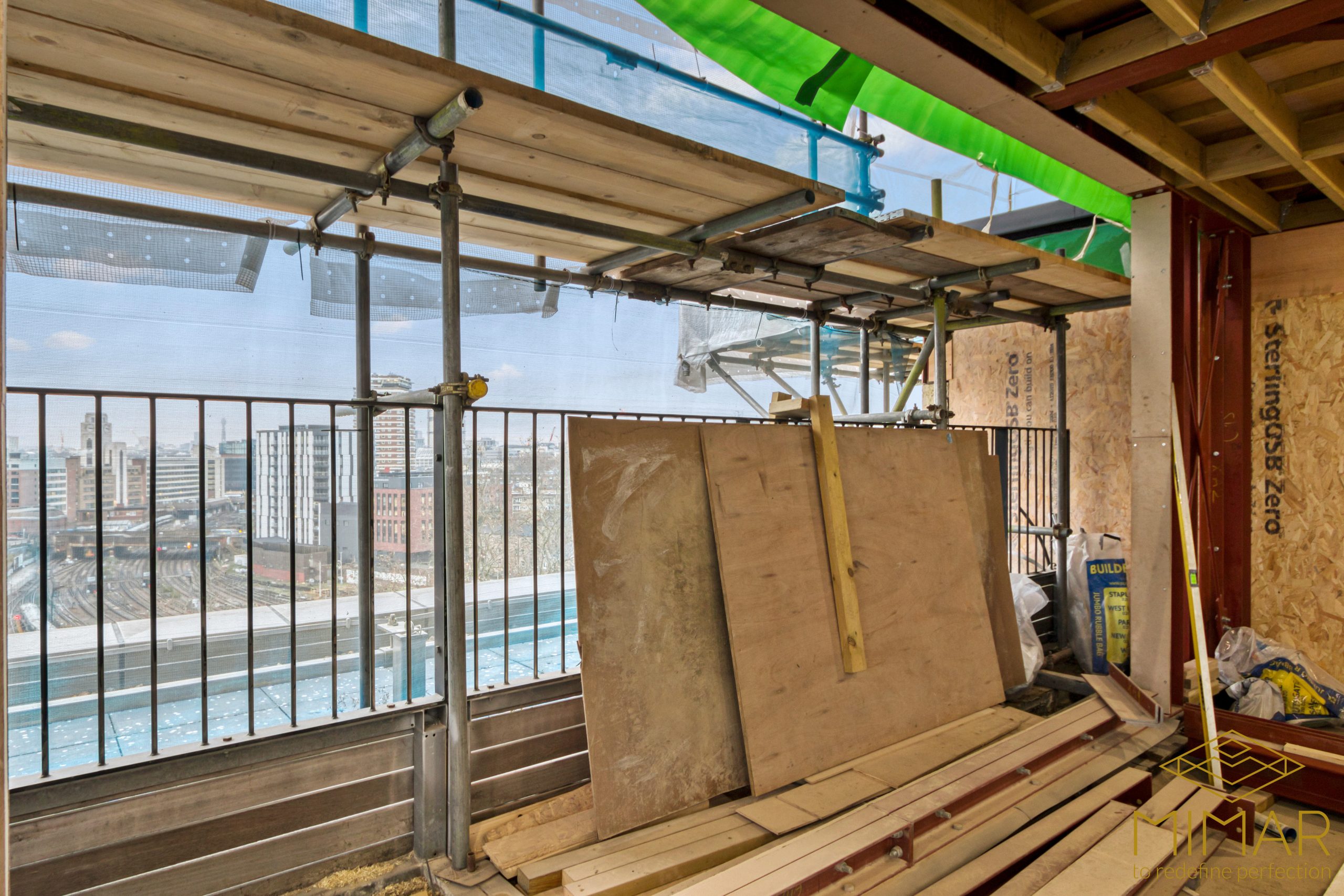
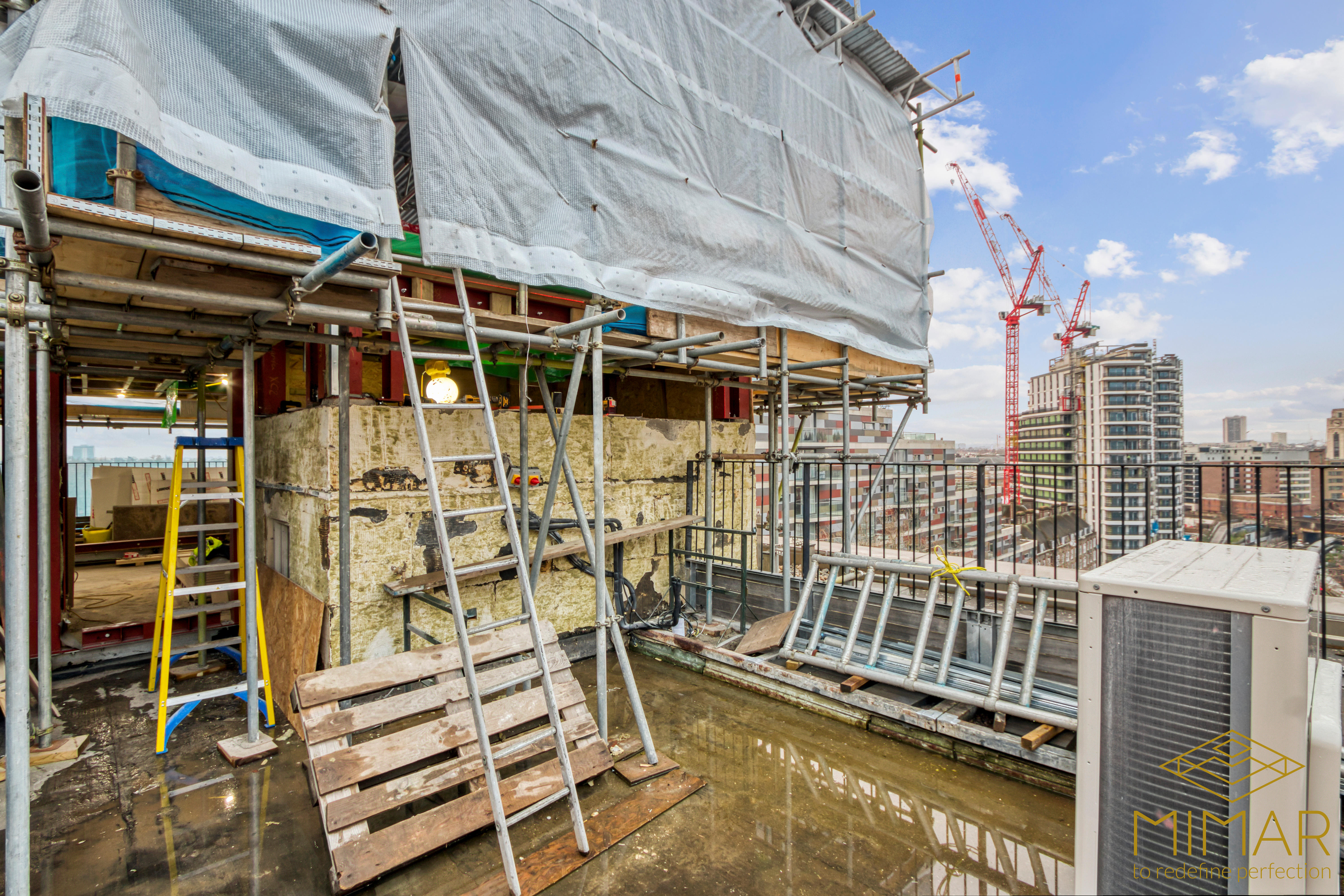
Scaffolding setup on a rooftop construction site with visible ladders, barriers, and building structures in the background.
Estimated Reading Time: 9 minutes

Introduction: The Orchestrated Complexity of Construction Sites

Behind the visible progress of rising structures and transforming landscapes lies the intricate world of construction site operations. A construction site is far more than just the physical location where building occurs—it’s a dynamic ecosystem of people, processes, and technology working in concert to turn architectural visions into reality. In London’s bustling urban landscape, where space is at a premium and regulations are stringent, the complexity of these operations is magnified tenfold.

Understanding how a construction site functions is crucial not just for industry professionals but for clients, stakeholders, and anyone involved in the built environment. The seamless coordination between various teams, the strategic deployment of resources, and the meticulous attention to safety and quality standards all contribute to the success of construction projects that shape our cities and communities.

From the dedicated construction worker climbing scaffolding at dawn to the sophisticated construction tech enabling real-time project tracking, every element plays a vital role in the orchestrated dance of building. This behind-the-scenes look at construction site operations reveals how the industry combines traditional craftsmanship with cutting-edge innovation to overcome challenges and deliver impressive results in an ever-evolving field.

Scaffolding setup on a rooftop construction site with visible ladders, barriers, and building structures in the background.

Key Roles and Responsibilities on a London Construction Site

The success of any construction project hinges on the skilled individuals who bring their expertise to the site each day. At the heart of this workforce is the construction worker—the backbone of the industry whose hands-on skills transform blueprints into buildings. These professionals engage in physically demanding tasks ranging from foundational work to finishing touches, requiring both strength and precision.

A typical London construction worker specializes in specific trades such as carpentry, bricklaying, electrical work, or plumbing. Their day begins with a safety briefing, followed by executing tasks according to strict quality standards under the watchful eye of supervisors. Despite advances in automation, the skilled construction worker remains irreplaceable for their adaptability, problem-solving abilities, and craft expertise that machines cannot replicate.

Overseeing the entire operation is the Site Manager, who serves as the nerve center of the project. In London’s complex building environment, these professionals must navigate strict planning regulations, space constraints, and the challenges of working within a densely populated urban center. They coordinate deliveries through congested streets, manage noise restrictions, and ensure compliance with the city’s unique building codes.

Industry Insight

According to the Construction Industry Training Board, skilled construction workers in London earn approximately 20% more than the UK average, reflecting both the higher cost of living and the specialized expertise required for the capital’s ambitious construction projects.

Other critical roles include:

  • Project Managers: Responsible for broader strategic oversight, budget management, and client communication
  • Health and Safety Officers: Particularly vital in London where working in confined sites near public areas requires enhanced safety protocols
  • Quantity Surveyors: Who manage the financial aspects of projects, especially important given London’s premium material and labor costs
  • Specialized Engineers: Including structural, civil, and mechanical engineers who ensure technical integrity
  • Subcontractors: Specialists brought in for specific project elements

The interrelationship between these roles creates a collaborative environment where effective communication is paramount. As The Chartered Institute of Building notes, this interdependence forms the foundation upon which successful projects are built, with each professional contributing their expertise to the collective goal. If you’re keen to learn about how clear and honest communication between architects, clients, and builders can further elevate project outcomes, including the role of site visits and proactive issue resolution, our related post offers in-depth insights.

Construction Planning: The Blueprint for Success

Meticulous construction planning underpins every successful project, serving as the roadmap that guides all subsequent activities. In London’s competitive construction landscape, this planning phase is particularly crucial given the city’s unique challenges, including heritage considerations, tight urban spaces, and complex logistical requirements. For those embarking on new projects, understanding the practicalities of securing building permissions, conducting thorough site surveys, and preparing clear timetables is vital before work commences.

The construction planning process typically unfolds in several strategic stages:

Construction Planning Phases
Pre-construction Assessment
Detailed Scheduling
Resource Allocation
Risk Identification
Procurement Strategy
Continuous Monitoring

The pre-construction phase involves comprehensive site surveys, feasibility studies, and securing necessary planning permissions—a process that can be particularly time-consuming in London where historical preservation and neighbor considerations often take precedence. Experienced planners conduct thorough site investigations to identify potential issues like contaminated soil or archaeological significance, which could significantly impact timelines and budgets if discovered mid-project. For guidance on how to collaborate with designers and navigate London’s planning system for refurbishments and renovations, see our article on working with architects for refurbishment projects.

Detailed scheduling breaks down the project into manageable phases, establishing critical paths and milestones. Modern construction planning employs sophisticated software tools that enable project managers to visualize workflows, identify potential bottlenecks, and optimize resource allocation. These digital tools have transformed the planning process, allowing for greater precision and adaptability.

Resource allocation involves determining the optimal distribution of labor, materials, and equipment across the project timeline. In London’s construction sector, where skilled labor can be at a premium and material deliveries must navigate congested urban roads, this aspect of planning requires particular attention to avoid costly delays.

Effective construction planning also incorporates robust risk assessment and management strategies. Industry research suggests that projects with comprehensive risk management protocols are 70% more likely to meet their completion targets. Contingency planning accounts for potential disruptions, from adverse weather conditions to supply chain issues, ensuring the project can adapt and progress despite challenges. Fundamental preparation, including confirming your builder’s experience and ensuring insurance and certification are in order, is explored further in our advice on putting the pieces of your project together.

Essential Equipment and Machinery on Modern Construction Sites

The evolution of construction equipment has dramatically transformed how projects are executed, enhancing efficiency, safety, and capabilities. Central to many London construction sites is the imposing construction crane, a symbol of urban development that dominates the city’s skyline.

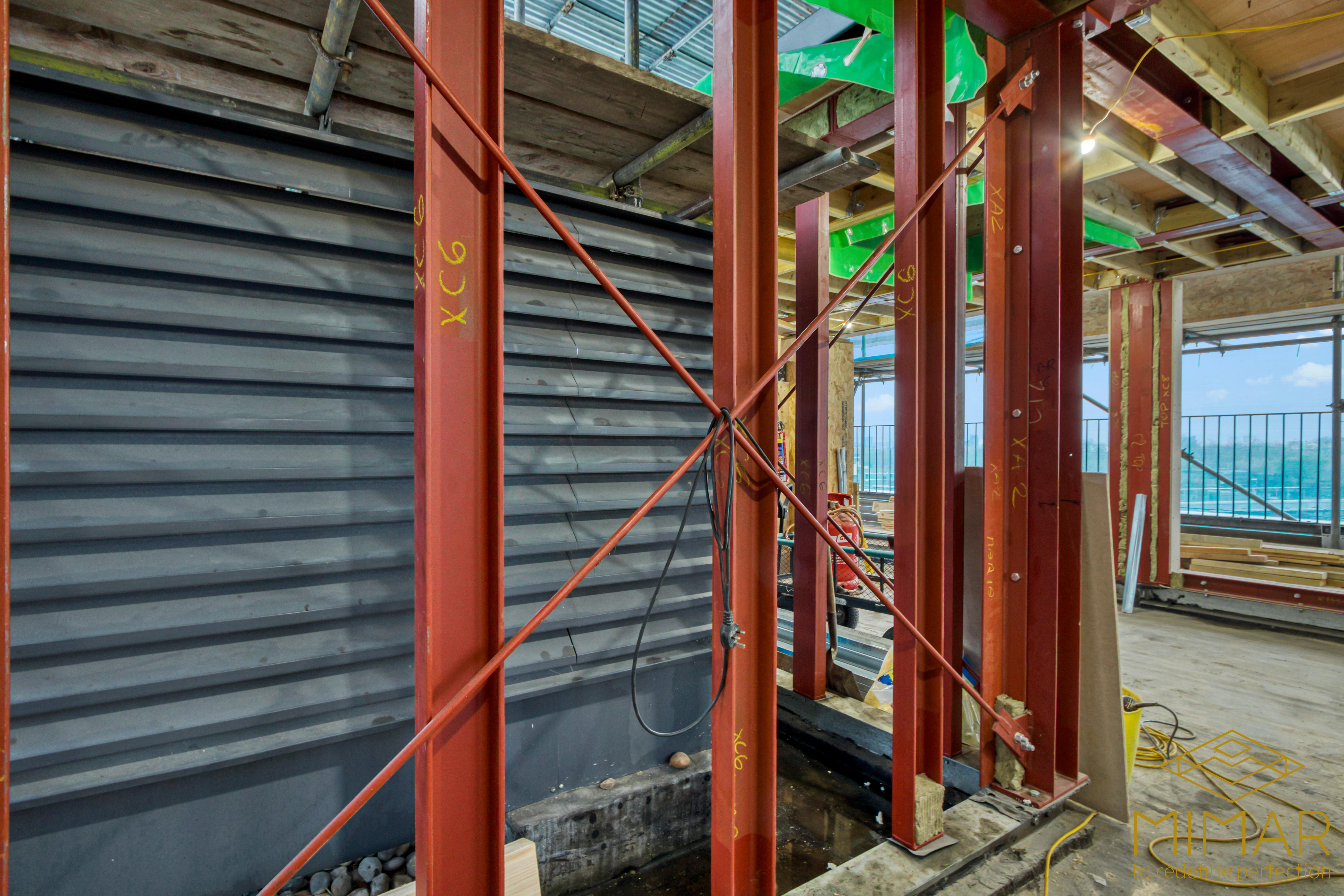
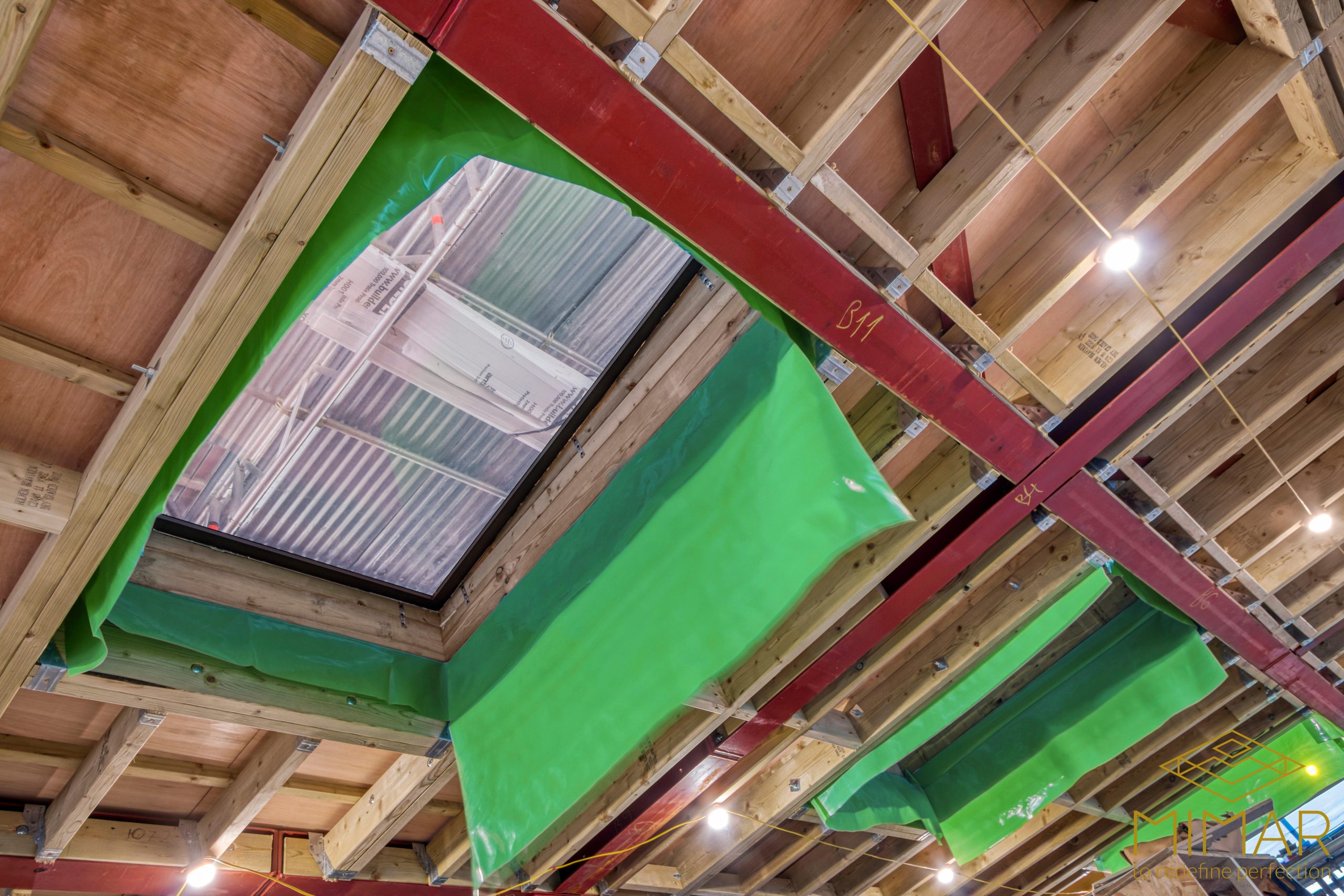
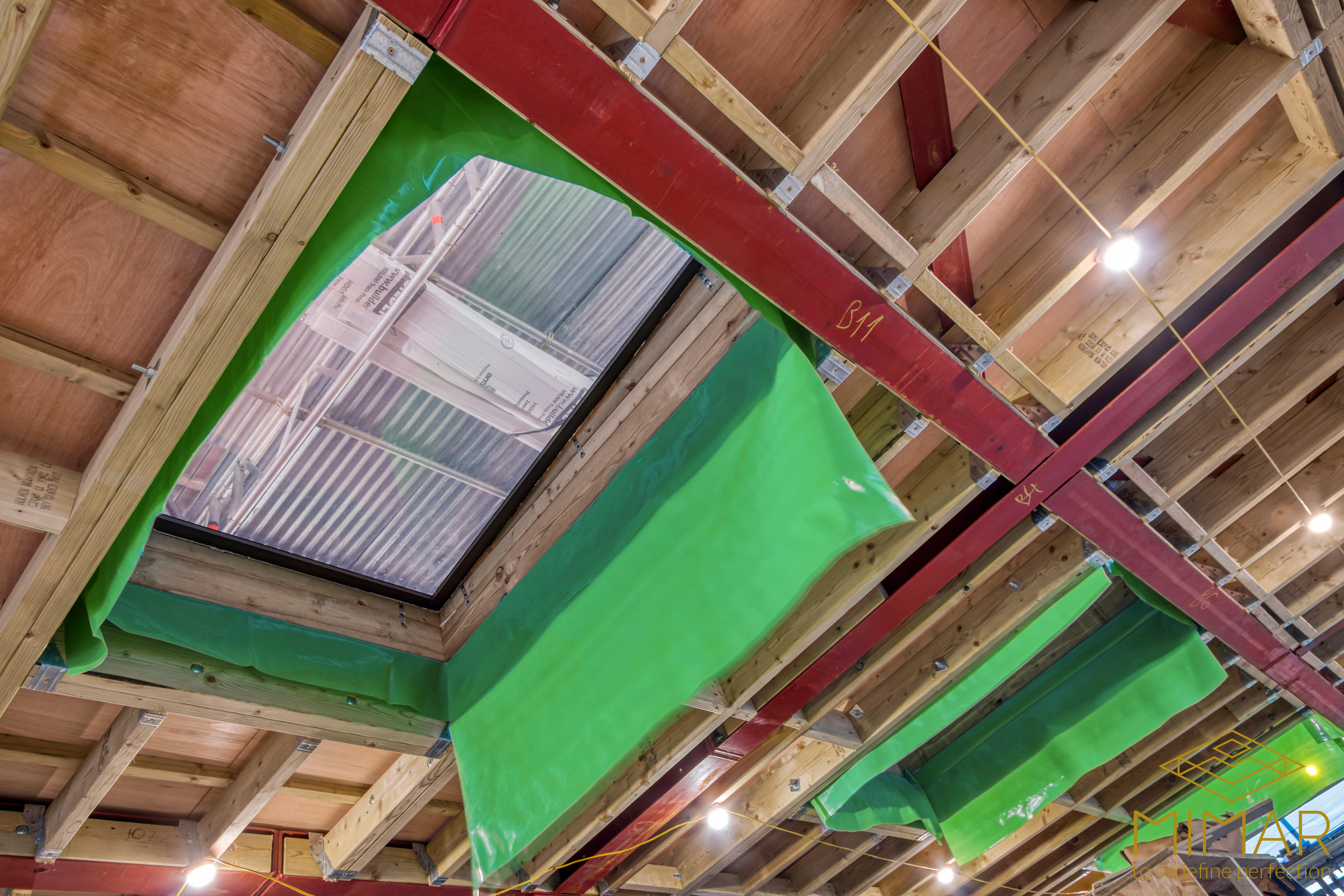
Construction site showing steel beam framework and various construction materials and tools, indicating an extension project in progress.

Construction cranes serve as the vertical transportation system of any significant building project, enabling the movement of heavy materials to heights that would otherwise be inaccessible. In London’s increasingly vertical development landscape, these machines have become indispensable. Tower cranes can reach heights exceeding 80 meters and lift loads of up to 20 tonnes, making them crucial for high-rise projects that characterize much of London’s contemporary development.

The strategic positioning of a construction crane requires careful planning, considering factors such as:

  • Maximum load requirements throughout the project lifecycle
  • Reach needed to cover the entire construction area
  • Ground conditions and structural support requirements
  • Proximity to other buildings, roads, and infrastructure
  • Wind exposure and weather considerations

Crane operations demand highly skilled operators who undergo rigorous training and certification. These professionals must master precise control techniques while maintaining constant communication with ground teams through standardized hand signals and radio systems. As industry sources indicate, the integration of crane management into broader site logistics planning is essential for maintaining workflow efficiency and safety.

Beyond cranes, modern London construction sites utilize an array of specialized equipment:

Equipment Type Primary Function Impact on Site Operations
Excavators Earth moving, foundation preparation Critical for initial site preparation and groundwork
Concrete Pumps Precise concrete delivery to elevated or difficult-to-access areas Enables continuous pouring, reducing setting issues and labor requirements
Material Hoists Vertical transportation of materials and sometimes personnel Supplements crane operations for smaller, regular deliveries
Mobile Elevating Work Platforms Safe access to elevated work areas Enhances worker safety and productivity at height
Compact Equipment Specialized tasks in confined spaces Essential for London’s often restricted site conditions

The selection and management of this equipment represent significant investments and logistical considerations. In London’s premium construction market, equipment rental costs can account for 5-15% of project budgets, making efficient utilization essential for financial management. The integration of telematics and equipment monitoring systems has further optimized machinery deployment, allowing site managers to track usage patterns, maintenance needs, and fuel consumption in real-time.

Construction Procurement: Keeping the Workflow Moving

Construction procurement forms the critical supply chain that keeps projects advancing smoothly—a particularly challenging aspect in London’s fast-paced and space-constrained building environment. Effective procurement strategies ensure that the right materials, equipment, and subcontractor services arrive at exactly the right time, neither too early (causing site congestion) nor too late (creating costly delays).

In London’s construction landscape, procurement challenges are amplified by several factors:

  • Limited storage space on urban construction sites necessitates just-in-time delivery systems
  • Traffic restrictions and congestion charge zones complicate logistics and delivery scheduling
  • Stringent sustainability requirements influence material selection and supplier qualification
  • Premium costs for London-based services require sophisticated negotiation and contract management

Modern construction procurement has evolved from a purely transactional function to a strategic one. Procurement teams now engage in early contractor involvement, collaborative supplier relationships, and value engineering to optimize both cost and performance. Digital procurement platforms have transformed the process, enabling real-time inventory tracking, automated ordering, and integrated documentation.

The procurement cycle typically follows several key stages:

  1. Specification Development: Detailed documentation of required materials, quantities, and quality standards
  2. Supplier Identification and Qualification: Evaluating potential vendors against criteria including reliability, capacity, and compliance
  3. Tendering and Negotiation: Securing competitive pricing while ensuring quality and service standards
  4. Contract Management: Establishing clear terms, delivery schedules, and performance metrics
  5. Logistics Coordination: Planning delivery sequences that align with construction schedules
  6. Performance Monitoring: Tracking supplier reliability and quality compliance throughout the project

Effective procurement directly impacts project outcomes. Research indicates that optimized procurement strategies can reduce overall project costs by 5-10% while significantly mitigating schedule risks. In London’s premium construction market, where material costs are already elevated, these efficiencies can translate to substantial savings. For more guidance on organizing quotations, insurance, and documentation during procurement, our detailed project preparation guide can help.

Procurement Best Practice

Leading London contractors are increasingly adopting centralized procurement hubs that consolidate ordering across multiple projects, enhancing purchasing power while standardizing quality and compliance processes across their portfolio of construction sites.

Construction Tech: Revolutionizing the Building Process

The integration of construction tech has fundamentally transformed how London construction sites operate, bringing unprecedented levels of efficiency, accuracy, and collaboration to projects of all scales. Digital innovations are reshaping every aspect of construction, from initial planning through execution and ongoing management. To keep pace with the evolving landscape and explore the value of ongoing learning, innovative materials, and emerging building technologies, see how forward-thinking builders foster company growth and advance their teams’ skills.

Building Information Modeling (BIM) represents perhaps the most significant technological advancement in construction planning and coordination. This collaborative 3D modeling approach creates a comprehensive digital representation of the physical and functional characteristics of a building. In London’s complex development environment, BIM has become particularly valuable for:

  • Clash detection that identifies potential conflicts between building systems before installation
  • Virtual walkthroughs that allow stakeholders to experience spaces before construction begins
  • 4D sequencing that links 3D models with project schedules to visualize construction sequences
  • Integrated information management that maintains a single source of truth for all project data

The construction worker’s daily experience has been transformed by mobile technology that puts critical information at their fingertips. Tablet-based drawing access, digital snagging tools, and real-time communication platforms have replaced paper-based systems, enabling faster decision-making and reducing errors. Studies show that construction sites utilizing integrated mobile solutions experience up to 30% fewer rework incidents.

Drone technology has revolutionized site monitoring and surveying, providing construction managers with regular aerial imagery for progress tracking, stockpile measurement, and site security. In London’s dense urban environment, where traditional surveying can be challenging, drones offer a cost-effective alternative that delivers highly accurate data with minimal disruption.

Other transformative technologies include:

  • Wearable Safety Tech: Including smart helmets with heads-up displays and vests with environmental sensors
  • Prefabrication and Modular Construction: Enabled by digital design and manufacturing systems
  • Augmented Reality (AR): Used for installation guidance and quality verification
  • Internet of Things (IoT): Connected sensors monitoring equipment performance, environmental conditions, and structural behavior
  • Artificial Intelligence: Analyzing project data to predict risks, optimize schedules, and enhance decision-making

The adoption of construction tech in London has been accelerated by several factors, including the city’s position as a global innovation hub, the presence of major technology firms, and the high value of projects that can justify significant technology investments. As industry experts note, construction companies that embrace digital transformation are consistently outperforming their more traditional competitors in terms of project delivery, client satisfaction, and profit margins. Sustainability also plays an ever-growing role—explore actionable approaches for eco-friendly refurbishments, low-energy solutions, and responsible material choices in our dedicated sustainability guide.

How Everything Works Together: The Synchronized Construction Site

The true marvel of a well-managed construction site lies in how its disparate elements—people, processes, equipment, and technology—integrate into a synchronized system. This harmonization is the difference between a chaotic collection of activities and a streamlined operation that delivers quality results safely and efficiently.

Communication serves as the foundational element binding all construction site operations together. In London’s multilingual construction environment, where workers often come from diverse backgrounds, establishing clear communication protocols is essential. Daily briefings, standardized signaling systems for crane operators, digital collaboration platforms, and regular coordination meetings create the information flow necessary for alignment across all teams. For practical tips on improving project-site teamwork, problem-solving, and issue escalation, visit our guide to effective architect-client-builder communication.

The integration of planning and execution forms another critical connection point. The construction planning developed in project offices must translate effectively to daily activities on site. Construction managers achieve this through:

  • Detailed work breakdowns that assign specific tasks to teams and individuals
  • Short-interval planning that focuses on immediate goals while maintaining alignment with overall schedules
  • Visual management systems that display progress, targets, and key information in accessible formats
  • Regular progress reviews that compare actual performance against planned objectives

Equipment and resource coordination represents another integration challenge. The construction crane exemplifies this complexity—its operation must be precisely scheduled to align with material deliveries, installation team availability, and sequencing requirements. Digital scheduling systems now enable real-time allocation of shared resources, optimizing utilization while preventing conflicts.

Quality control processes weave throughout all site operations, creating consistent standards across diverse trades and activities. From material inspection upon delivery to progressive verification of installed work, these processes ensure that each component meets specifications before subsequent work proceeds. As industry guidelines emphasize, this systematic approach to quality prevents costly rework and ensures the integrity of the finished structure. If you’re considering a collaborative approach for your next project, discover the benefits of an architect-led refurbishment process and design-build collaboration in central London.

Common Challenges and Solutions in Site Operations

Even the most well-planned London construction sites face challenges that test the resilience and adaptability of project teams. Understanding these common obstacles—and proven strategies to overcome them—can help stakeholders anticipate issues and respond effectively when they arise.

Weather conditions present a persistent challenge in London’s variable climate. Rain can delay concrete pours and exterior finishes, while high winds may restrict crane operations and create safety hazards. Forward-thinking construction teams mitigate these impacts through:

  • Weather-adaptive scheduling that sequences weather-sensitive activities during favorable forecasts
  • Temporary enclosures and weatherproofing measures
  • Alternative work plans that redirect teams to interior tasks during inclement conditions
  • Technology-based weather monitoring that provides advance warning of changing conditions

Supply chain disruptions have become increasingly common, particularly in post-Brexit Britain. Construction procurement teams address these challenges through diversified supplier networks, early procurement of critical materials, and maintaining strategic buffer stocks of essential components. Digital supply chain visibility tools enable real-time tracking of deliveries and early identification of potential delays.

Skilled labor shortages continue to affect London’s construction sector, exacerbated by Brexit-related workforce changes. Progressive construction companies are responding with:

  • Apprenticeship programs that develop new talent within the organization
  • Cross-training initiatives that create more versatile construction workers
  • Improved working conditions and compensation packages to attract and retain skilled professionals
  • Adoption of technologies that enhance worker productivity and reduce labor requirements

Urban logistics challenges are particularly acute in London, where restricted access, limited staging areas, and traffic congestion complicate material deliveries and equipment movements. Successful projects implement carefully orchestrated logistics plans, including dedicated delivery marshaling areas, timed delivery slots, and sometimes night deliveries to avoid peak traffic periods. For clients concerned about the impact on neighbours, minimizing noise, protecting possessions, and managing mess are addressed in our practical guide, including strategies for adhering to urban site restrictions.

Innovative Solution

Some major London projects have established consolidation centers away from congested urban areas, where materials from multiple suppliers are collected and organized before being delivered to the construction site in consolidated loads, reducing vehicle movements by up to 70%.

The Future of Construction Site Management

The construction site of tomorrow is already taking shape through emerging technologies and evolving methodologies that promise to further transform the industry. London, with its concentration of prestigious projects and forward-thinking firms, often serves as a testing ground for innovations that eventually reshape construction practices globally.

Artificial intelligence and machine learning applications are expanding beyond basic data analysis to provide predictive capabilities that enhance decision-making. AI algorithms can now analyze thousands of historical projects to forecast potential issues, optimize resource allocation, and even recommend construction methods based on specific project parameters. This shift toward data-driven management is reducing the reliance on intuition and experience alone.

Robotics and automation are gradually assuming more significant roles in construction operations. Semi-autonomous equipment is reducing operator fatigue and improving safety in repetitive tasks, while specialized robots are being developed for activities like bricklaying, concrete finishing, and interior finishing. These technologies are not replacing the construction worker but rather changing their role to focus more on oversight, quality control, and specialized tasks that require human judgment.

Sustainability considerations are increasingly central to construction operations, driven by London’s ambitious environmental targets and client demands for greener buildings. This focus is manifesting in:

  • Low-carbon construction methods and materials selection
  • Circular economy approaches that minimize waste and maximize material reuse
  • Energy-efficient equipment and processes that reduce the carbon footprint of construction operations
  • Whole-life carbon assessment that considers embodied carbon alongside operational emissions

Integrated digital delivery systems are blurring the boundaries between design, construction planning, and on-site execution. These platforms create seamless information flow from concept through completion, enabling greater collaboration between all stakeholders. The construction site becomes an extension of the digital environment, with real-world activities directly informed by and feeding back into the digital model. For forward-looking builders and homeowners, our guidance on sustainable refurbishment options and energy-saving improvements in London offers practical next steps toward a greener built environment.

Conclusion: The Evolving Construction Landscape

The construction site stands as a testament to human ingenuity and collaboration—a place where vision becomes reality through the coordinated efforts of diverse specialists and the application of increasingly sophisticated technologies. From the essential contributions of the construction worker to the strategic oversight of management teams, from the commanding presence of the construction crane to the precision of digital planning tools, each element plays a vital role in the orchestrated process of building.

London’s construction landscape exemplifies this complexity, with projects navigating unique challenges while embracing innovative solutions that continuously reshape industry practices. The integration of traditional craftsmanship with cutting-edge construction tech creates a dynamic environment where methods and capabilities are constantly evolving. Construction teams that continually embrace innovation, fresh project types, and knowledge sharing set the pace for a modern built environment.

As we’ve explored throughout this examination of construction site operations, success depends on the seamless coordination of multiple moving parts—people, processes, equipment, and technology—all working toward common objectives with clear communication and meticulous planning. The construction procurement function ensures resources flow efficiently, while construction planning provides the roadmap that guides all activities toward completion. Don’t overlook the power of effective communication among architects, clients, and builders or the advantage of an architect-led, collaborative renovation process for your next project.

For those considering careers in construction, understanding these interconnected elements reveals the diverse opportunities available within this vital industry. For clients and stakeholders, this appreciation of operational complexity reinforces the value of experienced professionals who can navigate the challenges of bringing ambitious projects to successful completion.

The construction site will continue to evolve as new technologies emerge and methodologies advance, but its fundamental nature as a place of transformation—where plans become structures that shape our communities and skylines—remains constant. This behind-the-scenes look at construction operations illuminates not just how buildings rise, but how the industry itself continually rebuilds its approach to creating the built environment of tomorrow.

The Advantages of Mansard Loft Conversions

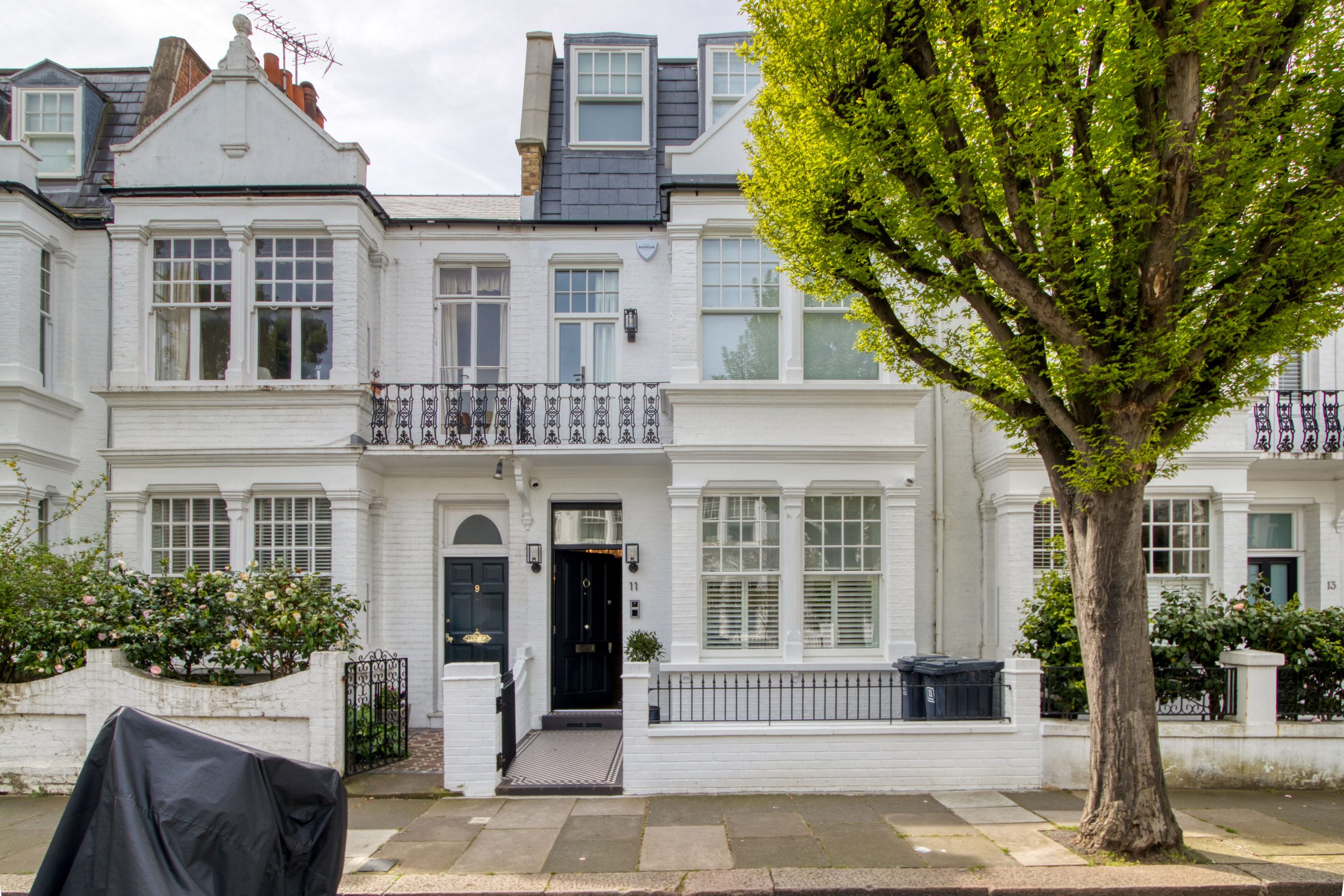
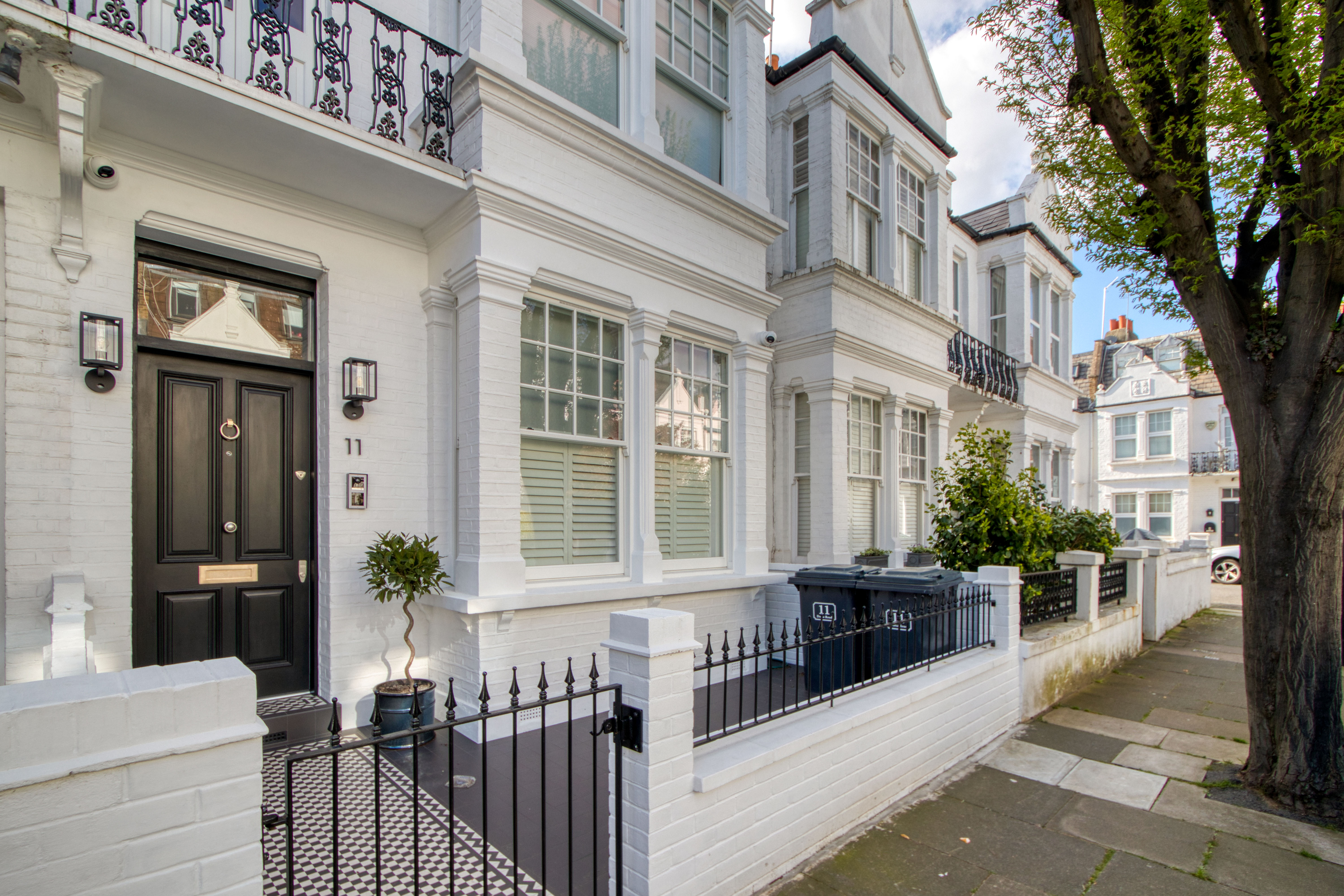
Exterior view of a refurbished row of white terraced houses with detailed facades and a neatly maintained street.
Estimated Reading Time: 9 minutes

Introduction to Mansard Loft Conversions

Mansard loft conversions represent one of the most transformative ways to expand your London home, offering unparalleled space and versatility compared to other loft conversion styles. Named after the 17th-century French architect François Mansart, these conversions have become increasingly popular in urban areas where space is at a premium and extending outward isn’t an option. By dramatically altering the roof structure, mansard loft conversions create what essentially feels like an entire additional floor rather than merely a converted attic space.

Modern, elegantly designed bedroom with upholstered walls, a chandelier, and large window doors.

For homeowners seeking to maximize both headroom and floor space within their existing property footprint, mansard loft conversions offer an elegant solution that works particularly well with London’s architectural heritage. In this comprehensive guide, we’ll explore what sets mansard loft conversions apart from alternatives like dormer, velux, and l shaped loft conversions, helping you understand whether this premium conversion style might be the right choice for your home. If you’re interested in a broader overview of everything London homeowners need to know about loft conversion, including costs and other design ideas, be sure to read our full guide.

Definition and Unique Characteristics of Mansard Loft Conversions

A mansard loft conversion involves a significant structural transformation of your existing roof into a design characterized by two key elements: a steeply sloped rear wall (typically constructed at a 72-degree angle) and a flat or very gently sloping roof on top. This distinctive configuration is what gives mansard conversions their exceptional spaciousness and distinctive appearance.

The near-vertical wall design is the conversion’s most defining feature, as it maximizes the available headroom throughout the new living space. Unlike other loft conversion types that work within the constraints of the existing roof pitch, a mansard conversion essentially replaces the entire roof structure on one or more sides of the property. The result feels less like an attic and more like a proper additional storey to your home.

Origins of the Name

The term “mansard” comes from François Mansart (1598-1666), the influential French architect who popularized this roof style during the Baroque period. The design later became a signature element of Parisian architecture during the 19th-century reconstruction of the city under Napoleon III.

Typical features of a mansard loft conversion include:

  • Near-vertical walls (usually at a 72° angle) that maximize the usable floor area
  • Flat or minimally pitched top roof section that provides consistent ceiling height throughout
  • Dormer windows that bring abundant natural light into the space
  • Structural reinforcement to support the new configuration
  • Traditional appearance that often complements period properties

While other loft conversion types might add usable space within your existing roof, a mansard conversion creates what feels like a genuine extra floor. This distinctive approach makes it particularly suitable for properties where maximum space gain is the priority, especially in densely populated urban areas like London where property values make every square foot valuable. For those with smaller homes, you may also want to explore creative ideas for small loft conversions to maximize space and value for attic and bungalow properties.

Mansard vs Other Loft Conversion Types

Understanding how mansard loft conversions compare to other popular styles can help clarify which option best suits your property and needs. Each conversion type offers different advantages in terms of space, cost, appearance, and planning requirements. To dive deeper into permitted development criteria and rules that often affect dormer and velux styles, see our complete overview on loft extension permitted development in London.

Feature Mansard Conversion Dormer Conversion L Shaped Conversion Velux Conversion
Roof Structure Complete restructuring with 72° wall and flat top Box extension from sloped roof Combines rear and side dormers in L-shape Preserves existing roof structure
Space Gained Maximum headroom and floor space Good headroom in extended area Extensive space in properties with suitable layout Limited to existing roof pitch
Typical Cost £45,000-£70,000+ £30,000-£50,000 £40,000-£65,000 £15,000-£25,000
Planning Permission Almost always required Often permitted development Usually required Rarely required
External Appearance Significant change to roofline Visible box extension Substantial change to rear/side profile Minimal external change

The primary distinctions between these conversion types lie in the extent of structural changes and the resulting space. Mansard conversions involve the most comprehensive restructuring, essentially creating an entirely new roof profile. While this requires greater investment and planning permission, it yields the most generous living space.

Dormer loft conversions extend from the existing roof slope with a box-like structure, providing additional headroom but not as much as a mansard. They’re less expensive and often fall under permitted development rights, making them a popular middle-ground option.

L shaped loft conversions combine rear and side dormers to create an L-shaped layout, ideal for certain Victorian or Edwardian properties. These offer substantial space but require a suitable property configuration and generally need planning permission.

Velux conversions (also called roof light conversions) are the least invasive, simply adding windows to the existing roof without altering its structure. While most affordable and rarely requiring planning permission, they provide the least additional space and work best in properties with already generous loft headroom.

Key Features and Benefits of Mansard Loft Conversions

Mansard loft conversions offer numerous advantages that make them particularly appealing to homeowners seeking to maximize their property’s potential:

Mansard Conversion Benefits
Maximum Space Gain
Full-Height Rooms
Design Versatility
Property Value Increase
Heritage Compatibility
Natural Light

Superior Space Creation: The steep-walled design of mansard conversions creates significantly more usable floor area than other conversion types. This allows for genuinely spacious rooms rather than awkward spaces with limited headroom. Many homeowners gain enough space for multiple rooms, such as a master bedroom with en-suite bathroom and perhaps a study area or dressing room.

Versatile Layout Options: The generous proportions and consistent ceiling height enable flexible floor plans. Whether you need additional bedrooms, a home office, entertainment space, or even a self-contained apartment, mansard conversions provide the necessary freedom to design spaces that truly meet your needs.

Substantial Value Addition: While more expensive to construct than other loft conversions, mansard conversions typically add considerable value to your property. In London’s competitive property market, the addition of what feels like a complete extra floor can significantly enhance your home’s market appeal and resale value. Property experts often cite mansard conversions as offering excellent return on investment, particularly in high-value areas.

Abundant Natural Light: The vertical wall design allows for the installation of conventional windows or even French doors with Juliet balconies, bringing significantly more natural light into the space than is possible with standard pitched roofs. This creates bright, welcoming spaces that feel like natural extensions of your home rather than converted attic areas.

Aesthetic Integration: Despite their transformative nature, mansard conversions can be designed to complement your property’s existing architectural style. For London’s many period properties, mansard conversions can be finished with traditional materials and details that respect and enhance the building’s heritage character.

Increased Energy Efficiency: The construction of a mansard conversion provides an excellent opportunity to improve your home’s thermal performance with modern insulation standards. This can reduce energy bills and improve comfort throughout the year. If you are interested in further improving energy efficiency, explore our tips on how to get loft insulation free in London and save on energy bills, including DIY options and grants.

Ideal Properties for Mansard Conversions in London

While mansard loft conversions can benefit many property types, they are particularly well-suited to certain homes and situations common in London:

Terraced and Semi-Detached Period Properties: London’s Victorian, Georgian, and Edwardian terraced houses are ideal candidates for mansard conversions. Their strong structural walls can support the new roof configuration, and the conversion often complements the original architectural style. Many neighborhoods in London already feature traditional mansard roofs, making planning permission potentially more straightforward.

Properties in Conservation Areas: In London’s numerous conservation areas, mansard conversions may be preferred by planning authorities over more modern-looking alternatives, provided they’re designed sympathetically. The traditional appearance of mansard roofs can preserve the architectural harmony of historically significant streets.

Homes with Limited Expansion Options: For London properties where extending outward isn’t possible due to small gardens or restrictive planning policies, expanding upward through a mansard conversion offers a valuable alternative. This is especially relevant in densely populated boroughs where space is at a premium.

Properties with Low Pitch Roofs: Homes with existing low-pitched roofs that would provide minimal headroom with other conversion types benefit particularly from the restructuring involved in a mansard conversion. For those interested in maximizing small or already-low attic spaces, we also have expert tips on small loft conversions including creative solutions for homes with minimal headroom.

Multi-Occupancy Requirements: For homeowners needing to accommodate extended family or considering creating rental income, the substantial space created by a mansard conversion can allow for semi-independent living areas with their own facilities.

Terraced House Advantage

In terraced houses, mansard conversions are often constructed on the rear slope only, preserving the front roofline while maximizing space where it’s less visible from the street. This approach can be more acceptable to planning authorities, particularly in conservation areas.

Planning Permission and Regulations for Mansard Loft Conversions

Unlike some simpler loft conversions that might fall under permitted development rights, mansard loft conversions almost always require planning permission due to the significant alterations they make to a property’s appearance and structure. This is an important consideration in your project timeline and budget. For a full explanation of loft extension permitted development in London including criteria, benefits, and expert tips for conversion under permitted development, visit our dedicated guide.

Planning Permission Requirements: The substantial change to your roof’s profile means that local planning authorities will need to approve your mansard conversion. Success often depends on local precedent—if neighboring properties have similar conversions, your application is more likely to be approved. In London, planning policies vary between boroughs, with some more receptive to mansard conversions than others.

Conservation Area Considerations: If your property is in one of London’s many conservation areas or is a listed building, additional restrictions may apply. Planning applications will need to demonstrate that the conversion respects the character of the area and the architectural integrity of the building. Using traditional materials and maintaining period details can help secure approval. For best results, consider working with an architect familiar with London’s planning process to navigate these local regulations efficiently.

Party Wall Agreements: For terraced or semi-detached properties, you’ll likely need party wall agreements with adjoining neighbors. This formal legal process protects both parties during construction and addresses any concerns about the impact of your project.

Building Regulations: Beyond planning permission, your mansard conversion must comply with building regulations covering structural integrity, fire safety, thermal efficiency, ventilation, and access. These technical standards ensure the new space is safe and habitable.

Professional Support: Given the complexity of planning for mansard conversions, professional assistance from architects experienced with local planning policies and loft specialists familiar with structural requirements is highly recommended. Their expertise can significantly increase the likelihood of planning approval and ensure a structurally sound design. Check out our detailed post on the benefits of an architect-led renovation, including design planning and navigating planning permissions in London.

Real-Life Applications and Success Stories

Across London, mansard loft conversions have transformed homes and enhanced lifestyles in numerous ways. These real-world applications demonstrate the versatility and impact of this conversion style:

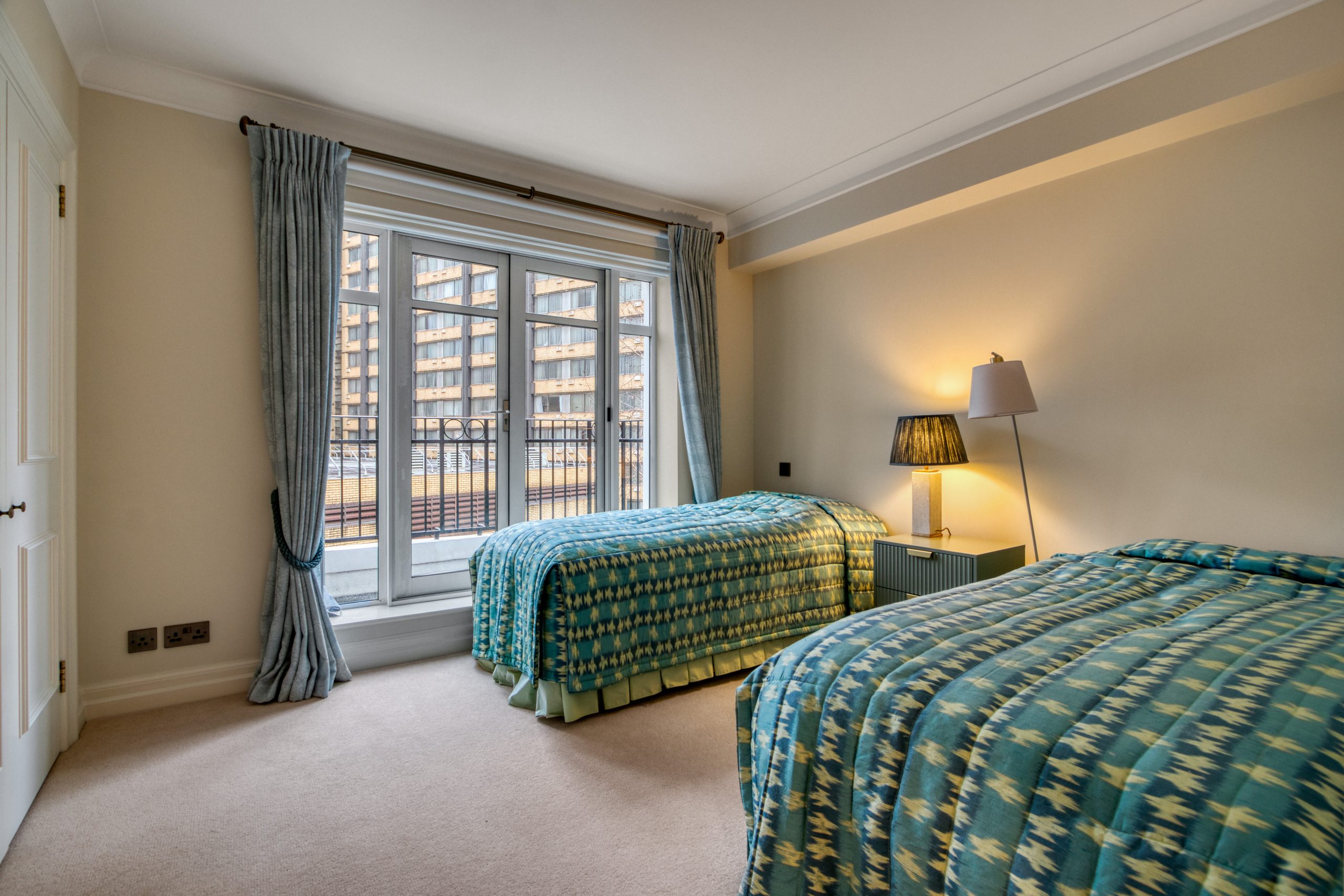
A newly refurbished bedroom featuring a modern design with a large bed, elegant chandelier, and balcony access.

Family Expansion: Many growing London families have used mansard conversions to create additional bedrooms and bathrooms, avoiding the disruption and expense of moving to a larger property. A typical example might include a master bedroom with en-suite bathroom, plus one or two additional bedrooms or a shared family bathroom.

Work-from-Home Solutions: The shift toward remote working has driven demand for dedicated home office spaces. Mansard conversions provide the perfect opportunity to create professional workspaces with abundant natural light and separation from the main living areas, supporting better work-life balance.

Multi-Generational Living: As housing costs rise, many families are accommodating adult children or elderly parents within their homes. Mansard conversions can create semi-independent living spaces with their own facilities, providing privacy and autonomy for all generations.

Rental Income Generation: Some homeowners use mansard conversions to create self-contained units that can be rented out, generating income that often helps offset the conversion costs. In London’s competitive rental market, well-designed loft apartments command premium rates.

Lifestyle Enhancement: Beyond practical considerations, mansard conversions have created stunning spaces dedicated to homeowners’ passions and interests—from art studios flooded with natural light to home cinemas, yoga studios, or luxurious primary suites that function as personal retreats.

In terraced properties across boroughs like Islington, Camden, and Hackney, mansard conversions have successfully added substantial value while respecting the architectural heritage of these areas. Case studies demonstrate that well-executed conversions can blend seamlessly with period features while delivering thoroughly modern living spaces. If you’re looking for more creative concepts, our blog on creative ideas for small loft conversions also features inspiring London examples.

Design Ideas and Inspiration for Mansard Loft Conversions

The spacious, light-filled environment created by a mansard conversion offers exciting design possibilities. Here are some popular approaches to maximizing the potential of your new space:

Luxury Primary Suites: Create a hotel-inspired retreat with a spacious bedroom area, walk-in wardrobe or dressing room, and an en-suite bathroom. The vertical walls of a mansard conversion allow for conventional furniture placement without the awkward angles found in other loft conversions.

Open-Plan Living: The generous proportions of mansard conversions can accommodate open-plan arrangements combining living, dining, and kitchen areas—ideal for entertainment or as a family gathering space separate from downstairs rooms.

Dual-Aspect Lighting: Maximize natural light by incorporating both dormer windows in the vertical wall and additional skylights in the flat roof section. This creates beautiful light patterns throughout the day and enhances the feeling of spaciousness.

Indoor-Outdoor Connection: Where appropriate, consider French doors with a Juliet balcony to create a connection with outdoor views and bring in additional light and air. This works particularly well for rear mansard conversions with attractive garden or city views.

Exposed Structural Elements: Incorporating exposed beams or structural elements can add character while referencing the space’s origins as a loft. This works especially well in period properties where original features are valued.

Built-In Storage: Maximize functionality by incorporating bespoke storage solutions into eaves or awkward spaces. Custom-built wardrobes, bookcases, or window seats can transform potentially wasted areas into practical features. For even more inspiration and a broader look at the possibilities with loft conversions, read our complete guide to transforming unused space with a loft conversion.

Cost and Value Considerations

Mansard loft conversions represent a significant investment, but one that typically delivers substantial returns in terms of both lifestyle benefits and property value:

Typical Investment: In London, mansard conversions generally range from £45,000 to £70,000+ depending on size, specification, and complexity. This makes them among the most expensive loft conversion options, reflecting the extensive structural work involved. Factors affecting cost include:

  • Property size and existing roof configuration
  • Interior specification (bathroom installations, custom joinery, etc.)
  • Structural requirements and access challenges
  • Additional features like balconies or architectural details

Value Addition: Despite the higher initial investment, mansard conversions typically add significant value to London properties. Research suggests they can increase property value by 20-30%, often making them a sound financial decision in addition to their lifestyle benefits.

Return on Investment: The return on investment tends to be strongest in areas where property values are high and space is at a premium—conditions that apply across much of London. Property experts confirm that well-executed mansard conversions are among the most value-enhancing home improvements available. For those seeking additional tips on refining scope for value and design, considering working with an architect for refurbishment projects can help with budget optimization and project quality.

Cost-Saving Approaches: While mansard conversions require significant investment, certain strategies can help manage costs:

  • Combining with other renovation work to share scaffolding and contractor costs
  • Carefully phasing bathroom and kitchen installations
  • Balancing premium finishes in key areas with more modest specifications elsewhere
  • Choosing a specialist contractor experienced with this conversion type

Financing Options: Many homeowners fund mansard conversions through remortgaging, secured loans, or by releasing equity from their property. The potential value increase often makes this type of financing viable, especially in London’s strong property market. Additionally, incorporating energy-saving upgrades like insulation can make your investment even more cost-effective. Learn more in our article on how to get loft insulation for free in London.

Conclusion: The Unmatched Potential of Mansard Loft Conversions

Mansard loft conversions stand out as the premier option for homeowners seeking to maximize both space and value within their existing property footprint. While they require greater investment and planning consideration than simpler conversion types, they deliver unparalleled results in terms of usable space, design flexibility, and property enhancement.

For London homeowners, particularly those with period properties or homes in conservation areas, mansard loft conversions offer a way to create substantial additional living space while respecting architectural heritage. The vertical walls and flat roof design overcome the limitations of traditional loft conversions, creating rooms that feel like a natural extension of your home rather than a compromise.

Whether your priority is accommodating a growing family, creating dedicated work-from-home space, establishing rental income potential, or simply enhancing your lifestyle, mansard loft conversions provide the versatility and quality to achieve these goals. While dormer, velux, and l shaped loft conversions all have their place, none can match the transformative potential of a well-designed mansard conversion.

As London’s property market continues to evolve, with increasing emphasis on space, quality, and character, mansard loft conversions represent not just a practical solution to space constraints but a genuine opportunity to enhance both your daily living experience and your property’s long-term value. If you’re ready to transform your home and want expert advice at every step, our comprehensive posts on loft conversion transformation and working with architects for refurbishment will help guide you to your ideal result.

Understanding EICR Certificate Cost and Importance

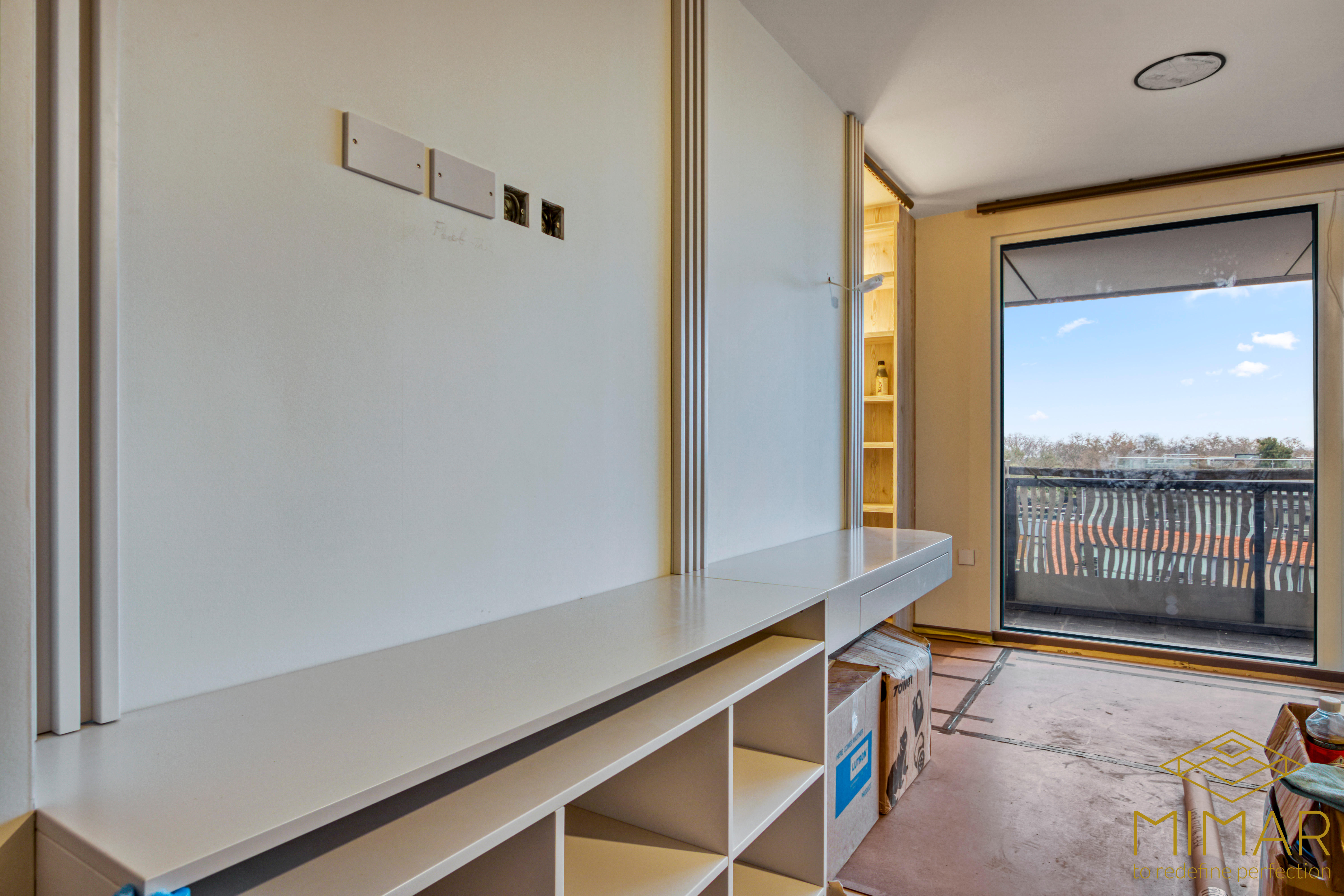
A close-up view of modern light switch panels installed on a wall, featuring a sleek metallic design with multiple buttons.
Estimated Reading Time: 9 minutes

Understanding EICR Certificates and Their Costs

An Electrical Installation Condition Report (EICR) is a comprehensive assessment document that evaluates the safety and condition of the electrical systems within a property. This detailed inspection examines all fixed wiring, distribution boards, socket outlets, and other electrical installations to ensure they meet current safety standards. The EICR certificate cost represents the investment property owners make to confirm their electrical systems are safe for continued use and compliant with regulations.

A close-up view of modern light switch panels installed on a wall, featuring a sleek metallic design with multiple buttons.

For property owners in London and across the UK, understanding EICR cost factors has become increasingly important as electrical safety regulations have tightened. An EICR isn’t just a document—it’s a crucial safety measure that identifies potential hazards before they become dangerous, protecting both property and lives. The certificate provides documented evidence that electrical systems have been professionally assessed and either approved as safe or identified as requiring remedial work.

EICR Certificate
Safety Assessment
Legal Compliance
Defect Identification
Recommendations
Risk Mitigation
Professional Verification

The legal landscape around electrical safety has evolved significantly in recent years, particularly for rental properties. EICR certificates are no longer optional for many property owners—they’re mandatory. For landlords in England, the Electrical Safety Standards in the Private Rented Sector Regulations 2020 require an EICR before any new tenancy begins and at least every five years thereafter. Failure to comply can result in fines of up to £30,000, making the EICR certificate cost a necessary expense rather than an optional outlay.

Beyond legal compliance, EICRs serve several practical purposes:

  • They identify potential fire risks from faulty wiring or overloaded circuits
  • They prevent electric shock hazards by ensuring proper earthing and bonding
  • They document the condition of electrical installations for property transactions
  • They provide peace of mind that a property’s electrical systems are safe

For homeowners or those considering improvements such as adding a basement apartment, while not legally mandated, an EICR is recommended every 10 years or when buying or selling a property. The Electrical Safety First organization advises that regular electrical inspections are a prudent safety measure for all properties, regardless of legal requirements.

Legal Requirement Note

Landlords must provide a copy of the EICR to existing tenants within 28 days of inspection, to new tenants before they move in, and to local authorities within 7 days if requested. This documentation requirement makes the EICR cost an essential part of a landlord’s compliance budget.

Who Needs an EICR and When?

Different property owners and managers have varying obligations regarding electrical safety reports. Understanding when an EICR is required helps to plan for the associated costs effectively. For extensive property refurbishments in London or when selecting the right construction and refurbishment partner, it is critical to schedule EICRs at the appropriate project phases.

London Landlords

For private landlords in London and across England, EICRs are mandatory. The National Residential Landlords Association confirms that landlords must:

  • Obtain a valid EICR before the start of new tenancies
  • Ensure existing tenancies have a valid EICR (this requirement came into force in April 2021)
  • Renew the EICR at least every five years, or more frequently if the previous report recommends it
  • Arrange for a new EICR following significant electrical modifications

Homeowners

While not legally required, homeowners are advised to arrange an EICR:

  • Every 10 years for owner-occupied properties
  • When purchasing a property (to verify the condition of electrical installations)
  • Before selling a property (to reassure potential buyers)
  • After major renovations or electrical work

Commercial Property Owners

Business premises have their own requirements under the Electricity at Work Regulations 1989:

  • Regular EICRs are essential to meet health and safety obligations
  • The frequency depends on the type of business and risk assessment
  • High-risk environments may require annual inspections
  • Insurance policies often require up-to-date electrical safety documentation

Factors Influencing EICR Cost in London

The cost of an EICR certificate varies considerably based on several key factors. In London’s diverse property market, these variables can significantly impact the final price you’ll pay.

Property Size and Complexity

Larger properties naturally require more time to inspect thoroughly, directly affecting the EICR cost. A studio flat might take 2-3 hours to inspect, while a 5-bedroom house could require a full day. Each additional circuit, distribution board, and electrical fixture adds to the inspection time and, consequently, the cost.

Room with electrical panels and wiring installations, featuring control boxes and ventilation system.

Property Type

Different property types present varying levels of complexity:

  • Residential flats typically have the lowest EICR costs
  • Houses with more extensive wiring systems cost more to inspect
  • Houses in Multiple Occupation (HMOs) require particularly thorough inspections due to their higher risk profile and regulatory requirements
  • Commercial properties often have complex electrical systems that command premium inspection rates

London Location Premium

London’s geographical factor significantly impacts EICR certificate costs. Central London postcodes typically command a 15-25% premium over outer boroughs due to higher overhead costs for electrical contractors, parking challenges, and congestion charge considerations. This “London premium” is a consistent factor across all property services.

Age and Condition of Electrical Installations

Older properties or those with outdated electrical installations require more extensive testing and often take longer to inspect thoroughly:

  • Properties with older wiring systems (pre-1980s) typically incur higher inspection costs
  • Installations with obvious signs of wear or previous DIY modifications need more careful examination
  • Newer properties with modern consumer units and wiring generally require less intensive inspection

According to professional electricians, these factors combine to create a wide range of potential costs, making it essential to get a property-specific quote rather than relying on general pricing guidelines. If you’re planning a construction or refurbishment project, ensure that building and planning permissions, insurance, and key certifications are in place, as these can affect both compliance and cost.

What’s Included in Your EICR Cost?

Understanding what services are covered in the EICR certificate cost helps property owners evaluate quotes and ensure they’re receiving a thorough inspection. A comprehensive EICR typically includes:

Visual Inspection

The electrician will visually examine all accessible electrical installations, including:

  • Consumer units/fuse boards
  • Wiring systems and their enclosures
  • Socket outlets and switches
  • Light fittings
  • Fixed appliances and their connections

Technical Testing

Beyond visual inspection, the EICR involves a series of technical tests:

  • Continuity testing of protective conductors
  • Insulation resistance measurements
  • Earth fault loop impedance testing
  • RCD operation verification
  • Polarity checks

Comprehensive Reporting

The final component of the EICR cost covers the creation of a detailed report that includes:

  • Details of the property and inspection
  • Description of the electrical installation
  • Any limitations of the inspection
  • Observations and recommendations coded by severity
  • Overall assessment of the installation’s condition

The reporting system uses standardized codes to classify findings:

  • C1: Danger present – immediate action required
  • C2: Potentially dangerous – urgent remedial attention needed
  • C3: Improvement recommended (not dangerous but advisable)
  • FI: Further investigation required

A “satisfactory” EICR certificate indicates no C1, C2, or FI observations were found. If any of these codes appear, remedial work will be necessary before a satisfactory certificate can be issued.

EICR Cost Comparison: Residential vs. Commercial

The cost of obtaining an EICR certificate varies significantly depending on property type, with distinct price brackets for residential and commercial properties in London.

Property Type Typical EICR Cost Range (London, 2024)
Studio/1-bedroom Flat £120–£180
2-3 Bedroom House £180–£280
4-5 Bedroom House £250–£350
HMO (up to 5 bedrooms) £280–£400
Small Commercial Unit £250–£400
Medium Commercial Premises £350–£600
Large Commercial Building £500–£1,500+

These price ranges reflect the London market specifically, where costs tend to be 15-25% higher than the national average. Several factors explain the cost differential between residential and commercial EICRs:

Why Commercial EICRs Cost More

  • Complexity: Commercial installations often feature 3-phase power supplies, advanced distribution systems, and specialized equipment
  • Size: Commercial premises typically have more extensive electrical systems with multiple distribution boards
  • Accessibility: Testing may need to be scheduled outside business hours, incurring premium rates
  • Documentation: Commercial reports often require more detailed documentation for insurance and regulatory compliance

It’s worth noting that these costs represent the inspection and certificate only—they do not include remedial work that might be required if safety issues are identified. To make your project more sustainable or energy efficient, learn more about eco-friendly refurbishments and energy-saving installations.

Cost-Saving Tip

Some London electricians offer discounted rates for multiple properties or combined services. Landlords with several rental units can often negotiate better rates by arranging inspections for multiple properties simultaneously.

Understanding Ongoing EICR Costs

When budgeting for electrical safety compliance, property owners should consider that the initial EICR certificate cost may be just the beginning of their financial commitment. Several factors can lead to additional expenses:

Re-inspection Costs After Failed EICRs

If an EICR results in an “unsatisfactory” verdict due to C1, C2, or FI codes, remedial work must be completed before a satisfactory certificate can be issued. After the necessary repairs, a re-inspection is required, which typically costs between £80-£150 in London. Some electricians offer reduced re-inspection rates if they performed the original EICR and subsequent remedial work.

Remedial Work Expenses

The cost of addressing issues identified in an EICR can vary dramatically:

  • Minor issues like replacing a socket or switch: £60-£120
  • Upgrading a consumer unit: £350-£600
  • Rewiring a room: £600-£1,000
  • Full property rewire: £3,000-£10,000+ depending on property size

Given these potential costs, many property owners in London are opting for bundled services where the same contractor performs the EICR and any necessary remedial work, often at a package rate.

Regular Renewal Requirements

Remember that EICRs have fixed validity periods:

  • Rental properties: Every 5 years (minimum)
  • Homeowner properties: Every 10 years (recommended)
  • Commercial properties: Varies by risk assessment, typically 1-5 years

This means the EICR cost becomes a recurring expense that should be factored into long-term property maintenance budgets.

Emergency Inspection Scenarios

Certain situations may necessitate an unscheduled EICR outside the regular renewal cycle:

  • After flood or fire damage
  • Following major renovation work
  • When purchasing a property with unknown electrical history
  • If tenants report electrical issues or concerns

Emergency or rush EICRs in London often command a premium of 25-50% above standard rates, particularly if weekend or evening appointments are required. During time-sensitive construction or refurbishment projects, maintaining effective communication between all parties ensures that compliance milestones—like timely EICRs—are met reliably.

Why the EICR Certificate Cost is a Worthwhile Investment

While the EICR cost may initially seem like just another property expense, it represents a valuable investment for several compelling reasons:

Legal Protection and Compliance

For landlords, the cost of an EICR certificate is minimal compared to the potential penalties for non-compliance. With fines of up to £30,000 possible under current regulations, the investment in proper electrical certification is clearly justified. Additionally, insurance policies may be invalidated if required electrical safety checks aren’t maintained, potentially leading to significant financial exposure in the event of an electrical fire or accident.

Enhanced Safety for Occupants

Electrical faults are a leading cause of domestic fires in the UK. The National Residential Landlords Association highlights that regular electrical inspections help identify potential hazards before they cause harm. The EICR cost essentially purchases peace of mind that a property’s electrical systems don’t pose a risk to its occupants or to value-adding home improvements such as basement apartments.

Property Value Protection

A current, satisfactory EICR certificate demonstrates responsible ownership and maintenance, which can positively influence property valuation. For sellers, having an up-to-date EICR available during viewings signals transparency and attention to safety details—qualities that increasingly matter to today’s buyers, particularly in London’s competitive property market. If you are building your dream home in London, factoring in electrical compliance from the planning stage is crucial for long-term value and saleability.

Preventative Economics

Regular electrical inspections often identify minor issues before they develop into major problems. The EICR cost can be viewed as preventative maintenance that helps avoid more expensive emergency repairs. Early detection of issues like overloaded circuits or deteriorating insulation prevents more costly damage and system failures.

Tips for Getting Value When Arranging Your EICR

To ensure you receive quality service at a fair price when arranging an EICR in London, consider these practical recommendations:

Selecting a Qualified Provider

The quality and validity of your EICR depend entirely on the competence of the electrician performing it. To ensure value for money:

  • Verify that the electrician is registered with a recognized competent person scheme such as NICEIC, NAPIT, or ELECSA
  • Request proof of qualifications and specific experience with EICRs
  • Check online reviews and ask for references from previous clients
  • Confirm they carry professional indemnity insurance

As specialists in high-end construction and refurbishment note, mechanical and electrical services should come from established experts with a track record of compliance.

Comparing Quotes Effectively

When requesting quotes for EICR certificate costs:

  • Obtain at least three detailed quotes specifying exactly what’s included
  • Ask whether re-inspection after remedial work will incur additional costs
  • Clarify if the quote includes provision of digital and physical certificates
  • Inquire about any supplementary services included (e.g., minor repairs during inspection)

For larger or more complex projects, a comprehensive site survey and thorough builder vetting process will help ensure quality and compliance across all trades—not just electrical.

Timing Your EICR Strategically

In London’s seasonal electrical services market:

  • Spring and autumn typically offer better availability and sometimes lower rates
  • Avoid the end-of-month rush when landlords are preparing properties for new tenancies
  • Book well in advance of certificate expiry to avoid emergency rates

Clear and consistent communication with your builder or contractor streamlines the process of scheduling inspections and ensures timely completion of required documentation.

Bundling Services for Savings

Consider combining your EICR with other electrical services:

  • PAT testing (for rental properties with appliances)
  • Energy efficiency assessments
  • Smoke/carbon monoxide alarm installations

You can further improve your property’s energy efficiency and environmental credentials by exploring sustainable refurbishments and energy-saving upgrades during the inspection process.

Record Keeping Tip

Maintain a dedicated file (physical or digital) for all electrical documentation including previous EICRs, remedial work invoices, and warranty information. This organized approach simplifies future inspections and can reduce their duration and cost.

Conclusion: Balancing EICR Cost with Safety and Compliance

The EICR certificate cost represents an essential investment in property safety and regulatory compliance, particularly in London’s dynamic real estate environment. While prices vary based on property characteristics and location, the typical range of £120-£350 for residential properties and £250-£1,500+ for commercial premises reflects the thoroughness of the inspection and the expertise required.

Property owners should view the EICR cost not as a burdensome expense but as a valuable safeguard that protects occupants, preserves property value, and ensures legal compliance. The potential consequences of neglecting electrical safety—from regulatory penalties to insurance invalidation and, most critically, the risk of electrical fires or accidents—far outweigh the investment in regular inspections.

When arranging an EICR, prioritize quality and compliance over finding the absolute lowest price. Working with qualified, accredited professionals ensures your certificate will be valid and the inspection thorough enough to identify genuine safety concerns. For best results, choose a builder or contractor with a proven reputation for compliance and transparency.

For landlords, homeowners, and commercial property managers across London, understanding the factors that influence EICR certificate cost helps in budgeting appropriately and recognizing the value received for this important safety measure. Remember that electrical safety is an ongoing commitment—schedule your next inspection well before your current certificate expires to maintain continuous compliance and protection. If you want your project to be sustainable, consult guides to eco-friendly refurbishments and energy efficiency early in your planning process.

If your property is due for an electrical inspection or you’re unsure about your current compliance status, consider consulting with a qualified electrical contractor who specializes in EICRs. Their expertise will help ensure your property remains safe, legally compliant, and protected against electrical hazards for years to come. And remember, strong communication between all parties—from architect to builder to client is key to a smooth and compliant project journey in London.

Side Extensions: What is Permitted Development?

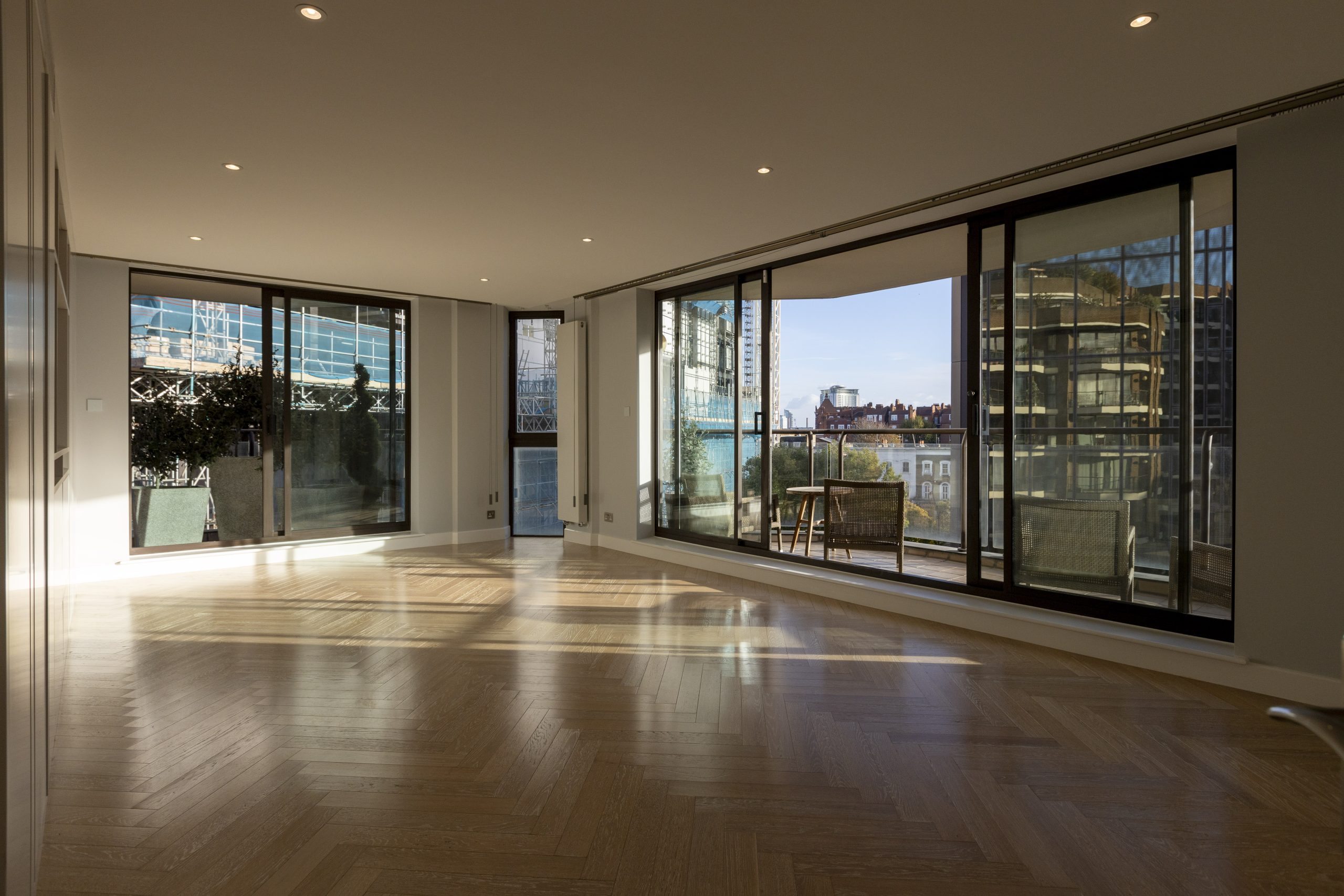
A modern residential extension with sliding glass doors opening to a tiled patio area, featuring a white and brick exterior.
Estimated Reading Time: 10 minutes

Introduction to Permitted Development for Side Extensions in London

For London homeowners looking to expand their living space, side extensions offer a practical solution to add valuable square footage without sacrificing garden space. However, navigating the regulatory landscape can be daunting, particularly understanding whether your extension falls under permitted development rights or requires formal planning permission. For a more detailed look at all extension types and their benefits for London homes, read our expert guide to maximising space with an extension.

Permitted development rights were introduced to streamline minor home improvements by removing the need for full planning applications in certain circumstances. For side extensions specifically, these rights can save homeowners significant time, money, and administrative hassle—but only when the proposed work meets all the necessary criteria.

With London’s diverse property types and the presence of numerous conservation areas, understanding the nuances of permitted development extension regulations is crucial before breaking ground. This guide will walk you through everything you need to know about permitted development rights for side extensions, helping you determine whether your project can proceed without planning permission or if you’ll need to submit a formal application.

Modern house extension with a glass door opening to a tidy backyard space, featuring wooden fencing and outdoor tiles.

Why Understanding Permitted Development Matters

Building an extension without required planning permission can result in enforcement action, potentially leading to costly demolition or retrospective applications. Conversely, unnecessarily applying for planning permission when your extension qualifies as permitted development can delay your project by months and add significant costs. Get more insights about the practical steps for planning and permissions in our project preparation guide.

What Are Side Extensions?

A side extension is a structural addition built alongside the lateral aspect of a house, typically extending along the original dwelling’s flank wall. Unlike other types of extensions, side extensions utilize the often underused space to the side of a property, making them particularly valuable in London where space comes at a premium.

Understanding the distinction between different types of extensions is important when navigating permitted development rights, as different rules apply to each—explore these and more in our full breakdown of extension types:

Extension Type Description Key Considerations
Side Extension Built alongside the house, extending from the side wall Often limited by width, proximity to boundaries, and cannot usually face highways
Rear Extension Projects out from the back of the house Generally allows greater depth than side extensions
Front Extension Projects forward from the front of the house Rarely permitted under permitted development
Wraparound Extension Combines side and rear extensions in an L-shape Typically requires planning permission

Side extensions are particularly popular in London’s suburban areas where properties often have space to one side. They provide an ideal opportunity to expand kitchens, add utility rooms, or create additional living space without encroaching on valuable garden areas.

Permitted Development Explained

Permitted development rights are a set of national guidelines that allow certain building works to be carried out without the need for a planning application. These rights are defined in the Town and Country Planning (General Permitted Development) (England) Order 2015 (as amended) and provide a framework within which homeowners can make improvements to their properties.

For side extensions, permitted development rights can represent a significant advantage, allowing homeowners to proceed with construction much more quickly than if they needed to secure planning permission. However, these rights come with specific limitations and conditions that must be strictly adhered to. If you are interested in other types of permitted development, such as loft conversions, you can find in-depth information in our dedicated article on loft extension permitted development.

Permitted Development Benefits
Faster Project Timeline
Cost Savings
Less Paperwork
No Application Fees
No Neighbor Consultations
Greater Certainty

It’s important to note that permitted development rights apply only to houses (dwellinghouses), not to flats, maisonettes, or other buildings. Additionally, these rights may be removed or restricted in certain areas through what are known as Article 4 Directions, particularly in conservation areas, national parks, Areas of Outstanding Natural Beauty, and World Heritage Sites.

In London specifically, the density of conservation areas means that many properties have restricted permitted development rights, making it essential to verify your property’s status before proceeding with any works.

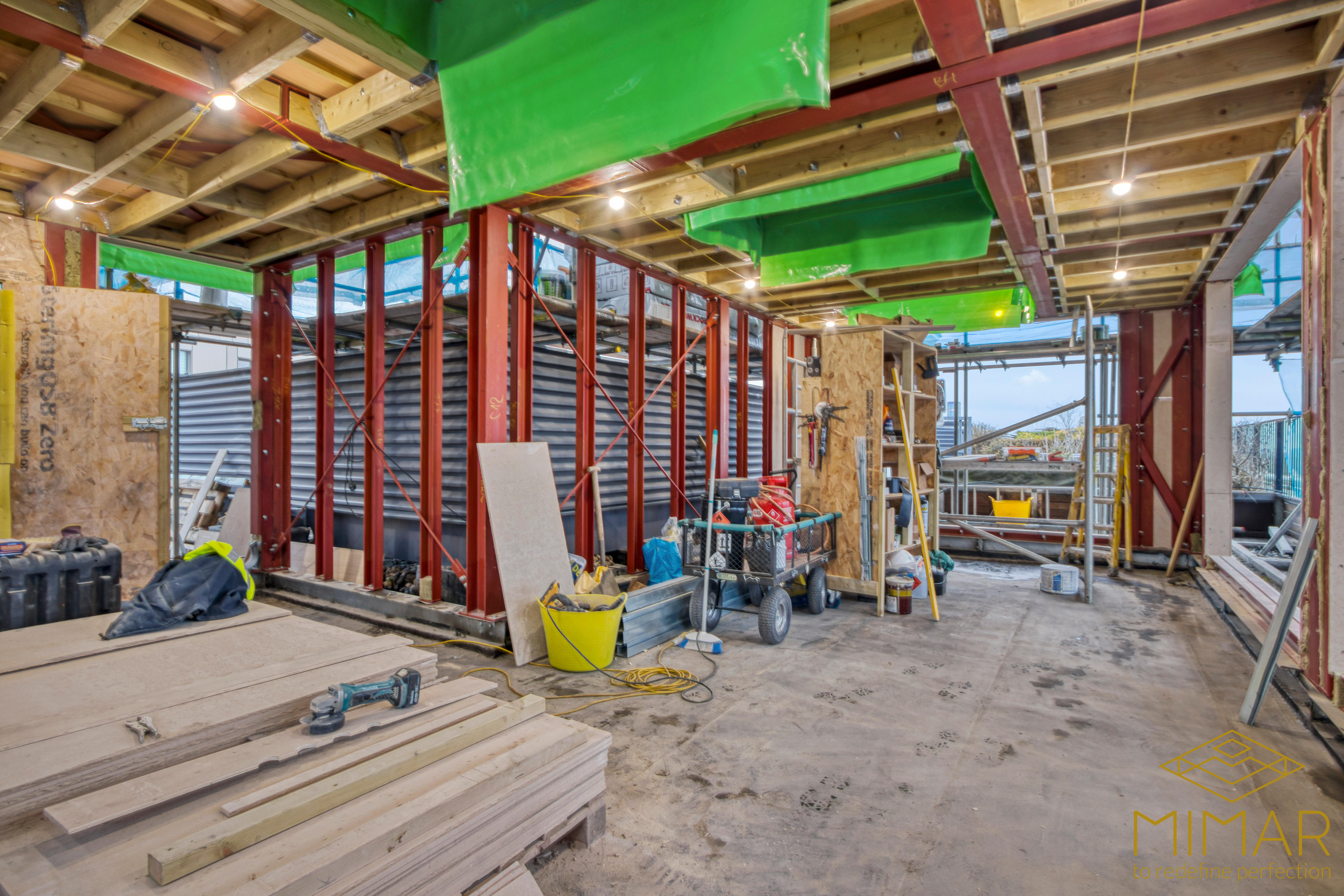
Interior view of a house extension under construction with exposed steel beams, wooden framework, and construction materials on site.

Side Extension Criteria Under Permitted Development

For a side extension to qualify as permitted development in London or elsewhere in England, it must meet all of the following criteria:

  • It must be a single-storey extension only
  • It must not face a highway (this includes roads, footpaths, and bridleways)
  • The maximum height must not exceed 4 meters
  • If within 2 meters of a boundary, the eaves height must not exceed 3 meters
  • The width must not be greater than half the width of the original house
  • The total area of all extensions (including the side extension) must not exceed 50% of the land around the original house (as it was first built or as it stood on July 1, 1948)
  • The extension must use materials similar in appearance to the existing house
  • The extension must not include verandas, balconies, raised platforms, or microwave antennas

Understanding “Original House”

The “original house” refers to the house as it was first built or as it stood on July 1, 1948 (if built before that date). Any previous extensions, even those built by former owners, count against your permitted development allowance. To better understand the step-by-step process, inspections, and documentation you’ll need before starting work, refer to our comprehensive guide on project practicalities.

Meeting all these criteria is essential for your side extension to be considered permitted development. If any single criterion is not met, you will need to apply for planning permission before proceeding with construction.

Limitations and Conditions for Side Extensions in London

When planning a side extension under permitted development in London, you need to be aware of several key limitations and special conditions that may apply to your property.

Size, Height, and Placement Restrictions

The dimensional restrictions for side extensions are particularly important:

  • Height limitation: Maximum 4 meters for single-storey extensions
  • Eaves height: Maximum 3 meters if within 2 meters of a boundary
  • Width restriction: Cannot be wider than half the width of the original house
  • Land coverage: All extensions and outbuildings combined must not cover more than 50% of the garden/curtilage (excluding the original house footprint)

These restrictions ensure that side extensions remain proportionate to the original dwelling and don’t overly impact neighboring properties or the street scene.

Special Policies for Specific Properties

In London, with its rich architectural heritage, many properties fall under special designations that affect permitted development rights:

Property Type Permitted Development Status
Listed Buildings No permitted development rights; all extensions require planning permission and likely listed building consent
Properties in Conservation Areas Permitted development rights typically restricted; side extensions often require planning permission
Properties in Article 4 Direction Areas Permitted development rights may be removed or restricted
Properties created through Prior Approval Generally do not benefit from householder permitted development rights

London has over 1,000 conservation areas, covering approximately 20% of the city, making it particularly important for London homeowners to check whether their property is affected by such designations before proceeding with any extension plans.

Additionally, some London boroughs have implemented specific Article 4 Directions that remove permitted development rights for particular types of development in certain areas. It’s always advisable to check with your local planning authority about any such restrictions that might apply to your property.

When Planning Permission is Required for Extensions

Understanding when your side extension requires planning permission is crucial to avoid potential enforcement issues. Here are the main scenarios where planning permission would be necessary:

Scenarios Where Permitted Development Rights Do Not Apply

Your side extension will require planning permission if:

  • It is more than one storey high
  • It faces a highway
  • It exceeds half the width of the original house
  • It exceeds 4 meters in height (or 3 meters at the eaves if within 2 meters of a boundary)
  • The total of all extensions would exceed 50% of the curtilage
  • Your property is a flat or maisonette (which do not have permitted development rights for extensions)
  • Your property is in a designated area where permitted development rights are restricted
  • Your property is listed
  • Your property was created through prior approval (e.g., office-to-residential conversion)
  • Your extension includes features not allowed under permitted development (like balconies or raised platforms)
  • Permitted development rights have been removed by condition on a previous planning permission or by an Article 4 Direction

Additionally, if you’re planning a wraparound extension that combines side and rear aspects, this will almost always require planning permission as it typically falls outside permitted development parameters. Learn more about tackling planning hurdles and collaborating efficiently with professionals in our architect-led renovation guide.

Assessing if “Extension Do I Need Planning Permission” Applies

To determine whether your extension requires planning permission, follow these steps:

  1. Check your property’s status (house, flat, listed, in conservation area, etc.)
  2. Measure your proposed extension against permitted development criteria
  3. Check if there are any Article 4 Directions affecting your area
  4. Review any planning conditions attached to previous permissions for your property
  5. If in doubt, contact your local planning authority or consult a planning professional

For London homeowners specifically, the complexity of local planning policies means that seeking professional advice is often the safest approach when determining whether planning permission for extensions is required.

Verifying Permitted Development Status

Before proceeding with a side extension under permitted development rights, it’s advisable to formally verify your project’s status. This provides legal certainty and protection against potential future disputes.

Official Channels and Resources

There are several ways to verify whether your proposed side extension qualifies as permitted development:

  • Planning Portal: The UK government’s official online planning resource provides guidance on permitted development rights and planning requirements
  • Local Planning Authority: Your local council’s planning department can provide advice specific to your area and property
  • Professional Advice: Consulting with a chartered town planner or architect with planning expertise can provide expert assessment of your project

In London, each borough operates its own planning department, and local interpretations of national policies can vary. It’s always worth checking with your specific London borough for any local policies that might affect your permitted development rights. To ensure a smooth start, read our article on project practicalities for tips on permissions, surveys, and working with the right builder.

Lawful Development Certificate

A Lawful Development Certificate (LDC) is the most secure way to confirm that your side extension qualifies as permitted development. While not mandatory, obtaining an LDC offers several benefits:

  • Provides legal confirmation that your extension doesn’t require planning permission
  • Protects against future enforcement action
  • Offers documentation for when you sell your property
  • Gives peace of mind before investing in construction

To apply for an LDC, you’ll need to submit an application to your local planning authority with plans and documentation demonstrating how your proposed extension complies with all permitted development criteria. While there is a fee for this application, it’s significantly less than a full planning application and provides valuable legal certainty.

London Permitted Development Extension Tip

In London’s competitive property market, having an LDC can add value when selling your home, as it provides future buyers with confidence about the legality of any extensions. This is particularly important in London’s higher-value property market.

Permitted Development vs. Planning Permission: Process Comparison

Understanding the differences between proceeding under permitted development rights versus applying for planning permission helps homeowners make informed decisions about their extension projects. For a side-by-side look at working with professionals, managing communication, and ensuring your design is realised, see our guide on effective communication between architects, clients, and builders.

Aspect Permitted Development Planning Permission
Application Process No formal application required (optional LDC application) Formal application with detailed plans and documentation
Timeframe Immediate start possible (8 weeks if applying for LDC) Typically 8-10 weeks for determination
Cost No fee (unless applying for LDC, which costs approximately £103 for householders) Application fee (approximately £206 for householder applications)
Neighbor Consultation Not required Formal consultation with neighbors and potentially wider community
Design Flexibility Must adhere strictly to permitted development criteria Potential for greater flexibility, subject to planning policy
Certainty Binary decision based on meeting criteria Subjective assessment against local policies

If Your Side Extension Doesn’t Meet Permitted Development Criteria

If your proposed side extension doesn’t qualify for permitted development, you’ll need to submit a planning application. In this case:

  1. Prepare detailed plans and elevations of your proposed extension
  2. Complete an application form through the Planning Portal
  3. Pay the application fee
  4. Submit supporting documentation (design and access statements may be required in conservation areas)
  5. Wait for the consultation period and decision (typically 8-10 weeks)

In London, planning policies can vary significantly between boroughs. Some London boroughs have specific design guides for residential extensions that you’ll need to comply with. Pre-application advice services are offered by most London boroughs and can be valuable in understanding local requirements before submitting a full application. For advice on maximizing your extension, managing expectations, and selecting the ideal architect, visit our comprehensive architecture and renovation resource.

Guidance for Homeowners Planning Side Extensions in London

Whether proceeding under permitted development rights or applying for planning permission, the following guidance will help ensure a successful side extension project:

Professional Input

While not always legally required, professional input can be invaluable:

  • Architects: Can design an extension that maximizes space while remaining compliant with regulations. Read our practical tips on working with architects for better results.
  • Planning Consultants: Provide expertise on navigating planning requirements
  • Structural Engineers: Essential for ensuring structural integrity
  • Party Wall Surveyors: Required if building on or near a boundary with neighbors

Building Regulations

Even if your side extension falls under permitted development, you’ll still need to comply with Building Regulations. These cover aspects such as:

  • Structural stability
  • Fire safety
  • Ventilation
  • Energy efficiency
  • Drainage

Building Regulations approval is separate from planning permission and permitted development considerations. You’ll need to submit a Building Regulations application to your local authority or approved inspector. To coordinate effectively with your builders and consultants, see our guide on project team communication best practices.

Other Considerations

  • Party Wall Agreements: If building on or near a boundary, you’ll likely need a Party Wall Agreement with your neighbors
  • Insurance: Notify your home insurer about the extension
  • Utilities: Check for any services (water, gas, electricity) that might run through the proposed extension area

Frequently Asked Questions

What are the exact measurements I need to follow for side extensions under permitted development?

For a side extension to qualify as permitted development, it must be single-storey, no more than 4 meters in height overall (3 meters at the eaves if within 2 meters of a boundary), and no wider than half the width of the original house. It must not be forward of the principal elevation and must not face a highway.

How close can my side extension be to the boundary of my property?

There is no minimum distance requirement between your side extension and the boundary under permitted development rights. However, if your extension is within 2 meters of the boundary, the eaves height must not exceed 3 meters. Additionally, you may need a Party Wall Agreement if building on or close to the boundary. More information about practical site issues and agreements can be found in our practical project planning article.

Can I build a two-storey side extension under permitted development?

No, two-storey side extensions always require planning permission. Permitted development rights for side extensions only apply to single-storey structures.

Do permitted development rights apply to flats or maisonettes?

No, permitted development rights for extensions only apply to houses (dwellinghouses). If you own a flat or maisonette, you will need planning permission for any extension, including side extensions.

Are there exceptions for certain properties in London?

Yes, several types of properties have restricted or no permitted development rights, including listed buildings, properties in conservation areas, and homes created through prior approval processes. Additionally, many London boroughs have Article 4 Directions in place that restrict permitted development rights in specific areas.

What happens if I build a side extension without checking if I need planning permission for extensions?

If you build an extension that requires planning permission without obtaining it, you may face enforcement action from your local planning authority. This could result in having to demolish the extension or apply for retrospective planning permission, which is not guaranteed to be approved. To avoid costly missteps and ensure you have all permissions, see our complete planning and permissions checklist.

Can I combine a side extension with a rear extension under permitted development?

While both side extensions and rear extensions can individually fall under permitted development rights, combining them into a wraparound extension typically requires planning permission. This is because the combined structure often exceeds permitted development limitations. Discover more about the challenges and best strategies for these large projects in our wrapping up on extensions guide.

Conclusion

Navigating the world of permitted development for side extensions requires careful attention to detail and a thorough understanding of the regulations. For London homeowners in particular, the complexities of local planning policies and the prevalence of conservation areas make it essential to verify your property’s status before proceeding with any works.

The key takeaways from this guide are:

  • Side extensions can often be built under permitted development rights, saving time and money
  • Strict criteria must be met, including height, width, and location requirements
  • Special considerations apply for properties in conservation areas, listed buildings, and other designated areas
  • Obtaining a Lawful Development Certificate provides legal certainty
  • Even when permitted development applies, Building Regulations approval is still required

By understanding whether your side extension qualifies as a permitted development extension or requires planning permission for extensions, you can approach your project with confidence, avoiding costly mistakes and delays. For further reading and to deepen your project knowledge, we invite you to explore our resources on London home extensions, building project essentials, choosing architects and planning well, and achieving great project communication.

Remember that while this guide provides comprehensive information, planning regulations can change, and local interpretations may vary. For absolute certainty about your specific project, consult your local planning authority or seek professional advice from a planning consultant or architect experienced in London’s planning landscape.

Loft Conversion: Transforming Your Home’s Unused Space

Modern loft extension with large sliding glass doors opening to a balcony overlooking urban construction.
Estimated Reading Time: 9 minutes

Introduction: Unlocking Your Home’s Hidden Potential

In London’s competitive property market, where space comes at a premium and moving costs continue to rise, homeowners are increasingly looking upward rather than outward to expand their living areas. Loft conversions have emerged as one of the most transformative home refurbishment projects, offering a practical solution for those seeking additional space without sacrificing their garden or relocating to a larger property.

The appeal of converting underutilized roof space into functional, beautiful living areas has grown substantially over recent years, particularly as remote working arrangements have increased the demand for dedicated home offices. Beyond just adding square footage, a thoughtfully designed loft conversion can dramatically enhance your property’s value while creating a distinctive space with character that’s often impossible to replicate in conventional rooms.

This comprehensive guide explores how loft conversions have become a cornerstone of modern home renovation, examining everything from the different conversion types to planning considerations, cost implications, and the impressive return on investment they typically deliver.

A loft bedroom with a dresser, two windows with blinds, and a white air conditioning unit mounted on the wall.

What is a Loft Conversion?

A loft conversion is a home renovation project that transforms an underutilized attic or roof space into a functional living area. Rather than allowing this valuable space to serve merely as storage for holiday decorations and forgotten belongings, a conversion reclaims and reimagines it as an integral part of your home’s living environment.

At its core, a loft conversion involves structural modifications to create adequate headroom, proper insulation, suitable access, and appropriate natural light sources. The result is a bright, welcoming space that can serve virtually any purpose—from a master bedroom suite to a home office, creative studio, or children’s playroom.

Homeowners typically consider loft conversions for several compelling reasons. First, they make efficient use of existing space without extending your property’s footprint, preserving outdoor areas while maximizing internal square footage. Second, they offer a cost-effective alternative to moving house when families grow or lifestyle needs change. Third, they represent one of the most reliable home refurbishment investments in terms of adding value to your property.

Did You Know?

The average UK loft contains approximately 30% of a home’s total volume, yet typically remains one of the most underutilized spaces. Converting this area effectively increases your usable living space without requiring additional land.

The Key Benefits of Loft Conversions

The advantages of undertaking a loft conversion extend far beyond simply gaining an extra room. Here are the primary benefits that have made this form of home renovation increasingly popular:

Maximizing Existing Space – Unlike ground-floor extensions that consume garden space, loft conversions utilize existing structural elements, making them an efficient use of your property’s footprint. This aspect is particularly valuable in London’s urban environment, where outdoor space comes at a premium. As South London Lofts notes, homeowners can gain substantial additional living area without sacrificing garden space.

Significant Property Value Enhancement – Multiple studies indicate that a well-executed loft conversion can increase a home’s market value by approximately 20%. This substantial uplift makes it one of the most financially rewarding home refurbishment projects available. According to research highlighted by Pinnacle Works, adding a bedroom and bathroom in the loft can significantly boost property appeal and value.

Energy Efficiency Improvements – Modern loft conversions incorporate high-performance insulation and energy-efficient windows, addressing what was previously often the most significant source of heat loss in many homes. These improvements can lead to noticeable reductions in energy bills while creating a more comfortable living environment year-round. For advice on how to get loft insulation for free, eligibility tips, DIY insulation and more, see our guide to loft insulation options and savings.

Exceptional Natural Light – Roof windows, such as VELUX® installations, provide abundant natural daylight that often surpasses the illumination available in ground-floor rooms. This generous lighting creates bright, uplifting spaces that can enhance wellbeing and make rooms feel more spacious.

Unique Views and Character – Loft rooms frequently offer distinctive views across neighborhoods and cityscapes that aren’t accessible from lower floors. The architectural features of roof spaces—including exposed beams, sloped ceilings, and unusual angles—also provide natural character that adds unique charm to converted areas.

Loft Conversion Benefits
Space Maximization
Property Value Growth
Energy Efficiency
Abundant Natural Light
Unique Architectural Features
Cost-Effective Expansion

Types of Loft Conversions in London

London’s diverse housing stock—from Victorian terraces to inter-war semis and contemporary townhouses—offers various opportunities for loft conversion. The most suitable approach depends on your property type, roof structure, budget, and desired outcome. Here are the main types you’ll encounter:

Dormer Loft Conversions – Perhaps the most common type in London, dormer conversions extend the existing roof slope with a flat-roofed, box-like structure that creates additional floor space and headroom. They’re particularly effective for properties with pitched roofs where standing height is otherwise limited. Dormers provide vertical walls and horizontal ceilings, making furniture placement straightforward and maximizing usable floor area. As The Attic Guys highlight, dormers offer versatility across many property types. For those with limited roof space or small lofts, we recommend exploring creative ideas and expert tips on small loft conversions to maximise every inch of your home.

Mansard Loft Conversions – Popular in London’s urban areas, particularly in conservation areas, mansard conversions involve altering the roof structure to create a nearly vertical rear wall (typically at 72 degrees) with a flat roof on top. Named after the 17th-century French architect François Mansard, these conversions maximize internal volume and are often used where significant additional space is required. They tend to be more costly but offer substantial space gains.

Hip-to-Gable Loft Conversions – Ideal for semi-detached or end-of-terrace homes with a sloping roof (hipped roof) at the side, this conversion extends the hip by building up the end wall (gable) to create more internal volume. Sometimes paired with a rear dormer for maximum space, hip-to-gable conversions are particularly effective for properties where roof height might otherwise be limiting.

Velux or Rooflight Conversions – The least structurally invasive option, Velux conversions (named after the popular roof window manufacturer) involve installing windows that follow the existing roof slope without altering the external roof structure. This approach works best where the existing loft has adequate headroom and is ideal for properties in conservation areas where external alterations might be restricted. They’re typically the most cost-effective conversion type and can be completed with minimal disruption.

Conversion Type Best Suited For Relative Cost
Velux/Rooflight Properties with adequate existing headroom £
Dormer Most property types needing additional headroom ££
Hip-to-Gable End-of-terrace and semi-detached houses £££
Mansard Properties requiring maximum space increase ££££

A modern loft conversion with a glass sliding door opening to a balcony, featuring wooden chairs and a table, overlooking urban buildings.

How Loft Conversions Compare to Other Renovation Options

When considering how to expand your living space, it’s valuable to compare loft conversions with other common home renovation approaches:

Loft Conversion vs. Ground-Floor Extension – While both add living space, loft conversions preserve garden areas and often require less complex planning permission. Ground-floor extensions typically consume outdoor space but can provide direct garden access, which loft spaces cannot. According to Horts Property Consultants, loft conversions often offer better value per square meter because they utilize existing structural elements.

Loft Conversion vs. Basement Conversion – Basement conversions can offer substantial additional space but typically cost significantly more than loft conversions due to the extensive excavation and structural work required. Loft conversions also benefit from natural light advantages that basement spaces struggle to achieve. If you’re curious about the basement option, see our in-depth guide to essential elements of basement construction and explore the benefits of adding a basement apartment for extra income and value.

Loft Conversion vs. Moving House – With London’s property market commanding premium prices and substantial moving costs (including stamp duty, legal fees, and removal expenses), converting your loft often represents a more economical solution than relocating to a larger property. It also avoids the disruption of changing neighborhoods, schools, and commuting patterns.

In terms of timeline and disruption, loft conversions typically complete in 4-8 weeks for basic projects, with more complex conversions taking 8-12 weeks. This compares favorably with ground-floor extensions, which often require 3-6 months, and basement conversions, which can extend beyond 6 months. Additionally, since most loft construction occurs above the existing living space, day-to-day home life is generally less disrupted compared to ground-floor projects.

Enhancing Property Value Through Loft Conversion

Loft conversions represent one of the most reliable ways to increase your property’s market value through home refurbishment. Research consistently shows that a well-executed loft conversion can add approximately 20% to a home’s value—a figure that can be even higher in London’s premium postcodes.

The value enhancement stems from several factors. First, the additional usable square footage immediately increases the property’s practical living space. Second, the potential to add an extra bedroom—particularly if it includes an ensuite bathroom—can elevate a property into a higher market category (for example, transforming a two-bedroom house into a three-bedroom home significantly broadens its appeal). Third, modern loft conversions typically incorporate energy-efficient features that improve the property’s overall performance.

According to property experts, master bedroom suites with ensuite facilities tend to yield the highest return on investment, followed by home offices—a use that has gained significant value following the rise in remote working arrangements. The investment longevity is also noteworthy; unlike some home renovation trends that may date quickly, well-designed additional space maintains its appeal over time.

Value Optimization Tip

For maximum property value enhancement, design your loft conversion to include an ensuite bathroom and built-in storage. These features maximize functionality while addressing key buyer priorities in London’s property market.

Essential Considerations Before Starting Your Project

Before embarking on a loft conversion project, several critical factors require careful assessment:

Structural Suitability – Not all lofts are suitable for conversion. Key considerations include:

  • Head height: Ideally, you need at least 2.2m from floor to ceiling at the highest point. Properties with less may require more extensive structural work.
  • Roof structure: Older properties with traditional frame structures (rafters and ceiling joists) are often easier to convert than those with modern factory-made trusses, which may require more substantial structural alterations.
  • Available floor space: The minimum viable area is typically around 5.5m × 7.5m to create a worthwhile space.

Planning Permissions and Regulations – In London, many loft conversions fall under ‘Permitted Development Rights,’ meaning they don’t require planning permission provided they meet specific criteria (including volume limitations and restrictions on altering the front roofline). However, if your property is in a conservation area, is listed, or your plans exceed permitted development limits, you’ll need formal planning approval. For a detailed breakdown, visit our complete guide to loft extension permitted development in London.

Regardless of planning requirements, all loft conversions must comply with Building Regulations covering aspects such as:

  • Structural stability
  • Fire safety (including escape routes)
  • Staircase specifications
  • Energy efficiency standards
  • Sound insulation

Party Wall Agreements – If you share walls with neighbors (in terraced or semi-detached properties), you’ll likely need a Party Wall Agreement before work begins. This legal document protects both parties during construction work affecting shared structures.

Budget Planning – Costs vary significantly based on conversion type, size, and specification level. In London, typical ranges per conversion type are:

  • Velux/Rooflight: £15,000 – £35,000
  • Dormer: £30,000 – £60,000
  • Hip-to-Gable: £35,000 – £65,000
  • Mansard: £45,000 – £75,000+

Beyond construction costs, remember to budget for professional fees (architect, structural engineer, party wall surveyor), planning and building regulation fees, and contingency funds (typically 10-15% of the project cost). To help stay on track, read about essential practicalities, planning and permissions for your project.

As property experts advise, understanding these preliminary considerations is essential for a successful loft conversion project.

The Loft Conversion Journey: Key Stages

A typical loft conversion project in London progresses through several defined stages:

1. Initial Assessment and Design (2-4 weeks)

  • Professional loft assessment to confirm suitability
  • Appointment of an architect or specialist loft conversion company
  • Detailed measurements and structural survey
  • Development of design concepts and plans
  • Refinement of specifications and finishes

2. Planning and Approvals (4-8 weeks)

  • Submission of planning application (if required)
  • Building Regulations application
  • Party Wall notices to neighbors (if applicable)
  • Obtaining necessary approvals before construction begins

3. Construction Phase (4-12 weeks, depending on complexity)

  • Scaffolding erection and roof protection
  • Structural modifications to create appropriate headroom
  • Installation of floor joists and structural supports
  • Roof alterations (dormer construction, window installation)
  • First-fix electrical and plumbing work
  • Insulation installation and energy efficiency measures
  • Plastering and internal finishing
  • Staircase installation
  • Second-fix electrical, plumbing, and carpentry
  • Decoration and final finishes

4. Completion and Sign-Off (1-2 weeks)

  • Snagging and final adjustments
  • Building Control inspection and certification
  • Final cleaning and preparation for use
  • Handover of warranties and certificates

Experienced loft conversion specialists in London typically manage this entire process, coordinating the various trades and ensuring compliance with all regulations. The most successful projects maintain open communication between homeowners and contractors throughout, with regular progress updates and site meetings to address any questions or concerns as they arise. To make the most of your project, consider working with architects for your renovation for expert guidance, design maximisation and smooth planning approvals.

Creative Ideas for Your New Loft Space

Once converted, your loft can serve virtually any purpose. Here are some popular and creative uses that align with contemporary London lifestyles:

Master Bedroom Suite – Perhaps the most common and value-enhancing use, a master bedroom with ensuite bathroom creates a private retreat away from the busier areas of the home. The unique architecture of loft spaces, with sloping ceilings and potential for dramatic roof windows, can create particularly characterful sleeping areas.

Home Office or Studio – With remote working now established as a permanent arrangement for many Londoners, dedicated home office space has become essential rather than optional. Loft conversions offer the perfect solution—physically separate from main living areas, reducing household distractions while providing a clearly defined work environment. The natural light available through roof windows is also ideal for creative professionals working from home.

Multi-Functional Space – Given London’s space constraints, many homeowners opt for flexible loft conversions that can adapt to changing needs. Examples include guest bedrooms that double as home offices, or media rooms that can transform into occasional sleeping areas.

Children’s Domain – Lofts make excellent playrooms, teenage dens, or study areas for growing families. The physical separation from main living areas allows for noisier activities without disrupting the entire household, while the distinctive architecture often appeals particularly to children and teenagers looking for their own space.

Wellness and Leisure – From home gyms to meditation spaces or yoga studios, lofts provide ideal environments for wellness activities. The elevated position, natural light, and separation from household traffic create perfect conditions for focused exercise or relaxation.

When planning your loft’s purpose, consider both immediate needs and longer-term flexibility. Creating a space that can adapt as family circumstances change maximizes the conversion’s practical value and longevity. For inspiration tailored to compact spaces and bungalows, visit our creative ideas for small loft conversions.

Navigating Common Challenges and Misconceptions

While loft conversions offer tremendous benefits, being aware of potential challenges helps ensure realistic expectations:

Misconception: All lofts are suitable for conversion – In reality, factors such as inadequate head height, problematic roof structures, or limited floor area can make some lofts impractical or uneconomical to convert. As conversion specialists note, a professional assessment is essential before committing to a project.

Challenge: Staircase placement – Finding the optimal location for the new staircase often proves one of the most complex aspects of loft conversion design. The stairs need to meet Building Regulations (particularly regarding head height and tread dimensions) while minimizing the impact on existing rooms below. Creative solutions, such as space-saving spiral staircases or alternating tread designs, may be necessary for challenging layouts.

Misconception: Loft conversions always avoid planning permission – While many conversions fall under permitted development rights, this isn’t universal. Properties in conservation areas, listed buildings, or homes that have already been extended may require formal planning permission. Additionally, certain conversion types (particularly mansard conversions) almost always require planning approval. Get more details on permitted development requirements and allowances in our London loft extension permitted development guide.

Challenge: Managing project costs – Without careful planning, loft conversion budgets can escalate. Common factors that drive up costs include discovering structural issues once work begins, changing specifications mid-project, or encountering complications with services (plumbing, electrics, heating). Working with experienced professionals and maintaining a realistic contingency fund (15-20% of the project budget) helps mitigate these risks. For tips on permissions, site surveys, builder selection, insurance and more, read our practical guide to putting your project together.

Misconception: DIY loft conversions are straightforward – The structural complexity, regulatory requirements, and safety considerations make loft conversions poorly suited to DIY approaches unless you have significant construction experience. Most aspects require professional contractors to ensure structural integrity and compliance with Building Regulations.

Conclusion: Elevating Your Home Through Loft Conversion

A well-executed loft conversion represents one of the most transformative home refurbishment projects available to London homeowners. By reclaiming underutilized roof space and converting it into beautiful, functional living areas, you can enhance both your daily living experience and your property’s long-term value.

The unique combination of benefits—space maximization without sacrificing gardens, significant value enhancement, energy efficiency improvements, and the creation of characterful rooms with abundant natural light—explains why loft conversions have become such a popular choice for home renovation across London’s diverse housing stock.

While the process requires careful planning, professional expertise, and realistic budgeting, the rewards are substantial. Whether creating a peaceful master suite, establishing the perfect home working environment, or simply adding valuable space for a growing family, a thoughtfully designed loft conversion can revolutionize how you experience your home.

For those considering this transformative project, beginning with a professional assessment of your property’s suitability is the essential first step toward unlocking your home’s hidden potential and elevating both its functionality and market appeal through strategic home renovation. For a truly seamless experience and to maximise results, see our advice on working with architects for home refurbishments.

The Art of Bespoke Carpentry in London

Close-up of a wooden panel showing detailed wood grain and texture.
Estimated Reading Time: 9 minutes

Introduction: The Art of Bespoke Carpentry in London

In the diverse architectural landscape of London, where Georgian townhouses stand alongside Victorian terraces and contemporary apartments, bespoke carpentry has emerged as an essential craft for homeowners and businesses seeking personalized wooden elements that perfectly complement their spaces. Bespoke carpentry in London refers to the design and creation of custom-made woodwork solutions—from fitted wardrobes and kitchen cabinets to unique storage systems and statement furniture—crafted specifically to a client’s requirements, tastes, and spatial constraints.

The growing popularity of bespoke joinery London services stems from the city’s unique architectural diversity and the increasing value placed on personalization, space optimization, and enduring quality. In a metropolis where space comes at a premium and character is cherished, having carpentry work tailored to exact specifications has become not just a luxury but a practical necessity for many.

London’s rich design heritage combined with its forward-thinking approach to interiors has created the perfect environment for bespoke carpentry to flourish. Unlike mass-produced alternatives, bespoke carpentry offers a level of craftsmanship, attention to detail, and customization that resonates with discerning Londoners who understand that well-crafted wooden elements can transform a living or working space. For those interested in ensuring their interiors are not only bespoke but also truly reflect their personality and lifestyle, bespoke interior design in London can offer inspiration and practical guidance on integrating custom-made furniture and luxury finishes.

This comprehensive guide explores the world of bespoke carpentry and joinery in London—what it entails, why it’s worth considering, and how it can elevate your property to new heights of functionality, beauty, and value.

This image shows a bedroom featuring a custom-built wardrobe with double doors and a bedside lamp on a table.

Benefits of Choosing Bespoke Carpentry in London

When considering woodwork for your London property, the choice between off-the-shelf solutions and bespoke carpentry presents a significant decision. The advantages of choosing customized carpentry for London properties extend far beyond mere aesthetics, offering practical and financial benefits that make it a worthwhile investment.

Tailored Design for London’s Unique Spaces

London properties are known for their architectural quirks—awkward corners, unusual layouts, period features, and varying ceiling heights. Bespoke carpentry excels in these environments by providing made-to-measure solutions that perfectly fit these unique spaces. Rather than compromising with standard sizes that waste space or fail to integrate properly, custom designs ensure every millimeter is utilized effectively.

For homes with period features like ornate cornices, sloping ceilings, or chimney breasts, bespoke carpentry can be designed to complement rather than compete with these elements, preserving the character of the property while adding functionality.

Maximizing Space Efficiency in Compact London Living

With London’s notoriously high property prices, making the most of available space is paramount. Bespoke carpentry and joinery london specialists excel at space optimization through:

  • Floor-to-ceiling storage that maximizes vertical space
  • Under-stairs solutions that transform previously unused areas
  • Multipurpose furniture that adapts to different needs
  • Custom built-ins that utilize awkward corners and alcoves

These custom solutions can effectively increase the usable space within a property, making smaller London homes feel more spacious and functional—an essential consideration as you plan for the practicalities of putting your project together, including ensuring all permissions and logistics are in place before work begins.

Enhanced Property Value

Investment in high-quality bespoke carpentry and joinery can significantly increase a property’s market value. In London’s competitive real estate market, homes with bespoke joinery and carpentry solutions can command up to 12% higher resale values, according to industry reports. Buyers are increasingly willing to pay a premium for properties with well-executed, custom-built elements that offer both aesthetic appeal and practical functionality. If your focus is on maximizing value and sophisticated finishes, expert interior design services may further elevate your property’s appeal.

Superior Durability and Longevity

Bespoke carpentry typically utilizes higher-grade materials and superior construction methods compared to mass-produced alternatives. This quality difference translates to significantly longer-lasting pieces that can withstand daily use and maintain their appearance for decades.

As Adam Hope Carpentry notes, properly crafted bespoke furniture often becomes a family heirloom rather than a disposable item, offering better value over time despite the higher initial investment. When making environmentally responsible choices, you might also consider approaches from eco-friendly refurbishments for sustainable living in London, such as using sustainable materials in your bespoke projects.

Expert Insight

While mass-produced furniture typically lasts 7-15 years, well-crafted bespoke carpentry can last generations with proper care. This longevity makes it not only an aesthetic choice but also an environmentally responsible one, reducing the need for replacement and the associated waste.

Personal Satisfaction and Exclusivity

Perhaps the most intangible yet meaningful benefit of bespoke carpentry is the personal satisfaction derived from living or working in a space that perfectly reflects individual taste, requirements, and lifestyle. In a city as diverse and creative as London, having unique, luxury finishes that stand apart from standardized options allows for genuine self-expression through your living environment. Exploring bespoke interior design concepts might further inspire your journey to create exclusive and meaningful living spaces.

Range of Bespoke Carpentry Services in London

London’s bespoke carpentry scene offers an extensive range of services to meet virtually any requirement for custom woodwork. Understanding the breadth of available options helps homeowners and businesses envision the possibilities for their own spaces.

Fitted Storage Solutions

One of the most popular bespoke carpentry services in London focuses on maximizing storage through custom-built solutions:

  • Fitted wardrobes: Custom-designed to the exact dimensions of your space, with personalized internal configurations including hanging space, shelving, drawer units, and specialized storage for accessories.
  • Alcove units and bookcases: Perfect for London’s period properties with chimney breasts and recessed areas, these made-to-measure pieces transform awkward spaces into functional storage.
  • Under-stairs storage: Converting this often-wasted space into pull-out drawers, cupboards, or even compact workstations.

These storage solutions differ significantly from standard options by providing a perfect fit to the room’s dimensions, with no wasted space and a seamless integration with the property’s existing features.

The image showcases a living area with a custom wooden accent wall featuring built-in lighting and photo frames, beside a staircase with modern railing.

Bespoke Furniture

London carpenters create custom furniture pieces tailored to specific requirements:

  • Media units designed to house specific equipment and technology
  • Dining tables and chairs crafted to fit unusual dining spaces
  • Desks and home office solutions that maximize productivity in compact areas
  • Bespoke beds with integrated storage or specific design features

If you are particularly interested in how handcrafted pieces such as kitchens combine bespoke fit with character and practicality, you will find valuable insights in The Art of Creating Handmade Kitchens, which explores the benefits and value of bespoke kitchens in London homes.

Architectural Features and Decorative Elements

Beyond functional pieces, bespoke carpentry in London extends to architectural and decorative elements that enhance a property’s character:

  • Custom paneling and wainscoting
  • Bespoke staircases and balustrades
  • Decorative cornices and moldings
  • Feature walls and room dividers
  • Radiator covers that blend seamlessly with interior design schemes

According to Building Vision London, these architectural elements can transform ordinary spaces into distinctive environments that reflect both personal style and the property’s architectural heritage. To achieve successful transformation, clear communication between designer, client, and builder is key—discover more about these processes in ensuring architect–client–builder communication for your project.

Commercial Bespoke Carpentry

London businesses also benefit from bespoke carpentry services tailored to commercial needs:

  • Retail display units and shop fittings
  • Restaurant and bar furnishings
  • Office furniture and storage systems
  • Reception desks and waiting area installations

These commercial applications often require specialized knowledge of durability requirements, public safety standards, and brand aesthetics—areas where experienced bespoke carpenters excel. If you wish to understand how innovative building approaches and the adoption of new materials can further elevate your commercial project, read about imagination and innovation in building bigger and better.

Bespoke Carpentry Services
Fitted Wardrobes
Alcove Units
Kitchen Cabinetry
Home Office Solutions
Architectural Features
Media Units
Custom Furniture
Storage Solutions

Understanding Bespoke Joinery London

While bespoke carpentry and joinery are often mentioned together and share many similarities, understanding the distinction between them helps clients appreciate the full spectrum of custom woodwork available in London.

Bespoke joinery in London focuses on more intricate woodwork, often involving complex joints and detailed craftsmanship. Joinery traditionally refers to the art of joining pieces of wood to create more elaborate structures without using nails, screws, or other metal fasteners—relying instead on precision-cut joints that interlock.

The Role of Skilled Joiners

Skilled joiners specialize in creating:

  • Custom doors and windows with traditional joinery techniques
  • Bespoke staircases with complex structural requirements
  • Detailed architectural features like paneling and trim
  • Furniture requiring intricate joints (dovetail, mortise and tenon, etc.)

As Tucker Joinery explains, the precision and expertise required for high-quality joinery work demands specialized training and experience, particularly when working with period properties or creating heritage-style features.

Complementary Crafts

In modern London practice, the lines between bespoke joinery and carpentry often blur, with many professionals skilled in both areas. The two crafts frequently complement each other on projects, with joiners creating detailed components that carpenters then incorporate into larger installations. Coordinating these disciplines effectively and communicating progress can be achieved by following tips from effective architect-client-builder communication strategies.

For clients seeking comprehensive woodwork solutions, this integration of skills ensures that everything from detailed decorative elements to larger structural components receives the appropriate level of craftsmanship.

Distinctions Between Carpentry and Joinery

Understanding the differences between various types of woodwork helps clients choose the right service for their specific needs. The following table clarifies the distinctions between bespoke carpentry, bespoke joinery, and general joinery in the London market:

Feature Bespoke Carpentry Bespoke Joinery General Joinery
Typical Projects Fitted furniture, storage solutions, interior features Windows, doors, staircases, architectural details Standard windows, doors, frames with limited customization
Level of Customization High – tailored to space and client requirements Very high – includes detailed specifications and unique designs Limited to standard sizes and designs with minor adjustments
Craftsmanship Complexity Skilled construction and fitting Highly skilled, detailed joint work and fine finishing Skilled but often using standardized techniques
Integration with Property Designed to work with existing space Often integrates with structural and architectural elements Typically standalone items fitted to existing openings
Price Point in London Premium High premium Standard to moderate premium

In London’s high-end residential and commercial markets, projects often involve both bespoke carpentry and joinery london specialists working in tandem to deliver comprehensive wood solutions that combine functionality, aesthetics, and architectural integration. Before launching a significant construction or joinery project, remember the importance of planning, permissions, and site surveys, as these are essential for smooth project execution.

Materials, Craftsmanship and Design Options

The quality of materials and craftsmanship fundamentally distinguishes bespoke carpentry and joinery from mass-produced alternatives. In London’s premium market, clients have access to an extensive range of options that influence both the appearance and longevity of the final product.

Premium Wood Options

London’s bespoke carpentry and joinery workshops typically offer an extensive selection of woods:

  • Hardwoods: Oak, walnut, maple, cherry, and ash remain perennially popular choices for their durability and distinctive grain patterns. European oak is particularly favored for its stability and timeless appeal.
  • Exotic woods: For distinctive projects, woods like zebrano, wenge, or figured maple provide striking visual impact.
  • Sustainable options: Responsibly sourced timber with FSC or PEFC certification has become increasingly important to environmentally conscious London clients. For more tips on living sustainably during refurbishments, check out our eco-friendly guide to sustainable living in London.
  • Engineered woods: For certain applications, high-quality plywood, MDF, or HDF cores with premium veneers offer stability and cost-effectiveness without compromising appearance.

Craftsmanship Details

The level of craftsmanship in bespoke work encompasses several key elements:

  • Joinery techniques: Traditional methods like dovetail joints for drawers, mortise and tenon joints for frames, and finger joints for boxes ensure structural integrity and visual refinement.
  • Hand-finishing: Skilled hand-sanding and multiple layers of protective finishes create depth and character impossible to achieve with mass production.
  • Hardware integration: From concealed hinges and soft-close mechanisms to traditional brass fixtures, hardware is selected to complement both function and aesthetic.

Finish Options

London clients can choose from a wide range of finishing approaches:

  • Natural oil finishes that enhance the wood’s natural beauty and can be easily maintained
  • Hand-painted finishes in any color, often using specialist paint brands like Farrow & Ball or Little Greene
  • Stained finishes that alter the wood’s color while preserving grain visibility
  • Lacquered finishes for maximum durability and distinctive appearances, from matte to high gloss
  • Distressed or aged finishes for period-appropriate character

These options allow for perfect coordination with existing interiors or the creation of striking contrasts, depending on the client’s vision. To ensure that choice of finish and material matches your home’s interior concept, bespoke interior design services can provide tailored recommendations.

Design Consideration

When selecting materials and finishes, consider not just current design preferences but the long-term flexibility of the piece. Neutral woods like oak or walnut tend to adapt well to changing décor schemes, while highly specific finishes might limit future adaptability.

Key Considerations When Selecting a Provider

With numerous bespoke carpentry and joinery providers across London, selecting the right specialist for your project requires careful consideration of several factors.

Quality Credentials and Experience

Verify the quality of materials and construction through:

  • Portfolio review: Examine past projects similar to your requirements
  • Workshop visits: When possible, visit the workshop to observe craftsmanship firsthand
  • Material sourcing policies: Inquire about timber quality, sustainability, and material grades
  • Specialist expertise: Some workshops excel in particular styles (contemporary, period, etc.) or specific types of projects

Kent Carpenters suggests requesting detailed information about construction methods and materials as a way to assess quality commitment. Before you engage a provider, it’s wise to consult practical guides about permissions, quotations, and checking certifications.

Reputation and Reviews

In London’s competitive market, reputation is a valuable indicator:

  • Client testimonials specific to London projects
  • Independent reviews on trusted platforms
  • Industry recognition or awards
  • Longevity in the London market (established businesses tend to have proven track records)

Process Transparency

A transparent process indicates professionalism and reduces the risk of miscommunication:

  • Detailed initial consultations to understand requirements
  • Clear design development process with client approval stages
  • Comprehensive quotations breaking down costs
  • Realistic timelines with milestone commitments
  • Regular communication throughout the project

As Building Vision London notes, transparent communication from the outset helps establish realistic expectations and prevents disappointment. For more on staying in sync with your team, see the advice on effective communication between architect, client, and builder.

Aftercare and Guarantees

Quality providers stand behind their work with:

  • Written guarantees for workmanship and materials
  • Aftercare services for maintenance or adjustments
  • Clear policies for addressing any issues that might arise

Tucker Joinery emphasizes that aftercare is a critical component of the service relationship and should be established before project commencement.

London leads the way in innovative approaches to bespoke carpentry and joinery, with several distinct trends emerging in recent years.

Multifunctional and Space-Saving Solutions

With London’s space constraints, multifunctional furniture has become increasingly popular:

  • Home office solutions that can be concealed when not in use
  • Guest beds integrated into living area furniture
  • Dining areas that transform into workspaces
  • Sliding or folding elements that allow spaces to be reconfigured

Industry data suggests that approximately 70% of bespoke carpentry commissions in London now include some form of built-in storage, reflecting the premium placed on space efficiency. If you are curious about how bespoke woodwork is shaped by interior trends—such as multifunctional spaces, smart home integration, and sustainable materials—delve into current bespoke interior design trends in London.

Integrated Technology

Modern bespoke joinery increasingly incorporates technology:

  • Integrated charging stations and cable management
  • Hidden audiovisual equipment
  • Smart lighting within cabinetry
  • Motorized elements for easier access or space transformation

Sustainable and Biophilic Design

Environmental consciousness has significantly influenced London’s bespoke woodwork scene:

  • Increased use of sustainably sourced timber with verified provenance
  • Natural, low-VOC finishes that minimize environmental impact
  • Designs that incorporate living elements or connect to nature
  • Upcycling or incorporating reclaimed timber into new pieces

Trade Flooring UK reports that eco-conscious materials and approaches have seen a 40% increase in demand over the past three years in London’s bespoke joinery market. To implement these trends into your own renovation, review the principles from our guide to eco-friendly refurbishments and sustainable living.

Blending Traditional and Contemporary

London’s architectural diversity has inspired crossover styles:

  • Contemporary interpretations of traditional joinery details
  • Modern materials combined with traditional craftsmanship
  • Clean, minimal designs that respect period contexts
  • Statement pieces that provide contrast within traditional settings

These hybrid approaches allow London homeowners to honor architectural heritage while creating spaces that meet contemporary lifestyle needs. Staying ahead of design innovation requires continuous learning—something emphasized in embracing imagination and innovation in building and construction.

The Value of Bespoke Carpentry and Joinery

Beyond the immediate aesthetic and functional benefits, bespoke carpentry and joinery in London offer substantial long-term value that merits consideration.

Investment Perspective

From a financial standpoint, quality bespoke woodwork represents an investment in the property:

  • Enhanced resale potential, with estate agents often highlighting bespoke elements in property marketing
  • Longevity that eliminates the need for frequent replacement
  • Adaptability to changing needs, often requiring only minor modifications rather than complete replacement

While the initial outlay exceeds off-the-shelf alternatives, the per-year cost over the lifetime of the installation often proves more economical, particularly in London’s premium property market. To maximize return on bespoke elements, working closely with experts in bespoke luxury interior design can contribute to enhanced marketing and future appeal.

Personal Value

The less tangible but equally important personal benefits include:

  • Daily satisfaction from surroundings that precisely meet your needs
  • Reduced frustration from poorly fitted or inadequate storage
  • Pride in unique, high-quality elements that reflect personal taste
  • Connection to traditional craftsmanship in an increasingly mass-produced world

Adam Hope Carpentry observes that clients consistently report higher satisfaction with bespoke solutions compared to standard alternatives, even years after installation. The kitchen is often the heart of bespoke value—discover the art and advantage of handmade kitchens in London if you are considering a kitchen project.

Conclusion: Transforming London Spaces

The art of bespoke carpentry and joinery continues to thrive in London, offering unmatched quality, customization, and character to homes and businesses across the capital. From maximizing space in compact city apartments to restoring period features in historic properties, skilled craftspeople create wooden elements that perfectly balance form and function.

Whether you’re considering built-in storage to optimize a challenging space, statement furniture that expresses your personal style, or architectural features that enhance your property’s character, bespoke joinery london specialists provide solutions tailored to your exact requirements—avoiding the compromises inevitable with off-the-shelf alternatives. Achieving a successful outcome requires not only detailed craftsmanship, but also careful project planning and clear communication between all stakeholders—learn how to achieve that in ensuring architect–client–builder communication works.

The investment in bespoke carpentry delivers long-term value through durability, space efficiency, and enhanced property appeal. As London’s property market continues to place a premium on quality and character, well-executed bespoke elements increasingly represent not just a lifestyle choice but a sound financial decision. If you wish to expand your renovation with sustainable choices for energy, insulation, and materials, don’t miss Mimar’s guide to sustainable living in London.

For those embarking on renovation or improvement projects in London, exploring the possibilities of bespoke carpentry opens doors to transformative solutions that honor both the property’s character and the owner’s vision—creating spaces that are not just functional but truly exceptional. For a comprehensive take on project management, permissions, and builder/team selection from start to finish, see Practicalities: Putting the Pieces of Your Project Together. And to ensure your project incorporates the latest industry approaches and inspires your construction team, be sure to review innovation and imagination in building bigger and better.

Understanding Bathtub Renovation Costs: What to Expect

A modern bathroom featuring a marble-tiled shower and bathtub area with glass enclosure, adjacent to a bright bedroom with elegant molding and large windows.
Estimated Reading Time: 9 minutes

Introduction: Planning Your Bathtub Renovation

Planning a bathroom update but concerned about costs? Understanding your bathtub renovation cost before diving into the project is essential for proper budgeting and avoiding financial surprises. Whether you’re looking to replace an outdated tub, upgrade to a luxury model, or simply refresh your existing bath, knowing what to expect financially helps ensure your project stays on track.

Bathtub renovations represent a significant portion of any bathroom remodel cost, yet many homeowners underestimate both the expense and complexity involved. With bathroom renovation costs in London and across the UK continuing to rise in 2025, informed planning is more crucial than ever.

This comprehensive guide will walk you through everything you need to know about bathtub renovation costs, from basic replacements to high-end transformations, helping you create a realistic budget for your project. For those working with compact layouts, these small bathroom remodeling tips and creative design ideas are essential to maximizing space and style in London homes.

A renovated bathroom featuring a white bathtub, green and white tiles, a wall-mounted shower, a mirrored vanity, and a modern sink with stylish fixtures.

What Is a Bathtub Renovation?

Before diving into costs, it’s important to understand exactly what constitutes a bathtub renovation and how it differs from a complete bathroom remodel or restroom remodeling project.

A bathtub renovation specifically focuses on updating or replacing the bathtub itself and may include:

  • Removing and replacing an old or damaged bathtub
  • Refinishing, resurfacing, or reglazing an existing tub
  • Upgrading fixtures and fittings directly connected to the bath (taps, waste, overflow)
  • Addressing surrounding tilework or panels directly associated with the bathtub

This is distinct from a complete bathroom renovation, which typically encompasses the entire space, including toilet, sink, shower, lighting, flooring, and potentially structural changes. As bathroom design experts note, understanding this distinction helps set appropriate cost expectations from the outset.

While a bathtub renovation is more focused in scope than a full bathroom remodel, it still represents a significant investment and can substantially impact both the functionality and aesthetics of your bathroom space. A tailored approach, such as bespoke interior design, can further elevate the end result and provide a unique, luxurious finish.

Key Factors That Influence Bathtub Renovation Costs in London

Several critical factors affect the overall bath remodel cost. Understanding these elements helps explain the wide price variations you might encounter when requesting quotes from London contractors.

Bathtub Renovation Cost Factors
Type of Bathtub
Labour Costs
Materials & Fixtures
Project Complexity
Location
Disposal Requirements

Type of Bathtub

The type of bathtub you choose significantly impacts your overall bathroom renovation cost. According to Home Building UK, material choices range dramatically in price:

  • Standard acrylic or steel baths: £200-£500
  • Mid-range composite materials: £500-£1,200
  • Premium options (cast iron, stone resin): £1,000-£3,000+
  • Luxury freestanding or designer models: £1,500-£5,000+

Heavier materials like cast iron or stone may require additional floor reinforcement, further increasing costs.

Labour Costs

Labour represents a substantial portion of any bathroom remodel cost, particularly in London where rates typically exceed the national average. Professional bathroom fitters in London generally charge between £200-£300 per day, compared to £180-£250 in other regions of the UK. A standard bathtub installation typically requires 1-2 days of work, but this can extend to 3-4 days if complicated plumbing changes or structural work is needed. For the smoothest process, effective communication between client, builder, and architect throughout the project can help keep labour and timelines in check.

Materials and Fixtures

Beyond the bathtub itself, associated fixtures significantly influence your bathroom renovation cost:

  • Bath taps and mixers: £50-£500+
  • Waste and overflow systems: £20-£100
  • Bath panels (if required): £50-£300
  • Sealants and finishing materials: £30-£100

Project Complexity

The complexity of your bathtub renovation directly impacts both labour hours and material requirements. Industry research shows that costs increase substantially when:

  • Relocating the bathtub requires new plumbing routes
  • Converting from a standard bath to a freestanding model
  • Adding special features like whirlpool jets or chromotherapy lighting
  • Requiring structural modifications for support or access

Location

London renovations typically command a 15-25% premium compared to other UK regions due to higher labour rates, material transport costs, and the complexities of working in urban properties (parking restrictions, access limitations, etc.).

Removal and Disposal

Don’t overlook the cost of removing and disposing of your old bathtub. Heavy materials like cast iron may require specialist equipment and multiple workers, potentially adding £100-£300 to your project.

Typical Price Ranges for Bathtub Renovations in London

Understanding the typical price ranges for bathtub renovations helps establish realistic expectations for your bathroom remodel cost. Based on current 2025 market rates in London and surrounding areas, here’s what you can expect to pay:

A modern bathroom under renovation featuring a freestanding bathtub with protective covering, marble tiles, subtle wallpaper, and gold fixtures.

Renovation Type Typical Cost Range (London) What’s Included
Basic Bath Replacement £850-£1,500 Standard acrylic bath, basic taps, like-for-like replacement with minimal plumbing
Mid-Range Bath Renovation £1,500-£3,000 Better quality bath, branded fixtures, some tiling work around bath
Premium Bath Installation £3,000-£6,000 Luxury freestanding or designer bath, premium fixtures, extensive surrounding tilework
Bath Resurfacing/Refinishing £350-£650 Professional refinishing of existing tub without replacement

As Checkatrade’s cost analysis highlights, these figures can vary based on specific London boroughs, with central and west London typically commanding premium rates.

London Price Variation Tip

Expect to pay 10-15% more in prime central London areas like Kensington, Chelsea, and Westminster compared to outer boroughs like Croydon or Barking. This reflects not only higher labour rates but also increased costs associated with parking, access, and local authority requirements.

Bath Renovation vs. Full Bathroom Remodel: Cost Comparison

To put bathtub renovation costs in perspective, it’s helpful to compare them with the expense of a complete bathroom renovation or restroom remodeling project. This comparison helps clarify whether focusing solely on the bathtub makes financial sense within your overall bathroom plans.

The current average bathroom remodel cost in the UK stands at approximately £4,500, according to multiple industry sources. However, in London, this figure typically rises to £5,000-£7,000 for a standard-sized bathroom due to higher regional costs.

Here’s how bathtub renovation costs compare to full bathroom renovation expenses:

  • Bathtub renovation only: Typically represents 20-35% of a full bathroom renovation cost
  • Basic bathroom refresh (bath, basic fixtures, minimal tiling): £2,000-£4,500
  • Mid-range complete bathroom renovation: £5,000-£8,000
  • High-end bathroom transformation: £8,000-£25,000+

When deciding between a focused bathtub renovation and a complete bathroom remodel, consider the condition of your existing bathroom elements. Industry experts suggest that if your bathroom is over 15-20 years old, a complete renovation may offer better long-term value, as upgrading just the bathtub might highlight the dated nature of other fixtures. For true luxury and to have a seamless experience, working with the right construction and refurbishment partner can bring a high-end vision to life in your London home.

Breaking Down the Expenses: Where Your Money Goes

Understanding the specific cost components in a bathtub renovation helps you identify areas where you might save or where additional investment provides the best value. For a typical bath remodel cost in London, here’s how your budget typically breaks down:

Removal and Disposal

Removing your existing bathtub typically costs £50-£200, depending on the material, size, and access challenges. Cast iron baths are particularly expensive to remove due to their weight, often requiring multiple workers and specialist equipment. In London, disposal costs are higher due to waste management regulations and landfill charges.

The Bathtub Itself

As discussed earlier, bathtub costs vary dramatically based on material and design:

  • Standard acrylic: £200-£400
  • Steel baths: £300-£600
  • Composite materials: £500-£1,200
  • Cast iron: £1,000-£2,000+
  • Stone resin: £800-£3,000+
  • Luxury freestanding designs: £1,500-£5,000+

Installation Labour

Labour costs for bathtub installation in London typically range from £400-£1,000, depending on complexity. A straightforward replacement might take a single day, while complex installations with plumbing relocations could require 2-3 days of skilled work.

Plumbing Modifications

If your new bathtub requires plumbing changes, expect to pay:

  • Minor adjustments to existing pipework: £100-£300
  • New waste and supply connections: £300-£500
  • Significant plumbing relocation: £600-£1,200+

Fixtures and Fittings

The quality of taps and other bath fittings significantly impacts both aesthetics and longevity:

  • Basic bath taps: £50-£150
  • Mid-range mixer taps: £150-£300
  • Premium bath fillers: £300-£800+
  • Luxury bath/shower mixers: £500-£1,500+

Surrounding Finishes

Many bathtub renovations include updating the area immediately surrounding the bath:

  • Bath panels: £50-£300
  • Tiling around bath: £200-£1,000 (depending on tile quality and area covered)
  • Waterproofing treatments: £50-£150

According to Bathroom Mountain’s cost analysis, these surrounding finishes often represent 20-30% of the total bathtub renovation cost, yet are frequently underbudgeted by homeowners. Incorporating custom design solutions and luxury finishes can also impact this segment of your budget, delivering a truly unique result.

Cost-Saving Strategies for Your Bathtub Renovation

Looking to manage your bathroom renovation cost without compromising quality? Consider these practical strategies to reduce your bathtub renovation expenses:

Consider Refinishing Instead of Replacing

If your existing bathtub is structurally sound but cosmetically challenged, professional refinishing (also called reglazing) offers significant savings. At £250-£600 in London, refinishing costs approximately one-third of a complete replacement while extending your tub’s life by 10-15 years. This approach is particularly valuable for period properties with original cast iron baths that contribute to the home’s character.

Maintain Existing Plumbing Positions

Keeping your new bathtub in the same location as your old one eliminates expensive plumbing relocations. Industry experts confirm that repositioning a bathtub typically adds £600-£1,200 to renovation costs due to additional pipework, flooring modifications, and increased labour hours.

Choose Materials Strategically

Consider these material choices to optimize your bath remodel cost:

  • High-quality acrylic baths offer excellent durability at moderate prices (£300-£600)
  • Steel baths provide good longevity and are typically more affordable than cast iron alternatives
  • Composite materials offer premium aesthetics at mid-range prices

Selective DIY

While complete DIY bathtub installation isn’t recommended for most homeowners, you can reduce labour costs by:

  • Handling demolition and removal yourself (with appropriate help for heavy items)
  • Completing simple cosmetic finishing work
  • Sourcing your own materials and fixtures rather than paying markup through contractors

Timing Your Project

Bathroom renovation costs often fluctuate seasonally. In London, winter months (particularly January-February) typically see reduced demand for renovation services, potentially yielding 5-10% discounts from contractors eager to maintain their work schedules. If you’re planning a project from scratch, remember the importance of planning permissions, site surveys, and selecting the right builder from the outset to avoid costly delays.

Value-Engineering Tip

Focus your budget on elements that impact daily use and longevity. Invest in quality taps and waste systems, while potentially economizing on panels or surrounds that can be more easily upgraded later.

Hidden Costs to Prepare For

Even the most carefully planned bathroom renovation can encounter unexpected expenses. Being aware of these potential hidden costs helps you build an appropriate contingency into your bathroom remodel budget:

Structural Issues

Removing an old bathtub often reveals previously hidden problems:

  • Water damage to subfloors: £200-£800 to repair, depending on severity
  • Deteriorated joists or supports: £400-£1,200 for structural reinforcement
  • Wall damage behind tiling: £200-£600 for replastering and waterproofing

Plumbing Compliance Updates

Older London properties frequently require plumbing updates to meet current building regulations:

  • Outdated pipe replacement: £300-£800
  • Inadequate drainage improvements: £200-£500
  • Water pressure issues requiring solutions: £150-£400

Finishing Work

The scope of finishing work is often underestimated in bathroom renovation planning:

  • Additional tiling requirements: £200-£600
  • Repainting walls affected by installation: £100-£300
  • Silicone sealing and waterproofing: £50-£150

Specialist Requirements

Some bathtub installations involve specialist considerations:

  • Floor reinforcement for heavy baths: £300-£800
  • Access modifications for large freestanding tubs: £200-£500
  • Additional electrical work for whirlpool baths: £300-£700

Home Building UK reports that these hidden costs typically add 10-20% to initially quoted bathtub renovation costs, making a contingency fund essential for stress-free project management. Ensuring transparent communication throughout your project will help you tackle these challenges proactively and adjust your budget as needed.

Setting a Realistic Budget for Your Project

Creating a realistic budget for your bathtub renovation requires careful consideration of all factors that influence bathroom remodel cost. Follow these steps to develop a comprehensive financial plan:

Assess Your Requirements

Begin by clearly defining your needs versus wants:

  • Is a simple replacement sufficient, or do you need upgraded features?
  • Are you keeping the bathtub in its current location?
  • What additional elements (tiling, fixtures, etc.) need updating alongside the tub?

Research Current London Pricing

Bathroom renovation costs in London typically exceed national averages by 15-25%. Consult multiple sources for current pricing:

  • Request quotes from at least three reputable bathroom fitters
  • Visit bathroom showrooms to understand material costs
  • Research online bathroom suppliers for fixture pricing

Create a Detailed Breakdown

Develop an itemized budget covering:

  • Bathtub removal and disposal
  • New bathtub purchase
  • Installation labour
  • Plumbing requirements
  • Fixtures and fittings
  • Surrounding finishes
  • Additional materials (sealants, adhesives, etc.)

Add a Contingency Fund

Industry professionals consistently recommend adding a 15-20% contingency to your bathroom renovation budget to cover unexpected issues. This is particularly important for older London properties where hidden problems are more common.

Consider Timing and Financing

Factor in these practical considerations:

  • Schedule renovations during off-peak seasons for potential cost savings
  • Consider whether phasing the work might be more financially manageable
  • Explore financing options if spreading costs would be beneficial

According to renovation specialists, a well-planned bathroom renovation budget helps prevent the most common cause of project dissatisfaction: unexpected cost escalation. For a stress-free process, remember to take care of all necessary permissions, documentation, and quotations upfront to ensure your renovation goes smoothly from start to finish.

Conclusion: Making Informed Decisions

Understanding bathtub renovation cost is essential for planning a successful bathroom update that meets both your aesthetic desires and financial constraints. As we’ve explored, costs in London typically range from £850 for basic replacements to £6,000+ for premium installations, with numerous factors influencing the final price tag.

When planning your bathroom remodel, remember these key takeaways:

  • Clearly define the scope of your project—bathtub-only renovation versus complete bathroom remodel
  • Consider all cost factors, including materials, labour, plumbing, and finishing work
  • Build in a 15-20% contingency for unexpected issues
  • Explore cost-saving options like refinishing or maintaining existing plumbing positions
  • Obtain detailed, written quotes from multiple contractors before proceeding

By thoroughly researching bathroom renovation costs and creating a comprehensive budget, you’ll approach your project with confidence and realistic expectations. Whether you’re updating a family bathroom in Hackney or installing a luxury freestanding tub in Kensington, proper financial planning ensures your bathtub renovation delivers maximum value and satisfaction.

Remember that while cost is important, quality workmanship and appropriate materials ensure your new bathtub provides years of trouble-free service. Balancing budget considerations with long-term value ultimately delivers the best return on your bathroom renovation investment. For more expert insight on making your refurbishment a success, consider choosing the right London refurbishment specialist for your needs to help navigate every aspect—design, construction, and finishing touches.

Upcoming New Housing Developments in London

Scaffolding around a building under construction, covered with protective sheeting and cranes visible in the background.
Estimated Reading Time: 12 minutes

Introduction: The Growing Appeal of New Housing Developments in London

London’s property market continues to demonstrate remarkable resilience and adaptability, with new housing developments emerging as a particularly dynamic sector. The sustained interest in new build developments London reflects a confluence of factors that appeal to both domestic and international buyers seeking contemporary living spaces in one of the world’s most vibrant capitals.

Despite economic fluctuations and global uncertainties, the demand for new build properties London remains robust, driven by needs-based buyers and overseas investors who prioritize move-in ready homes with modern specifications and amenities. According to recent Knight Frank research, reservation volumes for new developments have remained strong, with developers anticipating that 2025 will outperform previous years, particularly as anticipated stamp duty changes influence first-time buyer activity.

This growing interest spans across London’s diverse boroughs, though certain areas—particularly new builds in West London—have emerged as hotspots, offering attractive combinations of connectivity, lifestyle amenities, and investment potential. Whether you’re a first-time buyer, a growing family seeking more space, or an investor looking to capitalize on London’s enduring appeal, understanding the landscape of upcoming new housing developments London is essential for making informed property decisions.

Market Insight

The London new build market is projected to see continued growth throughout 2025-2026, with hundreds of active schemes at various stages of development across the capital, offering unprecedented choice for buyers seeking contemporary living solutions.

The Distinctive Appeal of New Build Properties in London

New build properties London offer a compelling proposition that sets them apart from the capital’s period housing stock. These contemporary homes are designed to meet the evolving needs and expectations of modern residents, incorporating features that enhance both comfort and convenience while addressing growing concerns about sustainability and energy efficiency.

A modern living room with a beige sectional sofa, wall-mounted TV, built-in shelving, and large window doors leading to a balcony.

At the heart of their appeal is cutting-edge design and specification. New developments typically feature open-plan living spaces, floor-to-ceiling windows that maximize natural light, and high-quality fixtures and finishes that create a sense of luxury and sophistication. Smart home technology—from integrated entertainment systems to remote-controlled heating and security—is increasingly standard, reflecting buyers’ desires for homes that combine convenience with connectivity.

Energy efficiency represents another significant advantage. With rising utility costs and growing environmental awareness, the superior thermal performance of new build properties London delivers tangible benefits. Advanced insulation, energy-efficient appliances, double or triple glazing, and sustainable heating systems not only reduce carbon footprints but also translate into substantially lower running costs compared to older properties.

From a financial perspective, new builds offer compelling advantages. Most come with a 10-year structural warranty (typically NHBC or equivalent), providing peace of mind and protection against major defects. For first-time buyers, schemes such as Help-to-Buy and shared ownership have made new developments more accessible, while investors appreciate the potential for capital growth in regeneration areas and the minimal maintenance requirements during the early years of ownership.

According to industry data, buyers are increasingly valuing the turnkey nature of new builds—the ability to move into a pristine, never-lived-in property without the renovation headaches often associated with period homes in London.

New Build Property Advantages
Contemporary Design
Energy Efficiency
Smart Technology
Structural Warranties
Lower Maintenance
Purchase Schemes

New Builds in West London: A Thriving Market

West London has emerged as a particularly vibrant hub for new housing developments, with numerous projects transforming the area’s residential landscape. The appeal of new builds in West London stems from a unique combination of factors that make it an attractive proposition for developers and buyers alike.

The area benefits from excellent transport infrastructure, with the recent addition of the Elizabeth Line (Crossrail) significantly enhancing connectivity across the region. This major transport upgrade has reduced journey times into central London and to Heathrow Airport, making West London an increasingly desirable location for commuters and international travelers. As property experts note, proximity to efficient transport links continues to be a key driver of new development sites and subsequent buyer interest.

West London’s established reputation for quality of life is another significant factor driving the new build market in the area. The region offers a compelling blend of urban amenities and green spaces, with neighborhoods like Chiswick, Ealing, and Richmond providing village-like atmospheres within easy reach of central London. This balanced lifestyle appeals to a diverse range of buyers, from young professionals to families and downsizers.

Among the standout developments in West London is Brent Cross Town, an ambitious regeneration project that will deliver thousands of new homes alongside extensive commercial, retail, and community spaces. This transformative scheme exemplifies the comprehensive approach to placemaking that characterizes the best new developments, creating not just housing but entire communities with integrated amenities and infrastructure.

The Verdean in Acton represents another significant development capitalizing on West London’s potential. Its strategic location adjacent to Crossrail stations has enhanced its appeal, with phased delivery ensuring a steady stream of new homes entering the market from 2025 onwards. Such developments demonstrate how new builds in West London are reshaping the area while responding to the needs of contemporary urban dwellers.

A view from inside a room showing a door leading to a small residential balcony with a metal railing, overlooking a tall apartment building.

For investors, West London’s new builds offer particularly attractive prospects, combining the area’s established desirability with the potential for further appreciation as infrastructure improvements and regeneration initiatives enhance the region’s connectivity and amenities.

Major Upcoming New Housing Developments Across London

London’s horizon is dotted with cranes that signal the continued evolution of the capital’s residential landscape. Across the city, from central districts to outer boroughs, significant new housing developments London are reshaping neighborhoods and creating new opportunities for homebuyers and investors. Here’s a comprehensive overview of major upcoming developments across key London regions:

West London Developments

Brent Cross Town (Brent Cross): This ambitious 180-acre development represents one of London’s most significant regeneration projects. Set to deliver over 6,700 homes alongside 3 million square feet of office space and 50 acres of parks and playing fields, Brent Cross Town exemplifies the mixed-use approach that characterizes modern urban planning. With construction continuing through the late 2020s, the development promises to transform North West London, creating a new town center with schools, retail, and extensive community facilities, all connected by enhanced transport links including an upgraded Thameslink station.

The Verdean (Acton): Capitalizing on Acton’s excellent connectivity—particularly its proximity to multiple Elizabeth Line stations—The Verdean is delivering over 900 homes in a phased approach, with the earliest completions expected in 2025. The development features a range of apartment types, expansive green spaces, and amenities including a residents’ gym, concierge services, and co-working areas. Its strategic location near multiple transport nodes makes it particularly attractive to commuters and young professionals.

Central London Developments

Cundy Street Quarter (Belgravia): In the heart of one of London’s most prestigious districts, this development by Grosvenor is set to bring 88 new affordable homes, 44 senior living apartments, and 70 market-sale properties to Belgravia. With delivery starting in 2026, the scheme emphasizes sustainability with low-carbon design principles, while also incorporating significant public realm improvements including a new public square, retail spaces, and community facilities. The development’s focus on mixed tenure and age-appropriate housing represents a forward-thinking approach to central London living.

North London Developments

Park View Estate (Islington): Expected to complete in early 2025, this council-led development will deliver 31 new homes alongside community spaces and landscaping improvements. As outlined by Islington Council, the project forms part of the borough’s commitment to addressing housing needs through high-quality, sustainable new builds.

Vorley Road (Islington): Another significant Islington development, Vorley Road will provide 79 homes across a mix of tenures—including council, shared ownership, and market sale—alongside a new library and medical center. With an expected delivery date of 2028, this scheme demonstrates how new housing developments can incorporate essential community infrastructure to create holistic living environments.

Other Key Areas

Beyond these highlighted projects, significant new build activity continues across numerous London boroughs. Hackney Wick is seeing ongoing regeneration with multiple developments capitalizing on the area’s post-Olympic legacy. Battersea’s transformation continues with several schemes complementing the landmark Battersea Power Station development. South Hampstead offers more boutique developments targeting the luxury market, while developments in Redhill represent the growing appeal of well-connected outer London locations.

Development Location Key Features Expected Completion
Brent Cross Town Brent Cross, NW London 6,700+ homes, 50 acres of parks, new town center Phased through late 2020s
The Verdean Acton, W London 900+ homes, proximity to Elizabeth Line First phase 2025
Cundy Street Quarter Belgravia, Central London Mixed tenure, senior living, low-carbon design From 2026
Park View Estate Islington, N London 31 council homes, community spaces Early 2025
Vorley Road Islington, N London 79 mixed-tenure homes, library, medical center 2028

Beyond the Bricks: Amenities and Benefits of London’s New Developments

Today’s new housing developments London offer far more than just contemporary living spaces—they’re creating comprehensive lifestyle environments that cater to residents’ diverse needs and aspirations. The amenities and wider benefits integrated into these developments have become key differentiators in a competitive market and reflect evolving expectations about urban living.

Green spaces have emerged as a non-negotiable element in significant new developments. From roof gardens and landscaped courtyards to larger parks and ecological corridors, these spaces provide crucial respite from urban density while supporting biodiversity and sustainable drainage. According to Knight Frank research, developments that prioritize generous, well-designed outdoor spaces typically command premium values and enjoy faster sales rates, reflecting post-pandemic priorities around access to nature and outdoor recreation.

Wellness amenities have similarly become standard in larger schemes. Resident-only gyms, swimming pools, and fitness studios cater to health-conscious Londoners, while spa facilities, treatment rooms, and relaxation spaces address growing interest in holistic wellbeing. These facilities offer significant value by providing convenient access to premium amenities that would otherwise require separate memberships or travel to external venues.

Communal spaces foster social connection within developments and have evolved significantly from basic lobbies to sophisticated, multi-functional environments. Co-working lounges acknowledge the rise of remote and flexible working patterns, while cinema rooms, dining spaces, and residents’ lounges facilitate social interaction and entertainment. These shared amenities effectively extend the living space beyond individual apartments, a particularly valuable proposition in a city where square footage comes at a premium.

Connectivity—both digital and physical—represents another crucial benefit. Internally, new developments typically offer high-speed broadband and comprehensive Wi-Fi coverage, often pre-installed and ready for immediate use. Externally, strategic locations near transport hubs enhance convenience and support car-free lifestyles, with many schemes incorporating cycle storage, electric vehicle charging points, and car-sharing facilities to promote sustainable mobility.

The most ambitious new housing developments London are also driving broader community benefits through significant infrastructure improvements. These include new or enhanced public transport connections, educational facilities, healthcare provision, and public realm enhancements that benefit both residents and the wider neighborhood. Such improvements can transform an area’s character and connectivity, creating ripple effects that extend well beyond the development itself.

Community Integration

The most successful new developments are those that seamlessly integrate with their surroundings, enhancing rather than isolating from existing communities. Look for schemes that incorporate public realm improvements, ground-floor retail or community spaces, and pedestrian-friendly connections to the surrounding area.

New Build Properties for Different Buyer Profiles

London’s new housing developments cater to a diverse range of buyer profiles, each with distinct priorities, preferences, and financial considerations. Understanding how these developments address the specific needs of different demographic groups can help prospective purchasers identify the most suitable opportunities.

First-Time Buyers

For those taking their initial step onto London’s property ladder, new build properties London offer several compelling advantages. The availability of purchasing assistance schemes—including Help to Buy and shared ownership—can significantly reduce the initial financial barriers to homeownership. Industry data indicates that these schemes remain popular entry routes into the market, allowing buyers to secure contemporary homes with lower deposits than typically required for resale properties.

The predictability of costs represents another significant benefit for first-time buyers with carefully calculated budgets. New builds eliminate the immediate renovation or repair expenses often associated with older properties, while energy-efficient features help contain ongoing utility costs. Many developers also offer incentive packages specifically targeted at first-time buyers, potentially including deposit contributions, legal fee coverage, or complimentary upgrades.

Developments in areas undergoing regeneration or benefiting from new transport links can offer particularly good value for first-time buyers willing to commit to emerging locations. New builds in West London neighborhoods like Acton and Hayes have proven especially popular with this demographic, offering relative affordability alongside improving connectivity and amenities.

Investors

For those approaching new housing developments London from an investment perspective, several factors drive decision-making. Rental yield potential naturally remains paramount, with developments in locations combining strong tenant demand with moderate purchase prices offering the most attractive returns. Areas benefiting from significant infrastructure improvements—particularly transport upgrades like the Elizabeth Line—have demonstrated strong rental performance as connectivity enhancements translate into tenant premiums.

Many developers actively court investors with tailored packages that might include guaranteed rental yields for initial periods, furniture packs designed for the rental market, or partnerships with letting agencies for seamless management. The warranties and new-build guarantees that come with fresh developments also reduce the risk of unexpected maintenance costs during the crucial early years of an investment.

From a capital growth perspective, the regeneration potential of an area often determines long-term investment success. Early-phase purchases in large-scale, multi-year developments can offer particular upside as the surrounding area matures and amenities come online. As Knight Frank notes, overseas investors continue to see London’s new build market as a safe haven for capital, particularly in prime locations that combine prestige addresses with contemporary specifications.

Families

Families seeking new housing in London typically prioritize space, security, and local amenities—particularly educational options. New developments targeting this demographic offer larger units with multiple bedrooms, often incorporating flexible spaces that can serve as home offices, playrooms, or guest accommodation as family needs evolve. Private outdoor spaces—whether gardens, terraces, or balconies—are particularly valued, as are communal play areas and green spaces within secure development boundaries.

Family-oriented developments typically emerge in locations combining residential character with good transport links, allowing convenient commuting alongside a suitable environment for raising children. New builds in West London areas such as Ealing and Chiswick have proven particularly popular with families, offering the right balance of urban convenience and neighborhood feel.

The sustainability features of new builds also resonate with family buyers thinking long-term—both about running costs and environmental impact. Energy efficiency, air quality measures, and use of non-toxic materials all contribute to creating healthy living environments, a growing priority for parents. Learn more about sustainable living in London for families.

Navigating the Purchase of a New Build Property in London

Purchasing a new build property in London involves a distinct process that differs in several key respects from buying resale property. Understanding these differences and approaching the purchase with appropriate preparation can help buyers secure the best possible outcome. Obtaining necessary building and planning permissions, conducting site surveys, verifying builder experience, and preparing thorough timelines and quotations are all crucial steps for prospective buyers.

The journey typically begins with reserving the chosen property, which involves paying a reservation fee (usually between £1,000 and £5,000) to take the unit off the market. This fee is normally deductible from the purchase price but may be non-refundable if the buyer withdraws, making it important to be confident in the decision before proceeding. According to property experts, having mortgage arrangements in principle before reservation is advisable, particularly for popular developments where competition for preferred units can be intense.

Following reservation, buyers typically have 28 days to exchange contracts, a tighter timeframe than usual in resale transactions. This period requires efficient coordination between solicitors, mortgage lenders, and surveyors to complete the necessary checks and paperwork. For off-plan purchases, where construction may not be complete, the contract will specify the expected completion date and any conditions around potential delays.

The financial mechanics of new build purchases vary depending on construction status. For completed properties, the process mirrors conventional purchases, with mortgage funds released at completion. For off-plan purchases, a deposit (typically 10%) is paid at exchange, with the balance due at completion—which may be months or even years later, requiring buyers to factor potential interest rate or personal circumstance changes into their financial planning.

New build properties come with specific warranties that provide important protections. The most common is the 10-year NHBC Buildmark warranty (or equivalent from alternative providers), which covers structural defects for a decade. Additionally, developers typically provide a two-year warranty covering fixtures, fittings, and finishes, with a process for reporting and rectifying snags or defects that emerge after moving in.

Buyers should pay particular attention to several aspects when reviewing new build contracts. These include specifics around communal area maintenance and service charges, any restrictions on property use or alterations, and precise details of the specification being delivered. For off-plan purchases, understanding exactly what can and cannot be changed before completion is essential, as is clarity around what happens if the completed property differs from the marketed specifications. It’s important to maintain clear and honest communication among all parties throughout the process.

Due Diligence for Off-Plan Purchases

When buying off-plan, research the developer’s track record for delivering to schedule and specification. Visit their previous developments if possible, speak to existing residents, and check company credentials and financial stability. This background work can provide crucial reassurance when committing to a property that doesn’t yet exist.

The landscape of new housing developments London is continuously evolving, shaped by regulatory changes, shifting buyer preferences, technological advances, and broader economic factors. Understanding these emerging trends provides valuable context for those considering new build properties London as homes or investments. For more insights into innovation and future-ready development, see how builders are embracing new materials, technologies, and innovative designs in the construction industry.

Environmental sustainability is rapidly moving from optional enhancement to core requirement. Stricter building regulations and London-specific planning policies are driving higher environmental performance standards across all new developments. Future-facing schemes are going beyond compliance to embrace innovative approaches including Passivhaus principles, renewable energy generation, natural ventilation systems, and circular economy material use. According to industry forecasts, this emphasis on sustainability will intensify as climate concerns grow and energy costs remain volatile.

The mixed-use, mixed-tenure approach is becoming increasingly dominant in larger schemes. Rather than creating homogenous developments targeting single demographic segments, forward-thinking projects are incorporating diverse housing types—from starter homes to family units and senior living—alongside retail, workspace, and community facilities. This integrated approach creates more resilient, balanced communities and reflects growing recognition that vibrant neighborhoods need diversity of both people and functions.

Technology integration continues to advance rapidly in new housing developments. Smart home features are evolving from novelty to necessity, with systems that manage energy use, security, comfort, and entertainment becoming increasingly sophisticated and interconnected. Looking ahead, Knight Frank research suggests developments will increasingly incorporate technologies supporting health monitoring, aging in place, and seamless working from home—reflecting demographic shifts and lifestyle changes accelerated by the pandemic.

The location focus for new developments is also shifting, with outer London and transport-connected commuter areas seeing increased development activity. While prime central locations maintain their appeal, particularly for international investors, the expanding geography of new build activity reflects changing work patterns reducing daily commuting requirements and buyers seeking more space and value. New builds in West London exemplify this trend, offering proximity to central London alongside more generous living spaces and amenities.

Economic and regulatory factors will continue to influence the new build landscape. Current pipeline projects face challenges including construction cost inflation, planning system complexities, and skilled labor shortages. These factors may constrain supply in the short term, potentially supporting values for completed stock. Simultaneously, government initiatives around affordable housing provision and first-time buyer support will continue shaping the tenure mix and accessibility of new developments.

Despite these challenges, the fundamental drivers of London’s new build market remain robust. The city’s persistent housing shortage, combined with its enduring appeal as a global financial, cultural, and educational center, continues to support demand across different segments of the market. As the development landscape responds to evolving needs and constraints, it creates both challenges and opportunities for prospective buyers navigating this dynamic sector.

Conclusion: Why New Housing Developments Matter in London’s Property Market

New housing developments London represent a vital and vibrant segment of the capital’s property market, offering distinctive benefits for diverse buyer profiles while addressing broader urban challenges. From sleek city-center apartment towers to family-friendly neighborhood schemes, these developments are reshaping London’s residential landscape and creating new possibilities for urban living. Read more about trends, features, and opportunities in London’s new housing developments.

For prospective homeowners, new build properties London offer a compelling combination of contemporary design, energy efficiency, and integrated amenities that respond to evolving lifestyle needs. The turnkey nature of these properties—ready to occupy without renovation or updating—holds particular appeal in a fast-paced city where time is a precious commodity. Financial incentives and purchasing schemes further enhance accessibility, particularly for first-time buyers taking initial steps into London’s traditionally challenging market.

Investors continue to find opportunity in well-located new developments, particularly those in areas undergoing regeneration or benefiting from infrastructure improvements. New builds in West London exemplify this potential, with schemes along the Elizabeth Line corridor demonstrating how transport enhancements can drive both rental demand and capital appreciation. The management simplicity and warranty protections of new properties add further appeal from an investment perspective.

From a broader urban perspective, new housing developments play a crucial role in addressing London’s persistent housing shortage while creating opportunities to enhance public realm, community facilities, and local infrastructure. The best examples demonstrate how thoughtful development can revitalize neighborhoods, improve connectivity, and create more sustainable, inclusive communities. This can only happen when there is effective communication among architects, clients, and builders, ensuring project success from vision to completion.

As London continues evolving in response to economic, environmental, and social challenges, the new build sector will remain at the forefront of innovation in urban living. By staying informed about upcoming developments, emerging trends, and market dynamics, prospective buyers and investors can navigate this landscape effectively, identifying opportunities that align with their specific needs, preferences, and long-term objectives.

Whether you’re drawn to the architectural ambition of landmark central schemes, the community focus of neighborhood developments, or the regeneration potential of emerging areas, London’s new build market offers unprecedented choice and opportunity. As the sector continues maturing and responding to changing demands, it will remain an essential consideration for anyone looking to participate in the capital’s dynamic property market. If you are considering a project, don’t overlook the practicalities—planning, permissions, surveys, and clear quotations—needed for smooth execution.

The Art of Creating Handmade Kitchens

The image shows a modern kitchen with marble countertops, wooden cabinetry, and a herringbone wood floor, featuring a central island and built-in shelving.
Estimated Reading Time: 10 minutes

Introduction: The Art of Handmade Kitchens

Handmade kitchens represent the perfect marriage of functionality and artistry in home design. Unlike their mass-produced counterparts, these custom creations reflect a level of detail, quality, and personalization that transforms the heart of your home into something truly extraordinary. In an age of standardization and quick solutions, handmade kitchens stand apart as expressions of individuality and craftsmanship, offering homeowners not just a place to prepare meals, but a space that genuinely reflects their lifestyle, preferences, and the unique character of their home.

A renovated modern kitchen featuring grey cabinets, pink tile backsplash, marble countertop, and built-in appliances with overhead lighting.

The appeal of handmade kitchens lies in their bespoke nature—each cabinet, drawer, and feature is thoughtfully designed and meticulously crafted to suit specific requirements. Whether housed in a period property in Kensington or a contemporary London apartment, these kitchens are built to complement their surroundings while meeting the practical needs of modern living. For those interested in elevating not just the kitchen but every aspect of their home’s design, understanding bespoke interior design in London can offer insights into creating a truly personalized and luxurious space throughout your home.

As we explore the world of handmade kitchens, we’ll discover why discerning homeowners increasingly turn to bespoke solutions, what makes these kitchens exceptional investments, and how to find the perfect craftspeople to bring your culinary sanctuary to life.

Defining a Handmade Kitchen: Craftsmanship & Character

What exactly separates a handmade kitchen from standard offerings? The distinction begins with the approach to creation and extends to every aspect of the finished product. A truly handmade kitchen possesses several defining characteristics that set it apart in both quality and character.

At its core, a handmade kitchen is built by skilled artisans—often cabinet makers with years of training—who construct each unit individually. Unlike factory production lines where machines handle standardized components, these craftspeople focus on precise construction techniques and intricate finishing details that cannot be replicated by machines. Each joint is expertly fashioned, every corner meticulously finished, and all elements are created with an attention to detail that speaks of genuine craftsmanship.

Close-up of a modern kitchen drawer with a brushed gold handle on a white cabinet.

Customisation is another hallmark of handmade kitchens. Rather than working with predetermined sizes and limited options, bespoke kitchens are tailored specifically for each client. This means made-to-measure units that maximize available space, layouts designed around your cooking habits, and features suited to your household’s exact requirements. Whether that involves utilizing awkward corners in a London townhouse, accommodating period features, or incorporating specialized storage solutions, a handmade kitchen adapts to your needs rather than forcing you to adapt to standardized dimensions.

Material selection further distinguishes these premium kitchens. While mass-market options often rely on MDF or low-cost composites, handmade kitchens typically feature high-quality, durable materials such as solid oak, walnut, or birch plywood. These superior materials not only enhance the kitchen’s longevity but also contribute to its unique character and warmth. The skilled use of these materials allows for details impossible in mass production—dovetail joints, hand-turned elements, and custom moldings that lend authenticity and distinction.

Craftsmanship Indicators

Look for these signs of true craftsmanship: solid wood drawer boxes with dovetail joints, cabinet frames with mortise and tenon joints, hand-painted finishes with depth and character, and doors that close with a satisfying solidity that mass-produced options rarely achieve.

The Enduring Benefits of Handmade Kitchens

Investing in a handmade kitchen offers numerous advantages that extend well beyond aesthetics. These benefits make bespoke kitchens not just a luxury but a practical long-term choice for discerning homeowners.

The superior quality of handmade kitchens stands at the forefront of their appeal. From joinery techniques to hardware selection and final finishing, every aspect reflects a level of workmanship that translates to extraordinary durability. As kitchen specialists note, this meticulous approach results in furniture that is not only beautiful but built to last for decades, often becoming an heirloom passed down through generations.

Personalisation represents another significant advantage. Homeowners have extensive input into layout, style, finishing touches, and functional elements, resulting in a truly one-of-a-kind kitchen. Whether you desire specific storage solutions for specialized cooking equipment, a particular configuration of work surfaces to match your cooking style, or aesthetic details that complement your home’s architectural character, a handmade kitchen can be tailored precisely to your vision. If you’re considering a complete transformation, exploring expert tips for kitchen remodeling in London can help ensure your project boosts both the style and functionality of your home’s heart.

The durability of handmade kitchens cannot be overstated. The combination of robust materials and time-honored construction techniques means these kitchens withstand daily use far better than most mass-market alternatives. Solid wood cabinets resist wear and can be refinished rather than replaced, high-quality hinges and drawer runners maintain smooth operation for decades, and thoughtfully designed surfaces stand up to the rigors of busy family life. This exceptional durability makes handmade kitchens surprisingly cost-effective when considered over their full lifespan.

Beyond practical considerations, handmade kitchens offer unique design possibilities. Artisans can incorporate signature details and bespoke features that make each space distinct—whether that’s a specially designed spice drawer, an integrated chopping block, or cabinetry that perfectly frames a period feature in your London home. This level of customization ensures your kitchen not only functions perfectly but also expresses your personal style.

Many handmade kitchens also embrace sustainability. Craftspeople often prioritize sustainable materials and practices, using responsibly sourced timber and environmentally friendly finishes. Additionally, the longevity of these kitchens significantly reduces waste compared to cheaper alternatives that require replacement every few years—an increasingly important consideration for environmentally conscious homeowners. For further ideas on implementing eco-friendly choices and sustainable materials in your renovation, see this guide to sustainable living in London.

Handmade Kitchen Benefits
Superior Quality
Bespoke Design
Exceptional Durability
Unique Character
Sustainability
Investment Value

Bespoke vs. Mass-Produced: Understanding the Difference

To fully appreciate the value of handmade kitchens, it’s helpful to understand how they compare to mass-produced alternatives. The differences extend far beyond initial appearance and affect everything from daily use to long-term satisfaction.

Feature Handmade/Bespoke Kitchens Mass-Produced Kitchens
Build Quality Crafted by artisans for long-lasting use with traditional joinery techniques Produced quickly, often with lower-grade materials and mechanical assembly
Customisation Tailored design to individual needs and spaces Limited to standard unit sizes and predetermined finishes
Aesthetic Appeal Unique and personal, reflecting homeowner’s taste Often generic; less opportunity for uniqueness
Durability Designed and built to last decades More prone to wear, damage, and obsolescence
Investment Value Increases home value; rarely needs replacing May need replacing or frequent repairs

Bespoke kitchens offer significantly greater flexibility, character, and efficiency. While mass-produced kitchens come in standardized sizes that must be arranged to fit your space (often leaving gaps or requiring filler panels), every element of a bespoke kitchen is designed to fit your specific space and lifestyle. This means maximizing storage, ensuring ergonomic work heights, and creating a layout that flows naturally with how you use the kitchen.

Consider a typical London property with period features, uneven walls, or unusual proportions. Mass-produced kitchens struggle to accommodate these characteristics, while bespoke kitchens can be designed to complement and even highlight architectural elements. Similarly, if you have specific requirements—perhaps you’re an avid baker needing specialized storage for equipment, or a wine enthusiast wanting an integrated temperature-controlled cabinet—a handmade kitchen can incorporate these elements seamlessly. For tailored advice on maximizing both storage and architectural impact, collaborating with an experienced bespoke interior design team can make all the difference.

The superior materials used in handmade kitchens also contribute to their distinct feel. Cabinet doors close with a solid thunk rather than a hollow rattle, drawers slide smoothly even when heavily loaded, and surfaces maintain their appearance despite years of use. These qualities might seem subtle but significantly enhance the daily experience of using your kitchen.

While the initial investment in a bespoke kitchen is typically higher than mass-produced alternatives, the extended lifespan and reduced need for repairs or replacement often make them more economical in the long run. Add to this the enhanced enjoyment of a space perfectly tailored to your needs, and the value proposition becomes compelling.

The Journey to a Bespoke Kitchen: From Concept to Creation

Understanding the process of commissioning a handmade kitchen helps set appropriate expectations and ensures a smooth journey from initial concept to completed installation. This collaborative process typically unfolds through several distinct phases.

The journey begins with an initial consultation. Unlike the self-service approach of kitchen retailers, bespoke kitchen makers prioritize understanding your specific needs through personal meetings. During this phase, craftspeople will discuss your vision, assess your space, understand your cooking habits, and identify any particular requirements. This might take place in your home, allowing the designer to experience the space firsthand and consider factors like light, existing architecture, and flow with adjoining rooms.

Following this, the design phase begins in earnest. Working closely with you, the kitchen maker will develop detailed layout plans, exploring different configurations to maximize both functionality and aesthetic appeal. This collaborative approach ensures your kitchen will perfectly suit your needs while incorporating the designer’s expertise about what works best in practice. You’ll typically see 3D renderings or detailed drawings, along with material samples to help visualize the finished result.

Material selection represents a crucial step in the process. High-grade materials—often sustainable wood—are chosen to match your style preferences and durability requirements. This might include selecting the perfect timber for cabinetry, deciding on countertop materials, choosing hardware that complements the design, and determining finishes that will bring the whole look together. Unlike mass-produced kitchens where options are limited, bespoke kitchens offer almost unlimited possibilities for personalization.

With designs approved and materials selected, construction begins. Skilled craftspeople meticulously build each component in a workshop environment, allowing for intricate joinery and precise finishing that wouldn’t be possible with on-site assembly. Cabinet frames are constructed, doors are fitted, drawers are crafted with dovetail joints, and all elements receive careful finishing according to your specifications. This phase typically takes several weeks, reflecting the care and attention given to each piece.

The final phase is installation, where the completed units are delivered and fitted in your home. Professional installers will ensure everything fits perfectly, making any necessary adjustments to accommodate the realities of your space. This attention to detail extends to the final touches—ensuring doors align perfectly, drawers operate smoothly, and all elements come together cohesively.

Throughout this entire process, three elements remain paramount: craftsmanship, attention to detail, and close client collaboration. Regular communication ensures that your vision is realized at every stage, while the expertise of skilled artisans guarantees that the finished kitchen not only looks beautiful but functions flawlessly for years to come. To further streamline your renovation or kitchen creation, consider working with architects and following a collaborative design-build approach to ensure both design harmony and smooth project management.

The Artistry Behind Handmade Kitchens in London

London has long been a center for exceptional craftsmanship, and its tradition of fine cabinetmaking extends naturally to the creation of bespoke kitchens. The city’s rich architectural heritage provides both inspiration and challenges for kitchen makers, who must often balance contemporary functionality with respect for period features in Georgian, Victorian, and Edwardian homes.

The artistry behind London’s finest handmade kitchens begins with an understanding of traditional techniques. Many craftspeople train for years to master joinery methods that have proven their worth over centuries—dovetail joints that strengthen drawers, mortise and tenon connections that ensure cabinet frames remain square and solid, and hand-cut moldings that add distinctive character. These techniques aren’t merely decorative; they contribute significantly to the kitchen’s structural integrity and longevity.

Beyond construction techniques, the finishing process represents another area where handmade kitchens distinguish themselves. Hand-painted finishes, applied in multiple layers with careful sanding between coats, create a depth and character that spray-applied factory finishes cannot match. These finishes not only look superior but also offer practical advantages—they can be touched up if damaged, and cabinets can be repainted years later for a refreshed look without replacement.

London’s bespoke kitchen makers often specialize in particular styles, from classic English designs with raised panels and corbels to sleek contemporary interpretations with clean lines and innovative materials. This specialization allows them to perfect specific techniques and develop signature details that make their work instantly recognizable to those familiar with fine cabinetry.

What truly sets apart the craftsmanship in handmade kitchens is the maker’s ability to solve unique challenges. Whether working with the unusual proportions of a converted warehouse in Shoreditch, preserving original features in a Notting Hill townhouse, or maximizing space in a compact Kensington apartment, skilled artisans approach each project as a unique puzzle requiring bespoke solutions.

Finding Bespoke Kitchens Near Me: The Local Advantage

For London homeowners seeking the perfect handmade kitchen, working with local craftspeople offers distinct advantages. While the digital age makes it possible to commission work from anywhere, the phrase “bespoke kitchens near me” takes on special significance when considering the benefits of choosing local makers.

Local kitchen makers offer the invaluable advantage of understanding regional architectural styles and property characteristics. A craftsperson familiar with London’s housing stock—from Victorian terraces to warehouse conversions—brings valuable insight to the design process. They understand common challenges such as uneven walls in period properties, typical spatial constraints, and planning considerations in conservation areas. This localized knowledge translates to more thoughtful design solutions tailored to your specific context. For a comprehensive end-to-end renovation project, it’s also crucial to address elements like site surveys and permissions; see our guide on practicalities of putting the pieces of your project together for optimal results.

Practical considerations also favor local makers. In-person consultations become more feasible, allowing for multiple site visits during the design phase. This face-to-face collaboration often results in a more nuanced understanding of your requirements and a design that better reflects your vision. During installation, having craftspeople nearby means issues can be addressed promptly, and any adjustments can be made with minimal delay.

Logistics represent another area where proximity matters. Transporting custom cabinetry involves risk, and shorter distances reduce both that risk and the associated costs. If components need adjustment during fitting, local workshops can respond quickly rather than necessitating long-distance shipping.

Perhaps most importantly, working with local artisans creates a relationship that extends beyond installation. When you search for “bespoke kitchens near me,” you’re not just finding a supplier but potentially establishing a long-term connection with craftspeople who will be available for maintenance, adjustments, or future projects. Many London kitchen makers pride themselves on building lasting relationships with clients, providing aftercare and support for years after installation.

Supporting local craftsmanship also contributes to preserving traditional skills and sustaining London’s rich heritage of fine woodworking and cabinetry. By choosing local bespoke kitchen makers, you participate in maintaining these valuable traditions while ensuring your project benefits from established expertise.

Essential Considerations When Commissioning a Handmade Kitchen

Commissioning a bespoke kitchen represents a significant investment, both financially and in terms of the impact on your home’s functionality and character. Several key considerations will help ensure the process runs smoothly and results in a kitchen that exceeds expectations.

When selecting a maker, research thoroughly beyond simply searching “bespoke kitchens near me.” Review portfolios to ensure their aesthetic aligns with your vision, read client testimonials, and if possible, visit their workshop to see work in progress. Established kitchen makers should willingly provide references from previous clients. Look for evidence of consistent quality across different projects and styles—this indicates versatility and reliable craftsmanship.

Understanding the project timeline is crucial for planning. Bespoke kitchens typically take longer than mass-produced alternatives—often 3-6 months from initial consultation to completed installation. This reflects the care involved in design, the time required for hand-crafting, and the attention to detail during installation. Establishing a realistic timeline at the outset helps manage expectations and ensures the process doesn’t feel unnecessarily prolonged.

Budget considerations extend beyond the initial quote. While reputable makers provide comprehensive estimates, allow for contingency funding of 10-15% to accommodate unexpected issues or design refinements. Remember that investment in quality pays dividends through longevity—a well-crafted kitchen might cost more initially but will outlast multiple iterations of budget alternatives.

When discussing your project with potential makers, several key questions will help identify the right partner:

  • What materials do you use and why? This reveals their commitment to quality and sustainability.
  • Can I visit your workshop or see previous projects in person? Seeing craftsmanship firsthand offers reassurance about quality.
  • What warranties or guarantees come with your kitchens? Reputable makers stand behind their work with meaningful guarantees.
  • How involved can I be in the design process? Ensure their approach matches your desired level of participation.
  • What aftercare or maintenance do you provide? Long-term support indicates confidence in their product.

Consider also the practical aspects of installation. Will you need to arrange alternative cooking facilities during fitting? Are there access challenges for delivering large components? Will other trades (plumbers, electricians) need coordinating? Established kitchen makers typically help navigate these logistics but clarifying responsibilities early prevents misunderstandings. For best results, remember to review key steps like building permissions, site surveys, and builder credentials before undertaking your kitchen project.

Design Tip

While trends come and go, handmade kitchens represent a long-term investment. Consider a design that balances timeless elements with contemporary functionality—creating a space that will remain relevant and appealing for decades rather than following short-lived fashions.

The Long-Term Value of Investing in a Bespoke Kitchen

Beyond the immediate pleasure of a beautifully crafted space, handmade kitchens offer compelling long-term value that justifies their initial investment. Understanding this value proposition helps frame the decision to commission a bespoke kitchen as a prudent investment rather than merely a luxury expenditure.

Property value enhancement represents a significant benefit. Real estate professionals consistently identify kitchens as crucial factors in property valuation and buyer appeal. A thoughtfully designed, expertly crafted bespoke kitchen becomes a genuine selling point, potentially increasing your home’s market value by substantially more than the kitchen’s cost. This investment aspect is particularly relevant in London’s competitive property market, where distinctive features that set a home apart carry premium value.

The durability of handmade kitchens translates directly to financial savings over time. While mass-produced kitchens typically require replacement every 10-15 years due to wear, damage, or dated styling, a well-crafted bespoke kitchen often remains functional and appealing for 25 years or more. This longevity effectively spreads the investment over a much longer period, reducing the annual cost of ownership significantly.

Adaptability adds further value to handmade kitchens. Their solid construction allows for refreshing through relatively minor updates—perhaps repainting cabinets or replacing hardware—rather than wholesale replacement. This adaptability makes it easier and more cost-effective to keep your kitchen current with evolving tastes or changing needs.

Quality of life represents perhaps the most significant yet least quantifiable benefit. A kitchen perfectly tailored to your habits and preferences enhances daily living in countless ways—from the pleasure of working in a space that fits your cooking style to the satisfaction of surroundings that express your personal aesthetic. Given that the kitchen often serves as a home’s central gathering place, this enhancement to daily experience represents substantial value beyond financial considerations. For ideas on how a kitchen remodel impacts lifestyle and long-term property value, take inspiration from these kitchen remodeling tips and value-boosting strategies.

Sustainability concerns increasingly influence home improvement decisions, and here too, bespoke kitchens offer advantages. Their longevity reduces waste and resource consumption compared to the cycle of replacement associated with lower-quality alternatives. Additionally, many craftspeople prioritize sustainable materials and practices, further reducing environmental impact. For environmentally conscious homeowners, this aspect adds meaningful value to the investment. If you’re considering a broader eco-friendly home upgrade, explore options like energy-efficient lighting and sustainable materials in our guide to eco-friendly refurbishments in London.

Conclusion: Why Handmade Kitchens Stand the Test of Time

Handmade kitchens represent more than just a premium option in home improvement—they embody a philosophy that values quality, craftsmanship, and personalization over mass production and standardization. Throughout this exploration, we’ve seen how these bespoke creations differ fundamentally from their factory-made counterparts in construction, materials, design approach, and longevity.

The enduring appeal of handmade kitchens lies in their unique combination of practical benefits and emotional resonance. Practically, they offer superior durability, perfect spatial adaptation, and the ability to incorporate precisely the features that enhance your cooking and entertaining. Emotionally, they provide the satisfaction of owning something crafted specifically for you—a space that reflects your personality and meets your needs exactly.

For London homeowners considering kitchen renovations, the search for “bespoke kitchens near me” represents the beginning of a journey toward creating a truly special heart for your home. Working with local craftspeople not only supports valuable traditions of workmanship but also ensures a kitchen that responds thoughtfully to the specific character of London properties.

While the investment in a handmade kitchen exceeds that of mass-market alternatives, its value proposition becomes compelling when considered over its full lifespan. The combination of longevity, adaptability, and the daily pleasure of using a perfectly tailored space justifies the premium for discerning homeowners who value quality and character.

In an era of increasing standardization, handmade kitchens stand as testament to the enduring value of craftsmanship. They remind us that some things are worth doing the traditional way—with careful hands, thoughtful design, and materials chosen for their intrinsic quality rather than merely their cost. The result is not just a functional space but a legacy piece that enhances your home for decades to come.

Whether you occupy a Georgian townhouse in Bloomsbury, a Victorian terrace in Hampstead, or a contemporary apartment in Canary Wharf, a bespoke kitchen crafted by skilled hands represents an investment in both your property’s value and your daily quality of life—an investment that will continue to reward long after the initial excitement of installation has passed.

Small Bathroom Remodeling: Creative Design Ideas

Modern bathroom with wall-mounted sink, large mirror, glass-enclosed shower, and stylish lighting.
Estimated Reading Time: 9 minutes

Introduction: Transforming Small Bathrooms

In London’s property landscape, where space comes at a premium, the small bathroom represents both a design challenge and a canvas for creative expression. Whether you’re renovating a compact Victorian terrace bathroom, updating a modest flat ensuite, or maximising a petite powder room, thoughtful design transforms even the tightest spaces into functional sanctuaries.

A modern bathroom featuring a glass-enclosed shower, marble tile flooring, and built-in shelving.

The art of small bathroom remodeling lies in seeing spatial constraints not as limitations but as opportunities for innovation. With strategic planning and creative thinking, bath designs for small bathrooms can deliver style, comfort and practicality without compromise. This guide explores how to achieve that delicate balance – creating bathrooms that feel spacious and luxurious despite their modest dimensions. To discover how embracing new materials and innovative construction technologies can further elevate your project, explore our related article.

From optical illusions that visually expand your space to clever storage solutions that eliminate clutter, we’ll explore practical strategies to maximise every square inch. Whether you’re planning a complete renovation or looking for simple updates to refresh your existing bathroom, these ideas will help you transform your small space into something extraordinary.

Small Bathroom Design
Smart Layouts
Visual Expansion
Efficient Storage
Space-Saving Fixtures
Strategic Lighting
Cohesive Materials

Unique Challenges and Opportunities

Small bathrooms present distinct challenges that require thoughtful design approaches. Limited floor space restricts fixture placement and often creates awkward layouts. Narrow doorways, existing plumbing locations, and structural constraints can further complicate renovations. Many London properties, particularly period conversions, feature bathrooms with minimal natural light, making them feel even more confined and claustrophobic.

However, these challenges come with surprising benefits. A smaller footprint means you can invest in higher-quality materials and finishes that might be prohibitively expensive in larger spaces. As House Beautiful notes, compact bathrooms provide the perfect opportunity to experiment with bold design choices—vibrant colours, striking patterns, or luxury materials—with minimal risk and investment. For those striving for a unique and luxurious touch, bespoke interior design ensures your small bathroom is both functional and distinctly yours.

The intimate scale of a small bathroom also creates an opportunity for cohesive design. When all elements are visible at once, a harmonious palette and thoughtful details create a powerful impact. This focused approach often results in spaces that feel more intentional and curated than larger bathrooms where design elements can become diluted across a bigger canvas.

Designer Insight

“Small bathrooms demand precision in both planning and execution. Every centimetre counts, so measure thoroughly and consider how each element interacts with the others. The reward is a space where everything has its place and nothing feels superfluous.”

Smart Layout Solutions for London’s Small Bathrooms

The foundation of successful bath designs for small bathrooms begins with layout optimisation. In London homes, where bathrooms are often retrofitted into period properties, creative space planning makes all the difference between a cramped washing area and a comfortable retreat.

Start by critically assessing your existing layout. Could removing or relocating a partition wall create a more efficient flow? Would a corner sink free up valuable central floor space? Sometimes the most effective solution is to strip back to basics and reimagine the space entirely.

A modern bathroom featuring a bathtub with overhead shower, green and white tiled walls, a white sink with chrome fixtures, and decorative lighting fixtures.

For extremely limited spaces, consider a wet room approach. By waterproofing the entire area and installing a walk-in shower with minimal screening, you eliminate barriers that chop up the visual space. As demonstrated in many Houzz-featured London bathrooms, this creates a seamless look that feels substantially larger than traditional enclosed shower cubicles.

Another smart layout strategy is to position your vanity and toilet along the same wall, leaving the opposite side open for circulation. This creates a clear pathway through the bathroom and prevents the stop-start navigation that makes small spaces feel cramped. Where possible, wall-mount these fixtures to maintain clear floor space beneath, enhancing the sense of openness.

Maximising Storage in Limited Spaces

Clutter is the enemy of small bathrooms, making effective storage solutions essential. The key is to incorporate storage that doesn’t encroach on already limited space while keeping everyday items accessible and organised.

Vertical storage utilises often-overlooked wall space. Tall, slim cabinets can fit into narrow gaps between fixtures, while floating shelves above the toilet or beside the shower provide display and storage space without consuming floor area. For London’s Victorian and Edwardian properties with high ceilings, this vertical approach is particularly effective.

Recessed storage represents another space-saving triumph. Niches built into shower walls provide convenient places for toiletries without protruding into the shower space. Similarly, medicine cabinets recessed between wall studs offer mirror functionality with hidden storage that doesn’t project into the room.

Multi-functional elements deliver exceptional value in small bathrooms. Consider vanities with integrated towel rails, mirror cabinets with integrated lighting, or shower benches that double as storage compartments. These hybrid solutions, as recommended by DIY.com’s small bathroom guide, maximise utility without demanding additional space. If you’re considering further customisation, consulting an architect for your refurbishment helps unlock storage opportunities suited to your specific space and needs.

Storage Solution Best Application
Wall-mounted vanity with drawers Daily essentials storage with floor clearance
Recessed shower niches Shower products storage without encroaching on showering space
Over-toilet shelving/cabinet Utilising otherwise wasted wall space for extras and decorative items
Built-in medicine cabinet Discreet storage for medications and personal items
Towel ladder/multi-tier rail Efficient towel storage with minimal footprint

Space-Saving Fixtures and Fittings

The fixtures you select can dramatically impact how spacious your bathroom feels. For designs for very small bathrooms, every centimetre matters—making compact, wall-mounted options particularly valuable.

Wall-hung toilets represent a significant space-saver. By concealing the cistern within the wall and eliminating the footprint of a traditional toilet base, these fixtures create both physical and visual space. The clean lines and shadow gap beneath also contribute to a more contemporary, airier feel. As bathroom specialists recommend in video demonstrations, this approach can save up to 20cm of projection into the room.

Shower-bath combinations remain a practical solution for London’s smallest bathrooms where separate facilities aren’t feasible. Modern options include D-shaped or L-shaped baths that provide a wider showering area at one end while minimising the overall footprint. Pair these with frameless glass screens rather than curtains to maintain visual flow throughout the space.

For truly minimal spaces, corner installations offer valuable space efficiency. Corner sinks, quadrant shower enclosures, and triangular storage units utilise awkward corners that might otherwise remain dead space. These angled solutions are particularly useful in London’s period conversions where bathrooms often have irregular dimensions.

Space-Saving Tip

Consider a wall-mounted basin with exposed plumbing in a metallic finish as both a space-saver and a design feature. This eliminates the need for a bulky vanity while creating an industrial-chic aesthetic that works beautifully in London’s converted properties.

Materials and Colour Strategies for Visual Expansion

Beyond physical space-saving measures, visual techniques can dramatically alter perception, making small bathrooms appear more spacious. Strategic use of materials, colours, and patterns creates optical illusions that expand the sense of space.

Light, reflective surfaces bounce natural and artificial light around the room, preventing the absorption that makes spaces feel smaller. Glossy tiles, polished stone, and metallic accents all contribute to this luminous effect. For maximum impact, extend this reflective quality from floor to ceiling, creating a continuous sense of space.

When selecting tiles for bath designs for small bathrooms, size matters as much as finish. Contrary to intuition, larger format tiles can make small spaces feel bigger by reducing grout lines that visually segment the space. As House Beautiful suggests, continuing the same large-format tiles from floor to walls creates a seamless effect that expands perceived dimensions.

Colour choice significantly impacts spatial perception. While white remains a classic space-enhancer, don’t feel restricted to a completely neutral palette. Soft pastels, particularly cool tones like pale blue or green, recede visually and create depth. For the more adventurous, a small bathroom offers the perfect opportunity to experiment with darker, dramatic colours that would overwhelm larger spaces—just ensure adequate lighting to prevent the space feeling oppressive. For those interested in combining eco-awareness with style, opting for sustainable materials and finishes can help you create a beautiful, responsible bathroom transformation.

Pattern direction can also manipulate perception. Horizontal stripes or patterns visually widen a narrow room, while vertical elements draw the eye upward, emphasizing height. This principle applies to tile layouts, wallpaper patterns, and even the orientation of wall panelling.

Lighting and Mirror Techniques for London Bathrooms

Effective lighting transforms small bathrooms, counteracting the limitations of the minimal natural light common in London properties. A layered lighting scheme combines ambient, task, and accent lighting to create both functionality and atmosphere.

Maximise any natural light by keeping window treatments minimal—frosted glass or simple blinds provide privacy without blocking light. If privacy permits, consider replacing solid doors with glazed alternatives to borrow light from adjacent spaces.

For artificial lighting, avoid relying solely on ceiling fixtures that create harsh shadows. Instead, incorporate wall sconces at eye level, particularly flanking the mirror, to provide even facial illumination. LED strip lighting recessed into niches, under floating vanities, or along the perimeter of the ceiling creates a glow that seems to push the walls outward, expanding the perceived space.

Mirrors represent one of the most powerful tools for visually doubling space in small bathrooms. An oversized mirror that spans an entire wall creates the illusion of a room continuing beyond its actual dimensions. Position mirrors to reflect light sources or attractive features, maximising their impact.

For an even more dramatic effect, consider mirrored cabinet doors or splashbacks that multiply reflections and light. In very small powder rooms, a mirror-covered wall behind the vanity creates a jewel-box effect that transforms a potentially claustrophobic space into something spectacular.

Designs for Very Small Bathrooms: London Solutions

London’s housing stock includes some exceptionally compact bathrooms, particularly in converted properties and older apartment buildings. These very small bathrooms require specialised approaches that go beyond standard space-saving techniques. When layouts are especially challenging, working with a professional familiar with planning permissions and project practicalities can ensure a successful transformation.

For extremely limited footprints, consider a complete wet room conversion. By waterproofing the entire space and installing a drain in the floor, the shower area can integrate seamlessly with the rest of the bathroom. A simple glass panel may separate the shower zone from the toilet and sink, but the continuous floor creates an uninterrupted visual plane that significantly enhances the sense of space.

Custom-built solutions often deliver the best results in awkward or tiny spaces. Made-to-measure vanities that fit precisely into available recesses, wall-hung toilets with concealed cisterns, and bespoke shower screens tailored to unusual dimensions all maximise functionality without wasted space. While potentially more expensive than off-the-shelf alternatives, these bespoke elements make the difference between a cramped, compromised bathroom and one that feels surprisingly spacious.

Foldable or retractable elements provide flexibility in the smallest bathrooms. Consider pull-down shower seats, folding glass shower screens, or even wall-mounted fold-down sinks for truly minimal spaces like service bathrooms or tiny ensuites. When not in use, these elements tuck away, freeing up precious floor area.

Eliminate visual boundaries wherever possible in designs for very small bathrooms. Glass, transparent materials, and consistent finishes throughout the space prevent the eye from stopping, creating flow that extends the perceived dimensions. This continuity principle applies to flooring, wall treatments, and even fixtures—choose elements that blend rather than contrast to maintain visual expansion.

Style Inspiration: Real London Bathroom Transformations

London’s diverse architecture offers a wealth of inspiration for small bathroom designs, from Victorian terraces to contemporary apartments. Examining successful real-world transformations provides valuable insights into what works in practice. For inspiration on custom-made fixtures, luxurious finishes and unique design elements that elevate compact spaces, explore how tailored design can transform your bathroom.

In converted Islington townhouses, many homeowners embrace traditional elements while opening up the space. Freestanding baths (sized appropriately for smaller rooms) paired with traditional fixtures create period authenticity without sacrificing spaciousness. The key is selecting slimmer versions of classic elements—narrower vanities, compact clawfoot tubs, and space-conscious traditional radiators.

Contemporary London apartments often feature sleek, minimalist bathrooms that maximise functionality in limited footprints. These spaces typically employ wall-hung fixtures, frameless glass shower enclosures, and integrated storage that disappears into walls. The emphasis on clean lines and clutter-free surfaces creates a sense of spaciousness that compensates for modest dimensions.

For eclectic London styles, small bathrooms become showcases for personality. Bold patterned floor tiles, vibrant wall colours, or statement lighting fixtures serve as focal points. As Houzz galleries demonstrate, limiting these high-impact elements to one feature (rather than competing statements) prevents overwhelming the space while still delivering character.

Budgeting for Your Small Bathroom Remodel

While small bathrooms require less material than larger spaces, specialised fixtures and bespoke solutions can impact costs. Understanding typical budget allocations helps plan a successful renovation without unexpected expenses. For insights into how architect-led processes can streamline budgeting and design, explore our tips on getting the most value from your project.

For bath designs for small bathrooms, allocate a higher percentage of your budget to quality fixtures and hardware that combine functionality with space efficiency. While standard-sized fixtures might be less expensive, the space savings from compact, wall-hung alternatives often justify the additional investment.

Custom storage solutions represent another area where spending more initially delivers long-term value. Built-in niches, recessed cabinets, and bespoke vanities maximise storage efficiency in ways that off-the-shelf alternatives cannot match, preventing the need for freestanding storage that consumes valuable floor space.

Consider investing in high-quality tiles or wall finishes, particularly for feature areas. In a small bathroom, the visual impact of premium materials is concentrated, creating a luxurious feel even with modest quantities. Large-format porcelain tiles that mimic natural stone, for instance, can provide a high-end look with easier installation and maintenance than actual stone.

For those working with very limited budgets, focus on impactful changes: updating tapware, replacing the vanity, or installing new lighting can transform the space without the expense of moving plumbing or undertaking structural work. Even simple interventions like regrouting tiles, painting walls, and updating accessories can refresh a small bathroom at minimal cost. Before you begin, ensure you have considered building and planning permissions, clear quotes, and verified contractors to keep your project smooth and on budget.

Conclusion: Your Small Bathroom’s Potential

Small bathrooms need not be limiting—with thoughtful design, they can become some of the most satisfying spaces in your London home. By combining practical space-saving solutions with visual expansion techniques, even the most compact bathroom can deliver comfort, functionality, and style.

Remember that small spaces benefit from cohesive design approaches. Rather than incorporating multiple competing ideas, develop a clear concept that guides all decisions from layout to fixtures to finishing touches. This focused approach results in harmonious spaces that feel intentional rather than compromised.

Whether you’re planning a complete renovation or looking for simple updates to refresh your existing bathroom, the principles explored here will help you maximise both physical and perceived space. From clever storage solutions to optical illusions that visually expand your bathroom, these strategies transform spatial challenges into design opportunities. If you’re interested in a more earth-conscious approach, our guide to sustainable living shares eco-friendly upgrades for your bathroom renovation.

Your small bathroom remodel represents a chance to create a space that exceeds expectations—proving that with creativity and careful planning, even the most modest dimensions can yield extraordinary results. The compact canvas simply demands more imagination, precision, and thoughtfulness—qualities that ultimately produce bathrooms of exceptional character and charm.